does frozen have a villain song? Here’s why
Does frozen have a villain song? No—not in the usual Disney-musical sense. The first Frozen has an antagonist, Hans, but no song that clearly introduces him as a villain or celebrates his evil plans.
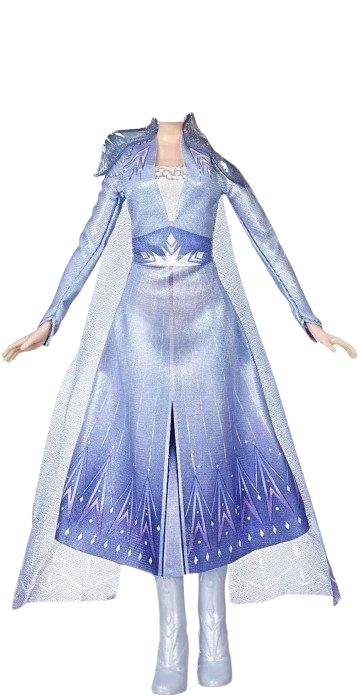
Disney Frozen Elsa Fashion Doll with Long Blonde Hair & Blue Outfit Inspired by Frozen 2
Check Price on Amazon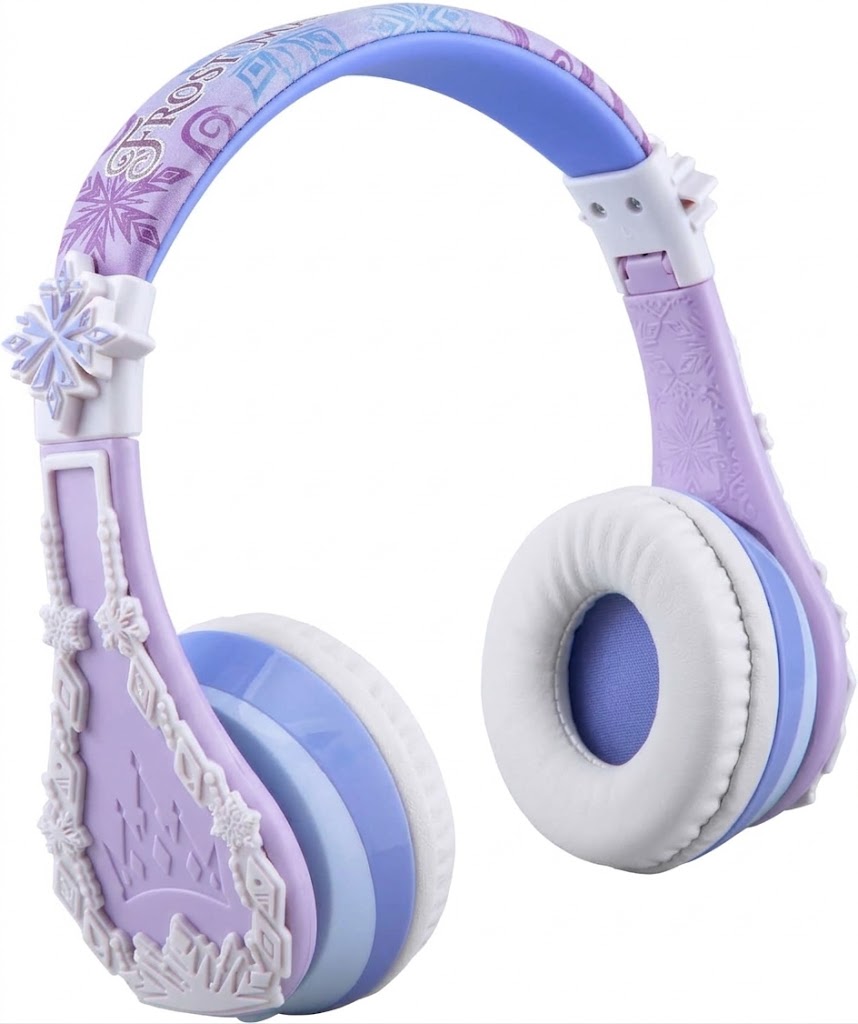
Frozen 2 Bluetooth Headphones with Microphone
Check Price on AmazonThe confusion makes sense: Hans sings in a major duet before his betrayal is revealed, and Elsa’s showstopper can sound rebellious. This article explains what counts as a villain song, why those numbers don’t quite qualify, and which songs in both Frozen films come closest. You’ll also get a quick comparison to familiar Disney villain songs, so you can judge the label for yourself.
does frozen have a villain song? The short answer
No, neither of the two main Frozen films gives its villain a traditional villain song. Hans, the antagonist in the 2013 film, does sing in Love Is an Open Door. But that number is presented as a romantic duet, not as a musical expression of his secret ambition. The audience learns about his betrayal later, in dialogue.
Frozen II also has no standard villain song. Its central conflict grows from the past, a mysterious force in the forest, and the characters’ choices. The film does not give an evil character a solo that lays out a wicked plan or invites the audience to enjoy the villain’s point of view.
That distinction matters because a song can involve a character who later acts badly without functioning as a villain song. The label usually describes the song’s purpose in the story, not just the singer’s eventual moral status.
What makes a song a villain song?
A villain song gives the antagonist a musical moment to reveal character, explain a goal, or show how they intend to get what they want. It often lets the audience hear the villain’s perspective directly. Some are playful and theatrical; others are threatening, persuasive, or emotionally revealing.
There is no official rulebook, and Disney films use the idea in different ways. Still, a few common features help separate a clear villain number from a song that merely includes a suspicious character.
- The singer is established as an antagonist, or the song clearly signals that the character is dangerous or opposed to the hero.
- The lyrics express a goal, scheme, or worldview that drives the conflict.
- The staging supports the villain’s point of view, often giving the character the focus and control of the scene.
- The song changes how the audience understands the character or advances the villain’s plan.
A song does not need every feature to count. But if it is a happy love duet on the surface and hides the singer’s motives from the audience, it is not a conventional villain song, even if the singer later becomes the antagonist.
Why Hans’s song does not count
Hans’s only prominent song in the first film is Love Is an Open Door, performed with Anna. At that point, it plays as a fast, buoyant courtship duet. The pair trade lines, share jokes, and imagine a future together. Nothing in the scene openly presents Hans as a villain.
After Hans reveals his intentions, viewers can revisit the lyrics and spot lines that seem calculated or self-serving. That can make the duet feel different on a second viewing. But the song still is not a villain number in the usual sense: it does not openly explain a scheme, and its musical point is the apparent connection between Anna and Hans.
It is better described as a deceptive duet with dramatic irony. Dramatic irony means the audience later knows something that changes the meaning of an earlier scene. Here, the revelation makes Hans’s romantic performance seem insincere, but it does not turn the duet into a song from his openly villainous perspective.
Hans is also not given a later solo after the reveal. He explains his plan in spoken dialogue, then acts on it. So if you are looking for a moment where he sings about taking power or defeating the sisters, the film does not contain one.
Is Let It Go Elsa’s villain song?
No. Let It Go is Elsa’s self-liberation song, not a villain song. Elsa has frightened people and lost control of her powers, but she is not the film’s villain. The song shows her leaving the pressure of concealment behind and trying to live without fear or restraint.
Some of the imagery can sound ominous. Elsa builds an isolated palace, rejects the expectations placed on her, and uses her powers boldly. Those choices help explain why the scene can seem dark or rebellious. Yet the song does not present Elsa as plotting harm against Anna or Arendelle. It expresses relief, independence, and the costs of isolation.
The story later shows that freedom without connection does not solve everything. Elsa’s power still affects other people, and her fear has consequences. That makes the song part of her character arc, not a declaration that she has become evil.
A useful test is to ask who the song opposes. Elsa is pushing back against shame and control, not announcing a plan to defeat the film’s heroes. Her actions create danger, but her role remains that of a protagonist learning how to handle her abilities.
Which Frozen songs might sound villainous?
Several songs can be mistaken for villain songs because they contain tension, deception, or strong dramatic stakes. Their actual story functions are different, though.
| Song | Film and singer | Why it may seem villainous | Best description |
|---|---|---|---|
| Love Is an Open Door | Frozen; Anna and Hans | Hans later betrays Anna, which changes how his lines sound. | Deceptive romantic duet, not an open villain statement. |
| Let It Go | Frozen; Elsa | Elsa rejects the rules of her old life and builds a remote palace. | Protagonist’s release and self-assertion. |
| Fixer Upper | Frozen; the trolls | The trolls interfere in Anna and Kristoff’s relationship. | Comic ensemble number with meddling advice. |
| Into the Unknown | Frozen II; Elsa | A mysterious voice pulls Elsa toward a dangerous journey. | Call-to-adventure song shaped by uncertainty. |
| Lost in the Woods | Frozen II; Kristoff | Its dramatic staging briefly resembles a power ballad or music video. | Comic, heartfelt song about insecurity and love. |
| The Next Right Thing | Frozen II; Anna | It takes place during a painful crisis and carries a heavy tone. | Grief song about choosing to keep going. |
The comparison shows why a dark mood alone is not enough. A villain song usually gives the antagonist a voice and a purpose. These songs instead develop the protagonists, provide comedy, or move the characters toward a new part of the story.
Does Frozen II have a villain song?
No. Frozen II has no conventional villain song either. Its conflict centers on uncovering what happened to the Northuldra and the people of Arendelle, while Elsa follows a voice connected to the past. The film’s opposing force is not developed through a villain’s musical number.
King Runeard is revealed as responsible for a harmful act against the Northuldra. However, he appears as part of the story’s history, rather than as a present-day villain who gets a song. The characters uncover his actions through the plot; he does not perform a number explaining or celebrating them.
The film’s songs serve other dramatic purposes. Into the Unknown captures Elsa’s pull toward a mystery she cannot ignore. Show Yourself brings her closer to the truth about her identity and family. The Next Right Thing follows Anna through despair and toward a small, necessary action.
Those songs carry danger and emotional weight, but none belongs to an antagonist laying out a plan. The conflict is handled through discovery, memory, and the sisters’ decisions rather than through a villain’s musical showcase.
How Frozen compares with classic Disney villain songs
Disney villain songs often make the antagonist’s role unmistakable. A character might describe a scheme, tempt another character, or revel in power. The number helps establish what the villain wants and why the hero is in danger.
Hans’s duet works in the opposite direction. Its surface meaning hides the singer’s real motives from Anna and the audience. That concealment supports the later twist, while a typical villain song would reveal the character’s agenda to viewers before the hero understands it.
Elsa’s song also differs from the classic pattern. She has a dramatic solo and makes a striking transformation, but the song moves the protagonist toward self-understanding. The visual spectacle can make it feel like a villain’s entrance, yet the story does not assign her the antagonist’s role.
This contrast is part of what makes Frozen unusual among Disney musicals. Its central songs focus on family, identity, love, grief, and difficult choices. The plot has antagonistic actions, but it does not stop for a villain to deliver a signature song.
How to decide whether another Frozen song qualifies
If you are debating the label with another fan, focus on the song’s place in the story rather than its sound or the singer’s later actions. A dark melody, dramatic costume, or surprising plot twist can shape your impression, but none settles the question on its own.
- Identify the singer’s role at that moment. Is the character acting as an antagonist in the scene, or are they a protagonist with a difficult choice?
- Look at what the lyrics communicate. Does the song reveal a plan or harmful worldview, or does it express love, fear, freedom, grief, or uncertainty?
- Consider what the scene changes. Does it advance the villain’s plan or clarify the threat? Or does it deepen a relationship or develop the hero?
- Separate the original meaning from later revelations. A twist can change how a song feels without changing what the song was designed to do in its original scene.
Applying those questions gives a clear result for the best-known examples. Hans’s duet is deceptive, Elsa’s solo is personal, and Anna’s later songs concern her own choices. None functions as a straightforward villain song.
Why the distinction is useful
Calling every song by a character who makes a bad choice a villain song can blur the story’s actual structure. It also overlooks how musicals use songs for many purposes: a character may reveal fear, build a relationship, make a decision, or give the audience information without being a villain.
In Frozen, that distinction helps explain Hans’s role. His betrayal is a plot reveal, not a musical confession. The audience is meant to interpret the duet one way at first and reconsider it later. Labeling it a standard villain number can imply that the movie openly signaled his plans during the song, which it does not.
It also helps keep Elsa’s character arc clear. Her dramatic solo does not mean she has turned into the antagonist. She is trying to escape fear and judgment, and the rest of the story shows why personal freedom still needs care and connection.
The practical takeaway: judge a song by what it does in its scene, not only by who sings it or how intense it sounds. By that standard, neither Frozen film has a traditional villain song, even though both contain conflict and morally harmful actions.
Frozen has an antagonist, but it does not give him a traditional villain song. Hans’s duet with Anna becomes unsettling after his betrayal, while Let It Go remains Elsa’s song of release rather than a villain’s declaration.
For a quick way to classify any disputed track, check whether the song openly reveals an antagonist’s goal or advances a scheme. That test makes the distinction clear: the Frozen songs develop characters and relationships, not a villain’s musical agenda.