who is elsa from frozen: her story and powers
Elsa is the Snow Queen in Disney’s Frozen, a princess born with the power to create ice and snow. The answer to who is elsa from frozen also involves her younger sister, Anna: Elsa’s fear of hurting Anna shapes the first film, while learning to accept her magic drives her story forward.
This guide explains Elsa’s family, powers, major choices, and role in both animated films. It also clears up what changes for her at the end of Frozen II, and where her story appears in Disney’s related shorts.
Who is elsa from frozen? The direct answer
Elsa is a central character in Disney’s animated film Frozen and its sequel, Frozen II. She begins as the elder princess of Arendelle, a fictional kingdom, and eventually becomes its Snow Queen. Her defining ability is creating and controlling ice and snow.
Elsa’s story is not simply about having magic. She struggles with the fear that her powers could hurt someone, especially Anna. Over time, she learns that hiding her abilities does not solve that fear. Understanding her gift and accepting help allow her to use it with care.
In the first film, Elsa leaves Arendelle after her powers are revealed during her coronation. In the sequel, she investigates the source of a mysterious voice and learns more about her family’s past. The two films follow her from isolation toward a clearer sense of identity and responsibility.
Elsa’s family and early life
Elsa is the first daughter of King Agnarr and Queen Iduna of Arendelle. Her younger sister is Anna, who is also one of the main characters in both films. The sisters are close as children, but a frightening accident changes their relationship.
While playing, Elsa accidentally strikes Anna with her ice magic. Their parents seek help from the trolls, who heal Anna and remove her memories of Elsa’s magic. The trolls warn that Elsa’s power could become dangerous if fear takes control. Afterward, Elsa’s parents keep the sisters apart while Elsa tries to suppress her abilities.
The separation is meant to protect Anna, but it leaves both sisters lonely. Elsa grows up believing that closeness could put Anna in danger. Anna, who cannot remember the accident, does not understand why her sister has withdrawn. This misunderstanding forms much of the emotional conflict in the first film.
Elsa’s parents later die while at sea, leaving the sisters without them. When Elsa comes of age, she must take the throne as queen. The coronation brings the sisters together again, but the pressure of the ceremony and a confrontation with Anna cause Elsa’s magic to appear in public.
What powers does Elsa have?
Elsa can create, shape, and control ice and snow. She can freeze surfaces, make snow fall, form detailed structures, and bring snow figures to life. Her abilities are magical rather than a skill she learned through ordinary practice, though her control improves as she understands them.
Her power can affect the environment on a large scale. In the first film, her distress brings an unseasonal winter to Arendelle. She also creates the ice palace where she retreats to the mountains. These scenes show both the reach of her magic and the way strong emotions can affect its use.
Elsa’s powers are not simply “good” or “bad.” The danger comes from losing control or acting without understanding the consequences. She can use the same abilities to cause harm, protect people, or build something beautiful. The films connect responsible control with honesty, practice, and trust rather than with hiding her magic.
In Frozen II, Elsa’s abilities develop further as she follows a mysterious call beyond Arendelle. She encounters elemental forces associated with wind, fire, water, and earth. Her connection to water and ice becomes especially important as she investigates Ahtohallan, a magical river connected to the past.
How Elsa changes in the first Frozen film
At the start of Frozen, Elsa sees her magic as a threat she must conceal. Her parents teach her to hide it and keep control, and she repeats the idea that she must “conceal, don’t feel.” That approach makes her more isolated without helping her understand what her powers can do.
At the coronation, Anna asks Elsa for her blessing to marry Prince Hans, whom she has just met. Elsa refuses, and the argument escalates. When Elsa’s powers are exposed, the guests react with fear. Elsa flees Arendelle, and her uncontrolled magic brings winter to the kingdom.
In the mountains, Elsa builds an ice palace and sings “Let It Go.” The song marks a moment of relief because she no longer has to pretend she has no powers. Still, being free from the pressure of hiding does not mean she has resolved her fear or learned to control every effect of her magic.
Anna sets out to find her, joined by Kristoff, Sven, and Olaf. Elsa’s fear rises when Anna reaches the palace, and she accidentally freezes Anna’s heart. The trolls explain that an act of true love is needed to save her. Hans later attempts to take the throne, but Anna’s choice to protect Elsa provides the selfless act that saves them both.
Elsa realizes that love helps her control her magic. She returns to Arendelle and ends the winter. By the end of the film, she is no longer hiding from her powers, and the sisters begin rebuilding their relationship. Her growth is not about becoming a different person; it is about accepting herself and treating her gift with care.
What happens to Elsa in Frozen II?
Frozen II begins with Elsa settled into life as queen, but she hears a voice calling to her. When the call awakens elemental forces and threatens Arendelle, Elsa, Anna, Kristoff, Sven, and Olaf travel north to find answers. Their journey takes them to the Enchanted Forest, where the Northuldra people live.
Elsa learns that the forest’s conflict began with a dam built by Arendelle’s former king, Runeard. The dam was presented as a gift to the Northuldra, but Runeard intended it to weaken them. His actions contributed to the fighting that trapped the forest under a magical mist.
Elsa also learns that her mother, Iduna, was Northuldra. Iduna saved Agnarr during the earlier conflict, and their daughters’ family history connects Arendelle with the people of the forest. This discovery gives Elsa a more complete understanding of where she comes from, while revealing painful truths about her grandfather’s choices.

Disney Frozen Kids' Bezel Stainless Steel Time Teacher Analog Nylon Strap Watch
Check Price on AmazonFollowing the voice leads Elsa to Ahtohallan, a place that holds memories of the past. She discovers that she is the fifth spirit, a link between people and the natural elements. The idea expands her identity beyond her role as Arendelle’s queen, but it does not make her more important than Anna or replace their relationship.
Elsa reaches a frozen state after going too far into Ahtohallan, but Anna receives the message Elsa sent and acts to destroy the dam. That decision frees the forest and allows the spirits to respond. Elsa returns, and the sisters help repair the connection between Arendelle and the Northuldra.
At the end, Anna becomes queen of Arendelle while Elsa remains in the Enchanted Forest. Elsa’s choice reflects where she feels she can best serve as the fifth spirit. The sisters stay connected, even though they now live in different places.
Elsa’s personality, relationships, and role
Elsa is thoughtful, guarded, and deeply protective of Anna. Her caution comes from believing that a mistake could hurt someone she loves. That fear explains why she often withdraws, but it does not mean she lacks affection or courage.
Her relationship with Anna is the emotional center of the films. The sisters have different temperaments: Anna is more openly social and impulsive, while Elsa tends to hold back and think through possible risks. Their differences create tension, but they also help them solve problems. Anna encourages Elsa to trust, and Elsa’s care for Anna shapes many of her decisions.
Elsa’s responsibilities change across the story. She first has to take the throne and protect Arendelle as its queen. Later, she accepts a role as a connection between humans and the natural world. The sequel does not suggest that leadership belongs only to a person with magic. Anna is a capable queen in her own right.
Elsa is also notable as a Disney heroine whose central conflict is not about finding a romantic partner. Her plots focus on family, responsibility, self-acceptance, and the effects of past choices. That focus is one reason viewers often read her as a story about learning to live openly with a part of yourself you once feared.
Elsa’s appearances across the Frozen films and shorts
Elsa’s story appears in the two feature films and several short productions. The shorts add small moments from her life, but the main changes to her character happen in the films.
| Appearance | What Elsa does | Best for understanding |
|---|---|---|
| Frozen (2013) | Becomes queen, reveals her powers, and learns to reconnect with Anna. | Her fear, family bond, and first steps toward accepting her magic. |
| Frozen Fever (2015) | Celebrates Anna’s birthday while trying to manage a cold. | A lighter look at the sisters’ affectionate relationship. |
| Olaf’s Frozen Adventure (2017) | Joins Anna in the holiday season and considers their family traditions. | How the sisters make new traditions after losing their parents. |
| Frozen II (2019) | Travels to the Enchanted Forest and learns her connection to the spirits. | Her family history and her new role as the fifth spirit. |
| Once Upon a Snowman (2020) | Appears in a story that follows Olaf’s earliest moments. | Additional context for a side character from the first film. |
The shorts are optional if you want to follow the central plot. Start with Frozen, then watch Frozen II for the full arc. The short films provide extra character moments rather than essential explanations of Elsa’s powers or family history.
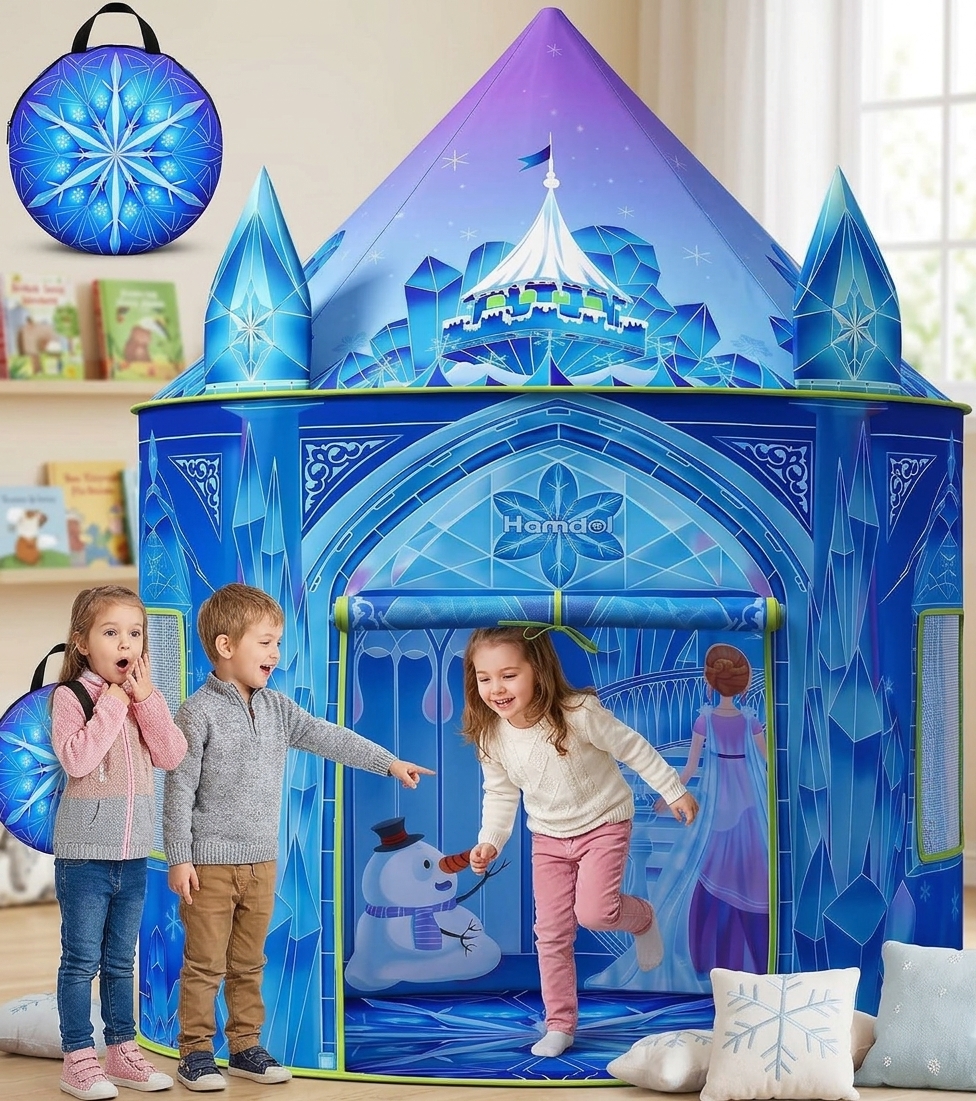
Princess Play Tent for Girls, Frozen Toy, Ice Castle Kids Playhouse for Indoor & Outdoor
Check Price on Amazon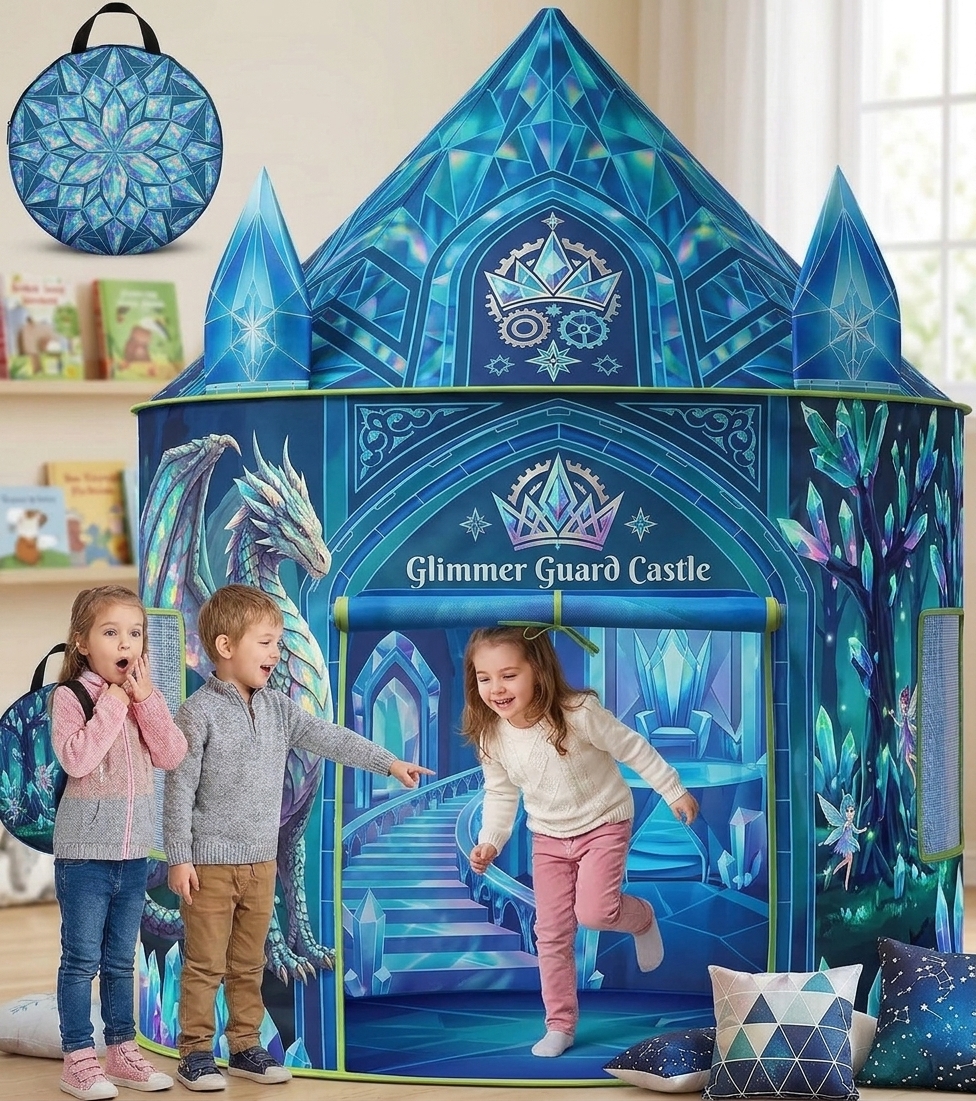
Princess Pop Up Play Tent, Frozen Toys for Girls
Check Price on Amazon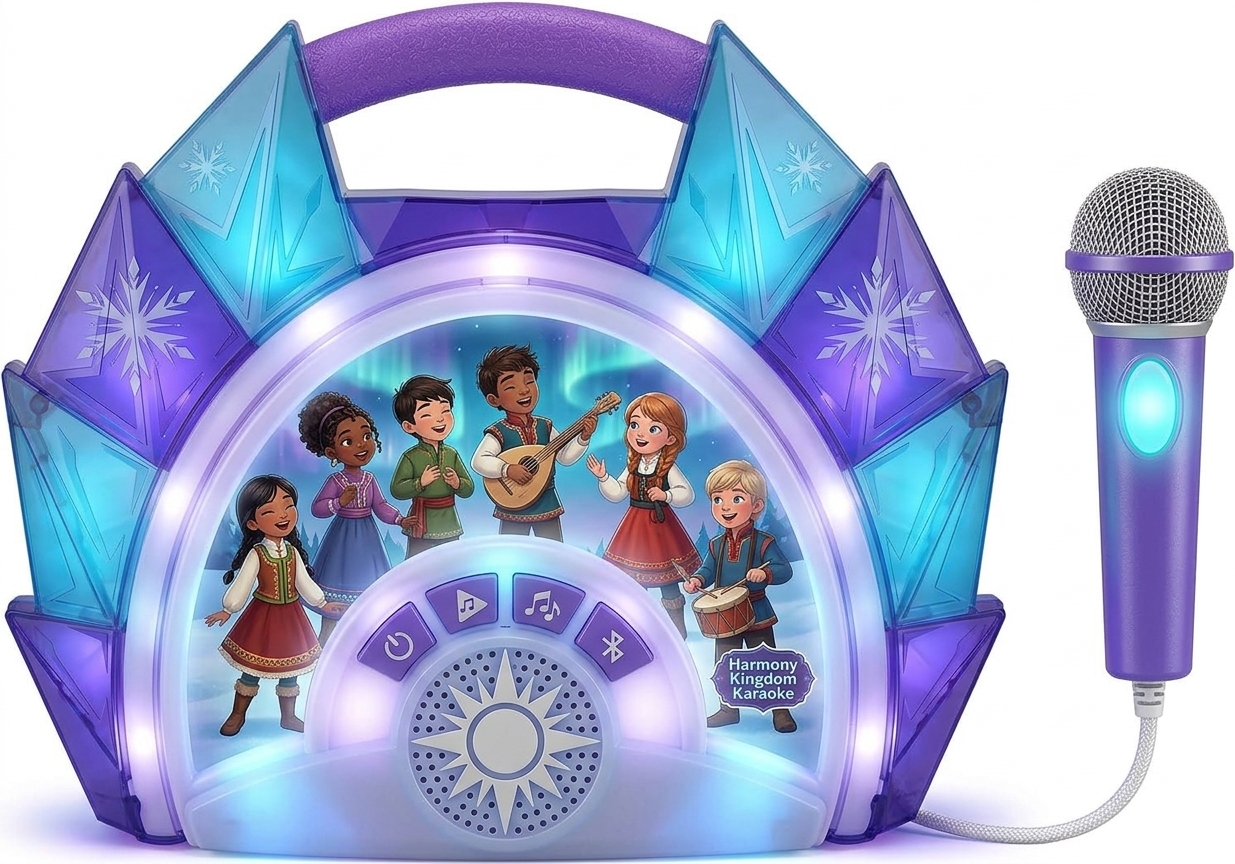
eKids Disney Frozen Karaoke Microphone with Bluetooth Speaker for Fans of Disney Toys
Check Price on AmazonFrozen Toys,Night Light Projector With 19 Films+15 Music,Girl Gifts For 2-6
Check Price on AmazonWho voices Elsa, and what does “Snow Queen” mean?
Idina Menzel provides Elsa’s speaking and singing voice in the English-language animated films. Menzel is a stage and screen performer known for musical roles, and her performance includes the song “Let It Go.” In other language versions, different performers voice Elsa.
“Snow Queen” describes Elsa’s connection to ice and snow and her role in the story. It is not her title at the beginning of the first film; she is a princess and then becomes queen of Arendelle. By the end of Frozen II, she lives in the Enchanted Forest as the fifth spirit, while Anna rules Arendelle.
The character is loosely connected to the Snow Queen from Hans Christian Andersen’s fairy tale, but Disney’s Elsa is not a direct retelling of that character. The film uses a different family, setting, and plot, with the sisters’ relationship at its center.
Common misunderstandings about Elsa
Elsa does not choose to freeze Anna
Elsa accidentally injures Anna during childhood and later freezes her heart during a moment of fear. The films show the consequences as serious, but they do not present either incident as a deliberate attempt to harm her sister. Elsa’s fear and lack of control are central to what she must address.
“Let It Go” does not solve every problem
The song is a turning point, not the end of Elsa’s character development. She stops hiding in that moment, but she still has to learn how her magic affects other people and how to trust the people who care about her. Treating the song as a complete cure misses the rest of her story.
Elsa and Anna both matter to the ending
Elsa has magical powers, but Anna’s choices are crucial to resolving both films. Anna helps save Elsa in the first film and breaks the dam in the sequel. The story presents their strengths as different and complementary, not as a contest over which sister matters more.
Elsa is not the queen of Arendelle at the end
Elsa is queen during much of the story, but Anna takes the throne at the end of Frozen II. Elsa remains in the Enchanted Forest. A common mix-up is to treat “Snow Queen” and “Queen of Arendelle” as interchangeable titles, even though her role and home change.
Elsa is the ice-wielding princess who becomes Arendelle’s queen and, later, the fifth spirit. Her story is about learning to understand her magic, accept herself, and stay connected to Anna.
For the clearest picture of her character, watch Frozen before Frozen II. The first film explains her fear and family bond; the sequel reveals her heritage and why she chooses to live in the Enchanted Forest.
