what songs do anna sing in frozen: Anna’s songs
In the 2013 movie Frozen, Anna sings “Do You Want to Build a Snowman?,” “For the First Time in Forever,” “Love Is an Open Door,” and parts of “Fixer Upper.” She also sings “For the First Time in Forever (Reprise),” a short, important duet with Elsa.
This list separates Anna’s solos and duets from songs led by other characters, so it is clear which numbers she actually sings. You’ll also find where each song appears, what it reveals about Anna, and how her musical moments differ in Frozen II.
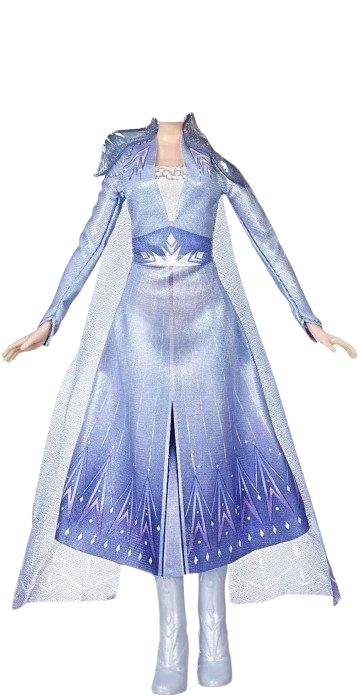
Disney Frozen Elsa Fashion Doll with Long Blonde Hair & Blue Outfit Inspired by Frozen 2
Check Price on Amazon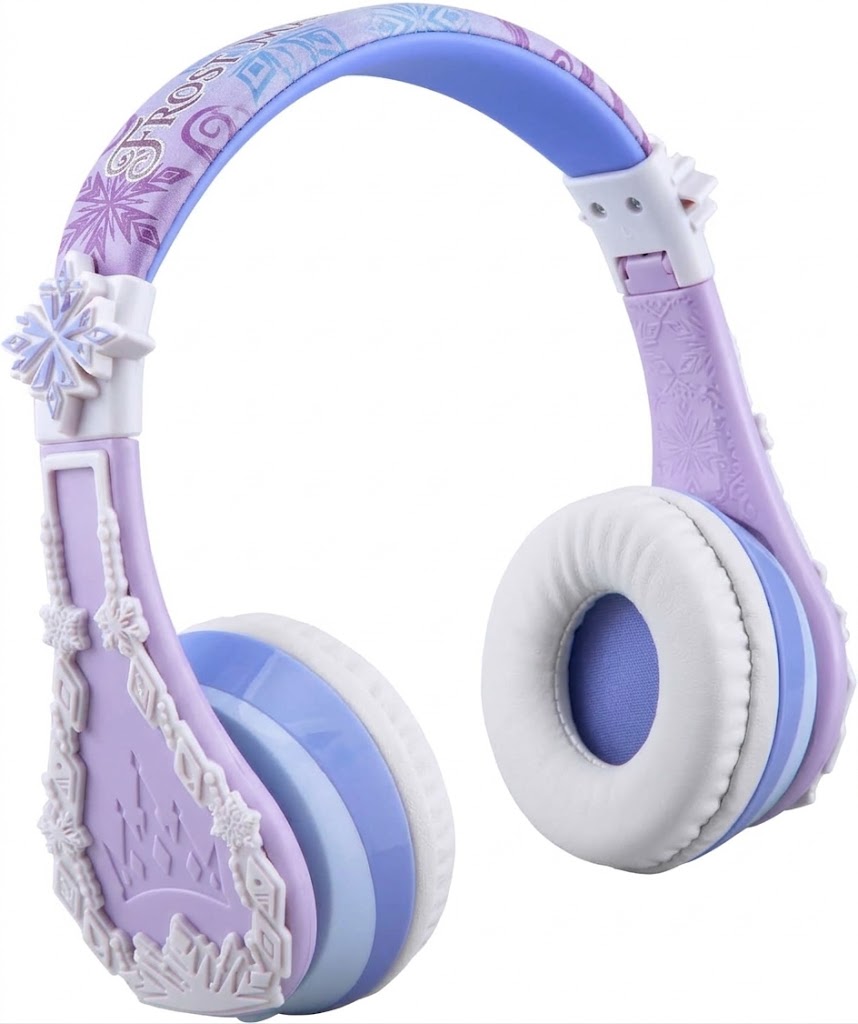
Frozen 2 Bluetooth Headphones with Microphone
Check Price on Amazonwhat songs do anna sing in frozen?
In the first Frozen film, Anna’s main songs are “Do You Want to Build a Snowman?,” “For the First Time in Forever,” “For the First Time in Forever (Reprise),” “Love Is an Open Door,” and “Fixer Upper.” The first four are clearly led or shared by Anna. “Fixer Upper” is an ensemble number sung mainly by the trolls, but Anna has a brief vocal part in it.
That distinction matters because a song can appear in a character’s scene without being that character’s song. For instance, Elsa sings “Let It Go,” while Kristoff sings “Reindeer(s) Are Better Than People.” Anna does not sing either number.
| Song | Anna’s role | Best description |
|---|---|---|
| “Do You Want to Build a Snowman?” | Solo lead across the song’s changing time periods | Anna reaches out to Elsa |
| “For the First Time in Forever” | Shares the number with Elsa | Anna anticipates the coronation and meeting people |
| “For the First Time in Forever (Reprise)” | Duet with Elsa | The sisters argue over Elsa’s powers |
| “Love Is an Open Door” | Duet with Hans | Anna mistakes instant connection for lasting love |
| “Fixer Upper” | Brief part in a troll-led ensemble song | The trolls try to push Anna and Kristoff together |
Anna’s songs, in movie order
1. “Do You Want to Build a Snowman?”
Anna sings this song while growing up inside the castle. She repeatedly asks Elsa to come out of her room and play, but Elsa keeps the door closed to protect Anna from her dangerous ice powers. The song moves forward through several years, so Anna’s voice and delivery change as she grows older.
The number is often remembered as a playful childhood song, but its emotional purpose is more serious. Anna does not know why Elsa is avoiding her. Her repeated invitation shows how much she misses her sister and how little she understands the reason for their separation.
Kristen Bell voices Anna throughout the film, while the younger versions of the character are performed by child actors. That casting lets the song carry Anna from childhood into adulthood without breaking the story’s timeline. Listen for how the simple, hopeful invitation becomes more urgent as the years pass.
2. “For the First Time in Forever”
Anna sings this lively song as Arendelle prepares to open the castle gates for Elsa’s coronation. After years of isolation, she is excited to see other people and imagines that the day might bring friendship or romance. Elsa’s parts provide a contrast: she is anxious about the ceremony and worried that her powers will be exposed.
This is a shared song, not a solo. Anna and Elsa sing from different emotional positions, even though they are in the same castle. Anna sees the opening doors as a chance to begin a fuller life; Elsa sees the public ceremony as a risk she must control.
The song also introduces a pattern that shapes Anna’s choices. She is hopeful and quick to imagine a happy future, sometimes before she has enough information. That optimism makes her warm and engaging, but it also helps explain why she accepts Hans’s proposal so quickly later in the film.
3. “Love Is an Open Door”
Anna sings this duet with Hans after meeting him at the coronation celebration. They trade lines about their similar interests and feeling misunderstood, then declare that they have found love. The playful duet makes their attraction seem easy and immediate.
But the song is deliberately written around the couple’s quick assumptions. They have only just met, yet they talk as if they already understand one another completely. That detail becomes important when Anna asks Elsa to approve their engagement and Elsa refuses.
Anna’s part is the musical center of the scene, but the song belongs to both characters. Hans’s cheerful responses make the pair sound perfectly matched at first. On a second viewing, the lyrics can feel less like proof of deep compatibility and more like a warning to take a whirlwind romance slowly.
4. “For the First Time in Forever (Reprise)”
After Elsa’s powers are revealed and she flees the kingdom, Anna finds her on the mountain and tries to bring her home. The reprise is a tense duet. Anna argues that they can face the problem together, while Elsa insists that she must stay away to keep others safe.
Unlike the earlier version, this reprise does not present the sisters’ hopes as a cheerful contrast. Anna is trying to reconnect, but Elsa is frightened and overwhelmed. Their different views collide in the lyrics, and the song ends with Elsa accidentally striking Anna with her magic.
The reprise is shorter than the original number, but it changes the direction of the story. Anna’s determination to repair the relationship meets the danger Elsa fears. The scene shows that love and good intentions are not enough by themselves; the sisters also need to understand what is happening and find a way to keep one another safe.
5. “Fixer Upper”
“Fixer Upper” takes place when the trolls bring Anna and Kristoff to their home. The trolls lead most of the song, teasing the pair and insisting that they can help them become a couple. Anna has a brief part, but this is best described as a troll-led ensemble number rather than one of Anna’s principal songs.
The scene also gives the film a comic pause during Anna’s urgent trip back to Arendelle. The trolls treat Kristoff as someone who needs fixing, while Anna is already dealing with the effects of Elsa’s magic. Their matchmaking is well meant but ignores the seriousness of Anna’s condition and the fact that she and Kristoff are still getting to know each other.
If you are making a list of every song Anna sings, include “Fixer Upper” with that qualification. If you mean songs centered on her character, focus on the four more prominent numbers and the reprise. This avoids treating every ensemble appearance as a full solo or duet.
Which songs are solos, duets, or ensemble numbers?
Anna’s songs are easier to sort by how much she leads each one. A solo puts her feelings at the center, while a duet gives another character an equal musical role. An ensemble song features a group, even if Anna contributes a short line.
| Type | Songs | How to think about them |
|---|---|---|
| Anna-led song | “Do You Want to Build a Snowman?” | Anna’s appeal to Elsa drives the number |
| Shared duet | “Love Is an Open Door” | Anna and Hans sing together |
| Sister duet | “For the First Time in Forever” and its reprise | Anna and Elsa express opposing feelings |
| Ensemble with a brief Anna part | “Fixer Upper” | The trolls lead the number |
Different song lists may classify the reprise separately or group it with “For the First Time in Forever.” Both approaches refer to the same two musical scenes: the coronation-day song and the later confrontation on the mountain. For a complete character list, count the reprise as its own performance because its lyrics and story moment are distinct.
Songs in Frozen that Anna does not sing
Several memorable songs belong to other characters, even though Anna is central to the film. Separating the singers helps prevent confusion when you are searching for a soundtrack track, planning a sing-along, or making a character playlist.
- “Let It Go” is Elsa’s solo. Anna does not sing it.
- “Reindeer(s) Are Better Than People” is Kristoff’s song about his bond with Sven.
- “In Summer” is Olaf’s comic solo about his sunny-weather dream.
- “Heimr Árnadalr” is a short orchestral and choral piece, not an Anna solo.
Anna appears in scenes around some of these songs, but being present in a scene does not make her a singer on the track. Soundtrack versions may also include reprises, instrumental cues, or bonus recordings that are not full songs performed by Anna in the story.
How Anna’s songs show her character
Anna’s musical arc moves from longing for connection to making more thoughtful choices. “Do You Want to Build a Snowman?” shows her reaching for Elsa without knowing the whole story. “For the First Time in Forever” shows her excitement at the prospect of life outside the castle.
“Love Is an Open Door” reveals her tendency to rush toward a hopeful possibility. The reprise then shows her refusing to give up on Elsa, even when the conversation becomes painful. Together, these songs make Anna’s optimism a source of both vulnerability and courage.
That mix is one reason Anna’s numbers sound different from Elsa’s. Elsa’s signature song expresses a decision to stop hiding her powers, while Anna’s songs focus on relationships: her sister, a new romantic interest, and the people around her. Anna’s story is less about choosing isolation or freedom and more about learning what connection requires.
Does Anna sing in Frozen II?
Yes. In Frozen II, Anna sings in several musical numbers, including “Some Things Never Change” and “The Next Right Thing.” She also contributes to group singing in “All Is Found” and “When I Am Older,” though those songs are led by other characters. Her most prominent solo in the sequel is “The Next Right Thing.”
“Some Things Never Change” is an ensemble song featuring Anna, Elsa, Olaf, Kristoff, and Sven. It begins with the characters enjoying a settled life in Arendelle, while hints of change appear beneath the celebration. Anna’s part reflects how much she values the people she loves and the stability they have built.
“The Next Right Thing” comes later, after Anna believes she has lost both Elsa and Olaf. Instead of offering a quick solution, the song follows Anna as she struggles through grief and chooses one small action at a time. Its focus is different from her bright, eager songs in the first film. Anna is still determined, but now her strength comes from continuing when she cannot see a clear way forward.
Anna is not the lead singer of “Into the Unknown,” “Show Yourself,” or “Lost in the Woods.” Those numbers center on Elsa or Kristoff. “When I Am Older” is led by Olaf, although Anna is among the characters who take part in the broader ensemble material.
A quick way to identify Anna’s songs
If you only need the main list from the first movie, use these steps:
- Start with the character-led songs: “Do You Want to Build a Snowman?,” “For the First Time in Forever,” and “Love Is an Open Door.”
- Add the reprise: “For the First Time in Forever (Reprise)” is a separate duet and a major story moment.
- Include the ensemble qualification: Anna has a brief part in “Fixer Upper,” which is led by the trolls.
- Keep other characters’ solos separate: “Let It Go” belongs to Elsa, “In Summer” to Olaf, and “Reindeer(s) Are Better Than People” to Kristoff.
A common mistake is to call every song from Anna’s scenes an Anna song. The more useful test is to ask who sings the lyrics and leads the musical moment. By that standard, the first film gives Anna four central songs or song sections, plus a brief contribution to the troll ensemble.
The main answers to “what songs do anna sing in frozen” are “Do You Want to Build a Snowman?,” “For the First Time in Forever,” its reprise, and “Love Is an Open Door.” Anna also has a brief part in the troll-led “Fixer Upper,” while songs such as “Let It Go” belong to other characters.
For a quick playlist, start with Anna’s four central numbers, then add “Fixer Upper” if you want her ensemble appearance too. If you are including the sequel, add “Some Things Never Change” and “The Next Right Thing.”