why is the frozen soundtrack so good: The music explained
The question “why is the frozen soundtrack so good” has a simple answer: its songs reveal character, move the story forward, and stay memorable after the film ends. The music gives Elsa, Anna, and the people of Arendelle distinct emotional voices.
That combination is carefully supported by the film’s orchestral score, expressive performances, and sharp shifts between humor and drama. Here’s how the songs and score work together, why the lyrics feel personal, and what to listen for on your next rewatch.
Why is the frozen soundtrack so good? It makes emotion part of the story
The music in Frozen does more than decorate scenes. It lets characters express feelings they cannot easily say in ordinary conversation. A song can show what someone wants, what they fear, or how their understanding is changing. That makes the soundtrack feel connected to the plot rather than added on top of it.
This is especially clear in the contrast between Anna and Elsa. Anna’s songs tend to reach outward. She sings about connection, possibility, and the life she hopes to share with other people. Elsa’s defining song turns inward before it opens into a bold statement of independence. The different emotional directions help you understand each sister before every conflict is explained.
The songs also arrive at moments when the story can use a change in pace. Dialogue can establish a problem, but music can hold a feeling in place long enough for the audience to sense its full weight. Then the arrangement can grow, shift, or stop to make the next story beat land.
Each major song has a clear dramatic job
A memorable tune is only part of a successful movie song. In Frozen, the strongest numbers also perform a specific job in the scene. They introduce a character’s outlook, reveal a relationship, or prepare the story for a change.
“Do You Want to Build a Snowman?” turns time into a song
Anna’s repeated invitation is simple enough to remember, but its meaning changes as she grows older. At first, it sounds like a child trying to play with her sister. Later, the same appeal carries years of loneliness and unanswered hope. The recurring line gives the audience a direct way to feel the distance between the sisters.
That song is effective because it does not explain every year of separation in dialogue. Its changing vocal tone and brief scenes show Anna’s persistence and Elsa’s isolation. By the time it ends, the song has made their separation feel personal, not merely like a plot detail.
“For the First Time in Forever” gives Anna momentum
Anna’s excitement about the gates opening is energetic and specific. She imagines meeting people, finding romance, and finally taking part in the world outside the castle. The number moves quickly because her thoughts race ahead of her judgment. That exuberance makes her appealing, while the speed also hints that she may be getting carried away.
The reprise changes the song’s role. Anna and Elsa sing from sharply different emotional positions: Anna wants to repair their relationship, while Elsa is trying to keep her secret and her fear contained. Their overlapping hopes and concerns create tension inside a tune the audience already knows. That return makes the sisters’ disagreement feel immediate rather than abstract.
“Let It Go” changes Elsa’s emotional position
“Let It Go” begins with Elsa alone and afraid of what her powers might do. As the music builds, her posture changes. She stops trying to meet the expectations that have defined her life and claims space for herself. The song therefore works as both a large vocal showcase and a turning point in her character arc.
Its structure supports that change. The opening is more restrained, then the melody rises and the accompaniment grows broader. Each shift gives Elsa a stronger sense of control. The visual action reinforces the musical movement, so the transformation is clear even if you do not focus on every lyric.
“In Summer” uses comedy to make Olaf more human
Olaf’s cheerful dream of enjoying summer is funny because the audience understands the danger he does not. The song gives him a sincere desire, not just a collection of jokes. His innocence makes the situation playful, while the audience’s knowledge adds a gentle layer of dramatic irony.
That balance matters to the soundtrack’s pacing. After the more intense emotions around Elsa and Anna, a comic number lets the story breathe without losing character development. Olaf’s optimism also echoes the film’s broader focus on affection and trust.
The musical styles help separate the characters
The songs share a coherent theatrical style, but they do not all sound emotionally alike. Anna’s numbers lean toward lively, conversational energy. Elsa’s central song has a more dramatic shape, with room for a gradual rise in intensity. The contrast gives each sister a distinct musical identity without making the soundtrack feel like a collection of unrelated tracks.
That variety is useful in a story with several emotional registers. A romantic duet needs a different feel from a song about isolation. A comic number should not carry the same weight as a sibling’s plea for reconciliation. Changes in tempo, vocal delivery, and orchestration help signal those differences before the scene’s meaning is fully spelled out.
The songs were written by Kristen Anderson-Lopez and Robert Lopez. Their work balances clear, memorable melodies with lyrics that advance character and plot. The lyrics tend to use familiar language, which helps the songs feel easy to follow on a first viewing. Their more effective lines also gain new meaning as the relationships change.
Strong performances make the characters sound distinct
Voice acting and singing are central to the soundtrack’s appeal. Idina Menzel’s performance as Elsa brings power and control to the character’s most demanding musical moments. Kristen Bell’s Anna sounds open and energetic, with room for comic timing as well as vulnerability. The contrast between their voices reflects the contrast between their personalities.
The supporting cast adds other useful colors. Jonathan Groff’s Kristoff is more grounded and reserved than Anna, while Josh Gad gives Olaf an earnest, playful sound. These differences help the songs remain legible when several characters share a scene. You can often tell who is speaking from their delivery alone.
Clear character singing also makes the lyrics easier to understand. That matters because the words carry plot information. A performance can be expressive without obscuring the point of the line, so the audience can enjoy the melody and still follow what the character is trying to communicate.
The orchestral score connects the songs to the film
A film soundtrack can include songs and instrumental music, and those two parts do different work. The songs put characters’ thoughts into words. The score supports scenes without requiring characters to sing. Composer Christophe Beck wrote the orchestral score for Frozen, helping carry its mood between the musical numbers.
The score draws on a wintry, northern European sound palette, including choral textures and orchestral colors that suit the setting. The opening’s distinctive choral sound establishes a sense of place before the central story is fully underway. That kind of musical setting gives the film an identity beyond its dialogue and visuals.
Instrumental themes and recurring sounds can also help scenes feel connected. A musical idea may return in a new context, letting you associate it with a character or an emotion. Even when you do not consciously identify a theme, a return can make a later scene feel familiar and emotionally linked to an earlier one.
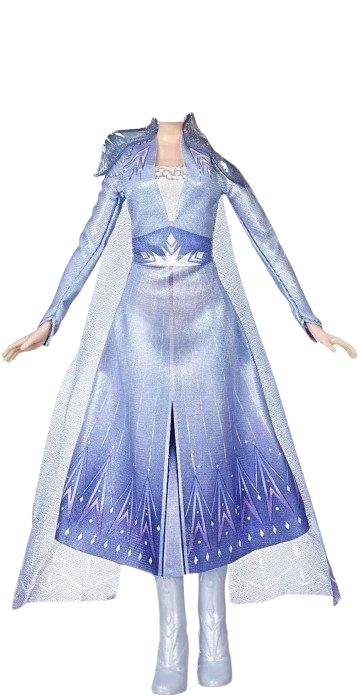
Disney Frozen Elsa Fashion Doll with Long Blonde Hair & Blue Outfit Inspired by Frozen 2
Check Price on Amazon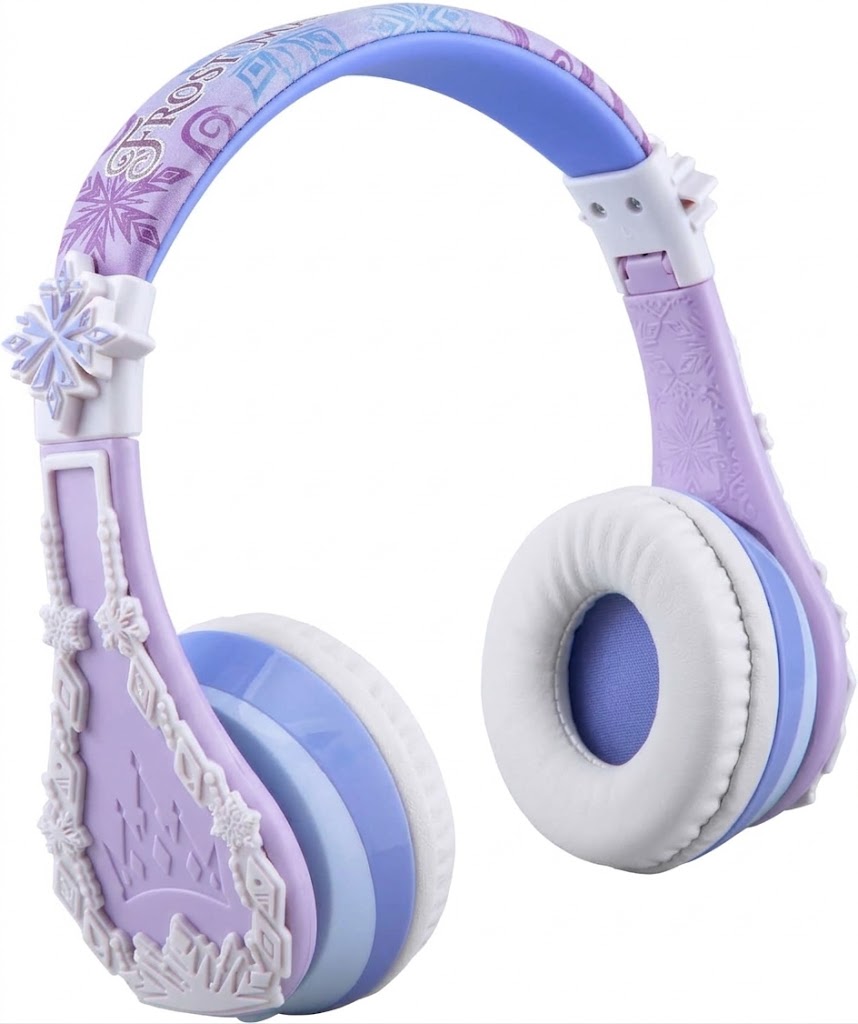
Frozen 2 Bluetooth Headphones with Microphone
Check Price on AmazonThe score is not simply background noise between songs. It shapes the quiet stretches, supports suspense, and helps the film move from one emotional register to another. Without that connective tissue, the songs could feel more like separate stage numbers. With it, they belong to a continuous film experience.
Why the melodies and lyrics are easy to remember
Many of the songs use clear melodic shapes and repeated phrases. Repetition gives a listener something to hold on to, while small changes keep the song from feeling static. A tune can be easy to recall even when its scene contains a complicated emotional shift.
The lyrics also tend to use concrete images and direct statements. A listener does not need to decode a long metaphor before understanding what a character wants. That clarity helps children follow the story, while adults can still notice the tension between what a character says and what the scene reveals.
Memorable songs often work on more than one level. A phrase may sound playful the first time and sadder when a later scene gives it context. A familiar melody can also make a reprise feel meaningful because you remember the earlier version. The song has not changed completely, but the character’s situation has.
For a practical listening tip, pay attention to how a refrain changes when it returns. Notice whether the singer’s tone becomes more confident, uncertain, or urgent. That small comparison often reveals more about the character than simply asking whether the song sounds cheerful or sad.
Humor and emotional contrast keep the soundtrack lively
The soundtrack does not remain at one emotional intensity. Anna’s restless excitement, Elsa’s fear, Olaf’s comic optimism, and the sisters’ strained relationship all require different kinds of music. Moving between them makes the serious moments stronger because the film gives the audience room to laugh and relax.
Comedy can also make a character’s later sincerity more convincing. Olaf is funny, but his affection for Anna and Elsa is not treated as a joke. Similarly, Anna’s impulsiveness creates humor, yet her loyalty remains central to the story. The songs help keep those qualities together rather than reducing the characters to one trait.
Contrast makes the soundtrack easier to remember as a whole. If every song were a dramatic ballad, the emotional peaks would blur together. If every number were light, Elsa’s isolation and the sisters’ separation would lose their force. The variation gives each important scene its own musical character.
Song versus score: what are you listening to?
People often use “soundtrack” to mean every piece of music heard in a movie. It can help to separate the vocal songs from the instrumental score. The songs are the numbers with lyrics, such as “Let It Go” and “Do You Want to Build a Snowman?” The score is the orchestral music written to accompany scenes.
Both contribute to the film, but they are not interchangeable. A song can give a character a direct voice and become memorable on its own. The score can shape a scene’s emotion without interrupting its dialogue. Listening to the two parts separately can make the music’s storytelling choices easier to hear.
| Music type | What it does | Example or feature | Best for |
|---|---|---|---|
| Character song | Expresses a character’s thoughts through lyrics | “Do You Want to Build a Snowman?” | Following relationships and personal change |
| Showcase song | Builds around a major vocal and emotional moment | “Let It Go” | Hearing a character claim a new position |
| Comic song | Uses humor while revealing personality | “In Summer” | Enjoying the film’s lighter side |
| Orchestral score | Supports scenes without sung lyrics | Christophe Beck’s instrumental music | Noticing atmosphere and scene-to-scene continuity |
What people sometimes miss about the music
A common misconception is that a soundtrack succeeds only because it contains one famous song. “Let It Go” is a major part of the film’s musical identity, but the soundtrack’s wider appeal depends on how its songs work together. Anna’s numbers, the comic material, the reprises, and the score give the film a range of moods and support the full story.
Another point is that a powerful vocal performance does not automatically make a song fit the film. A number has to belong to the character and the moment. In Frozen, the songs are memorable partly because they arise from each character’s immediate hopes, mistakes, or fears. The dramatic context gives the melodies meaning.
It is also easy to treat the orchestral score as less important because it has no lyrics. Yet the score helps the film feel continuous. It carries atmosphere through scenes that cannot pause for a song and gives the story a consistent musical setting. You may notice its contribution most clearly if you rewatch a quiet or tense scene without skipping ahead to the next number.
How to listen more closely on your next rewatch
To hear why the music works, follow the relationship between the song and the action rather than judging each track alone. Ask what changes by the end of the number. A character may have made a decision, exposed a fear, or misunderstood someone else. If the scene has changed, the song has done story work.
- Listen for the character’s goal. Identify what the singer wants at the start of the song. Anna often reaches toward connection, while Elsa’s choices are shaped by fear and control.
- Notice the arrangement. Listen for changes in volume, instrumentation, and pace. A gradual build can mirror growing confidence; a pause can make a lyric feel exposed.
- Compare repeated material. If a melody or line returns, ask how the character’s situation has changed since its first appearance.
- Separate song from score. Notice how instrumental music supports the scene before or after the lyrics. This reveals how the soundtrack links the story’s larger musical moments.
- Watch the performance as well as the sound. Facial expression and movement often add meaning that is not stated in the words.
These details help explain why the music can feel satisfying on repeated viewings. The melodies remain familiar, but the story gives them context. A lyric that first seemed simple may take on more emotional weight once you understand what the sisters have endured.

Disney Frozen Kids' Bezel Stainless Steel Time Teacher Analog Nylon Strap Watch
Check Price on AmazonWhy the soundtrack appeals to more than one age group
Children can enjoy the clear melodies, comic songs, and easy-to-follow emotions. Adults may pay closer attention to the sisters’ separation, the difference between intention and impact, or the way the songs reveal character. The soundtrack does not require one age group to ignore the parts that matter to another.
Its emotional themes are also broadly understandable. Wanting to belong, hoping for closeness, and struggling to show fear are not limited to a particular age. The film expresses those experiences through fantasy and humor, but the underlying feelings remain recognizable.
The music’s theatrical shape adds to that appeal. Each number gives the audience a strong emotional center, while the orchestral score carries the story between them. The result is easy to remember without being limited to a playlist of isolated hits. The songs matter because of where they sit in the story and what they help the characters do.
The reason why is the frozen soundtrack so good comes down to the way its songs and score serve the characters. Memorable melodies, distinct performances, and meaningful changes in musical style make the film’s emotions easy to follow and hard to forget.
On your next rewatch, listen for how a song changes the story and how instrumental music supports the quieter scenes. That simple shift in attention makes the soundtrack’s storytelling choices much easier to hear.