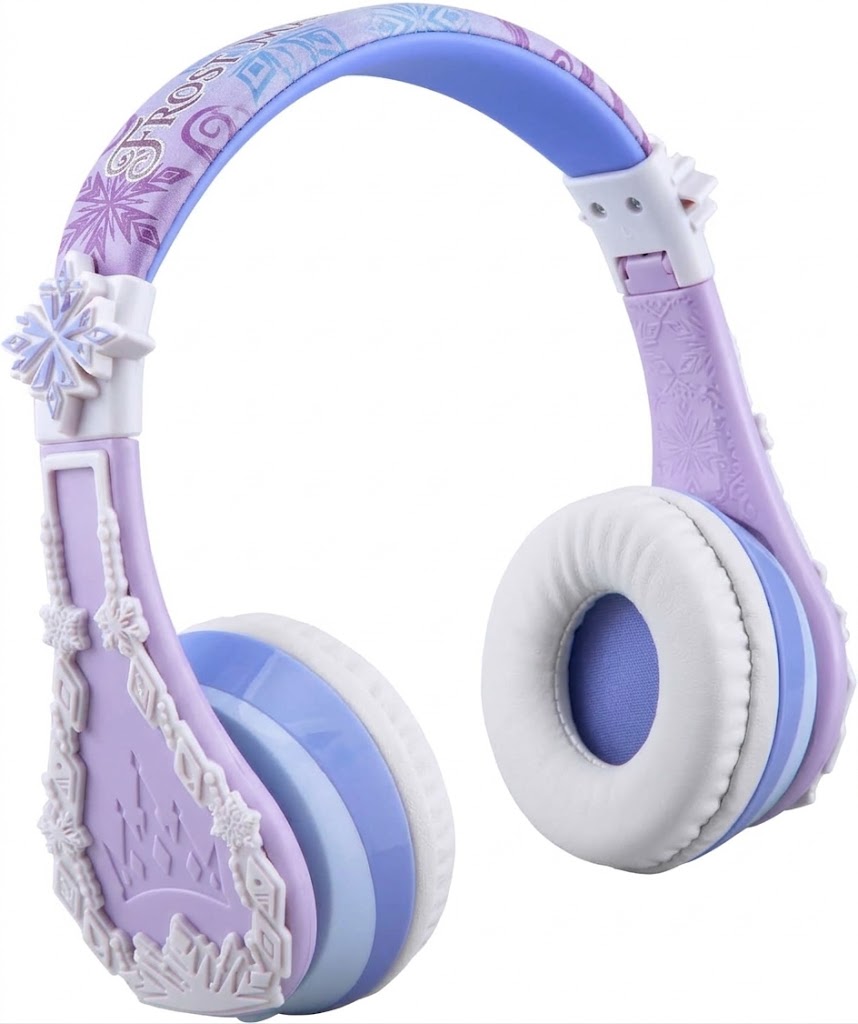
why frozen so popular: what made it click
If you are asking “why frozen so popular,” the short answer is that the film brings together memorable songs, relatable characters, humor, and an emotional story about family. Its central relationship is between two sisters, so the adventure feels personal even when the setting is grand.
That mix gave audiences more than a catchy song to remember. The story offers children fantasy and comedy, while themes of loneliness, responsibility, and belonging give older viewers something to connect with. Here is how the characters, music, storytelling, and wider Disney experience helped Frozen become a lasting favorite.
Why frozen so popular with audiences?
Frozen became popular because its parts reinforce one another. The music helps tell the story, the sisters’ relationship gives the adventure emotional stakes, and the comedy makes heavier moments easier for families to enjoy together. Each element gives audiences a reason to return, whether they want to sing along or follow the characters’ choices.
The film also gives its heroine a problem that is more personal than defeating a villain. Elsa fears that her magical ice powers could hurt people, while Anna wants to reconnect with the sister she loves. Their different needs create tension without making either sister a simple good or bad character.
That combination helped the film reach different ages for different reasons. Young viewers could enjoy the bright visuals, jokes, and songs. Older viewers could focus on the sisters’ distance, Elsa’s fear, and Anna’s determination to repair their relationship.
The story centers on sisters, not a romance
Many fairy-tale stories build their emotional payoff around a romance. Frozen instead makes the bond between Anna and Elsa the main relationship. That choice gives the story a clear identity and makes its central conflict relevant to viewers who understand family tension, growing apart, or trying to reconnect.
Elsa’s fear leads her to shut Anna out. Anna, in turn, has spent years without the close relationship she remembers from childhood. Their separation is not caused by a lack of love. It grows from fear, misunderstanding, and a protective decision that has unintended consequences.
This makes the sisters’ conflict easy to follow but not too simple. Elsa wants to keep others safe, yet hiding her powers also isolates her and hurts Anna. Anna wants closeness, yet she cannot fix the situation by rushing in without understanding Elsa’s fears.
The story’s resolution also gives the relationship a distinctive emotional payoff. Love is shown through a difficult choice and an act of care, rather than treated as a prize that appears once a character finds a romantic partner. That helps explain why many viewers remember the sisters as the heart of the film.
Elsa and Anna offer contrasting, relatable journeys
The two leads are different enough to create tension and complementary enough to make their relationship compelling. Elsa is cautious, private, and burdened by responsibility. Anna is outgoing, impulsive, and eager to connect. Neither approach solves every problem, which lets both characters change.
| Character or element | What it brings to the story | Best for |
|---|---|---|
| Elsa | A struggle with fear, self-expression, and responsibility | Viewers drawn to a private character learning to face herself |
| Anna | Optimism, persistence, and the drive to restore a family bond | Viewers who connect with an energetic, determined heroine |
| Kristoff | A practical counterpoint and a grounded friendship | Viewers who enjoy understated humor and loyal companions |
| Olaf | Physical comedy, innocence, and warmth | Children and families looking for lighthearted scenes |
| The songs | Emotional expression and memorable moments that carry the plot | Viewers who enjoy music that is part of the storytelling |
Elsa’s experience can resonate with people who feel pressure to hide an important part of themselves. Her story is not simply about becoming powerful. It is about facing the effects of fear, accepting help, and learning that isolation is not the same as keeping people safe.
Anna’s path matters just as much. Her persistence is a strength, but the film also shows that enthusiasm alone cannot make someone else ready to open up. She has to recognize Elsa’s fear and make choices based on care rather than simply expecting everything to return to how it was.
The contrast means viewers can identify with either sister, or understand both at different points in their lives. That broad emotional appeal helps the film work for siblings, parents, and people watching on their own.
The songs make emotion easy to remember
Music is one of the film’s most visible strengths. Songs such as “Let It Go” and “Do You Want to Build a Snowman?” do more than pause the action. They give characters a way to express feelings that ordinary dialogue might not convey as clearly.
“Do You Want to Build a Snowman?” uses a repeated invitation to show years of distance between the sisters. The song changes in meaning as time passes, so the audience feels the growing separation rather than just hearing that the sisters are apart.
“Let It Go” marks Elsa’s decision to stop hiding, but the moment is more complicated than a simple celebration of freedom. She gains room to express herself while leaving behind the relationships and responsibilities she is frightened to face. The song’s energy makes the scene exciting; the story gives that excitement emotional context.
That combination helps the songs stay memorable. A tune catches attention, and a character’s situation gives the tune meaning. Viewers can sing along, but the songs also remind them of the characters’ hopes, worries, and turning points.
Music also gives the film a natural repeat-viewing appeal. Children may ask to hear a favorite song again, while adults may appreciate how it introduces or develops a character. The same scene can serve as entertainment and as part of the story.
Humor balances the serious themes
The film deals with isolation, fear, family strain, and responsibility. Without lighter moments, those subjects could make the adventure feel heavy for younger viewers. Comedy gives the story breathing room without erasing its emotional stakes.
Olaf provides much of that humor. His cheerful personality and unusual ideas make him easy for children to enjoy, while his role in the story connects to the film’s winter setting. His jokes also prevent every scene from carrying the same emotional weight.
Kristoff and Sven add a different kind of comedy. Their reactions and practical habits contrast with Anna’s impulsiveness and the scale of the royal crisis. This creates small, grounded moments amid the fantasy.
The humor is useful because it supports, rather than replaces, the story. A joke can make a character more likable or ease tension before a serious scene. That rhythm helps families stay engaged across the film’s changes in mood.
The setting and animation create an inviting fairy tale
Arendelle gives the story a clear fairy-tale setting, while the winter imagery makes the film visually distinctive. Snow and ice are not just background decoration. Elsa’s powers affect the plot, shape the environment, and create a visual expression of her fear and isolation.

Disney Frozen Kids' Bezel Stainless Steel Time Teacher Analog Nylon Strap Watch
Check Price on AmazonThe animated world also supports the film’s contrast between closeness and separation. Warm interiors and family spaces suggest comfort, while icy landscapes can feel open, beautiful, and lonely at the same time. The surroundings help audiences sense the characters’ changing circumstances even before they explain them.
Costumes, architecture, and landscape details give the fictional kingdom a recognizable look without requiring viewers to learn a complicated history. Children can understand the basic setting quickly, and adults can enjoy the visual detail. This clarity helps the story move without long explanations.
Animation also makes the magical premise easy to show. Elsa’s powers can transform the world in ways that would be difficult to stage in live action, and the visual changes make her emotions part of the action. The fantasy feels connected to the characters rather than added only for spectacle.
The film makes room for different ages
A family film often needs to work on more than one level. Frozen offers quick jokes and eye-catching scenes for younger children, while its themes give older viewers a reason to pay attention. This does not mean every viewer reads the story in the same way. It means the film offers several accessible points of connection.
Children may focus on the songs, snow, characters, and comic moments. Older viewers may notice the sisters’ communication problems, Elsa’s sense of duty, or the consequences of avoiding a difficult conversation. Parents may appreciate that the story presents care as an action, not just a feeling.
The film also gives families shared material to talk about. A child might ask why Elsa stayed away from Anna, or why Anna kept trying to help. Those questions can lead to simple conversations about fear, boundaries, and showing someone support without forcing them to respond immediately.
That range supports repeat viewing. A child can return for a favorite scene, while an adult notices more about the story’s emotional choices. Familiarity can make the songs and jokes even more enjoyable rather than making the film feel like a one-time event.
Marketing and merchandise helped the popularity last
A film’s popularity does not come only from what appears on screen. Disney’s broad reach helped put Frozen in front of families, and its characters, music, and winter imagery translated naturally into products, costumes, toys, and themed experiences. Those related offerings helped keep the film visible after its original release.
Merchandise alone cannot explain why audiences cared about the story. A recognizable character may catch a child’s attention, but a strong emotional connection gives that interest staying power. In this case, songs and characters were easy to remember and easy to bring into play, dress-up, and family activities.
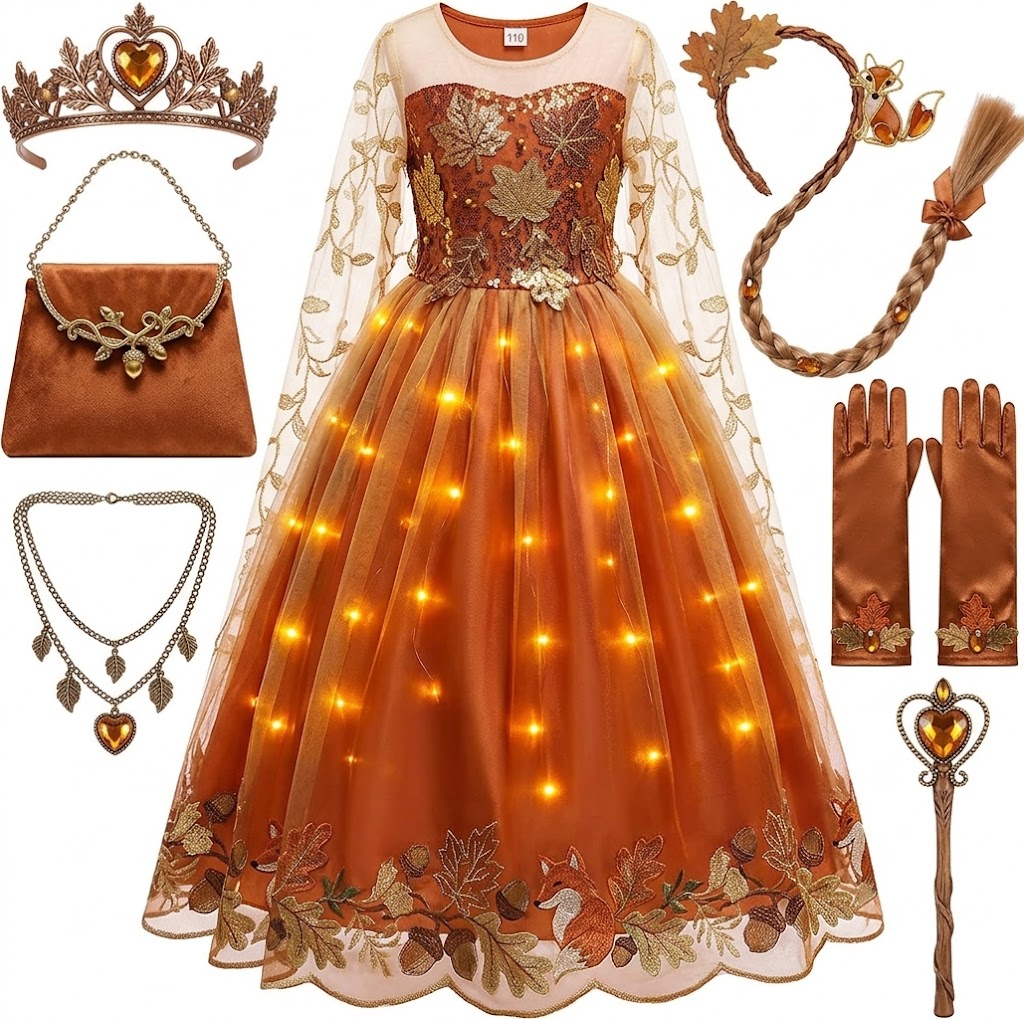
Princess Dresses for Girls Light Up Princess Costume for Christmas Halloween Toddler Princess Dress Up Clothes
Check Price on AmazonIt helps to separate two ideas: a film can be commercially visible and genuinely well liked at the same time. Promotion and merchandise can extend attention, but they do not explain why viewers return to the story or why particular songs and relationships matter to them.
The sequel, Frozen II, also gave fans another chance to spend time with the characters. A follow-up can renew interest in the original, but the first film’s own story and songs remain important reasons it became a favorite in the first place.
What people often miss about the film’s success
A common misconception is that Frozen became popular only because of “Let It Go.” The song was an important part of the film’s visibility, but the story gives it meaning, and the rest of the film offers other reasons to return. The sisters’ relationship, the comedy, the setting, and the supporting characters all contribute.
Another detail that can be overlooked is Anna’s role. Elsa’s powers and signature song often attract immediate attention, but Anna drives much of the effort to reconnect the family. The film’s emotional center depends on both sisters, not just the more visually dramatic character.
It is also easy to mistake Elsa’s story for a simple message that doing whatever feels good will solve a problem. Her moment of release is powerful, but it does not settle the conflict. The story shows that self-expression matters alongside responsibility and connection.
For parents, one practical way to watch with children is to ask what each sister wants in a scene. Then ask whether her choice helps her get it. This keeps the discussion grounded in the story and can help children understand that good intentions do not always produce the result someone hopes for.
Why viewers keep returning to Frozen
Repeat viewing is easier when a film has several pleasures to revisit. A viewer might return for the songs, another for the jokes, and another for the sisters’ story. Because those elements sit together, a favorite moment can still feel connected to the larger plot.
The characters also leave room for changing interpretations. Younger viewers may relate to Anna’s energy or Olaf’s humor. As they grow older, they may better understand Elsa’s fear, the strain of family silence, or the difficult balance between independence and responsibility.
Familiarity makes the film comfortable for many families. The plot is clear, the characters are recognizable, and the songs make key moments easy to recall. That comfort can turn a movie into a shared routine, especially when children ask to watch it again.
Ultimately, the film’s lasting appeal comes from how its pieces work together. Music makes emotion memorable; humor keeps the story welcoming; animation gives the fantasy a strong visual identity; and the sisters give the adventure a human center. The wider Disney presence helped sustain attention, but the story gave audiences reasons to care.
The answer to “why frozen so popular” is not one song or one character. The film combines memorable music, lively humor, striking winter animation, and a sister-centered story that speaks to viewers across ages.
For a closer look, watch how Anna and Elsa’s goals change from scene to scene, then notice how each song or joke supports those choices. That small shift makes the film’s appeal easier to see beyond its most famous moments.
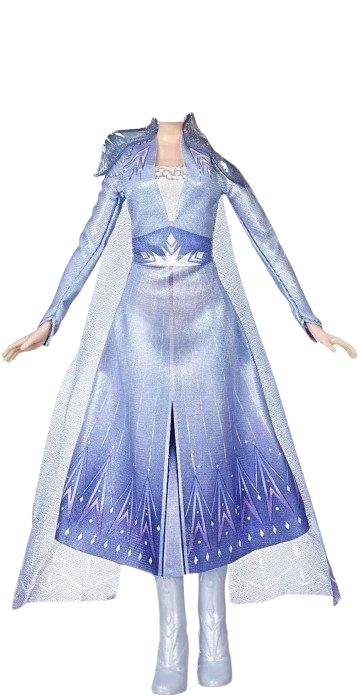
Disney Frozen Elsa Fashion Doll with Long Blonde Hair & Blue Outfit Inspired by Frozen 2
Check Price on Amazon