what are frozen songs: The film tracks explained
what are frozen songs? They are the musical numbers from Disney’s Frozen films, including “Let It Go,” “Do You Want to Build a Snowman?” and “Into the Unknown.” The songs combine character performances, story details, and musical styles that help move the plots forward.
This guide names the major songs from Frozen and Frozen II, explains who performs them, and shows how the numbers fit into each story. You’ll also learn how songs differ from the instrumental score, what to know about popular alternate recordings, and where to start if you want a quick playlist.
what are frozen songs?
The phrase usually refers to the songs written for Disney’s animated films Frozen (2013) and Frozen II (2019). These are musical numbers with lyrics, performed by the characters or a group of singers. They include familiar titles such as “Let It Go,” “Love Is an Open Door,” and “Show Yourself.”
The films also have instrumental music that supports scenes without being sung. That music is called the score. A soundtrack album may include songs, score selections, or both, so the word “soundtrack” can mean different things depending on the album or streaming listing.
The songs were written by Kristen Anderson-Lopez and Robert Lopez. Christophe Beck composed the films’ scores. The songs are not simply pauses in the action: they often reveal what a character wants, explain a change in the story, or build toward a decision.
Major songs from the first Frozen film
The first film follows sisters Anna and Elsa in the kingdom of Arendelle. Its songs introduce their childhood, show how they respond to isolation and change, and bring several supporting characters into the story.
| Song | Performer or performers | What it does in the story |
|---|---|---|
| “Frozen Heart” | Men’s chorus | Opens the film with imagery about ice and danger. |
| “Do You Want to Build a Snowman?” | Kristen Bell as Anna, with other voices at different ages | Shows Anna trying to reconnect with Elsa over the years. |
| “For the First Time in Forever” | Kristen Bell and Idina Menzel | Contrasts Anna’s excitement about the castle opening with Elsa’s anxiety. |
| “Love Is an Open Door” | Kristen Bell and Santino Fontana | Pairs Anna and Hans in a lively duet that later takes on a different meaning. |
| “Let It Go” | Idina Menzel as Elsa | Marks Elsa’s choice to leave the kingdom and express her powers openly. |
| “Reindeer(s) Are Better Than People” | Jonathan Groff as Kristoff | Gives Kristoff a brief, comic moment with Sven. |
| “In Summer” | Josh Gad as Olaf | Reveals Olaf’s cheerful but mistaken idea of what summer is like. |
| “Fixer Upper” | Maia Wilson and the trolls | Turns the trolls’ advice about Kristoff into a group number. |
Some soundtrack releases include reprises, alternate versions, or additional tracks. A reprise is a shorter return to a song or musical idea heard earlier. For example, the film includes “For the First Time in Forever (Reprise),” in which Anna and Elsa’s hopes and fears collide.
Why “Let It Go” is the best-known song
Elsa sings “Let It Go” after fleeing Arendelle. At that point, she believes that distance will protect others from her uncontrolled ice magic. The song shifts from fear and restraint toward confidence, as Elsa builds a palace and decides to stop hiding her abilities.
That confidence is complicated. Elsa feels free in the moment, but leaving does not solve the danger facing her sister or kingdom. The number is both a powerful expression of self-acceptance and a turning point that creates new problems. That tension is part of why it matters to the plot, not just why it is memorable.
Idina Menzel performs Elsa’s version in the film. A separate pop recording by Demi Lovato appears on some releases and in the film’s end credits. These are different recordings of the same song, not different story moments.
Songs from Frozen II
Frozen II returns to Anna, Elsa, Kristoff, Olaf, and Sven. Its songs explore family history, change, and the characters’ efforts to understand a mysterious voice calling Elsa away from Arendelle.
| Song | Performer or performers | What it does in the story |
|---|---|---|
| “All Is Found” | Evan Rachel Wood as Queen Iduna | Introduces a lullaby that connects to Elsa’s family and the past. |
| “Some Things Never Change” | The main cast | Shows the characters enjoying a peaceful moment while hinting that change is near. |
| “Into the Unknown” | Idina Menzel as Elsa, with AURORA’s vocal contribution | Expresses Elsa’s struggle with a mysterious call and her desire to follow it. |
| “When I Am Older” | Josh Gad as Olaf | Lets Olaf joke about confusing events he expects to understand later. |
| “Lost in the Woods” | Jonathan Groff as Kristoff | Turns Kristoff’s insecurity about Anna into a dramatic, playful ballad. |
| “Show Yourself” | Idina Menzel and Evan Rachel Wood | Brings Elsa closer to the truth about her past and identity. |
| “The Next Right Thing” | Kristen Bell as Anna | Gives Anna a way forward during a moment of grief and uncertainty. |
Several numbers reveal how the characters have changed since the first film. “Some Things Never Change” begins with a desire to hold on to happiness and familiarity. “The Next Right Thing,” by contrast, focuses on taking one manageable action when a larger answer is not yet clear.
How “Into the Unknown” differs from “Let It Go”
Both songs center on Elsa, but they express different conflicts. “Let It Go” comes after Elsa decides to stop concealing her powers. “Into the Unknown” comes later, when she has a stable life but senses that something important is calling her beyond it.
In the second song, the challenge is not simply whether to show her magic. Elsa must decide whether to take a risk and learn more about the voice and her family’s past. AURORA provides the mysterious vocal call, while Menzel sings Elsa’s part. The contrast helps listeners hear the call as something separate from Elsa’s own thoughts.
Who sings the songs in the Frozen films?
The main characters are voiced by performers who also sing their parts. Kristen Bell performs Anna, Idina Menzel performs Elsa, Jonathan Groff performs Kristoff, and Josh Gad performs Olaf. Santino Fontana voices and sings as Hans in the first film. Evan Rachel Wood performs Queen Iduna’s song in Frozen II.
Not every sound associated with a song comes from a character in the same way. Some numbers use a chorus, group vocals, or additional singers. For end-credit recordings and soundtrack versions, the singer may also differ from the performer heard in the scene. Check the track credits if you need to identify a particular recording.
The songs are written for the characters and story, but they also work as standalone musical pieces. A duet can reveal how two characters see a relationship differently. A solo can put a character’s private thoughts into words. A group number can establish the mood of a place or community.
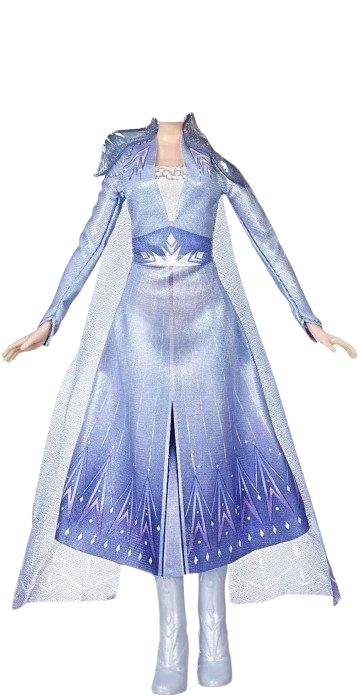
Disney Frozen Elsa Fashion Doll with Long Blonde Hair & Blue Outfit Inspired by Frozen 2
Check Price on Amazon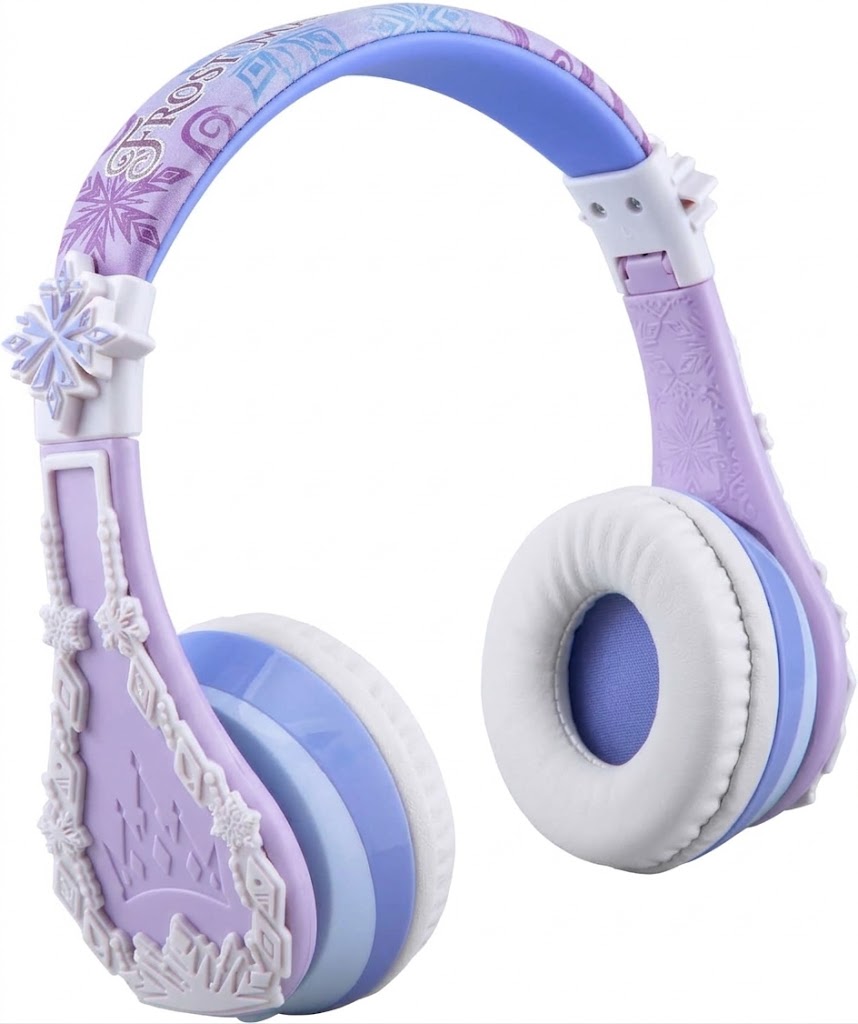
Frozen 2 Bluetooth Headphones with Microphone
Check Price on AmazonHow songs and score music differ
A song has lyrics and is usually performed by a character, chorus, or featured singer. The score is instrumental music composed to accompany the action. It may play under dialogue, build tension, or connect one scene to the next without becoming a sung number.
Both kinds of music can use recurring melodies. When a tune or musical idea returns in a different scene, it can remind you of an earlier event or show how a character’s situation has changed. A soundtrack album may place score cues alongside songs, but a listing labeled “songs” usually refers to the vocal numbers.
This distinction helps if you are searching for a specific piece of music. If you remember lyrics or a character singing, search for the song title. If you remember instrumental background music, look for the film’s score or soundtrack cues instead.
Which Frozen songs should you play first?
If you want a short introduction, begin with a few songs that show the films’ different moods and storytelling approaches. The following order is designed for a first-time listener, not as the exact sequence of events in either film.
- “Do You Want to Build a Snowman?” Hear how one song can cover years of a relationship and show what Anna is missing.
- “Let It Go” Listen for Elsa’s shift from fear toward self-expression, along with the consequences of leaving.
- “Love Is an Open Door” Notice how the upbeat duet helps establish Anna’s quick trust in Hans.
- “Into the Unknown” Compare Elsa’s uncertainty here with her decision in the earlier film.
- “Lost in the Woods” Try this one for a comic change of style and a closer look at Kristoff’s feelings.
- “The Next Right Thing” Hear how Anna’s song presents courage as taking one small step at a time.
For the story in order, watch each film or follow a soundtrack listing that matches the film’s sequence. Album track order can include score pieces, bonus recordings, or end-credit versions, so it may not line up exactly with the events on screen.

Disney Frozen Kids' Bezel Stainless Steel Time Teacher Analog Nylon Strap Watch
Check Price on AmazonCommon mix-ups about the songs
Assuming every soundtrack track is a song
A soundtrack can include instrumental score cues as well as vocal numbers. A track may therefore belong to the film’s music without being a song sung by Anna, Elsa, or another character. Look at the title and credits to tell which kind of track you have.
Mixing up film performances and pop versions
A song can have more than one official recording. The version in a scene may be performed by the character’s voice actor, while another recording appears in the end credits or on a related release. If a voice sounds different from the film, it may be an alternate version rather than a different song.
Treating the songs as interchangeable
The songs have distinct roles. “Let It Go” is not simply another version of “Into the Unknown”: the first reflects Elsa’s response to hiding her powers, while the second centers on a call she does not understand. Listening with the story context makes their differences clearer.
Expecting every song title to appear on every album
Albums can vary by edition and release. Some include more score music, alternate performances, or bonus tracks than others. If you are trying to find one particular number, search its exact title rather than relying only on a general soundtrack label.
Finding a song when you remember only a scene
If you cannot remember a title, use a few details to narrow it down. Note which character was singing, whether the scene was in the first or second film, and what was happening. A scene about Anna calling to her sister points toward “Do You Want to Build a Snowman?”; a scene in the forest with a mysterious voice points toward “Into the Unknown.”
Search for the character and a lyric fragment if you remember the words. Put the phrase in quotation marks to make the search more specific. If you recall only the melody, humming or music recognition tools may help, but verify the result against a track listing before assuming it is the film version.
A useful detail: a song’s emotional tone does not always match the full situation. “Love Is an Open Door” sounds joyful because Anna believes she has found a close connection. Later events change how the scene reads. Consider what the character knows at that moment, rather than judging the song only by what the audience learns afterward.
what are frozen songs? They are the vocal numbers from Disney’s Frozen films, written to develop characters and advance the story. The instrumental score is related, but it is not the same as a song performed with lyrics.
To get started, play “Let It Go” and “Into the Unknown” back to back, then compare what Elsa is facing in each film. If you are looking for a particular recording, check the song title and performer credits because film and end-credit versions can differ.