is andy’s frozen custard gluten free? Check first
Is andy’s frozen custard gluten free? Plain custard may be made without gluten ingredients, but you should not assume every flavor, topping, or serving is safe. Recipes and preparation practices can vary by location, and shared equipment can cause cross-contact.
This guide explains what to check before ordering, which add-ins commonly contain gluten, and how to ask about preparation. It also covers the difference between avoiding gluten ingredients and needing protection from trace amounts, so you can make a decision that fits your needs.
is andy’s frozen custard gluten free?
Sometimes, but it depends on the product and how it is served. A basic custard flavor may not contain wheat, barley, or rye as ingredients. That does not automatically make it safe for someone with celiac disease or a strong gluten sensitivity. Toppings, flavor pieces, cones, equipment, and handling all matter.
Andy’s Frozen Custard locations may offer different flavors and menu items, and local preparation details can vary. A flavor that seems simple from its name may include a mix-in or use equipment shared with gluten-containing products. The safest answer comes from checking the current ingredient and allergen information for the specific item at the location you plan to visit.
It helps to separate two questions:
- Does the recipe list gluten-containing ingredients? This concerns the ingredients in the custard, topping, or other menu item.
- Could gluten get into it during preparation? This concerns shared scoops, counters, machines, containers, gloves, and serving tools.
If you avoid gluten by preference, ingredient information may be enough for your decision. If you have celiac disease, even small amounts from cross-contact can matter, so you need to ask about both ingredients and preparation. A staff member’s answer should be specific to the flavor and serving method, not just a general claim about custard.
Why plain custard and a finished dessert can differ
Frozen custard is typically made from a dairy base that includes ingredients such as milk, cream, sugar, and egg yolk. Those ingredients do not naturally contain gluten. However, the exact recipe is product-specific, and this general description is not confirmation of Andy’s current formula.
Gluten is a group of proteins found in wheat, barley, and rye. It can appear in a dessert as a direct ingredient, such as cookie pieces, cake, or a cone. It can also appear in less obvious components, including some flavorings, crunchy inclusions, or prepared toppings. Ingredient labels and current company allergen information are more reliable than guessing from a flavor name.
The assembled order adds another layer. A plain cup of custard can be handled with a scoop that was just used for a cookie flavor. A blender or mixer may have contacted crumbs from another order. A topping station can also transfer crumbs through utensils, gloves, or a shared work surface.
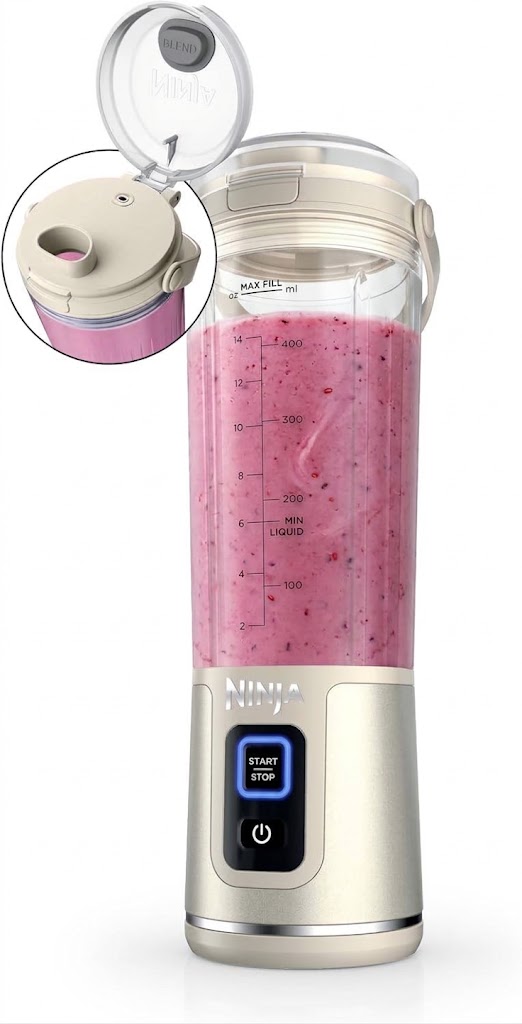
Ninja Blast Portable Blender, Cordless,18oz Vessel, Vanilla Bean
Check Price on AmazonThis is why asking only whether the custard itself contains gluten may leave out the main risk. Ask about the complete order: the base, every add-in, the serving container, and the tools used to prepare it. If the answer is uncertain, choose a different option or skip the order, especially if avoiding cross-contact is medically important.
Common menu items to check before ordering
Menu availability changes by location and season, so treat these examples as categories to ask about rather than a guaranteed list of Andy’s products. A product name alone does not establish its ingredients or preparation method.
| Item or choice | Why to check | Practical guidance |
|---|---|---|
| Plain custard in a cup | The base may avoid gluten ingredients, but the formula and serving process need confirmation. | Ask about the exact flavor and a clean scoop or serving method. |
| Waffle cone | Waffle cones commonly contain wheat flour. | Do not assume a cone is gluten-free. Ask whether a separately packaged alternative is available. |
| Cookie, brownie, or cake mix-ins | These commonly contain wheat flour or gluten-containing crumbs. | Avoid unless current ingredient information clearly confirms otherwise. |
| Malt or cookie-based topping | Malt ingredients and baked toppings may contain gluten. | Ask for the ingredient details; do not rely on the topping’s name alone. |
| Fruit or syrup topping | Some may be simple, while others may include additives or share utensils. | Check the specific product and request a clean utensil if available. |
| Blended or layered dessert | Mixing can spread crumbs through equipment and contact surfaces. | Ask whether a clean preparation method is possible and actually followed. |
A cup avoids the obvious wheat in many cones, but it does not by itself prevent cross-contact. Likewise, a fruit topping may sound safer than a cookie topping, yet its ingredients and serving spoon still need checking. The best choice is the one the location can explain clearly, including how it is prepared.
How to ask about ingredients and cross-contact
Clear, specific questions usually get more useful answers than asking only, Is this gluten-free? Explain whether you are avoiding gluten by choice or need a medically careful order. Then ask about the exact item you want.
- Name the flavor and serving style. Ask about the specific custard flavor in a cup, not just whether custard is gluten-free in general.
- Check the ingredients. Ask whether the base or flavor contains wheat, barley, rye, malt, cookie pieces, cake, or other gluten-containing ingredients. If available, request the current ingredient or allergen information.
- Check each topping separately. Ask about its ingredients and whether its spoon or container is shared with baked toppings or crumbs.
- Ask how the order is handled. For celiac disease, ask whether staff can use a clean scoop, fresh gloves, and a clean work surface or other separate preparation method.
- Listen for a clear answer. If staff cannot verify the ingredients or explain the process, do not treat a guess as a safety assurance.
You can keep the request simple: “I need to avoid gluten. Can you check the ingredients for this flavor and tell me whether it can be served with clean equipment away from crumbs?” This gives staff two distinct things to verify. It also avoids implying that removing a topping after preparation would make the dessert safe.
Staff may need to check with a manager or consult product information. Allow time for that, and do not pressure anyone to promise a result they cannot confirm. Restaurant employees can share available information, but a verbal answer is not the same as a guarantee that a product is free from cross-contact.
What changes if you have celiac disease?
Celiac disease is an autoimmune condition in which eating gluten damages the small intestine. For someone with celiac disease, a small amount of gluten can be harmful even if it does not cause an immediate, noticeable reaction. Symptoms are not a dependable way to judge whether a food was safe.
That makes preparation details important. A flavor can have no obvious gluten ingredient and still be unsuitable if it is scooped from a shared container or blended on equipment with crumbs. A clean cup does not solve contact that happened earlier in preparation.
If you have celiac disease, consider ordering only when staff can verify the ingredients and describe a preparation method that meets your needs. If the store cannot separate tools or prevent contact, choosing not to order is a reasonable safety decision. You can also contact the company through its current customer-service channel before visiting, but confirm that the information applies to the particular location and item.
People with a wheat allergy also need to be careful, but a wheat allergy is not the same as celiac disease. Allergy questions may involve different ingredients and risks. Tell staff about the specific allergy or medical need rather than using “gluten-free” as a stand-in for every food allergy.

Framendino, 16 Pack Artificial Chicken Nuggets Fake Fried Food Models Props for Kitchen Decor
Check Price on AmazonWhat changes if you have non-celiac gluten sensitivity?
Some people report symptoms after eating gluten but do not have celiac disease or a wheat allergy. This is often called non-celiac gluten sensitivity. The level of caution needed can differ from person to person, so use the advice from your healthcare professional and your own established plan.
If you are avoiding gluten for comfort or preference, you may decide that a verified ingredient list is enough. If even trace cross-contact causes symptoms for you, ask the same preparation questions a person with celiac disease would ask. Avoid treating “no gluten ingredients” and “protected from cross-contact” as interchangeable claims.
Do not use an experiment at the restaurant to diagnose a medical condition. A reaction can have many causes, and the absence of symptoms does not prove an item was safe for celiac disease. If you are unsure about your diagnosis or the right level of avoidance, get medical guidance rather than relying on a menu description.
Common mistakes that lead to uncertainty
Assuming all custard is gluten-free
The standard custard ingredients may be naturally gluten-free, but recipes differ and flavor additions can change the answer. Confirm the product actually served at that location.
Assuming a cup solves the problem
A cup can avoid a cone, but shared scoops, mix-in equipment, and counters can still transfer crumbs. Ask how the custard reaches the cup.
Judging by flavor names
Names such as chocolate, fruit, or vanilla describe taste, not a verified ingredient list. Flavorings and inclusions vary, so ask about the exact product.
Thinking removal makes a dessert safe
If cookie pieces have already been mixed in, picking them out does not remove crumbs or residue. Choose an item that was prepared without the ingredient from the start.
Relying on an old online answer
Recipes, suppliers, menus, and store procedures can change. Information from another location or an earlier visit may not apply to today’s order. Check current details each time if your health depends on them.
How to make a lower-risk order
Start with the simplest item you are considering, often a plain flavor in a cup, and ask staff to verify its ingredients. Keep the order simple by leaving out cones, cookies, brownies, cakes, and unverified toppings. Fewer components mean fewer ingredients and utensils to check.
If the location can accommodate your request, ask for a clean scoop and fresh handling. Be specific about any equipment used for blending or mixing. A separate cup is useful only if the food and utensils going into it have also been handled appropriately.
For a medically necessary gluten-free diet, make the decision based on the quality of the store’s information, not on reassurance alone. If no one can confirm the ingredients or explain how contact is controlled, select another food source. That may feel less convenient, but it is safer than assuming a basic-looking dessert meets your needs.
For a preference-based diet, your personal comfort level may be different. You may be comfortable with a product that has no listed gluten ingredients but is prepared in a shared space. Make that choice knowingly, and do not confuse it with a guarantee for someone with celiac disease.
What to do when the store cannot confirm
If staff are unsure, ask whether they can check the official ingredient or allergen information for the exact flavor. Do not ask them to infer safety from appearance or from the fact that another customer ordered it. If they still cannot confirm, treat the answer as unknown.
You can contact Andy’s customer service before a visit and ask about current ingredients and handling practices. Be prepared to provide the product name and location, because the available menu and preparation setup may differ. If the company provides written information, check its date and make sure it addresses both ingredients and cross-contact rather than one alone.
When the information remains incomplete, the practical choice is to skip that item or choose a place with clearer procedures. This is especially important for celiac disease, where a lack of visible crumbs does not show that the food was protected. A confident decision is based on verified details, not a best guess.
Is andy’s frozen custard gluten free? A plain flavor may avoid gluten ingredients, but toppings, cones, and shared equipment can change the answer. Ingredient checks and preparation details both matter, especially if you have celiac disease.
Before ordering, ask about the exact flavor, every add-in, and the tools used to serve it. If the location cannot confirm the details you need, choose another option rather than relying on an assumption.
