why do people think walt disney is frozen: the real story
People think Walt Disney is frozen because a persistent rumor claims he was cryonically preserved after his death. The evidence says otherwise: Disney was cremated and interred at Forest Lawn Memorial Park in Glendale, California.
The story grew from speculation, misunderstandings about cryonics, and Disney’s interest in futuristic ideas. This article explains where the rumor came from, what is known about his death, and why a frozen body or head is not supported by credible evidence. It also separates cryonics from cryogenics, two terms often mixed up in retellings. By the end, you can identify the real records behind the claim and understand why it keeps circulating.
Why do people think walt disney is frozen?
The short answer is that a rumor took hold after Disney died in 1966. It claimed he had arranged to have his body, or sometimes just his head, preserved at very low temperatures in the hope that future medicine could bring him back. There is no credible evidence that this happened. Available records say he was cremated and his remains were interred at Forest Lawn Memorial Park in Glendale, California.
The story can sound plausible because cryonics was being discussed during Disney’s lifetime, and he was associated with futuristic ideas. But an idea being technically discussed at the time does not show that a particular person signed up for it. In this case, the documented account of Disney’s remains directly conflicts with the rumor.
The claim also changes from version to version. Some tellings say his whole body was frozen; others say only his head was stored beneath Disneyland, under a ride, or in a secret facility. Those shifting details are a warning sign: the story has no consistent, verifiable account of where the supposed remains are or who supposedly preserved them.
What happened to Walt Disney after his death?
Walt Disney died on December 15, 1966, in Burbank, California. He was 65. His death followed a diagnosis of lung cancer, and public accounts from the time reported that he had been cremated. His ashes were placed at Forest Lawn Memorial Park in Glendale.
Disney’s funeral was private. A private service is not evidence of a secret preservation procedure; it is simply a choice made by a family after a death. The lack of a large public ceremony or an open-casket viewing left room for speculation, especially among people who already found the idea of cryonics intriguing.
Credible biographies and historical accounts describe cremation and interment at Forest Lawn. No reliable record supports claims that Disney’s body or head was sent to a cryonics organization. The straightforward explanation is also the one supported by the available evidence: he was cremated, and the freezing story developed afterward.
Why cremation matters to the claim
Cryonics, as commonly described, involves preserving a body or brain after legal death with the goal of keeping its structure intact for possible future treatment. Cremation destroys the body through intense heat. That makes the documented account of Disney’s cremation incompatible with the popular story that his whole body was cryonically preserved.
Some versions avoid this conflict by saying only his head was frozen. That detail does not make the claim credible. There is still no reliable documentation, identified preservation facility, or verifiable chain of custody showing that his head was preserved. Changing the rumor’s details cannot substitute for evidence.
How did the frozen Walt Disney rumor begin?
There is no single, firmly established starting point for every version of the rumor. The story appeared in the years after Disney’s death and spread through repeated retellings. Some accounts link its early circulation to European publications in the late 1960s, but the exact route from speculation to popular legend is less certain than the facts about Disney’s cremation.
That uncertainty matters. Online summaries often present one neat origin story as settled fact, even though versions differ and early claims can be difficult to trace. It is more accurate to say that the rumor grew after his death amid public interest in cryonics, rather than to claim that one person or article definitively created it.
Once the claim circulated, it gained extra details. A secret chamber, a hidden laboratory, and locations beneath Disneyland or later theme-park attractions all became part of some versions. The additions make a story more memorable, but none provides proof. A dramatic setting is not a source.
Why did the story sound believable to some people?
Disney was associated with the future
Disney’s public image was closely connected to innovation, technology, and visions of the future. He spoke about ideas such as planned communities and was involved in developing EPCOT as a model community concept. People can easily turn that interest into a more specific claim: if he liked futuristic ideas, perhaps he also wanted to be revived in the future.
That is an assumption, not evidence. Interest in technology does not establish a private medical decision. The fact that a person imagined the future in one context does not show that they arranged for their remains to be frozen.
The private funeral left an information gap
A private funeral meant that most people did not see the arrangements firsthand. When public details are limited, a rumor can fill the gap with a more exciting explanation. Later retellings may treat the absence of public access as proof of secrecy, even though privacy is common and has an ordinary explanation.
Cryonics was real, but revival was not
Cryonics organizations existed during the era when the rumor arose. That made the basic premise sound less like pure science fiction to some readers. But the existence of a preservation service does not mean Disney used one, and the possibility of preserving tissue is not the same as the ability to revive a person.
No human preserved through cryonics has been revived. The practice is speculative: it depends on future technology that does not currently exist. That distinction is often lost when stories describe low-temperature storage as if it were a proven path to waking up later.
Cryonics and cryogenics are not the same thing
Cryogenics is the scientific study and use of very low temperatures. It includes practical work in fields such as medicine, research, and industry. Cryonics is the speculative practice of preserving a legally dead person at low temperatures in the hope that future technology might repair and revive them.
The words sound similar, but the difference is important. Cryogenic methods are used for cells, embryos, and other biological materials in carefully controlled settings. That does not mean an entire human being can be frozen, thawed, and restored to life. The preservation and revival of a whole person remains unproven.
| Term or claim | What it means | What is established | Best way to interpret it |
|---|---|---|---|
| Cryogenics | The science and technology of very low temperatures | Used in several scientific and medical applications | A real field, not a method for bringing a dead person back to life |
| Cryonics | Low-temperature preservation after legal death, with hoped-for future revival | Preservation services exist, but human revival has not been achieved | A speculative practice, not proven life extension |
| Walt Disney was frozen | A claim that his body or head was preserved after death | Reliable accounts report cremation and interment | An unsupported rumor, not a documented historical event |
| Frozen cells or embryos | Controlled preservation of particular biological material | Used in established medical and research procedures | Not comparable to freezing and reviving a whole person |
Another source of confusion is the word “frozen.” In ordinary speech, it suggests putting a body in a freezer. Cryonics is more complicated than that. Preservation methods aim to limit damage to biological structures, and the hoped-for future repair is a separate, unresolved challenge.
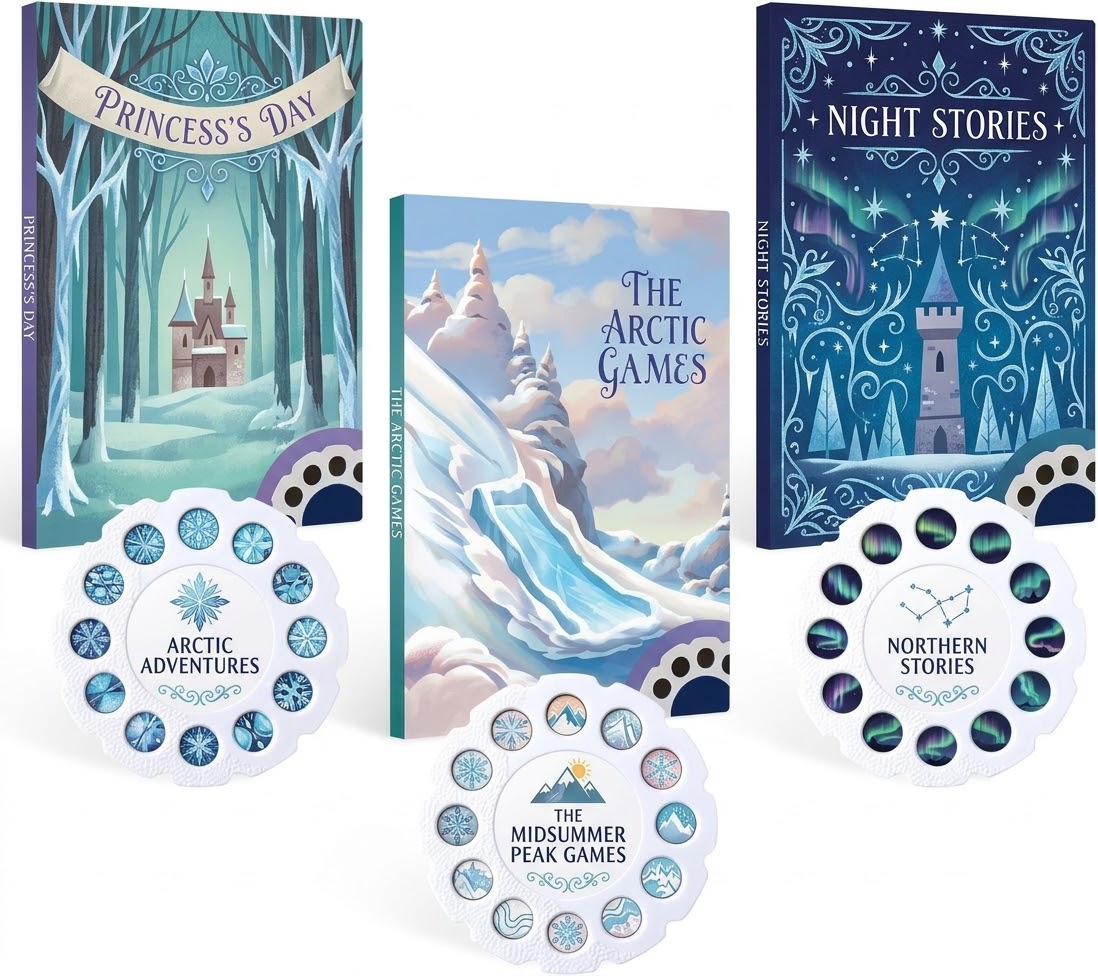
Moonlite Disney Frozen 3-Story Bundle (Projector Sold
Check Price on AmazonWas Walt Disney’s head frozen instead of his body?
No credible evidence supports that version either. The “frozen head” detail is a variation of the same rumor, often added because it seems to solve the problem created by reports of cremation. But a claim does not become factual simply because it changes shape to avoid conflicting evidence.
To support the story, there would need to be verifiable records: an organization’s documentation, reliable contemporary reporting, or clear evidence identifying where and how the head was preserved. No trustworthy evidence of that kind has emerged. The claim is repeated as folklore, not established history.
It also helps to separate a vivid image from a real procedure. Cryonics organizations that preserve human remains generally describe whole-body or brain preservation as formal arrangements, not as an undocumented object hidden in a theme park. A secret-location story needs unusually strong evidence, and the versions about Disney do not provide it.
Was Walt Disney frozen beneath Disneyland?
There is no credible evidence that Disney’s remains were stored beneath Disneyland. The location varies across retellings, with some versions naming a theme-park attraction or another concealed site. These details are part of the legend, not confirmed locations.
Disneyland opened in 1955, while Disney died in 1966. The timing may make a secret-park story feel tempting to people who associate him closely with the park. But proximity to a famous place is not proof that something happened there. The documented account places his cremated remains at Forest Lawn Memorial Park in Glendale.
For claims about hidden remains, look for a traceable source rather than an impressive-sounding location. A named facility, contemporary records, and confirmation from reliable historians would matter. A repeated internet post or a story about a sealed room does not meet that standard.
How to check claims about Disney’s remains
When a claim involves a famous person’s death, it helps to separate primary evidence from repeated retellings. A primary source is a record created close to the event, such as a contemporary report or an official document. A later article may still be useful, but it should explain where its information came from.
- Find the earliest traceable version. Look for a dated publication or record, not a post that says “everyone knows.” This helps show whether the account is contemporary or was added years later.
- Check whether independent sources agree. Several articles repeating the same unsourced claim may all rely on one rumor. Prefer accounts that identify their evidence and agree on basic facts.
- Compare the claim with documented details. In this case, reports of cremation and interment conflict with the idea that Disney’s whole body was preserved. A competing claim needs strong evidence to overcome that conflict.
- Notice when the story changes. If one version says the body, another says the head, and another names a different secret location, the changing details weaken the claim.
- Separate possibility from proof. A procedure being available, or a person seeming like someone who might be interested in it, does not show that they actually chose it.
This method is useful beyond this rumor. It can help you assess claims about celebrities, historical figures, secret medical procedures, and supposed discoveries hidden from the public. The more extraordinary the claim, the more important it is to ask what verifiable evidence supports it.
Common misconceptions about the frozen Disney story
“He was interested in the future, so he must have chosen cryonics”
Personal interests do not establish private arrangements. Disney’s interest in technology and future planning is part of his public history, but it does not prove that he signed a cryonics contract. The documented account of his remains points to cremation.
“Cryonics is the same as freezing food”
It is not. Freezing food is intended to slow spoilage, while cryonics is an attempt to preserve biological structure for a possible future revival. The proposed future revival is the unresolved part, and ordinary household freezing would not do the job claimed in the rumor.

Framendino, 16 Pack Artificial Chicken Nuggets Fake Fried Food Models Props for Kitchen Decor
Check Price on Amazon“If the funeral was private, there must have been a secret”
A private service can protect a family’s grief and personal life. It does not imply an unusual burial or preservation method. Without independent evidence, privacy should not be treated as proof of a conspiracy.
“The story has been repeated for decades, so it must be true”
Repetition makes a claim familiar, not reliable. Popular rumors can persist because they are entertaining, easy to retell, and connected to a recognizable person or place. Their age does not replace documentation.
Why the rumor continues today
The story brings together several ingredients that make a memorable urban legend: a famous figure, a secretive-sounding procedure, futuristic technology, and an iconic location. Each new retelling can add a small detail, while leaving out the less dramatic fact that credible accounts report cremation and interment.
Online searches and short videos can also blur the difference between a question and an answer. A headline asking whether Disney was frozen may be shared without its explanation. Over time, people may remember the claim but forget that it was presented as a myth.
There is also a broader fascination with the possibility of escaping death through technology. Cryonics appeals to that hope, even though revival remains unproven. The rumor about Disney gives that abstract idea a famous name and a simple story, which helps it travel.
The most useful distinction is between what people find imaginable and what records support. Disney’s reputation makes the rumor intriguing, but the historical evidence does not show that he was cryonically preserved. The better-supported account is that he was cremated after his death in 1966 and interred at Forest Lawn.
The best answer to “why do people think walt disney is frozen” is that a posthumous rumor blended his futuristic public image with growing interest in cryonics. The story became more elaborate over time, but no credible evidence shows that his body or head was preserved.
Reliable accounts say Disney was cremated and interred at Forest Lawn Memorial Park in Glendale. When you encounter a new version of the story, check for contemporary documentation and a traceable source before treating it as fact.
