was walt disney frozen or buried? The Facts
No—was walt disney frozen or buried is a question with a clear answer: Walt Disney was not cryonically frozen. He was cremated, and his ashes were interred at Forest Lawn Memorial Park in Glendale, California.
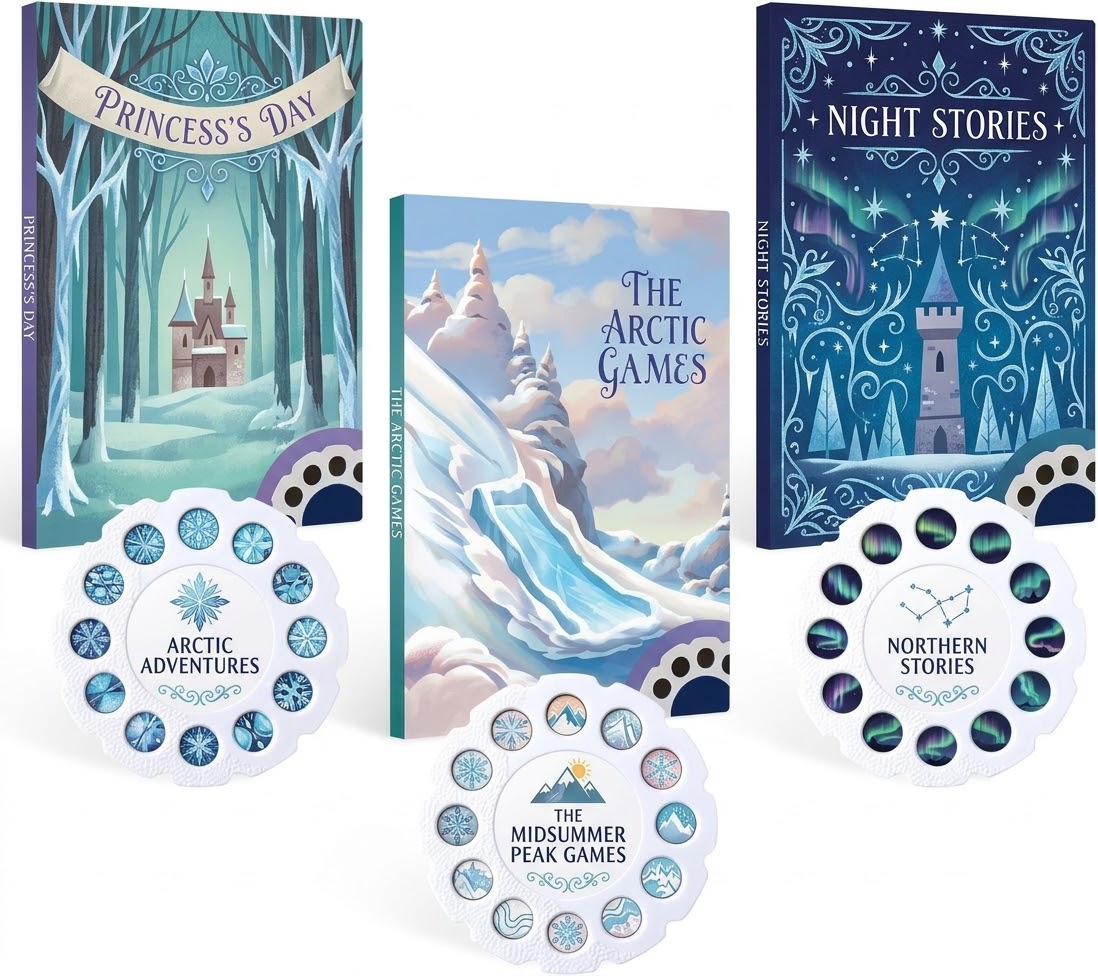
Moonlite Disney Frozen 3-Story Bundle (Projector Sold
Check Price on AmazonThe freezing story is a persistent rumor, not a documented part of his death or funeral. Here’s what is known about his final days, what happened to his remains, how cryonics fits into the timeline, and why the myth has lasted.
was walt disney frozen or buried: what happened to his remains?
Walt Disney was cremated after his death in December 1966. His ashes were interred at Forest Lawn Memorial Park in Glendale, California. He was not placed in a cryogenic chamber, and there is no reliable evidence that his body was preserved by freezing.
The word “buried” can cause confusion here. Disney was not buried in a coffin in the usual sense; after cremation, his ashes were interred. Interment means placing cremated remains or a body in a permanent resting place. So the most precise short answer is: he was cremated, and his ashes were interred.
Disney died on December 15, 1966, at St. Joseph Hospital in Burbank, California. His death followed treatment for lung cancer. The available historical accounts describe a conventional sequence of death, cremation, and interment—not cryonic preservation.
What the historical record says
The central facts are straightforward: Disney died in 1966, was cremated, and was interred at Forest Lawn. These details are consistent with accounts of his death and funeral. No credible documentation supports the claim that his body was secretly frozen.
That distinction matters because the rumor often gets repeated as if it were an established fact. A story can be widely circulated without having evidence behind it. In this case, the claims of a hidden cryogenic chamber or a frozen body do not match the documented account of his remains.
Death and final arrangements
Disney died at age 65. His lung cancer diagnosis and treatment are part of the historical record, as is the date of his death. Afterward, he was cremated, and his ashes were interred at Forest Lawn Memorial Park.
Accounts may vary in how much detail they provide about private family arrangements. That does not create evidence for a different story. The important, well-established point is that his remains were cremated and interred, rather than cryonically preserved.
What “interred” means
People often use “buried” as a broad word for a person’s final resting place. Technically, burial usually refers to placing a body in the ground or in a tomb. Interment also covers placing cremated remains in a designated resting place.
Because Disney was cremated, saying his ashes were interred is more accurate than saying he was buried in a conventional casket. Both words may appear in casual discussion, but they do not describe the same physical process.
How the frozen-body rumor took hold
The story that Disney was frozen became a durable piece of popular culture. It is often framed as a secret plan: that he arranged to have his body preserved until medicine could bring him back. But the dramatic framing is not backed by reliable evidence about his wishes or his final arrangements.
Several factors help explain why people repeat the claim. Disney was a famous innovator associated with ambitious ideas, and cryonics sounds like the kind of futuristic concept that could inspire speculation. The fact that he was cremated also gave the rumor a ready-made mystery: some versions claim his body had to be hidden or that the official account was a cover story.
Those details make a memorable tale, but they are not proof. There is a practical difference between asking whether a story sounds plausible and asking whether records support it. For this claim, the documented account points to cremation and interment, while the freezing story relies on speculation and repetition.
Why a celebrity myth can seem credible
Familiar names can make rumors feel more believable. When a story is repeated in books, articles, videos, or casual conversations, people may mistake its popularity for confirmation. Repetition does not independently verify the claim, especially when later versions trace back to the same unproven story.
Another common trap is treating secrecy as evidence. A rumor may say that no proof exists because everything was hidden. That reasoning cannot establish that the event happened; it makes the claim impossible to check by design. A careful account should rely on verifiable records, not on an explanation that turns missing evidence into support.
What cryonics is—and what it is not
Cryonics is the practice of preserving a person’s body or brain at very low temperatures after legal death, with the hope that future technology might one day repair damage and restore life. That hope is speculative. Cryonic preservation has not been shown to bring a person back to life.
Cryonics is also different from ordinary freezing. A household freezer cannot preserve a human body for future revival. Ice formation and other biological damage can harm cells and tissues. Cryonics organizations use specialized procedures and storage, but those procedures do not amount to a proven way to reverse death.
This distinction helps clear up an easy misconception: “frozen” can sound like a simple pause button. It is not. Even in modern cryonics, preservation is an attempt to maintain biological structure for a hoped-for future, not a demonstrated medical treatment that guarantees revival.
How the cryonics timeline relates to Disney
Disney died in 1966. The first widely documented human cryopreservation took place in 1967, after his death. That timeline is a useful check on the rumor, but it should be understood carefully: the later date alone does not prove what Disney did or did not arrange. The stronger point is that the documented account of his remains says he was cremated and interred.
Ideas about preserving people at low temperatures existed before Disney’s death. So it would be inaccurate to claim that nobody had imagined cryonics in 1966. But an idea being discussed is not the same as a practical, established service being used on a particular person. There is no credible evidence that Disney received cryonic preservation.
Be wary of timelines that oversimplify the issue. The useful question is not merely whether cryonics existed as an idea. It is whether there is trustworthy evidence connecting Disney to a preservation procedure. The available historical record does not establish that connection.
Frozen, cremated, or buried: the terms compared
These words describe different things, which is why choosing the right one matters. The table separates Disney’s documented arrangements from the rumor and clarifies how the terms are used.
| Term or claim | What it means | Does it describe Disney? | Best wording |
|---|---|---|---|
| Cryonically frozen | Preserved at very low temperatures after legal death, with hoped-for future restoration | No reliable evidence supports this claim | Call it an unsupported rumor |
| Cremated | The body is reduced to cremated remains through a controlled process | Yes | Walt Disney was cremated |
| Interred | Remains are placed in a permanent resting place | Yes, his ashes were interred | His ashes were interred at Forest Lawn |
| Buried in a coffin | The body is placed in a coffin and buried or entombed | No; this is not the documented account | Avoid this wording if precision matters |
The clearest description combines the two confirmed steps: Disney was cremated, and his ashes were interred at Forest Lawn Memorial Park in Glendale. “Frozen” belongs to the rumor, not to the documented account.
How to check claims about Disney’s death
If you come across a post claiming that Disney was frozen, use a few simple checks before sharing it. These steps can also help assess other celebrity death rumors.
- Look for a specific source. Check whether the claim points to a named record, a firsthand account, or a reputable historical reference. A post that only says “people know” or “it was covered up” is not evidence.
- Separate confirmed details from interpretation. His death, cremation, and interment are documented details. A secret freezing plan is an additional claim and needs separate support.
- Check when the source was created. Later retellings may repeat an older rumor without adding new evidence. Several websites repeating one claim do not necessarily provide several independent confirmations.
- Pay attention to precise wording. “Interred” does not mean “frozen,” and “buried” may be used loosely. Clear terms help prevent a small ambiguity from growing into a false story.
- Ask what would count as evidence. A dated, verifiable record would matter more than a dramatic explanation about hidden locations or secret instructions. If a claim offers no way to verify it, treat it cautiously.
A practical tip that often gets missed: check whether a source is describing Disney himself or merely explaining cryonics in general. Background information about cryonics does not establish that a particular person chose it.
Common questions about Walt Disney’s final resting place
Was Walt Disney frozen after he died?
No. He was cremated after his death, and his ashes were interred at Forest Lawn Memorial Park. The claim that he was cryonically frozen is an unsupported rumor.
Was Walt Disney buried in a cemetery?
His ashes were interred at Forest Lawn Memorial Park in Glendale, California. He was not buried in a coffin according to the documented account of his remains. In casual conversation, people may use “buried” broadly to mean a final resting place, but “cremated and interred” is more precise.
Why do people say Walt Disney was cryogenically frozen?
The story combines his fame, his association with futuristic ideas, and speculation about what happened after his death. Repetition helped it spread, but circulation is not evidence. The documented account is cremation and interment.
Could Disney have planned cryonic preservation before it became established?
People discussed low-temperature preservation before 1966, so the concept was not entirely unknown. However, there is no credible evidence that Disney arranged for it, and his documented cremation conflicts with the claim that his body was preserved for cryonic storage.
Can cryonics bring a person back to life today?
No. Cryonics remains an unproven attempt to preserve a body or brain for a possible future. It has not been demonstrated to restore a person to life.
What the rumor gets wrong
The rumor often treats cremation as a clue that something must be concealed. In reality, cremation is itself the documented disposition of Disney’s remains. There is no need to invent a hidden body to explain where he went; the historical account already explains what happened.
It also blurs three separate questions: whether cryonics was an idea, whether a person could access a preservation service, and whether Disney actually chose it. The first question does not answer the other two. Evidence about Disney’s own arrangements is what matters, and that evidence points to cremation and interment.
Finally, the story can confuse preservation with resurrection. Even if someone is cryonically preserved, that does not mean they are alive in a suspended state or certain to return. Clear explanations should distinguish a speculative preservation effort from a proven medical outcome.
Walt Disney was not cryonically frozen. He was cremated after his death in 1966, and his ashes were interred at Forest Lawn Memorial Park in Glendale, California. The freezing story remains a rumor without reliable evidence.
For a precise answer to was walt disney frozen or buried, say that he was cremated and his ashes were interred—not buried in a coffin or preserved by cryonics. If you see the rumor repeated, check whether the source provides evidence about Disney himself rather than simply describing cryonics.