was walt disney frozen or cremated? The verified answer
Walt Disney was cremated, not cryogenically frozen. After his death in 1966, his remains were cremated and interred at Forest Lawn Memorial Park in Glendale, California.
The story that Disney had his body frozen is a persistent rumor, but it is not supported by reliable records. Here’s what is known about his final arrangements, how the cryonics claim took hold, and what cryogenic preservation actually involves.
was walt disney frozen or cremated?
Walt Disney was cremated. He died on December 15, 1966, and his remains were cremated before being interred at Forest Lawn Memorial Park in Glendale, California. The claim that his body was preserved at very low temperatures is a myth, not a documented part of his funeral arrangements.
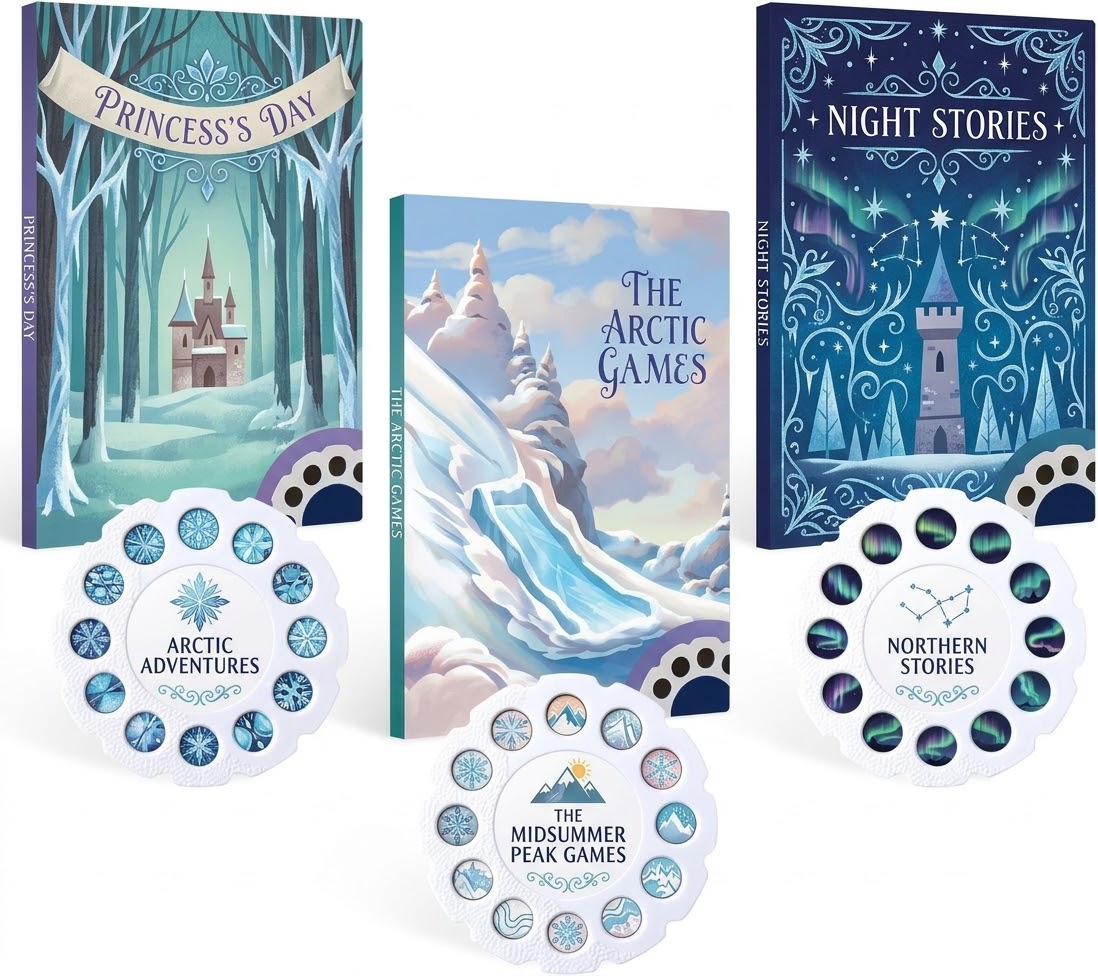
Moonlite Disney Frozen 3-Story Bundle (Projector Sold
Check Price on AmazonAccounts of Disney’s death and burial consistently describe cremation and interment. There is no credible evidence that his body was placed in cryonic storage, kept beneath Disneyland, or preserved in another location. The plain answer is that he was cremated and his remains were interred at a cemetery.
That answer can feel less dramatic than the rumor, but it is the distinction that matters: cremation reduces a body to cremated remains, while cryonics aims to preserve a body or brain at low temperatures. These are different processes, and one cannot be substituted for the other after cremation.
What happened after Walt Disney died?
Disney died in Burbank, California, at age 65. His death followed treatment for lung cancer. He was a longtime cigarette smoker, and his death is commonly reported as resulting from complications associated with lung cancer.
His funeral arrangements were private. Following cremation, his remains were interred at Forest Lawn Memorial Park in Glendale. The cemetery is a real location, but the private nature of the arrangements has not made the cryonics story true. Privacy can leave room for speculation; it does not replace the available records.
People sometimes assume a famous person’s final arrangements must have involved a public ceremony or a widely visited grave. In Disney’s case, a private service and limited public detail helped leave questions for later generations. Still, the reported cremation and interment are supported by biographical and historical accounts.
Why cremation rules out the frozen-body story
Cremation uses intense heat to reduce the body to bone fragments, which are then processed into what people commonly call ashes. Cryonics, by contrast, requires a body or brain to remain physically present so it can be cooled and stored. Once a person has been cremated, there is no intact body to place in cryonic storage.
This practical point is often missed in retellings of the rumor. The story is not simply that Disney’s body was put in a different kind of freezer. It conflicts with the documented account of cremation itself.
How did the Walt Disney cryonics rumor start?
No single, well-documented origin explains every version of the story. The rumor circulated after Disney’s death and gained strength through repeated retellings. Some versions place his body beneath Disneyland; others say it was stored in a laboratory or another secret location. These variations are a sign of folklore, not evidence of a hidden preservation plan.
The timing also makes the claim sound more plausible to some readers. Interest in cryonics was growing around the period of Disney’s death, and the idea of preserving a person for a future era attracted attention. But an idea being discussed at the time does not show that Disney chose it or that it happened to him.
Disney was associated with ambitious technology, future-focused projects, and the planned community known as EPCOT. Those public interests may make a science-fiction story about his body seem like a natural fit. They are not proof of a personal decision to undergo cryonic preservation.
Rumors can also spread because they are easy to repeat and difficult to disprove to someone who has not checked the basic facts. A secret, hidden location is especially resistant to casual verification: each retelling can add a new detail while claiming the evidence is confidential. The more reliable approach is to compare the claim with documented funeral arrangements and look for verifiable support. In this case, the documented account is cremation and interment, not cryonics.
What cryonics actually means
Cryonics is an attempt to preserve a person after legal death at very low temperatures, with the hope that future technology could repair damage and restore life. That hope is speculative. No cryonically preserved person has been revived, and cryonics is not an established way to bring someone back to life.
The process is not the same as putting a person in an ordinary freezer. In general terms, cryonics providers aim to cool the body or brain while limiting damage from ice formation. They may use chemicals called cryoprotectants, which are intended to reduce ice crystals in tissue. Long-term storage commonly uses extremely cold conditions.
Even with these procedures, preserving tissue is not the same as preserving a person’s memories, personality, or ability to live again. The biological damage caused by illness, death, cooling, and storage remains a major challenge. Claims about future revival should therefore be treated as hopes, not proven outcomes.
Most importantly for this question, cryonics has to begin before cremation. Once a body has been cremated, the physical structure that cryonics seeks to preserve no longer exists. Disney’s documented cremation is a direct reason the frozen-body claim does not fit the historical record.
Cremation, burial, and cryonics compared
These terms can get blurred in stories about celebrities. The table shows what each one means and how it relates to Disney’s documented arrangements.
| Option | What happens | Relation to Disney | Best description |
|---|---|---|---|
| Cremation | Heat reduces the body to cremated remains. | His remains were cremated. | The documented method after death |
| Cemetery interment | Remains are placed in a cemetery location. | His remains were interred at Forest Lawn Memorial Park. | The documented resting place |
| Cryonics | A body or brain is cooled and stored after legal death. | No reliable evidence shows Disney underwent this process. | The subject of the unsupported rumor |
| Ordinary freezing | A body is exposed to freezer temperatures without a cryonics preservation process. | No evidence supports this claim either. | Not the same as cryonics |
The table also highlights a common wording trap. “Frozen” can mean ordinary freezing, cryonic storage, or even a figurative claim that someone is waiting to return. None of those meanings matches the documented account of Disney’s cremation and cemetery interment.
Was Walt Disney buried at Disneyland?
No credible evidence places Disney’s remains at Disneyland. The historical accounts identify Forest Lawn Memorial Park in Glendale as the location where his remains were interred. The claim that he was buried beneath a Disneyland attraction is part of the same rumor family as the cryonics story.
Disneyland opened in Anaheim in 1955, more than a decade before Disney died. Its association with his name and legacy makes it an easy setting for a dramatic story, but the park is not the documented place of his interment. There is no reliable evidence that his remains were hidden beneath an attraction or elsewhere on the property.
When checking a story like this, separate three questions: where a person died, what happened to the body, and where the remains were placed. A rumor may mix these details together. For Disney, the documented sequence is death in Burbank, cremation, and interment at Forest Lawn in Glendale.
Why the rumor continues to circulate
The story combines celebrity, secrecy, and a science-fiction idea. That combination makes it memorable, even when the underlying claim lacks evidence. A repeated rumor can feel familiar enough to seem true, especially when it appears in lists of supposed celebrity secrets or gets repeated without a source.
Another reason is that the phrase “Walt Disney was frozen” is often used as a joke or shorthand. Over time, people may repeat it as a factual claim without checking whether it began as humor, speculation, or a deliberate hoax. Repetition alone does not turn a story into a documented event.
The practical check is simple: ask what evidence would be expected if the story were true. A cryonics arrangement would involve a preservation provider and a body or brain that had not been cremated. The available historical account instead describes cremation and cemetery interment. That mismatch is more important than the rumor’s changing details.
How to check claims about famous people’s final arrangements
Celebrity death stories can mix verified facts with guesses. A few checks can help you avoid repeating a false claim, whether it concerns cryonics, a secret burial, or another supposed hidden arrangement.
- Look for the basic documented account. Check reputable biographies, established historical references, and reporting that identifies where its information comes from. See whether those sources agree on the death and funeral arrangements.
- Separate evidence from explanation. A claim that someone was interested in the future or technology is not evidence that the person chose cryonics. A possible motive is not proof that an event occurred.
- Check whether the claim is physically possible. Cremation and cryonic storage require different conditions. If a source says both happened to the same body, it should explain how that could be true and provide evidence.
- Be cautious with secret-location stories. A story that changes the supposed location from one retelling to another deserves extra scrutiny. Ask whether a source provides verifiable details rather than simply insisting the information is hidden.
- Follow the claim back to its source. If many pages repeat the same sentence but point to no reliable record, they may all be copying one another. Repetition across websites is not independent confirmation.
This method is useful beyond Disney. It keeps a vivid story from being mistaken for a historical fact, and it helps distinguish documented arrangements from speculation about what a person might have wanted.
Common questions about Walt Disney’s remains
Was Walt Disney’s body put in a freezer?
No reliable evidence supports that claim. The documented account says Disney was cremated, and his remains were interred at Forest Lawn Memorial Park in Glendale. A conventional freezer would not be the same thing as cryonic storage in any case.
Was Walt Disney’s head cryogenically frozen?
No credible evidence shows that Disney’s head was preserved separately. The story most often says his whole body was frozen, but versions differ; none is supported by reliable documentation. His reported cremation also conflicts with the idea that his head was kept in cryonic storage.
Is Walt Disney buried under a Disneyland ride?
No. His remains were interred at Forest Lawn Memorial Park, not beneath a ride or another location at Disneyland. The park story is an unsupported variation of the broader frozen-body rumor.
Can a person be cryonically frozen after cremation?
No. Cryonics requires physical tissue to preserve, while cremation destroys the body’s structure through heat. Cremated remains cannot be used to recreate the body for cryonic storage.
Can cryonics bring someone back to life today?
No person preserved through cryonics has been revived. The practice is based on the hope that future technology may make revival possible, but that outcome has not been demonstrated. It should not be described as a proven way to return from death.
Where are Walt Disney’s remains?
Historical accounts identify Forest Lawn Memorial Park in Glendale, California, as the place where his cremated remains were interred. The arrangements were private, which is one reason public curiosity and rumors have persisted.
Walt Disney was cremated, and his remains were interred at Forest Lawn Memorial Park in Glendale. The story that his body was cryogenically frozen is not supported by reliable evidence.
When you encounter the rumor, compare it with the documented funeral account and remember that cremation is incompatible with preserving an intact body for cryonics. That simple distinction clears up the claim.