when was frozen yogurt day? The annual date explained
When was frozen yogurt day? In the United States, National Frozen Yogurt Day is observed every year on February 6. The date stays the same from year to year, though shop promotions and local events can vary.
This guide explains what the observance means, what is known about its origins, and how it differs from the history of frozen yogurt itself. You’ll also find easy ways to celebrate, tips for choosing toppings, and answers to common questions about the dessert and its annual day.
When was frozen yogurt day each year?
National Frozen Yogurt Day falls on February 6 every year in the United States. It is an annual food observance, not a holiday with a different date each year. If you are planning a treat or event, February 6 is the date to mark on your calendar.

Framendino, 16 Pack Artificial Chicken Nuggets Fake Fried Food Models Props for Kitchen Decor
Check Price on AmazonThe weekday changes because the date is fixed while the calendar moves. A shop might hold a promotion on February 6, extend it to a weekend, or skip a promotion altogether. Those business choices do not change the observance date.
There is no need to calculate the date based on a season or a particular weekday. February 6 is the reliable answer, whether it falls on a weekday or weekend. Check a local shop’s current details before making plans, since participation and offers are not universal.
What National Frozen Yogurt Day recognizes
The day is a lighthearted opportunity to enjoy frozen yogurt and draw attention to a dessert that can be served plain or customized with toppings. Like many food observances, it is commonly promoted by businesses, food websites, and people sharing recipes or treats. It is not a public holiday that closes schools or government offices.
That distinction matters if you are looking for an official celebration or a guaranteed deal. The observance has a recognizable annual date, but there is no single required ceremony, national event, or standard discount attached to it. Stores decide independently whether to mark the day and what, if anything, to offer.
For most people, the simplest way to take part is to order a cup, share a frozen yogurt cake, or make a batch at home. You can also treat the date as a reason to try a flavor or topping combination you have not had before. There is no formal way to celebrate, so the choice is yours.
Who started the observance?
A single, well-documented founder or launch year for National Frozen Yogurt Day is not widely established. Online calendars and food-related sources commonly list February 6, but they do not consistently provide a verifiable account of who selected that date or when the observance began. It is more accurate to treat the date as an established annual tradition than to assign it a precise origin without reliable evidence.
This is different from saying that frozen yogurt itself has no history. The dessert developed as a commercial food product over time, while the annual observance is a separate custom. A date attached to a food day does not, by itself, identify the year the food was invented or the person who first made it.
If you see a claim that a particular company or individual created the day, look for a credible record that supports it. Repeated claims on holiday calendars are not necessarily independent confirmation. The practical answer remains clear even when the observance’s exact origin is uncertain: February 6 is the date generally recognized in the United States.
Frozen yogurt day versus the history of frozen yogurt
The phrase “frozen yogurt day” can lead to two different questions: the date of the annual observance, and the history of the dessert. The first has a straightforward calendar answer. The second is less tidy because frozen yogurt changed as producers adjusted recipes, textures, and flavors.
Yogurt has a long food history, but freezing yogurt into a dessert is a more recent commercial development. Frozen yogurt became more familiar in the United States as a shop and packaged-dessert option in the late twentieth century. Early products could taste notably tangy, while later versions often became sweeter and creamier to suit more customers.
There is no single universally accepted “birthday” for modern frozen yogurt. A brand may describe when it launched its own product, but that is not necessarily the invention date for the broader category. Keep the two timelines separate: February 6 marks the annual observance, not a proven anniversary of frozen yogurt’s creation.
How frozen yogurt compares with other frozen desserts
Frozen yogurt and ice cream can look similar in a cup, but they are not interchangeable terms. Their ingredients and preparation vary by product, and flavor, texture, and nutrition depend on the recipe and portion. The word “yogurt” on a label does not automatically mean a serving is low in sugar or calories.
| Dessert | What it is generally made from | Typical taste or texture | Best for |
|---|---|---|---|
| Frozen yogurt | A yogurt-based mix, often with sweeteners and other dairy ingredients | Can be tangy, sweet, creamy, or soft-serve style | A customizable treat with yogurt flavor |
| Ice cream | A dairy mixture made with cream or milk, sweetener, and flavorings | Often rich and creamy, though recipes differ | A classic dense or scoopable dessert |
| Sorbet | Usually fruit, water, and sweetener, without dairy in a traditional recipe | Fruity and refreshing, with a smooth or icy texture | A fruit-forward option without dairy ingredients |
| Gelato | A frozen dairy dessert made with milk, sweetener, and flavorings | Often dense and served slightly warmer than hard ice cream | A compact, intensely flavored serving |
These are broad descriptions, not guarantees for every product. A recipe can include ingredients that change the taste, texture, or dietary suitability. If you have an allergy or need to avoid a specific ingredient, read the product label or ask the shop rather than relying on the dessert name.
How to celebrate on February 6
You do not need a large gathering or special equipment to mark the day. A small serving can be enough, and homemade options make it easy to choose the flavor and toppings. Use these practical ideas to match the celebration to your schedule.
- Visit a frozen yogurt shop. Check its hours, flavor list, and promotion details before you go. If the shop is busy, a take-home option or a visit at a quieter time may be easier.
- Make a topping bar at home. Put out a few choices, such as fresh fruit, chopped nuts, granola, or a small amount of sauce. Keeping portions modest lets the yogurt flavor come through.
- Serve frozen yogurt with a simple dessert. Add a scoop beside fruit or cake, or use it to make a layered parfait. Choose ingredients that hold their texture rather than leaving crunchy toppings sitting in the yogurt for a long time.
- Try a new flavor in a small portion. A single-serving cup is a low-commitment way to sample a tart, fruit, or chocolate flavor. This is especially useful when a shop offers many choices.
- Make it a family activity. Let each person choose one flavor and two toppings. A simple limit keeps the topping table manageable and avoids turning a quick treat into a large food-waste problem.
If February 6 does not work for your plans, celebrating on another day is fine. The date identifies the annual observance; it does not set a rule about when people may eat frozen yogurt. A delayed get-together does not make the treat less appropriate.
Choosing frozen yogurt and toppings
At a self-serve shop, start with a small amount of each flavor you want to try. It is easy to add more, but a large first serving can make it harder to notice the flavor and can leave you with more than you want. If the shop allows samples, use them to compare flavors before filling a cup.
Think about contrast when you choose toppings. Fresh berries can add a soft, tart note; granola or chopped nuts add crunch; and syrup adds sweetness. One or two contrasting toppings often make a more balanced cup than a pile of ingredients with similar sweetness and texture.
Keep toppings separate until you are ready to eat if you are serving the dessert later. Crunchy ingredients soften when they sit against moisture, while fruit can release juice. For a make-ahead dessert, store the toppings separately and add them just before serving.
Pay attention to portion size, especially with self-serve pricing based on weight. A cup can become heavy quickly when you add dense toppings such as candy, cookie pieces, or nuts. Filling it halfway, weighing it if a scale is available, and then deciding whether you want more can prevent an unexpectedly large serving.
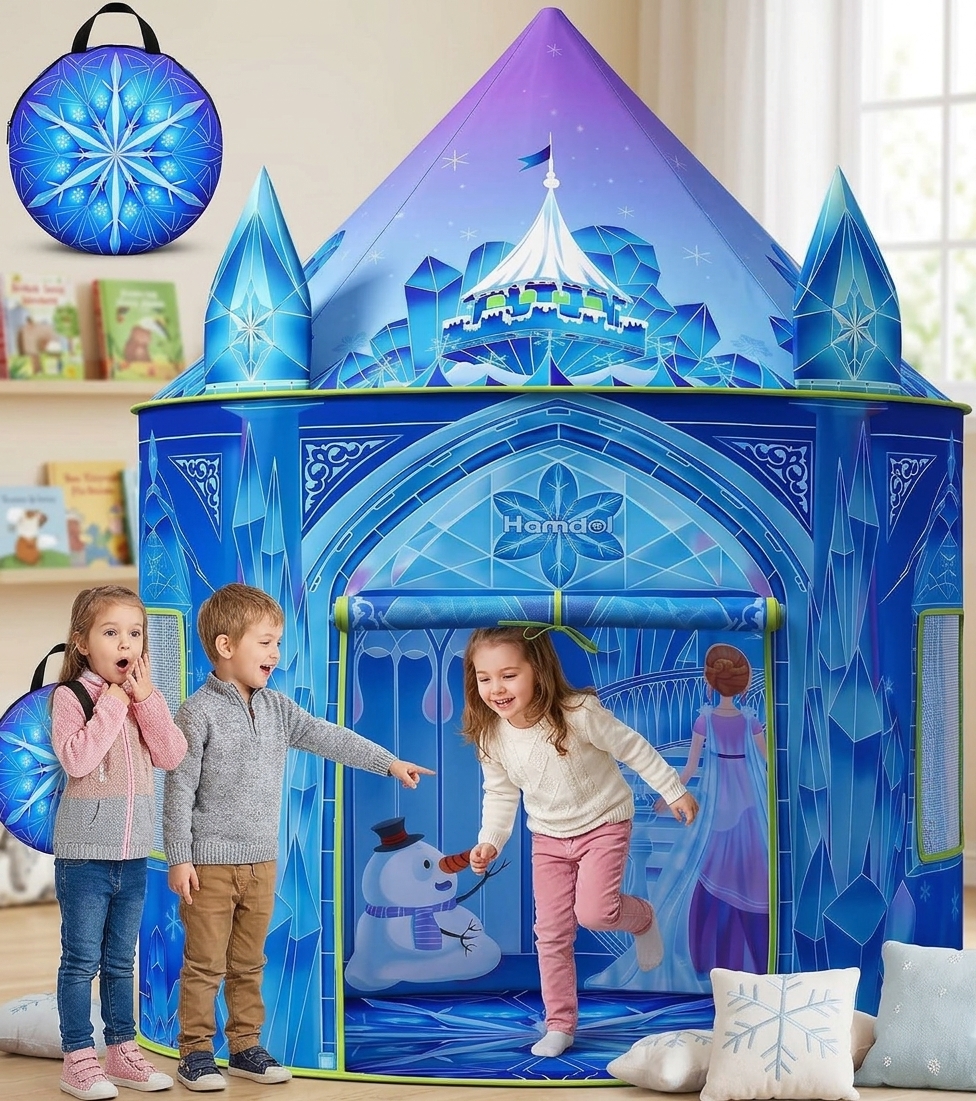
Princess Play Tent for Girls, Frozen Toy, Ice Castle Kids Playhouse for Indoor & Outdoor
Check Price on Amazon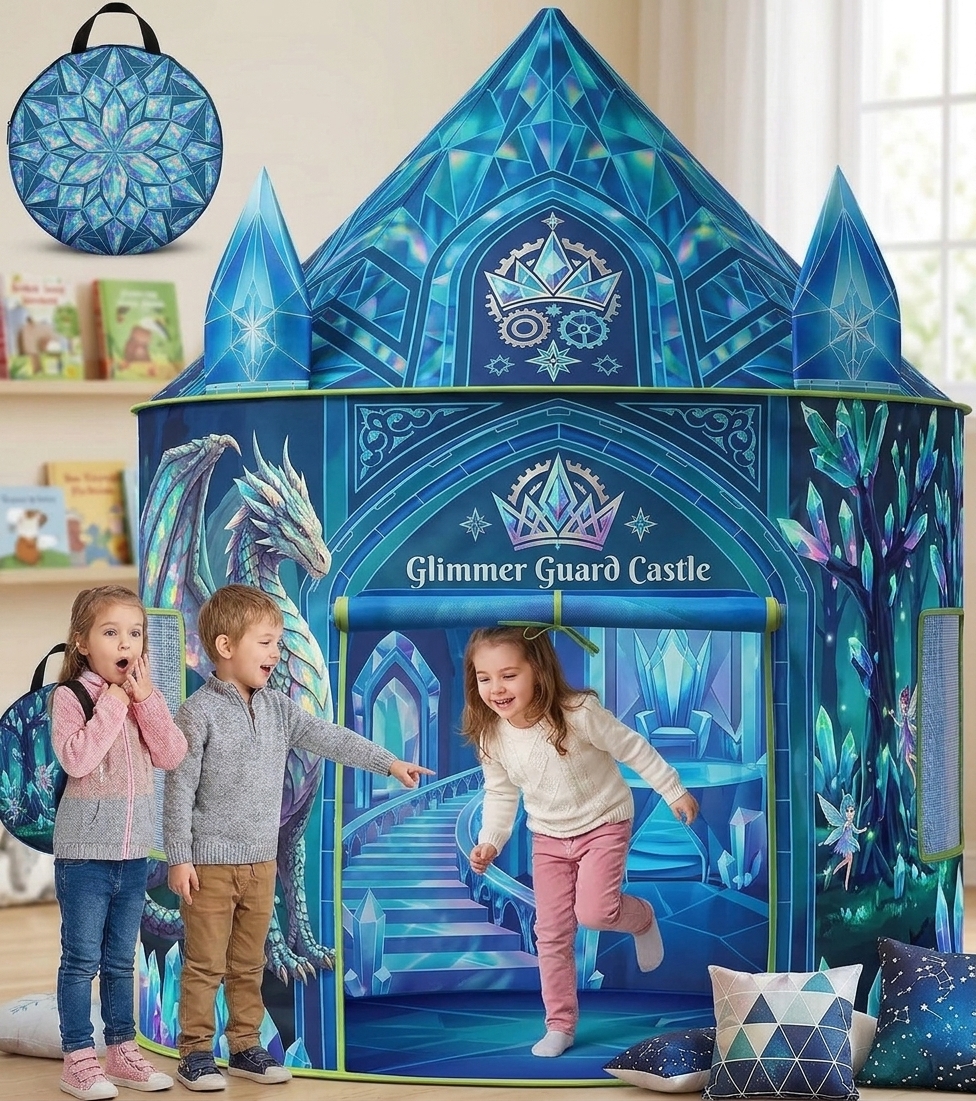
Princess Pop Up Play Tent, Frozen Toys for Girls
Check Price on Amazon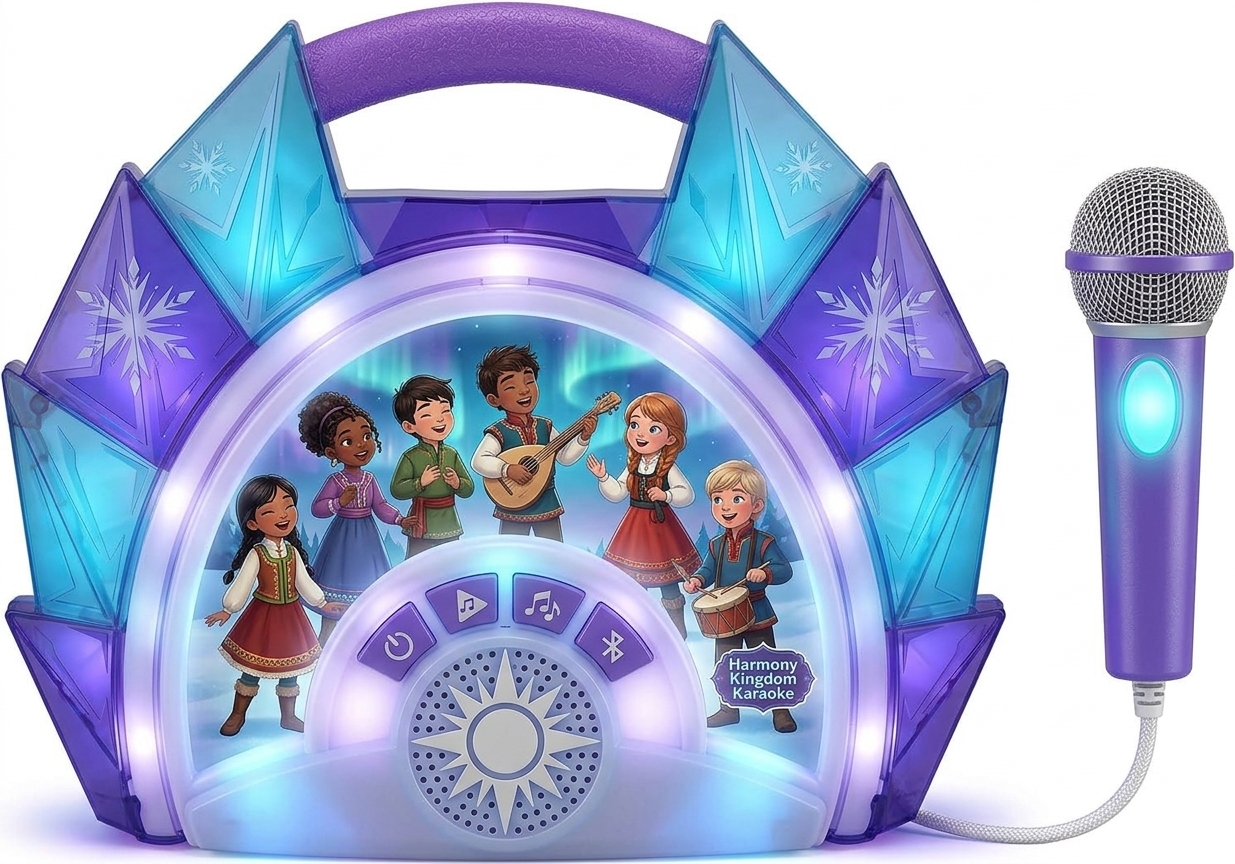
eKids Disney Frozen Karaoke Microphone with Bluetooth Speaker for Fans of Disney Toys
Check Price on AmazonFrozen Toys,Night Light Projector With 19 Films+15 Music,Girl Gifts For 2-6
Check Price on AmazonDoes frozen yogurt contain live cultures?
Some frozen yogurt products contain live bacterial cultures, but you cannot assume that every product does. Processing, storage, and the recipe can affect whether cultures remain in the finished dessert. The product label or information from the manufacturer is the best way to check a specific item.
Even if a product contains live cultures, that does not make it identical to a serving of plain refrigerated yogurt. Frozen yogurt may contain added sugar, flavorings, and other ingredients, and the amount eaten matters. Treat it as a dessert first, rather than assuming that the word “yogurt” makes it a health food.
People who need to limit sugar, dairy, or particular ingredients should check the nutrition and allergen information. Shop recipes can differ by flavor, and toppings add their own ingredients. Ask staff about cross-contact if you have a serious allergy; shared scoops and topping containers can matter.
Common misconceptions about the date
It is not the same date every year on the calendar
The observance date is fixed at February 6, but the weekday changes. That is why one year it may fall on a weekend and another year on a weekday. The changing weekday can affect a shop’s promotion schedule, not the date itself.
It does not mark the invention of frozen yogurt
February 6 is the day associated with the annual observance. There is no widely confirmed evidence that it marks the first production or sale of the dessert. A company’s product launch date and a food observance date are separate facts.
It does not guarantee a free serving or discount
Some businesses may run an offer, but no universal promotion applies. A deal shown in an old post may have expired or may have been limited to a particular location. Confirm the current terms directly with the shop before making a trip.
It is not necessarily observed identically everywhere
February 6 is the commonly recognized U.S. date. Food observances may be listed differently by calendars in other countries, and some places may not mark the day at all. If you are planning an event outside the United States, check local listings rather than assuming the date is universal.
Planning a frozen yogurt day event
For a classroom, office, or family event, decide first whether the dessert will be purchased or made at home. Buying individual servings can simplify setup, while a topping bar offers more choice but requires serving tools, labels, and cleanup. The right approach depends on the number of guests and available storage.
Ask about dietary needs before choosing flavors and toppings. Provide clear labels for common allergens, and keep serving utensils from moving between containers. If a guest has a serious allergy, labels alone may not be enough; confirm ingredients and possible cross-contact with the source of the food.
Keep frozen items cold until serving and avoid leaving them out longer than necessary. Set out smaller amounts at a time if the event lasts, then replenish from properly stored containers. This helps maintain texture and reduces the chance of melting and refreezing.
For an easy menu, pair frozen yogurt with fruit and a few toppings rather than offering a large range of sweets. Put crunchy items in separate bowls and add them at serving time. That small planning detail improves texture and makes leftovers easier to store.
Quick answers about the annual date
What date is National Frozen Yogurt Day?
It is observed on February 6 each year in the United States.
Does the date change each year?
No. The calendar date stays February 6, though its weekday changes.
Is National Frozen Yogurt Day an official public holiday?
No. It is a food observance, not a federal public holiday or a day when businesses must close.
Who created National Frozen Yogurt Day?
A single creator and a firmly documented start year are not widely established. February 6 is the date commonly listed for the observance.
Are there guaranteed deals on the day?
No. Promotions depend on the individual business, location, and year. Check with a participating shop for current details.
Can you celebrate on another day?
Yes. The observance falls on February 6, but you can enjoy frozen yogurt or hold an event whenever it suits you.
National Frozen Yogurt Day is observed on February 6 each year in the United States. The date marks a food observance, not a confirmed anniversary of frozen yogurt’s invention, and shop offers are not guaranteed.
For a simple way to celebrate, check a local shop’s current details or set out a few toppings at home. Keep crunchy toppings separate until serving, and choose a portion that feels right for you.
