is frozen 2 a prequel? The Timeline Explained
No, is frozen 2 a prequel? No. Frozen II is a sequel to Disney’s Frozen, and its main story takes place after the first film.
The confusion makes sense: the movie opens with a flashback and spends time explaining events from the sisters’ past. Those scenes add context, but they do not change where the film belongs in the timeline.
Here’s how the two movies connect, what the flashbacks reveal, and the simplest order to watch them. You’ll also see why Frozen II can feel like an origin story even though it continues Anna and Elsa’s story.
Is frozen 2 a prequel? No—it continues the first movie
Frozen II is a direct sequel to Frozen. Its central events happen after Elsa has become queen of Arendelle and after Anna and Elsa have repaired their relationship. The film follows what happens when Elsa hears a mysterious voice and a disturbance awakens the elemental spirits around the Enchanted Forest.
A prequel tells a story set before an earlier-released work. Frozen II does show events from the past, but its main plot moves forward from the ending of Frozen. The sisters, Kristoff, Olaf, and Sven are all living with the consequences of the first film’s events when the new adventure begins.
Think of the movie as a continuation with important flashbacks, not a story that takes place before the original. Those glimpses into the past help explain the present-day mystery and give Anna and Elsa new questions to answer.
Where Frozen II fits in the story timeline
The easiest way to place the movies is to follow the order of events on screen. First comes Frozen, which introduces the sisters, Elsa’s ice powers, and the crisis that separates them. Frozen II follows, taking place about three years after the first movie’s events.
The sequel’s opening includes a memory from the sisters’ childhood. After that prologue, the main story returns to the adult Anna and Elsa and moves forward from the first film. The past and present are connected, but they are not the same timeline.
| Film or story | Place in the timeline | What it covers | Best for |
|---|---|---|---|
| Frozen | First | Elsa’s coronation, the sisters’ separation, and their reunion | Beginning the main story |
| Frozen II | After Frozen | The Enchanted Forest, the spirits, and the sisters’ family history | Continuing Anna and Elsa’s story |
| Frozen Fever | Between the two films | A short birthday story for Anna | Seeing a brief adventure between films |
| Olaf’s Frozen Adventure | After the first film | Olaf looks for a holiday tradition for the sisters | A seasonal short featuring the original group |
The two feature films are the essential viewing order: watch Frozen first, then Frozen II. The short films add extra moments, but they are not required to understand the sequel’s main plot.
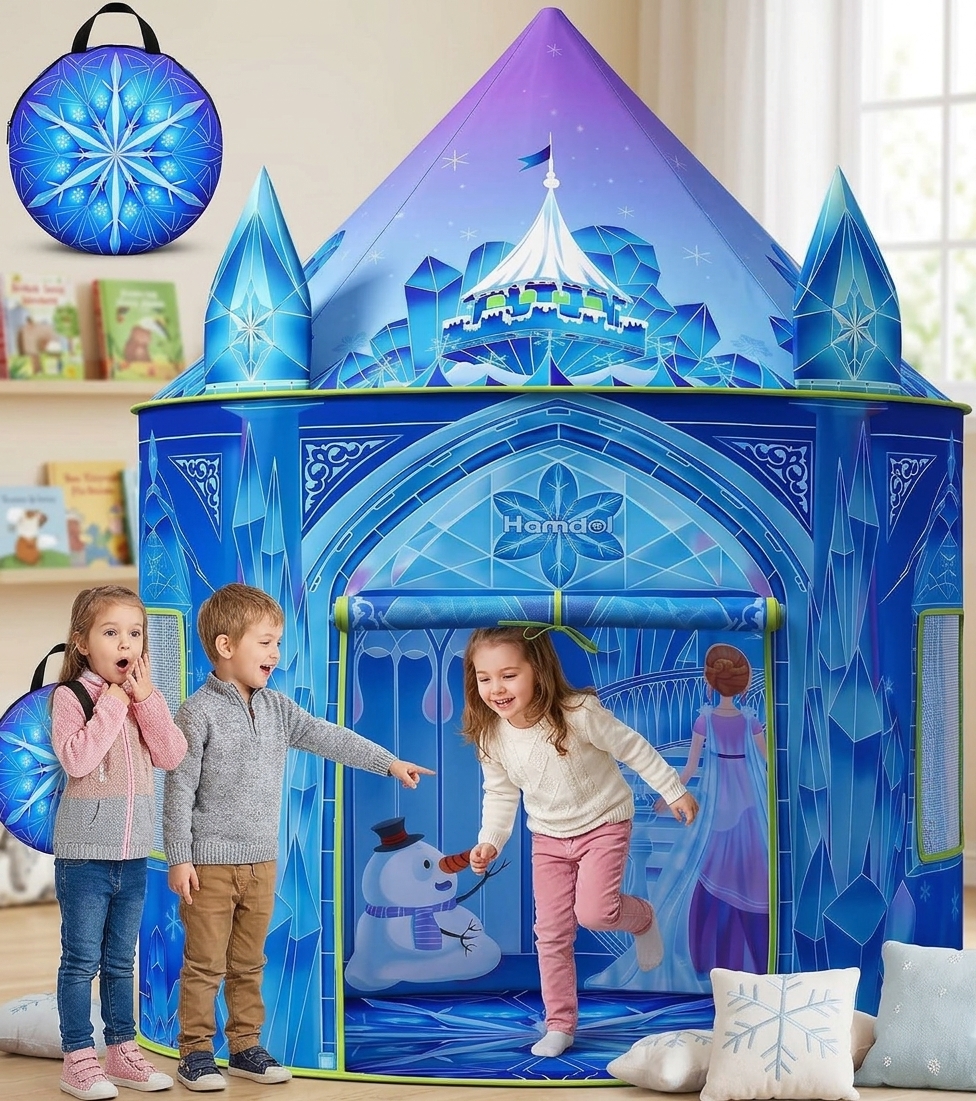
Princess Play Tent for Girls, Frozen Toy, Ice Castle Kids Playhouse for Indoor & Outdoor
Check Price on Amazon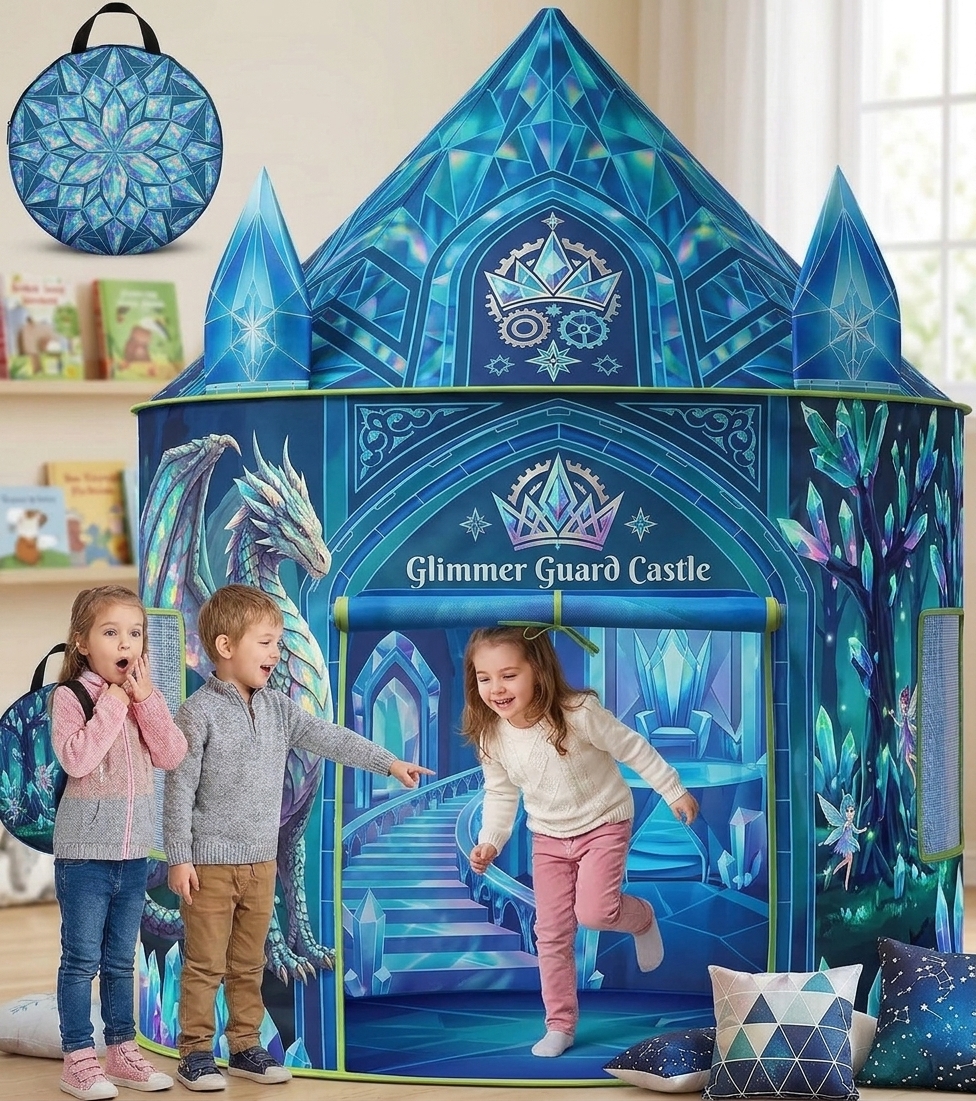
Princess Pop Up Play Tent, Frozen Toys for Girls
Check Price on Amazon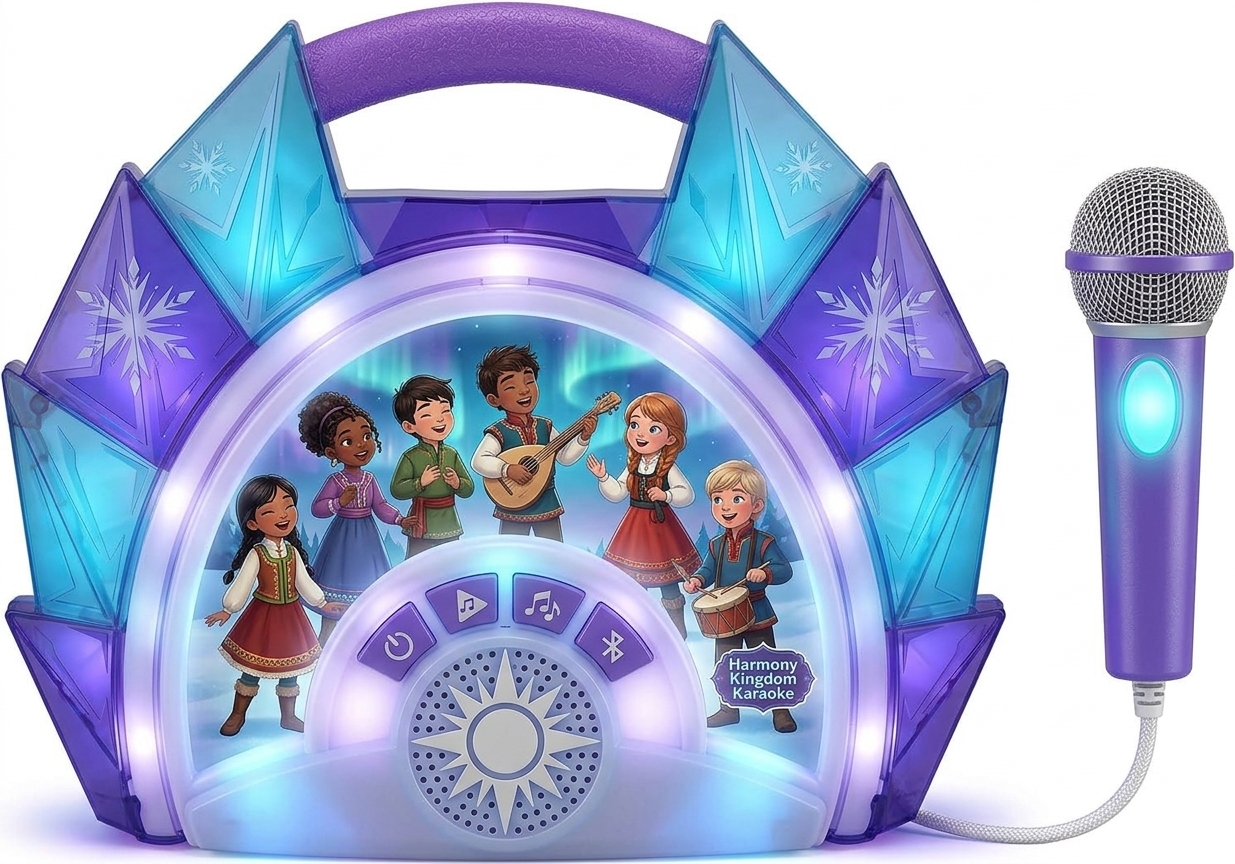
eKids Disney Frozen Karaoke Microphone with Bluetooth Speaker for Fans of Disney Toys
Check Price on AmazonFrozen Toys,Night Light Projector With 19 Films+15 Music,Girl Gifts For 2-6
Check Price on AmazonWhy the opening flashback can make it feel like a prequel
The movie begins with a story from Anna and Elsa’s childhood. Their father, Agnarr, tells them about the Enchanted Forest and a gathering between Arendelle’s people and the Northuldra. A conflict breaks out, and the forest becomes hidden behind a wall of mist.
That prologue is a flashback: a scene that shows an earlier event within a story set later. It introduces details that matter to the mystery Elsa faces as an adult. It does not mean the entire movie takes place before Frozen.
The difference is important. A movie can spend time in the past while remaining a sequel. In Frozen II, the past supplies clues, while the present-day characters make the decisions that carry the plot forward.
What the past reveals about Anna and Elsa’s family
The memories and discoveries in the sequel add context to the sisters’ parents and the history between Arendelle and the Northuldra. Anna and Elsa learn that the story they heard as children left out important facts about the conflict. Their journey gives them a chance to understand what happened rather than simply accept the version passed down to them.
The film also links Elsa’s family history to her connection with the Enchanted Forest. The elemental spirits—associated with fire, water, earth, and air—are part of the mystery she is trying to understand. Elsa’s journey is not just a search for the source of a voice. It also asks what responsibilities come with her unusual connection to magic and the natural world.
That gives the sequel an origin-story quality. It fills in background about Elsa and the events that shaped her family. But it does not retell her childhood as the main story or replace the events of the original film.
How Frozen II builds on the first film
The first film centers on Anna and Elsa learning to trust and reconnect with each other. Elsa has spent years hiding her powers, while Anna is determined to reach her sister. By the end, their relationship has changed, and Elsa is no longer ruling from fear.
The sequel starts from that new foundation. Anna and Elsa are close, and Elsa is ruling Arendelle. Their challenge is no longer simply whether the sisters can find one another. It is whether they can face an unsettling history and decide what must be done about its effects.
Several familiar characters also have new concerns. Kristoff tries to find the right way to ask Anna to marry him. Olaf is curious about growing up and the changes around him. These storylines give the group personal stakes alongside Elsa’s larger mystery.
The sequel’s themes develop the original’s ideas about love and family. It adds questions about truth, responsibility, and repairing harm. That change in focus is another sign that the movie is moving the story ahead rather than returning to an earlier point.
Is Frozen II an origin story for Elsa’s powers?
It provides more context, but it is not a simple explanation that reduces Elsa’s powers to one flashback. The movie connects Elsa’s family, the Northuldra, and the spirits to her place in the story. It also gives her a larger role in the relationship between people and the natural forces of the forest.

Disney Frozen Kids' Bezel Stainless Steel Time Teacher Analog Nylon Strap Watch
Check Price on AmazonElsa’s journey is about learning what her connection means, not just receiving a neat account of how her powers began. By the end, she understands more about her purpose and makes a choice about how to live. The film leaves some parts of magic mysterious, which fits the fairy-tale world rather than treating every detail like a rulebook.
So, if you are watching for an explanation of Elsa’s abilities, expect added context and a new understanding of her role—not a standalone prequel about the first moment she used magic.
Do you need to watch Frozen before Frozen II?
Yes, watching Frozen first makes the sequel easier to follow. The second movie assumes you already know who Anna and Elsa are, how their relationship changed, and why Elsa’s powers matter. It does provide new information, but it is not designed as an introduction to the characters.
If you have already seen the first film, you can go straight to Frozen II. You do not need to watch every short film beforehand. The shorts are optional additions, not missing chapters needed to understand the feature-film plot.
- Start with Frozen. This establishes the sisters, their family, and the central events that the sequel builds on.
- Watch Frozen Fever if you want a short extra. It is a brief birthday story set after the first film.
- Watch Olaf’s Frozen Adventure if you want another side story. It follows Olaf as he searches for a holiday tradition for Anna and Elsa.
- Finish with Frozen II. The sequel continues the main story and brings the earlier history into focus.
For a first-time viewer, release order is also the simplest choice. It matches the way the audience meets the characters and avoids mistaking a flashback for the start of the whole story.
Common mix-ups about Frozen II’s timeline
“It starts in the past, so it must be a prequel.”
A flashback is not the same as a prequel. The opening shows an earlier event to explain the conflict, then the main story follows the characters after the original film.
“It explains Elsa’s past, so the whole story is about her childhood.”
The past matters, but adult Elsa and Anna drive the present-day plot. The childhood scenes and historical discoveries support their choices in the sequel.
“You must watch the short films to understand the sequel.”
The shorts provide extra character moments, but the feature films carry the main story. If you have only watched Frozen, you can still follow Frozen II without tracking down every extra release.
“A sequel can’t include an origin story.”
A sequel can reveal how earlier events shaped its characters. That background can make the new story feel like an origin story without changing its place in the timeline.
What most viewers get wrong about the timeline
The most common mistake is treating any large flashback as proof that a film is set before its predecessor. The better test is to ask which events occupy most of the movie and what point the main characters have reached when that story begins.
For Frozen II, the answer is clear: its main characters have already lived through the first film’s events. The flashback explains a problem that reaches into the present; it does not move the sequel’s main action to an earlier period.
A useful viewing tip is to keep the opening prologue separate from the main timeline in your mind. Once the film returns to Anna and Elsa as adults, follow the present-day plot first. The memories and revelations make more sense as answers to questions raised during that journey.
How the sequel’s ending fits the timeline
The ending also confirms that the story has moved forward. Anna and Elsa make new choices based on what they have learned, and their roles change. The sisters remain connected, but the way they serve their communities is not simply a reset to the situation at the end of the first film.
This is a continuation, not a retelling. The consequences of the sisters’ discoveries shape their next steps, while the first movie remains the starting point for understanding their relationship. The closing developments leave room for viewers to imagine what comes next without turning the film into a story set before the original.
In short, the film looks backward to explain a hidden chapter and looks forward through the decisions Anna and Elsa make. Both directions matter, but the present-day story is what places it after Frozen.
Frozen II is a sequel, not a prequel. Its main story follows the first film, while flashbacks and discoveries about the past explain the mystery Elsa faces.
For the clearest timeline, watch Frozen before Frozen II; the short films are optional. If the opening makes the timeline seem unclear, treat it as background to the sequel’s present-day events.