do frozen desserts have milk? How to check
Some frozen desserts contain milk, and others do not. Ice cream and many creamy frozen treats are dairy-based, while products such as some sorbets and fruit pops may be made without milk. The name alone does not tell you which ingredients a specific product contains.
This guide explains which frozen treats commonly contain dairy, how to read ingredient and allergen labels, and what terms such as “non-dairy” and “lactose-free” actually mean. You will also find practical tips for choosing a dessert if you have a milk allergy, avoid dairy, or simply want to know what is in your treat.
Do frozen desserts have milk? The short answer
Some do, but not all. Ice cream, frozen custard, and many creamy frozen desserts are made with milk, cream, or other dairy ingredients. Other frozen treats, including some fruit pops, sorbets, and plant-based frozen desserts, may be made without dairy.
“Frozen dessert” is a broad description, not a promise about ingredients. A product can be frozen and sweet without being made from milk, but a creamy texture does not prove that it is dairy-free. Manufacturers can use milk, coconut, soy, oats, nuts, fruit, or a mix of ingredients to create a similar texture.
To know for sure, check the product’s ingredient list and allergen statement. If you have a milk allergy, do not rely on the product name, flavor, or front-of-package wording alone.
Which frozen desserts commonly contain dairy?
Many familiar frozen desserts are made with dairy because milk and cream add richness, body, and a smooth texture. The exact recipe varies by product and manufacturer, so these examples are useful clues rather than guarantees.
- Ice cream: Often made with milk or cream, and it may also contain milk ingredients such as whey or nonfat dry milk.
- Frozen custard: Typically made with dairy and egg yolks. Check the package for the full ingredient list and allergen information.
- Gelato: Commonly contains milk, though recipes differ. Its name does not mean it is dairy-free.
- Milkshakes and frozen dairy drinks: Usually contain milk, ice cream, or both.
- Many frozen yogurt products: Often contain dairy, even if their tart flavor makes them seem lighter than ice cream.
- Chocolate-coated bars and sandwiches: The filling, coating, cookie, or other component may contain milk.
Milk can also appear in less obvious forms. Ingredients such as whey, casein, milk powder, butter, and cream are dairy-derived. A product can contain one of these even if its name emphasizes fruit, chocolate, or another flavor.
Which types may be dairy-free?
Some frozen treats are often made without milk, but recipes vary. “Often” is not the same as “always,” so read the label before buying if avoiding dairy matters to you.
- Fruit pops: Products made mainly from water, fruit, and sugar may not contain dairy. Cream-filled or creamy varieties can contain milk.
- Sorbet: Traditionally made from fruit, water, and sweetener, and often dairy-free. Check the ingredients because recipes and product names can vary.
- Plant-based frozen desserts: These may use oat, soy, coconut, almond, cashew, or other plant ingredients instead of milk.
- Some ice pops and slush-style treats: Water-based versions may be milk-free, while certain flavors or added coatings can include dairy ingredients.
A product may contain no milk as an ingredient but still be made on shared equipment with milk-containing foods. That distinction matters especially for people with a milk allergy. A package’s advisory statement may warn about shared equipment or possible cross-contact, but the wording and details can vary.
Frozen dessert types at a glance
Use this table as a starting point, not as a substitute for the package. Ingredients differ among brands, flavors, and recipes.
| Type | Typical milk status | What to check | Best for |
|---|---|---|---|
| Ice cream | Usually contains dairy | Milk, cream, whey, casein, and allergen statement | People looking for a classic creamy treat who eat dairy |
| Frozen custard | Usually contains dairy | Milk ingredients and egg allergen information | People who want a rich frozen dessert |
| Frozen yogurt | Often contains dairy | Milk ingredients; do not assume yogurt means low-lactose or dairy-free | People who want a tangy, yogurt-style dessert |
| Sorbet | Often dairy-free | Milk ingredients, coatings, and any shared-equipment warning | People seeking a fruit-forward option, if the label fits their needs |
| Fruit pop | May be dairy-free | Whether the recipe is water-based or cream-based | People who want a simple, refreshing frozen treat |
| Plant-based frozen dessert | Made without dairy ingredients when accurately labeled | Milk allergen warnings and the plant base, such as oat or soy | People avoiding dairy by preference or diet |
How to read the label for milk
Start with the ingredient list, then check the allergen information. Both parts matter: the ingredient list tells you what is in the product, while the allergen declaration can make a major allergen easier to spot.
- Read the product name, but do not stop there. “Sorbet,” “creamy,” “frozen treat,” and similar wording can offer clues, but they are not enough to confirm ingredients.
- Scan the full ingredient list. Look for milk, cream, butter, whey, casein, milk powder, and other dairy-derived ingredients. Ingredients may be listed under names that are less familiar than “milk.”
- Check the allergen statement. Look for a statement identifying milk as an allergen. Read the complete package, including information near the ingredients and any advisory about possible cross-contact.
- Check every flavor and component. A base may be dairy-free while a swirl, cookie piece, chocolate shell, or topping contains milk.
- Recheck when you buy again. Recipes and manufacturing practices can change. A familiar product is not a guarantee that the current package has the same ingredients.
For packaged foods in the United States, milk is a major food allergen that must be declared when it is used as an ingredient. Still, read the current package rather than relying on memory or a retailer’s short description. If the label is unclear and you have a serious allergy, contact the manufacturer before eating it.
What “dairy-free,” “non-dairy,” and “lactose-free” mean
These terms are not interchangeable. Understanding the difference can prevent a dietary mismatch or a health risk.
Dairy-free
“Dairy-free” generally signals that a product is made without dairy ingredients. If you have a milk allergy, also check the allergen information and any cross-contact warning. A label claim does not tell you whether a product was made on equipment shared with milk-containing foods.
Non-dairy
“Non-dairy” often describes a product made without milk as its main base, such as a dessert made from oats or coconut. However, check the ingredient list and milk allergen statement instead of assuming the phrase alone answers every allergy question. Label terms and rules can depend on the product and where it is sold.
Lactose-free
Lactose-free does not mean milk-free. Lactose is the natural sugar in milk. A lactose-free product may still contain milk proteins, so it is not automatically safe for someone with a milk allergy.
People with lactose intolerance and people with a milk allergy have different concerns. Lactose intolerance involves difficulty digesting lactose, while a milk allergy is an immune reaction to milk proteins. If you have symptoms or are unsure which applies, ask a qualified healthcare professional for advice rather than using a product label to diagnose the cause.

Framendino, 16 Pack Artificial Chicken Nuggets Fake Fried Food Models Props for Kitchen Decor
Check Price on AmazonChoosing a frozen treat for different needs
If you have a milk allergy
Choose a product only after checking its ingredients and allergen information. Look for milk in the ingredient list and review any warning about shared equipment or production lines. If the package does not answer your question, contact the manufacturer; a flavor name or “plant-based” claim alone is not enough to judge allergy risk.
Be especially careful with frozen desserts served from open tubs or shared scoops. A scoop used in a milk-containing flavor can transfer residue into a product that would otherwise be dairy-free. Ask staff about ingredients and handling, and skip the item if they cannot give a clear answer.
If you avoid dairy by preference
Plant-based frozen desserts and some fruit-based options can work, depending on the ingredients you avoid. Check whether the product contains a different ingredient that matters to you, such as soy or nuts. “Plant-based” does not mean allergen-free or suitable for every diet.
If lactose is the concern
Look for products specifically labeled lactose-free or choose a non-dairy dessert with a suitable ingredient list. Do not treat “low fat,” “frozen yogurt,” or “made with coconut” as proof that a product is low in lactose. Confirm that the label matches your needs.
If you are choosing for a group
Ask guests about allergies and dietary restrictions before serving dessert. Keep product packaging available so people can inspect the ingredients. When allergy risk is involved, serve separate portions with clean utensils and avoid placing dairy and dairy-free desserts in the same shared container.
Why creamy texture does not prove a dessert contains milk
Milk is only one way to make a frozen dessert creamy. Plant-based products can use ingredients such as coconut, oats, soy, or nuts to create richness. Other products rely more on fruit, sugar, or texture from the freezing process.
The reverse is also true: a dessert that tastes fruity or light may still contain milk. A berry flavor can be added to a dairy base, and a chocolate coating can introduce milk even when the center is plant-based. Use the ingredient list, not taste or appearance, to decide.
Common mistakes when checking for milk
- Assuming every frozen treat is ice cream. The broad category includes products made with different bases, so ingredients are not uniform.
- Assuming sorbet is always safe. Many sorbets are dairy-free, but a particular recipe, coating, or production setup may not meet your needs.
- Confusing lactose-free with dairy-free. Lactose-free products can still contain milk proteins.
- Checking only the main flavor. Swirls, toppings, shells, and mix-ins can add milk to an otherwise suitable base.
- Relying on an old package or online listing. Product formulas and labels can change, and online descriptions may leave out details.
- Overlooking scoops and serving tools. Shared equipment can transfer dairy between flavors, even when the ingredients in a tub appear suitable.
Can you make a milk-free frozen dessert at home?
Yes. A simple fruit-based treat can be made by blending frozen fruit until smooth, then serving it right away or freezing it briefly for a firmer texture. You can also make a creamy-style dessert with a plant-based drink or another suitable non-dairy base.
For a milk allergy, check every ingredient, including chocolate, flavor extracts, toppings, and packaged plant-based products. Clean the blender, utensils, and storage container before use, and keep the dessert separate from dairy foods. These steps reduce the chance of accidental contact, although people with serious allergies should follow their healthcare professional’s safety advice.
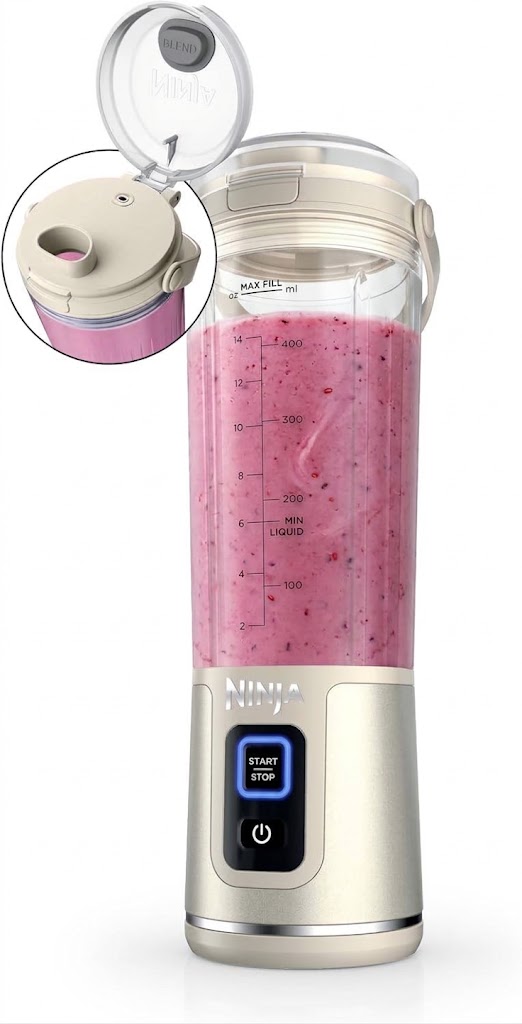
Ninja Blast Portable Blender, Cordless,18oz Vessel, Vanilla Bean
Check Price on AmazonHomemade texture may differ from commercial ice cream because recipes use different ingredients and freezing methods. If a batch becomes very firm, let it soften briefly in the refrigerator before serving rather than leaving it out for a long time. Store it covered to help protect its texture and prevent it from picking up odors or contact with other foods.
What to do when a label is unclear
If you are avoiding dairy for taste or preference, choose a product whose ingredients clearly fit your needs. If you are managing a milk allergy, be more cautious: an unclear label, an unverified restaurant answer, or a vague online listing is not a reliable confirmation.
Check the manufacturer’s current product information or contact customer service with the exact flavor and package details. Ask specifically whether the product contains milk ingredients and whether the manufacturer provides information about shared equipment or cross-contact. If you cannot get a clear answer, choose a different dessert with information you can verify.
Some frozen desserts contain milk, while others are made with fruit or plant-based ingredients. Product names and creamy textures are not reliable proof either way, so check the current ingredient list and allergen information.
If you have a milk allergy, also consider cross-contact from shared equipment, scoops, and serving tools. Before buying or serving a treat, inspect the package and choose another option if the information is unclear.
