does andy’s frozen custard have eggs? Here’s the answer
Yes, Andy’s frozen custard should be treated as containing eggs. Frozen custard is typically made with egg yolks, and anyone with an egg allergy should confirm the current ingredients and cross-contact practices before ordering.
This matters even if you choose a plain flavor: toppings and mix-ins can add other allergens, while shared equipment may transfer traces between products. Here’s what to know about the custard, how to ask useful questions at an Andy’s shop, and why an ingredient check is important for both allergies and dietary choices.
does andy’s frozen custard have eggs?
Yes—assume Andy’s frozen custard contains egg unless the company or the specific shop confirms otherwise. Frozen custard is generally made with egg yolks as part of its base. That is the key reason it differs from many products sold simply as ice cream.
For someone with an egg allergy, the practical answer is to avoid ordering until the current ingredient and allergen information has been confirmed. Recipes and available items can change, and a particular flavor or topping may have ingredients beyond the custard base. If you have a serious allergy, ask about preparation and shared equipment, not just the ingredient list.
If you are avoiding eggs for a preference or dietary reason rather than an allergy, the same starting point applies: do not assume that a flavor is egg-free because it is fruit-based, dairy-free sounding, or made without visible pieces of egg. Ask about the exact product you plan to order.
Why frozen custard commonly contains egg
Frozen custard is a rich frozen dessert made from a dairy base that commonly includes egg yolks. The yolks help create a smooth, dense texture. They are blended into the mix, so you will not see or taste pieces of egg in the finished dessert.
In the United States, frozen custard is commonly associated with a standard that includes egg yolk solids. That general definition explains why egg is an expected ingredient, but it does not replace checking a restaurant’s current recipe or allergen information. A shop’s specific formulation and menu offerings are what matter for your order.
Egg is a separate allergen from milk. A dessert can contain both, and a person who tolerates dairy may still react to egg. Likewise, asking whether a product is “dairy-free” does not establish that it is egg-free. Ask about each allergen separately.
Which Andy’s items need an ingredient check?
Start with the custard itself, then check every addition. A sundae, concrete, shake, or other menu item can include the same custard base plus toppings, sauces, baked goods, or mix-ins. Those additions may introduce egg or other allergens, and the staff may prepare several items using shared tools.
The table below is a practical guide to what to ask—not a guarantee about the current ingredients of any particular Andy’s product. Menus and recipes can differ by location, and the shop is the right source for the item you intend to order.
| Item type | What to check | Best next step |
|---|---|---|
| Plain custard flavor | Whether the base contains egg and whether its recipe has changed | Ask for the current ingredient or allergen information |
| Concrete or blended treat | Custard, each mix-in, and blender or utensil handling | Name every add-in and ask about shared equipment |
| Sundae | Custard, sauce, and any topping or garnish | Check each component separately |
| Shake or malt | Custard, flavoring, and the mixing container or machine | Ask about ingredients and cleaning between orders |
| Baked or packaged add-in | Egg in the item itself and possible contact during storage | Request the product’s current allergen details |
A simple flavor name is not enough to establish safety. For example, fruit flavoring does not tell you whether the base contains egg, and a cookie or cake mix-in may have its own ingredient and handling risks.
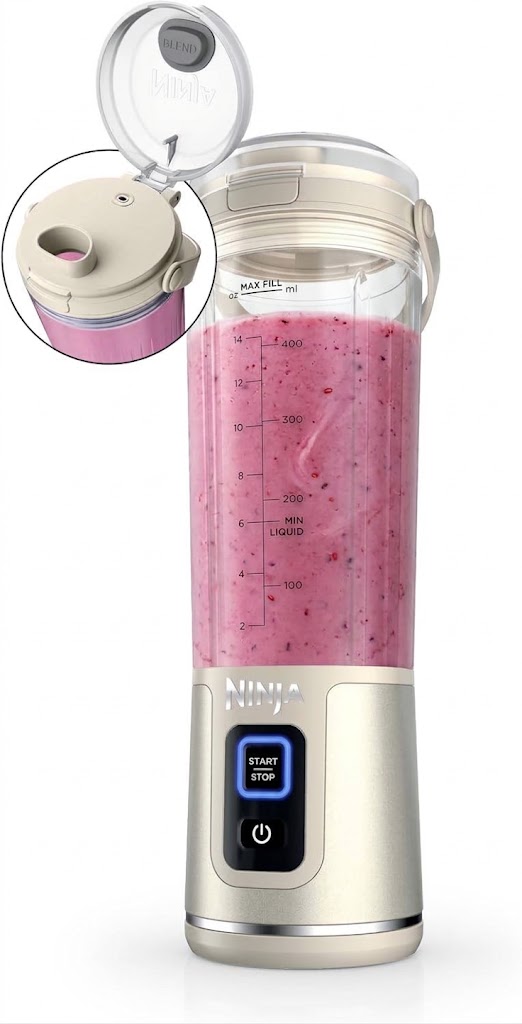
Ninja Blast Portable Blender, Cordless,18oz Vessel, Vanilla Bean
Check Price on AmazonHow to check safely before ordering
If you have an egg allergy, use a clear, specific question rather than relying on a menu description. Tell the employee that it is an allergy, explain that even small amounts may matter, and ask them to check the current information. If they cannot confirm the ingredients or safe handling, do not order that item.
- Say that you have an egg allergy. This makes clear that you need more than a preference-based substitution.
- Ask about the custard base. Confirm whether egg or egg-derived ingredients are present in the exact flavor you want.
- Check every topping and mix-in. Ask about sauces, cookies, brownies, candy, and any garnish included in the item.
- Ask about shared tools and surfaces. Find out whether the same scoop, blender, container, or work area is used for other products.
- Decide based on the answer. If the staff cannot verify ingredients or explain the handling process, choose another option or skip the order.
You can make the conversation easier by saying: “I have an egg allergy. Can you check whether this custard and each topping contain egg, and tell me if shared equipment could cause contact?” That gives the employee a specific task and helps prevent an answer based only on memory.
For a severe allergy, take your clinician’s advice about eating at restaurants. A verbal assurance may not be enough if the business cannot confirm ingredients or reduce the risk of cross-contact. Follow your prescribed emergency plan, and do not treat a menu modification as a guarantee.
Egg ingredients and cross-contact are different risks
An ingredient check answers whether egg is part of the recipe. A cross-contact question addresses whether egg could accidentally get onto a product that does not list egg as an ingredient. This can happen if equipment, utensils, hands, or work surfaces are used for multiple foods without effective cleaning in between.
At a dessert shop, a blended item may involve shared equipment, while a scoop or serving utensil may be used across flavors. The actual procedures can differ by location. Asking whether staff can use clean equipment is useful, but it does not mean the item is safe unless the shop can explain what it can reliably do.
Some people use “cross-contamination” to describe this risk. For food-allergy conversations, “cross-contact” is often more precise because it refers to an allergen being transferred to another food. Either way, the important point is that a product’s recipe alone may not answer every safety question.

Framendino, 16 Pack Artificial Chicken Nuggets Fake Fried Food Models Props for Kitchen Decor
Check Price on AmazonWhat to do if you avoid eggs but do not have an allergy
If you avoid eggs for personal, religious, or other dietary reasons, ask the shop to confirm the ingredients in the current custard and any added components. Do not assume that a product is egg-free because the menu does not call out egg, or because the flavor sounds simple.
Also ask what “egg-free” means in the answer you receive. An item might not have egg listed as an intentional ingredient but could still be handled with shared utensils. That distinction may matter less for a non-allergic dietary preference, but it can matter greatly for someone managing an allergy.
If the employee is unsure, request an ingredient or allergen reference rather than a guess. You can also contact the company through its current customer service channel for product information, then confirm that the local shop carries the same item. Do not rely on an old menu, a third-party listing, or someone else’s order from a different location.
Common assumptions that can lead to mistakes
“Frozen custard is just ice cream, so its ingredients must be the same.”
They are both frozen dairy desserts, but their recipes and standards can differ. Custard commonly includes egg yolks, so treating it as interchangeable with every ice cream product can lead to a mistaken assumption. Check the actual ingredient information instead of relying on the category name.
“A fruit flavor must be egg-free.”
Fruit describes a flavor, not the full recipe. A fruit-flavored custard can still use the same base as other flavors, and a topping or sauce may add further ingredients. Ask about both the base and every addition.
“Removing the topping makes the order safe.”
Removing a visible topping does not change what is in the custard itself. It also may not address contact from a scoop, blender, or work surface. First confirm the base; then discuss handling.
“No one can taste egg, so it cannot be there.”
Egg yolks are mixed into the base and contribute to texture rather than appearing as noticeable pieces. Taste and appearance cannot verify whether an ingredient is present. Only current ingredient information can answer that question.
“A dairy-free option is automatically egg-free.”
Dairy and egg are different allergens and ingredients. A product can avoid milk while containing egg, or avoid egg while containing milk. Ask about each ingredient separately and confirm any allergy-related handling needs.
Questions worth asking the shop
Keep your questions short and focused. These are useful prompts for an allergy or dietary check:
- Does this specific custard flavor contain egg or egg-derived ingredients?
- Can you check the current allergen information rather than guessing?
- Do any of the toppings or sauces I selected contain egg?
- Are the scoop, blender, and work surface shared with other items?
- Can you prepare it with clean equipment, and what steps can you take?
- If you cannot confirm that, can you tell me plainly so I can choose another option?
Be cautious if the response is uncertain or relies on broad statements such as “it should be fine.” A reliable answer should be about the actual ingredients and the shop’s actual procedures. If you do not receive enough information to make a safe decision, it is reasonable not to order.
How to get the most dependable answer
Use the most current information available for the exact product and location. A printed ingredient sheet or official company allergen reference is more useful than an old menu image. If you contact customer service, ask whether the information applies to the current recipe and the location you plan to visit.
Then confirm in person before paying, especially if the item is customized. Tell the employee about the allergy before discussing toppings, so the conversation covers the custard base from the start. If the shop cannot verify an ingredient or explain how it manages shared equipment, treat that uncertainty as a reason to choose something else.
The key practical point: the word “custard” is a reason to expect egg, not a substitute for current product information. For an allergy, check both the recipe and cross-contact risk. For dietary avoidance, verify the base and additions before ordering rather than inferring ingredients from the flavor name.
Yes, treat Andy’s frozen custard as containing eggs unless the company or your local shop confirms otherwise. Egg can be part of the custard base, and toppings or shared equipment add separate questions.
If you have an egg allergy, contact the shop before ordering and ask them to verify the current ingredients and preparation practices. If they cannot give a clear answer, choose a different option.
