why does everyone think walt disney is frozen? Explained
The idea that Walt Disney was frozen is a persistent rumor, not a fact: he was cremated after his death in 1966 and interred at Forest Lawn Memorial Park in Glendale, California. There is no reliable evidence that his body or head was cryonically preserved.
The story caught on because cryonics was a new and intriguing idea, Disney kept his family life private, and later retellings added dramatic details. Here is what the evidence says, how the rumor grew, and why the word “frozen” can make the story sound more plausible than it is.
Why does everyone think Walt Disney is frozen?
People repeat the claim because it combines a famous person, a mysterious-sounding technology, and a story that is easy to remember. Walt Disney died in 1966, around the time cryonics was attracting public attention. The rumor says he arranged to have his body, or sometimes only his head, preserved at extremely low temperatures so he could be revived in the future.
That account does not match the documented facts. Disney was cremated, and his remains were interred in a family plot at Forest Lawn Memorial Park in Glendale, California. There is no credible documentation that he was placed in cryonic storage. The common versions of the tale are urban legends, not supported accounts of what happened to him.
There is no single confirmed source that explains exactly how the rumor began. It appears to have developed through repeated stories and speculation after his death. As the claim passed from person to person, different tellings added details about a secret chamber, a hidden vault, or a preserved head. Those additions make the story more vivid, but they do not make it more reliable.
What happened to Walt Disney after he died?
Disney died on December 15, 1966, at age 65. Public biographies and records state that he was cremated and his ashes were interred at Forest Lawn Memorial Park. This is the central fact that answers the rumor: his remains were not placed in a cryonics tank.
Reports about Disney’s death and disposition were not based on an elaborate public ceremony. The family kept the arrangements private, which helped leave room for speculation. Privacy, however, is not evidence of a secret preservation plan. The documented account is cremation and interment, and claims of a hidden frozen body conflict with it.
There is also no credible evidence for the alternative version that says only his head was preserved. That variation is often repeated as if it were a compromise between the rumor and the records. It has no better support. The claim changes from one version to another, while the documented account remains consistent.
Why cryonics made the rumor sound believable
Cryonics is the practice of preserving a person’s body or brain at very low temperatures after legal death, with the hope that future technology might restore them. That hope is speculative: no person preserved through cryonics has been revived. It is also different from simply putting a body in a freezer. Preservation procedures aim to limit damage from ice formation and other changes, and they require specialized equipment and handling.
The concept had entered public discussion before Disney died. Robert Ettinger’s 1962 book, The Prospect of Immortality, helped bring the idea to wider attention. But the first widely recognized human cryonic preservation took place after Disney’s death, in 1967, involving James Bedford. That timing matters: cryonics was an idea people could discuss in 1966, but there is no evidence Disney made an arrangement to be preserved by it.
The distinction between an idea and an actual preservation event is easy to lose in a rumor. A story may say Disney “wanted to be frozen,” then turn that alleged wish into a claim that it was done. Neither step is established by reliable evidence. Even if a person had expressed interest in cryonics, that would not prove their body was actually preserved.
It is also misleading to picture cryonics as a routine medical service that could quietly be arranged like a burial. The process involves planning, specialized organizations, and documented handling. A claim that a well-known person was preserved should therefore come with strong evidence, not just a vivid location or a story about a secret plan.
How the story grew into a famous urban legend
Several features made the rumor easy to spread. Disney was famous worldwide, but he did not share every detail of his private life with the public. Cryonics sounded futuristic and mysterious. And the possibility of someone returning from the dead offered a dramatic hook that ordinary funeral arrangements did not.
Later retellings added settings that people already associated with Disney, especially Disneyland. One version places a frozen body beneath the Pirates of the Caribbean attraction. That claim has no credible evidence behind it, and the attraction’s presence in the story does not establish anything about Disney’s remains. A familiar landmark can make a tale feel concrete even when the important facts are missing.
Other versions say Disney’s head was kept in a laboratory or stored in a secret facility. The details often shift: the supposed location changes, and so does the part of the body said to have been preserved. That inconsistency is a warning sign. A reliable account should be traceable to records or credible reporting, not just repeated with changing details.
Privacy can also be mistaken for secrecy. When a family chooses a private funeral or burial, outsiders may fill gaps with speculation. But the absence of a public display does not imply a hidden one. In this case, the available account of cremation and interment directly contradicts the idea that Disney was being held for future revival.
What the records and family statements tell us
The most useful way to assess this story is to compare its claims with the documented account. Biographical sources and records describe Disney’s cremation and interment at Forest Lawn. His family has also rejected the frozen-body story. Those facts point in the same direction; the rumor’s shifting claims do not.
A claim of cryonic preservation would normally require evidence that the person was transferred to a preservation organization and maintained in its care. No credible record of such an arrangement for Disney has surfaced. By contrast, the cremation account is widely documented. That does not make every detail of a private family matter public, but it makes the frozen-body story unsupported and inconsistent with the known facts.

Disney Frozen Kids' Bezel Stainless Steel Time Teacher Analog Nylon Strap Watch
Check Price on AmazonWhen checking a dramatic claim, look for the original source rather than counting how many pages repeat it. Many online articles repeat the same anecdote without adding a document, a named witness, or a reliable account of how the information was obtained. Repetition can create familiarity, but familiarity is not verification.
Be especially cautious with pages that use confident wording but provide no evidence. A specific claim such as a body being stored beneath a particular ride ought to be supported by more than a colorful detail. If the source does not show where the information came from, treat it as folklore rather than history.
Rumor versus documented account
| Claim or detail | What the reliable account says | Best assessment |
|---|---|---|
| Disney’s remains were cryonically preserved | He was cremated and interred at Forest Lawn. | Unsupported rumor |
| Only his head was frozen | No credible evidence supports this version. | Unsupported variation |
| His body is beneath a Disneyland ride | No reliable documentation supports the location claim. | Urban legend |
| Cryonics was a known idea before his death | The idea had been discussed publicly, but that does not prove Disney used it. | True context, not proof |
| People cryonically preserved can be revived today | No cryonically preserved person has been revived. | Not demonstrated |
The table separates one true piece of context from the unsupported conclusion built around it. Cryonics existed as a topic of discussion while Disney was alive. That fact alone does not connect him to a preservation procedure.
Was Walt Disney frozen because he created Frozen?
No. Disney died decades before the animated film Frozen was released in 2013. The Walt Disney Company produced the film, but its title is not evidence about Walt Disney’s body or burial. The shared word can make searches and jokes about the rumor more common, yet it does not explain the original story.
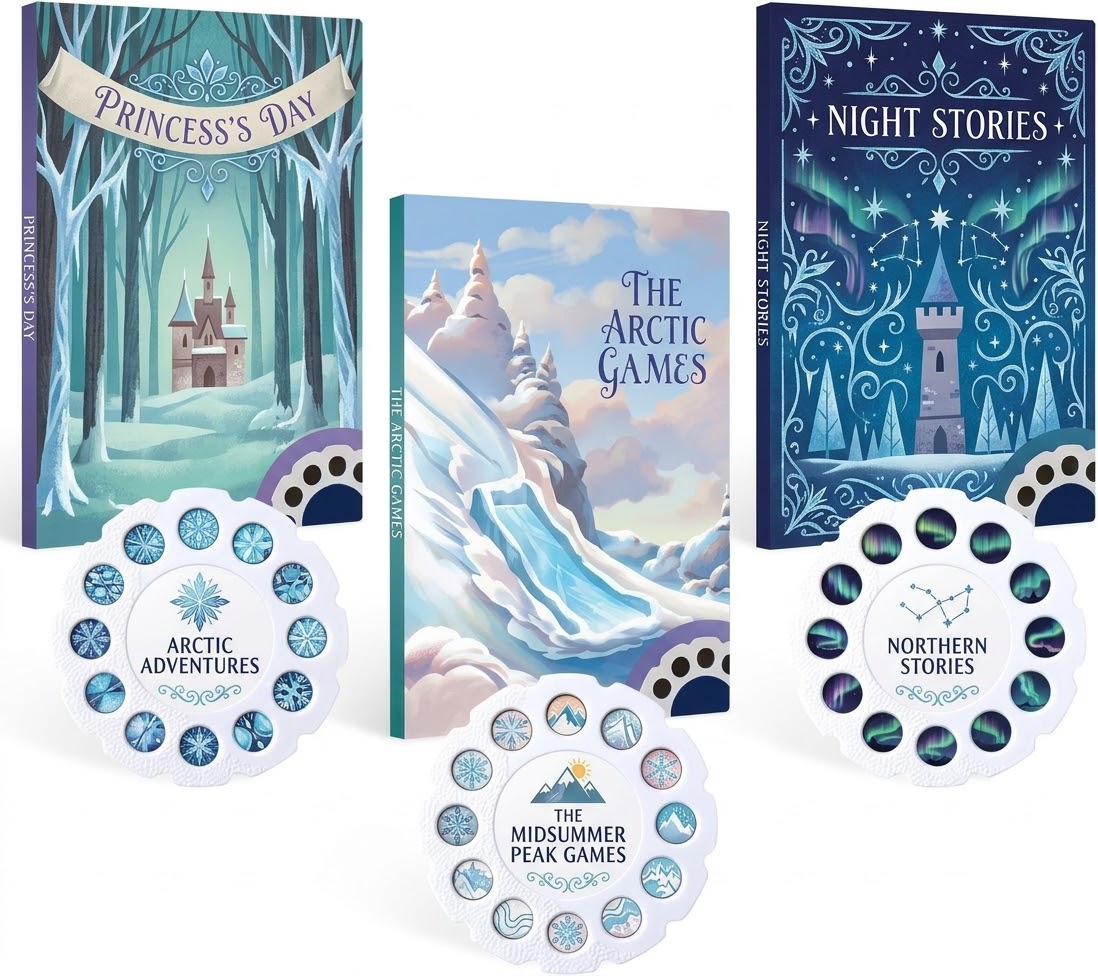
Moonlite Disney Frozen 3-Story Bundle (Projector Sold
Check Price on AmazonThere is another simple distinction: Walt Disney the person and Disney the company are not interchangeable. The company continued making films long after its founder’s death. A film released under the company’s name cannot tell you what happened to his remains.
Search results, social posts, and jokes sometimes mix the film with the old cryonics story. If a post uses a picture of Elsa, a cryonics tank, or a Disneyland attraction, check whether it offers actual evidence. Often the connection is wordplay or a meme, not a historical claim backed by records.
How to check claims about famous people
This rumor is a useful example of how to assess a sensational story. Start with the specific claim: Was a body preserved, was only a head preserved, or is there supposedly a hidden location? Then look for a source that supports that exact version. Evidence for one claim should not be stretched to support another.
- Find the earliest traceable source. A page that repeats a claim is not necessarily its origin. Look for a named record, interview, or contemporaneous report.
- Separate facts from interpretations. The fact that cryonics was being discussed does not establish that Disney signed up for it.
- Check for a documented alternative. In this case, the account of cremation and interment conflicts with the frozen-body story.
- Watch for details that change. A story that moves between a whole body, a head, and several secret locations deserves extra skepticism.
- Ask what evidence would be expected. A long-term preservation arrangement would require more than an unverified anecdote about a hidden room.
This method helps with rumors about other celebrities, too. A story can feel believable because it fits a person’s public image or a popular technology. But plausibility is not proof. The strongest account is the one supported by records and consistent evidence.
Common questions about the frozen Walt Disney story
Was Walt Disney’s body frozen after his death?
No. The documented account is that Disney was cremated and his ashes were interred at Forest Lawn Memorial Park in Glendale, California. There is no reliable evidence that his body was cryonically preserved.
Was only Walt Disney’s head frozen?
No credible evidence supports that version either. It is another form of the same rumor, not a confirmed alternative to the cremation account.
Is Walt Disney buried under a Disneyland ride?
There is no reliable evidence that his remains are beneath a Disneyland attraction. The claim is a popular urban legend that adds a memorable location to an otherwise unsupported story.
Could Disney have planned to be frozen?
People have repeated claims about his supposed wishes, but no reliable evidence shows that he arranged cryonic preservation. Even an alleged interest would not prove that the procedure happened. The documented account says he was cremated.
Can someone preserved by cryonics be brought back to life?
No cryonically preserved person has been revived. Cryonics supporters hope future medicine may make revival possible, but it remains an unproven possibility, not an established medical outcome.
Why do people still repeat the story?
The rumor is surprising, easy to retell, and attached to one of the world’s best-known entertainers. Details about secret locations and futuristic science make it feel like a mystery. But a memorable story is not the same as a documented one.
The frozen-body story is an urban legend. Walt Disney was cremated and interred at Forest Lawn, and no reliable evidence supports claims that his body or head was cryonically preserved.
When you see the claim repeated, check whether the source provides records or merely retells the rumor. That quick check separates an engaging story from a credible account.