what is elsa’s birthday from frozen? The date explained
Elsa’s birthday from Frozen is commonly given as December 21, the winter solstice in the Northern Hemisphere. The films do not state that exact date in dialogue, so it is best described as the date associated with her rather than a date shown on screen.
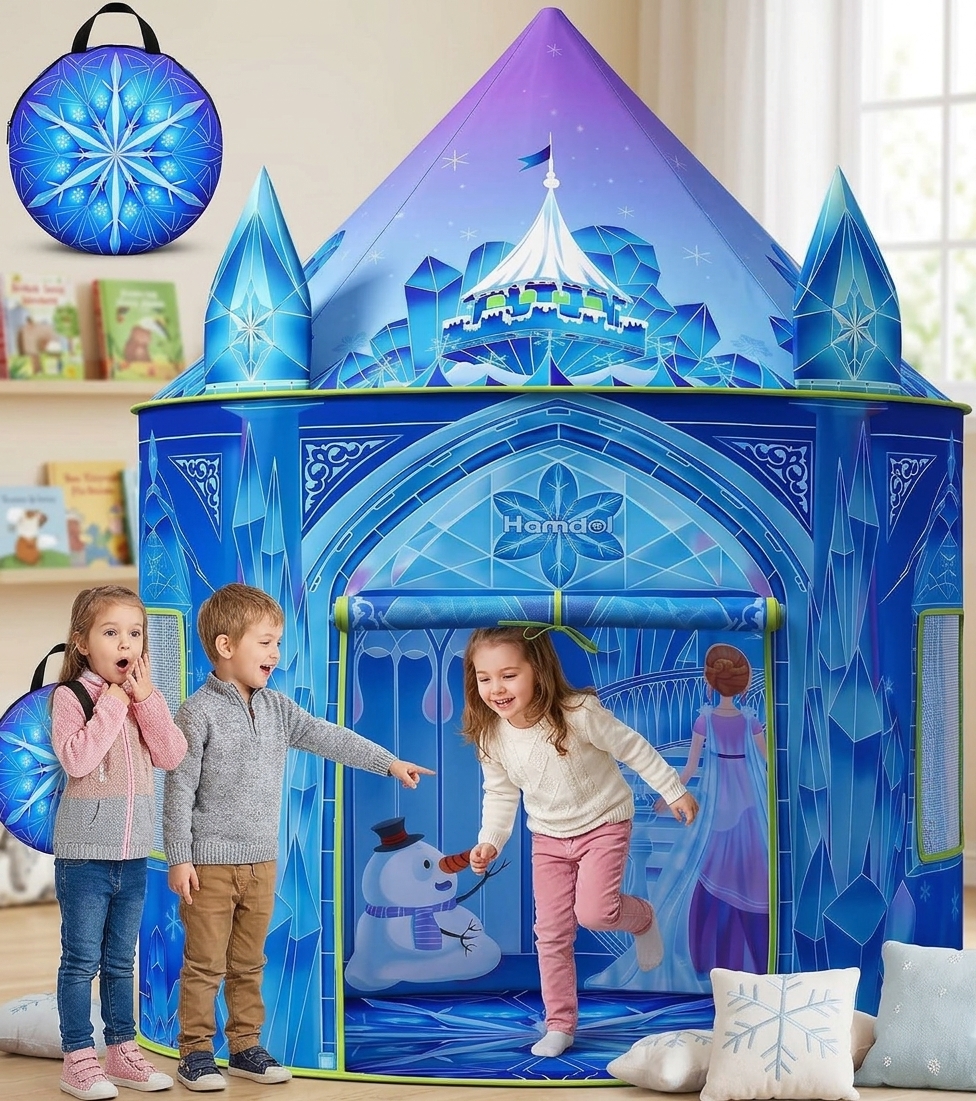
Princess Play Tent for Girls, Frozen Toy, Ice Castle Kids Playhouse for Indoor & Outdoor
Check Price on Amazon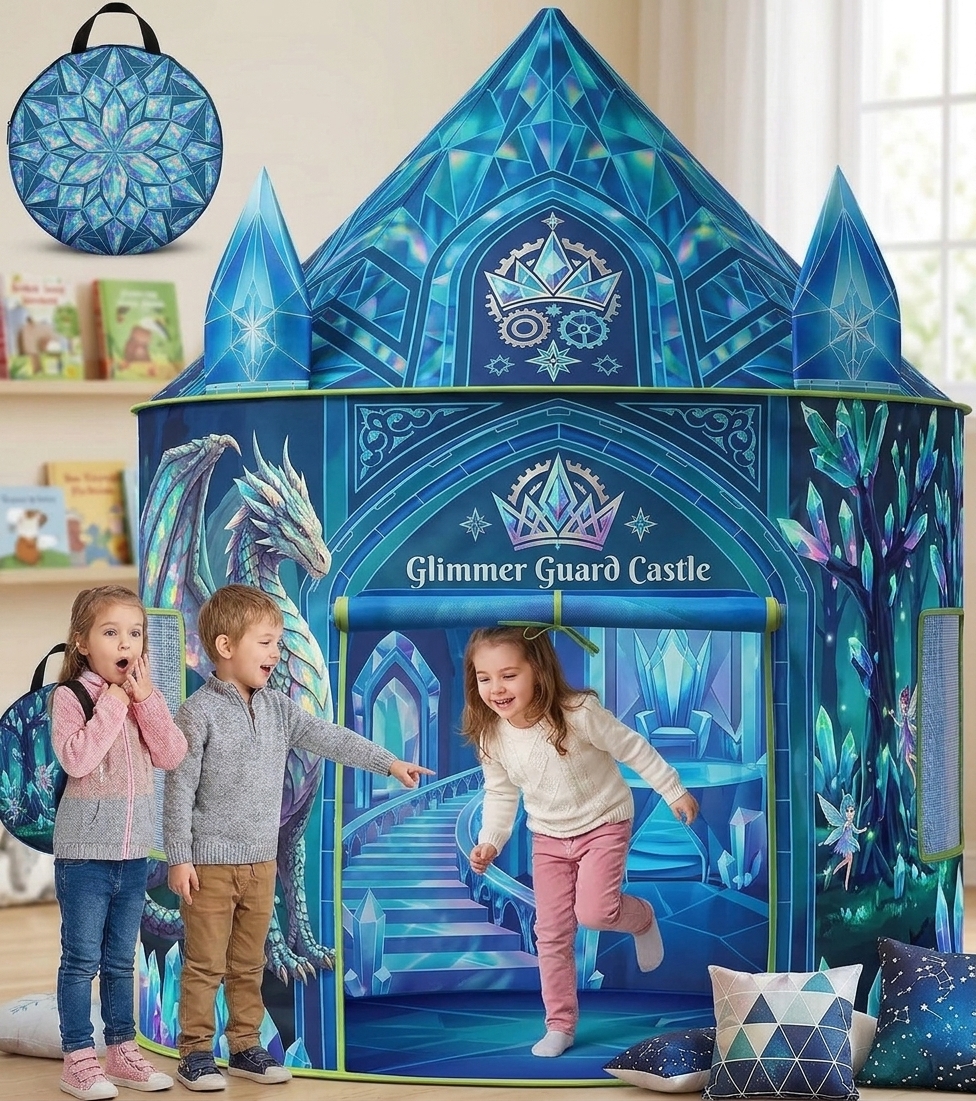
Princess Pop Up Play Tent, Frozen Toys for Girls
Check Price on Amazon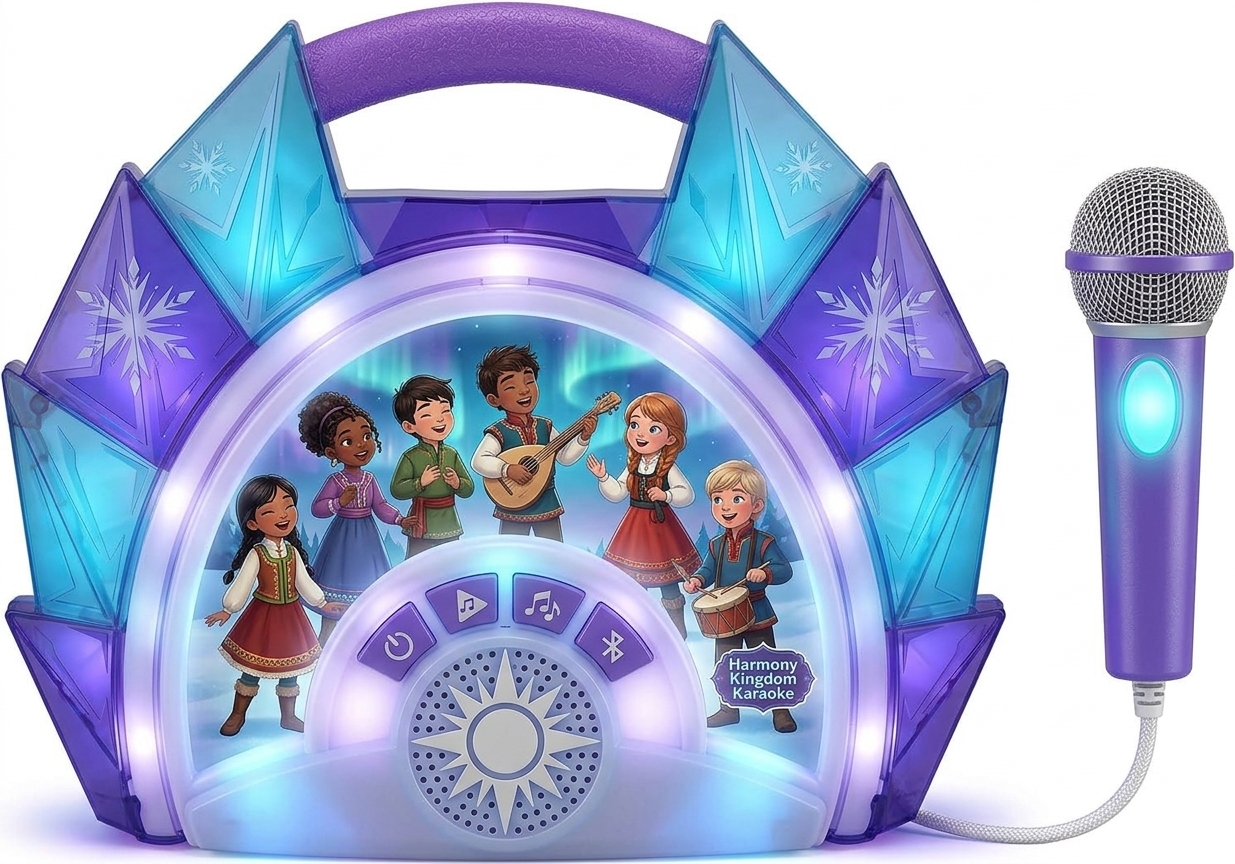
eKids Disney Frozen Karaoke Microphone with Bluetooth Speaker for Fans of Disney Toys
Check Price on AmazonFrozen Toys,Night Light Projector With 19 Films+15 Music,Girl Gifts For 2-6
Check Price on AmazonThat distinction helps make sense of why different character pages and fan discussions may phrase the answer differently. Here’s what the movies establish, how Elsa’s birthday connects to Anna’s, and what to know about the celebrations shown in the shorts.
what is elsa’s birthday from frozen?
The commonly cited answer is December 21, the date of the winter solstice in many Northern Hemisphere calendars. Elsa is associated with the winter solstice, just as her sister Anna is associated with the summer solstice.
However, neither Frozen nor Frozen II gives a specific calendar date for Elsa’s birth in a line of dialogue or a clearly readable birthday document. The films present the sisters’ lives and birthdays as part of their story, but they do not pause to establish Elsa’s exact month and day. That is why the careful answer is “December 21 is commonly associated with Elsa,” not “the movie explicitly says Elsa was born on December 21.”
If you need a simple answer for a trivia conversation, December 21 is the date most often used. If you are asking what is directly confirmed by the films, the exact date is not stated on screen.
Why December 21 is connected to Elsa
The date fits Elsa’s strong connection to winter. Her magic creates ice and snow, and the first film places her powers at the center of a lasting winter in Arendelle. Pairing her with the winter solstice also creates a neat contrast with Anna, whose birthday is commonly linked to the summer solstice.
A solstice is the point in the year when one hemisphere has its longest or shortest day. In the Northern Hemisphere, the winter solstice usually falls around December 21 or 22, while the summer solstice usually falls around June 20 or 21. The exact calendar date can vary by year and time zone, so “December 21” is a customary date association rather than a universal definition of the solstice.
The seasonal pairing suits the sisters as characters. Elsa’s story involves cold, control, and learning to accept her abilities. Anna brings warmth, persistence, and a willingness to reach out. These are useful ways to read the symbolism, but they should not be mistaken for a scene in which a character announces Elsa’s birth date.
What the films confirm—and what they leave unstated
It helps to separate three kinds of information: events shown in the films, dates stated by a character, and dates used in reference material or fan discussions. They can point to the same answer, but they do not have the same level of direct confirmation.
| Claim | What supports it | How to describe it |
|---|---|---|
| Elsa’s birthday is December 21 | Commonly cited solstice association | Best simple answer; not stated as an exact date in the films |
| Elsa is connected with winter | Her ice powers and the winter imagery in the story | Clearly supported by the films |
| Anna is associated with June 21 | Common summer-solstice pairing with Elsa | Often cited, but the films do not provide a calendar date in dialogue |
| Elsa’s birthday celebration appears in a short film | Frozen Fever focuses on Anna’s birthday | Not an on-screen celebration of Elsa’s birthday |
This distinction is especially useful if you are checking a quiz answer, writing a character profile, or settling a disagreement. A concise, accurate wording is: “Elsa is commonly said to have a December 21 birthday, though the movies do not specify an exact date.”
How Elsa’s birthday relates to Anna’s
Elsa and Anna are often described as having birthdays on opposite solstices. Elsa’s is placed in winter, while Anna’s is placed in summer. This pairing creates a simple seasonal link between the sisters and reinforces the contrast that runs through their stories.
Anna’s birthday is featured directly in Frozen Fever, the short film in which Elsa plans a celebration for her sister. Elsa wants Anna to enjoy a special day, but she catches a cold while preparing the party. Each sneeze releases tiny snow creatures called Snowgies, and Elsa’s plan becomes increasingly difficult to manage.
The short gives viewers a clear birthday celebration for Anna. It does not establish Elsa’s own birthday date. The distinction matters because people sometimes remember the party and assume it provides information about both sisters’ birthdays. It does not: the celebration is specifically for Anna.
Does Frozen Fever show Elsa’s birthday?
No. Frozen Fever shows Elsa organizing a birthday celebration for Anna. Elsa is the person planning the party, not the person being celebrated.
The short is still relevant to questions about Elsa because it shows how she expresses affection for her sister. She tries to make the day memorable, even as she becomes ill and her magic produces the Snowgies. But the story offers no birthday party for Elsa and does not reveal her exact date of birth.
So if you have seen a clip of Elsa holding a birthday celebration, check whose birthday it is. The film’s title and story concern Anna’s birthday, which is an easy detail to mix up when searching for information about either sister.
Is Elsa’s birthday official or a fan theory?
December 21 is better described as a widely repeated character-date association than as a date spoken in the films. People often link it to the winter solstice and to the seasonal contrast between Elsa and Anna. That makes the date meaningful and familiar, but it does not turn it into an on-screen fact.
Calling the date a “fan theory” can also be misleading if it suggests there is no basis for the association. The solstice pairing is a recognized way that character information is commonly presented. The important point is to keep the wording precise: the association is widely used, while the movies themselves do not identify Elsa’s exact birthday.
Frozen Kids Camera Instant Print Frozen Toys for Girls,1080P HD Dual-Lens Selfie Digital Camera with Print Paper
Check Price on AmazonCharacter information can circulate through official promotional material, interviews, licensed publications, databases, and fan-maintained pages. Those sources may not all use the same wording or explain where a detail originated. If a source matters for your purpose, check whether it cites an official Disney reference or simply repeats a date found elsewhere.
Elsa’s age is a separate question
Birthday and age are related, but one does not prove the other. A character’s age can depend on which film or point in the story you mean, while a precise birthday requires a month and day. Since the films do not state Elsa’s exact birth date, avoid using an age to calculate one unless a reliable source provides the needed timeline details.
Elsa is an adult during the events surrounding her coronation in the first film. The story also includes a time jump in its opening, so ages mentioned in character material may refer to a particular point in the timeline. That is another reason not to treat every age listed online as evidence for a specific birthday.
If you are writing about her, separate the facts: identify the age only when the source and story moment are clear, then label December 21 as the commonly associated birthday. This keeps a useful character profile from presenting an inference as a movie-confirmed detail.
What to write on an Elsa birthday card or party invitation
If you are planning a Frozen-themed event, you do not need to wait for December 21. The date is a character association, not a required celebration date. Use the date that works for the person you are celebrating, then bring in Elsa-inspired colors, snowflakes, ice patterns, or Arendelle references.
For a card or caption that mentions Elsa’s birthday, wording can preserve the distinction without sounding overly formal:
- Short: “Celebrating Elsa and her winter-solstice birthday!”
- Careful: “Elsa is commonly associated with a December 21 birthday.”
- Party theme: “A snowy Arendelle celebration for every Frozen fan.”
The first option works well for a playful fan greeting. The second is better for a fact-focused caption or school project. The third avoids treating an unconfirmed date as a fixed party date.
A practical detail many people overlook: December 21 can fall on different weekdays, and the solstice itself can occur on December 21 or 22 depending on the year and time zone. If you are planning an event around the real solstice, check a calendar for that year. If you are simply celebrating the character, there is no need to match the astronomical date.
Quick answers about Elsa’s birthday
When is Elsa’s birthday?
Elsa is commonly associated with December 21, the winter solstice in the Northern Hemisphere. The exact date is not stated in dialogue in the films.
Is Elsa’s birthday December 21 or December 22?
December 21 is the usual character-date answer. The actual winter solstice can fall on December 21 or 22, depending on the year and time zone. That calendar variation does not mean the commonly used character association changes every year.
Is Elsa’s birthday shown in Frozen?
No specific date is shown or spoken in the film. The story establishes Elsa’s connection to winter, but that is not the same as confirming a day and month.
When is Anna’s birthday?
Anna is commonly associated with June 21, the summer solstice. Frozen Fever shows a celebration for Anna, but the film does not announce a calendar date in dialogue.
Does Elsa celebrate Anna’s birthday?
Yes. In Frozen Fever, Elsa plans a birthday celebration for Anna. Elsa becomes sick during the preparations, and her sneezes create the Snowgies.
Should December 21 be presented as confirmed canon?
Use a qualifier if accuracy matters. “Commonly associated with December 21” is safer than saying the movie explicitly confirms that date. The films do not state Elsa’s exact birthday on screen.
Elsa’s birthday is commonly associated with December 21, linking her to the winter solstice and creating a seasonal contrast with Anna. The movies do not state that exact date in dialogue, so it is more accurate to call it a widely used association than an on-screen confirmation.
For a quick answer, use December 21. If you are writing a detailed character profile, add the qualification that the films leave Elsa’s exact birthday unstated.