why did my frozen fruit spark in the microwave: What to Do
If you’re asking why did my frozen fruit spark in the microwave, stop the microwave and check the fruit, its packaging, and the oven for metal or damage. Frozen fruit itself usually does not spark, but a small metal fragment, unsuitable packaging, or an unusual arrangement of fruit can cause electrical arcing.
Most brief sparks stop once the microwave is turned off, but repeated sparking can damage the appliance or start a fire. This article explains likely causes, how to inspect the microwave safely, when to discard the fruit, and how to thaw it with less risk. You’ll also learn what to do if the sparking happens again with an empty bowl.
why did my frozen fruit spark in the microwave?
The most likely explanation is electrical arcing: a visible spark caused when microwave energy creates an electrical discharge. Metal is a common trigger, so check for a piece of foil, a metallic twist tie, a staple, or a fragment from damaged packaging. The fruit may have been beside the metal, making it look as if the fruit itself sparked.
Other possibilities include a damaged microwave interior, a worn cover over the waveguide, or an unusual arrangement of fruit that concentrates the microwave field. A single spark does not prove that the appliance is ruined, but continuing to run it while it sparks can cause damage. Stop the cycle first, then investigate before using it again.
Frozen fruit contains water and natural minerals, but those facts alone do not usually make ordinary pieces of fruit spark. Whole grapes are a special case: their size and water-rich structure can concentrate microwave energy, especially when grapes touch. That effect is not a reliable explanation for sparks from every kind of frozen fruit, particularly loose berries or small pieces.
What can make fruit or its packaging spark?
| Possible cause | What to look for | What to do |
|---|---|---|
| Metal in or near the food | Foil, a twist tie, staple, or metallic fragment | Remove the item and check the food and bowl |
| Packaging not meant for microwaves | Foil lining, metallic printing, or a sealed pouch | Transfer fruit to microwave-safe glass or ceramic |
| Fruit arrangement that focuses energy | Whole grapes or similar round pieces touching | Separate pieces and use short intervals |
| Microwave interior damage | Burn marks, chipped coating, or a damaged cover | Stop using the appliance and arrange inspection |
| Food residue or a spill | Burnt-on bits or a dirty interior surface | Clean the cooled interior according to the manual |
Metal or packaging fragments
Look beyond the bowl. A small strip of foil, a metal tie, or a piece from a torn package can be easy to miss, especially if the fruit was poured straight from a bag. Some frozen-food packaging has layers or closures that should not go into a microwave. Follow the package directions; if they are missing or unclear, transfer the food to a microwave-safe dish.
Food containers with metallic trim or decoration can also cause trouble. A plate may look like ordinary ceramic but still have a thin gold or silver edge. Use plain microwave-safe glass or ceramic instead. Do not place a spoon, fork, clip, or any leftover packaging in the oven while heating the fruit.
Fruit shape and placement
Microwaves do not heat every point equally. The oven’s electromagnetic field can concentrate energy in some areas, and the shape and position of food affect how that energy is distributed. Whole grapes have drawn attention because touching grapes can concentrate the field in the small gap between them. This is a specific physical effect, not evidence that all frozen fruit is likely to spark.
For a cautious approach, avoid microwaving whole grapes or tightly packed clusters. Cut or separate fruit, spread it in a shallow layer, and use short heating intervals. This helps with more even thawing, too. Do not assume that adding water will make an unsafe setup safe; first rule out metal, unsuitable packaging, and appliance damage.
What to do as soon as you see a spark
- Stop the microwave. Press Stop or Cancel as soon as you see a spark. If the sparking continues or there is smoke or flame, switch off the appliance if you can do so safely.
- Keep the door closed if there is a fire. A closed door helps contain a small microwave fire. Turn the appliance off and unplug it only if you can reach the plug safely. If flames do not go out promptly, leave the area and call emergency services.
- Wait before inspecting. If there is no fire, let the microwave stop and allow the dish to cool enough to handle. Do not reach into a running microwave or touch a hot dish with bare hands.
- Remove the dish and check the food. Look for a hidden piece of metal, package material, or a foreign object. If you cannot identify the cause, do not simply restart the same setup.
- Inspect the oven interior. Once it is cool, look for burn marks, chipped or peeling coating, damage around the door, or a damaged waveguide cover. The waveguide cover is a small panel inside the microwave that protects the opening where microwave energy enters the cooking space.
- Clean residue only after the oven is cool. Wipe away food splashes with a soft damp cloth and follow the appliance manual. Do not scrape, sand, or remove an interior panel.
If the microwave is smoking, smells strongly burnt, or has visible damage, leave it off. A brief spark with no visible damage may have come from a removable object, but sparking that returns deserves attention. Do not test a damaged appliance by running it empty or repeating the same heating cycle.
Is the fruit safe to eat after it sparks?
That depends on what caused the spark and whether the fruit was exposed to anything unsafe. If you find a clean, removable metal object outside the fruit, the fruit may be unaffected. Still, inspect it carefully for melted packaging, metal fragments, soot, or an unusual burnt smell. Discard any pieces that touched melted material or may contain a fragment you cannot remove confidently.
If the food itself is scorched, contaminated, or smells burnt, throw it away. Do not eat fruit that has contacted smoke residue or melted plastic. When the cause is uncertain, discarding a small portion of fruit is safer than trying to identify an invisible fragment by taste.
A spark does not automatically mean the fruit is radioactive, poisoned, or unsafe simply because it was frozen. Microwaves heat food; they do not make it radioactive. The concern is the source of the spark, possible contamination, and any damage to the appliance—not an unexplained change caused by freezing.
If you were thawing fruit for a person with a higher risk from foodborne illness, handle it carefully after heating. Use clean utensils and refrigerate fruit that will not be eaten promptly. Follow safe handling instructions on the package, particularly if the fruit is intended for cooking rather than eating straight from the bag.

Framendino, 16 Pack Artificial Chicken Nuggets Fake Fried Food Models Props for Kitchen Decor
Check Price on AmazonHow to thaw frozen fruit more safely
- Remove all packaging. Take off the bag, clips, ties, and any liner unless the package specifically says it is microwave-safe and gives heating directions. Never microwave a sealed package unless its instructions explicitly allow it.
- Choose a suitable dish. Put the amount you need in plain microwave-safe glass or ceramic. Avoid dishes with metallic decoration and containers that are cracked or not labeled for microwave use.
- Spread the fruit out. Use a shallow layer rather than a deep, tightly packed mound. Separate whole grapes or other round fruit rather than heating them pressed together.
- Use a low or defrost setting. Lower power gives the fruit more time to warm without rapidly cooking some spots while other pieces remain frozen. If your microwave has no defrost setting, use a low power level.
- Heat in short bursts. Start with a brief interval, check the fruit, and stir or rearrange it. Repeat only as needed. The time depends on the quantity, fruit size, starting temperature, and microwave, so a single fixed time is not reliable for every bowl.
- Let it stand, then check. A short rest helps temperatures even out. Stir again and check that the fruit has reached the texture you want before serving or using it in a recipe.
For smoothies, you may not need to thaw fruit at all; frozen pieces can often go directly into the blender if the appliance is suited to frozen ingredients. For baking or toppings, thawing in the refrigerator is a gentler option and can help avoid partly cooked edges. If you use a microwave, heat only what you need and keep the container uncovered or loosely covered with a microwave-safe cover so steam can escape.
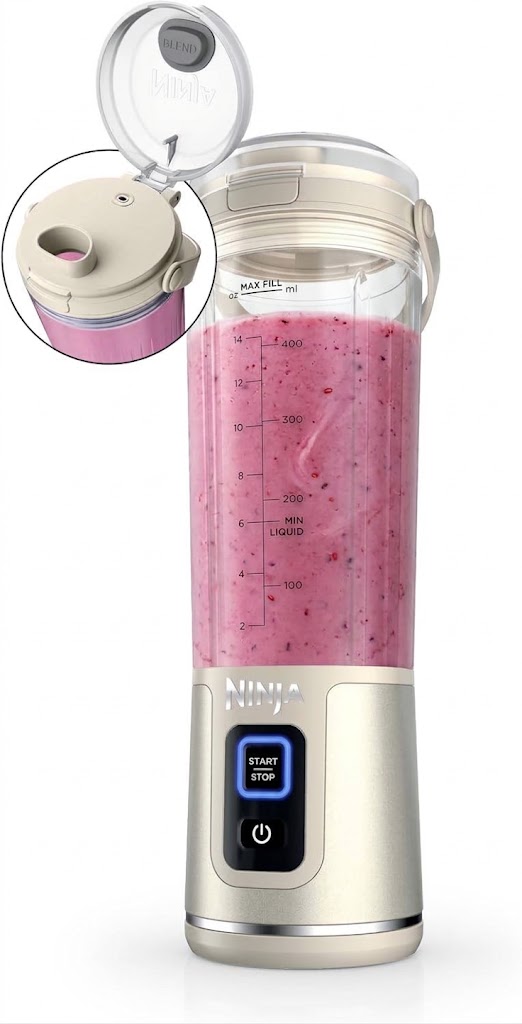
Ninja Blast Portable Blender, Cordless,18oz Vessel, Vanilla Bean
Check Price on AmazonHow to tell if the microwave is damaged
After the oven is cool and empty, inspect the inside under good light. Check the cavity walls and floor for deep scratches, blistering, peeling, or dark burn marks. Look at the waveguide cover for cracks, holes, heavy staining, or scorching. Also check that the door closes normally and that its frame is not bent or visibly damaged.
A little food residue is not the same as structural damage. Clean ordinary splashes according to the manufacturer’s directions, then look again. But do not try to repair a scorched cover with tape, paint, or a homemade replacement. Do not remove the cover or open the microwave’s outer casing; internal components can retain dangerous electrical charge even after the appliance is unplugged.
If you see damage, hear unusual buzzing or popping, smell burning after cleaning, or see sparks with no food or metal present, stop using the microwave. Contact the manufacturer or a qualified appliance technician. Depending on the age and condition of the unit, replacement may be more practical than repair, but an inspection is the right way to assess a persistent fault.
Why it may spark again—and what not to do
If sparking repeats, do not keep changing dishes and running test cycles until the problem goes away. Repeated arcing can burn the interior or damage the waveguide cover. First remove the food and all packaging, check for visible damage, and leave the appliance off if the source is not obvious.
Avoid these common mistakes:
- Do not microwave fruit in its original bag by default. Packaging varies, and a freezer-safe bag is not necessarily microwave-safe.
- Do not assume the fruit caused it. A small piece of metal or a damaged interior can be hard to spot at first.
- Do not scrape off a burn mark. Abrasive tools can worsen damage to the interior coating.
- Do not run the microwave empty to test it. Follow the manual and seek service if the appliance sparks without a clear, removable cause.
- Do not ignore smoke or a burning smell. Turn the appliance off and keep it out of use until the cause is addressed.
One easy-to-miss detail is that the food and the dish are only part of the setup. Check the turntable area, the oven walls, and any cover or panel inside the cavity. A spill or damaged surface can continue to arc even after you discard the original fruit.
When to call for service or replace the appliance
Arrange professional help if you find a damaged waveguide cover, a burnt or peeling cavity surface, a bent door, or repeated sparking with ordinary food in a microwave-safe dish. Stop using the appliance until it has been assessed. If the microwave is under warranty, contact the manufacturer before attempting any repair.
Replace the microwave or have it evaluated if it sparks with no food, no metal, and no obvious residue, or if it makes new popping sounds or gives off a persistent burnt odor. A technician can determine whether the problem is limited to a replaceable part or involves a larger electrical fault. Never open the outer casing yourself to investigate.
If the only event was one brief spark and you find a clear cause, such as foil or a metal tie, remove the cause and inspect the interior for damage before using the appliance again. If there are no signs of damage and the microwave operates normally, use a plain microwave-safe dish and supervise the next heating cycle. Stop immediately if any spark returns.
If you wondered why did my frozen fruit spark in the microwave, the leading clues are hidden metal or packaging, fruit arrangement, residue, or damage inside the appliance. Frozen fruit alone is not usually the reason, and one spark does not automatically mean the microwave is unusable.
For your next step, keep the microwave off while you check the fruit, packaging, dish, and interior. If you find damage or sparking returns, stop using it and contact the manufacturer or a qualified technician.
