how many calories in healthy choice frozen meals: by meal
How many calories in healthy choice frozen meals depends on the specific entrée: many single-serve options land around 200–400 calories, but some have fewer or more. The package’s Nutrition Facts label gives the reliable number for the meal you have.
This guide explains why calories differ across product lines and recipes, how to read the label, and what to check beyond calories. You’ll also find a practical way to compare meals, adjust portions to your hunger, and avoid common tracking mistakes. Product recipes and package sizes can change, so use current packaging for an exact count.
How many calories in healthy choice frozen meals?
There is no single calorie count for every Healthy Choice frozen meal. A useful rough expectation is about 200–400 calories for many single-serve entrées, with some products outside that range. The recipe, serving size, sauce, grains, cheese, and other ingredients all affect the total.
That range is a general guide, not a guaranteed brand-wide figure. A lighter entrée may contain fewer calories, while a larger bowl or a recipe with richer ingredients may contain more. Even meals that sound similar can differ because their portions and ingredients are not identical.
For the most accurate answer, look at the Nutrition Facts panel on the exact box or bowl. Check the calories per serving and the servings per container. If the package contains more than one serving and you eat it all, calculate the amount you actually ate rather than assuming the printed serving equals the whole package.
Why the calorie count changes from one meal to another
Frozen meals are not all built the same way. One may center on vegetables and lean protein, while another includes a larger portion of pasta, rice, sauce, or cheese. Those ingredients change both the meal’s calorie total and how filling it may feel.
Portion size and serving count
A larger portion usually contains more calories, but package size alone does not tell you how many servings the label counts. The Nutrition Facts panel lists calories for a stated serving. If you eat a different amount, the calories change in proportion.
For example, if a label says 300 calories per serving and the container has two servings, eating the entire container means consuming 600 calories. That is a label-reading example, not a claim about a particular Healthy Choice product. Most single-serve frozen entrées are intended to be eaten as packaged, but always confirm the serving information.
Ingredients and cooking additions
Rice, pasta, potatoes, grains, and sauces contribute calories. Cheese, creamy sauces, and added oils can also raise a meal’s total. Vegetables add volume and nutrients, while protein such as chicken or beans can make a meal more satisfying.
Calories on the package generally describe the food as sold, prepared according to the directions, unless the label says otherwise. Extra cheese, oil, dressing, or a side dish adds calories that are not included in the printed number. Water usually does not add calories, but ingredients mixed into the meal do.

Framendino, 16 Pack Artificial Chicken Nuggets Fake Fried Food Models Props for Kitchen Decor
Check Price on AmazonCompare meal types by their likely calorie role
The table below is a general comparison of meal styles, not a verified calorie list for current Healthy Choice products. Use it to know what to inspect on the package. Recipe and serving differences mean the label is more useful than the product name.
| Meal style | What can affect calories | Best for |
|---|---|---|
| Vegetable-forward entrée | Vegetable quantity, grain portion, sauce, and protein | A lighter-feeling meal; check whether it will satisfy your hunger |
| Chicken or other lean-protein bowl | Protein portion, rice or pasta, and sauce | Balancing protein with a grain; compare calories and protein together |
| Pasta or cheese-based entrée | Pasta serving, cheese, and creamy or oil-based sauce | A more substantial-tasting option; check the full calorie count |
| Grain or power-style bowl | Grains, beans, meat, toppings, and dressing | A complete bowl; assess fiber and protein as well as calories |
These descriptions do not establish that one style always has fewer calories. A vegetable entrée can still include a calorie-dense sauce, and a protein bowl can have a moderate total if its portions are smaller. Compare the actual labels before deciding.
How to read the Nutrition Facts label
The calorie number is only useful when you know what amount it describes. Take these steps before logging a meal or comparing two boxes:
- Find the serving size. Note the amount of food the label uses, such as one package or a stated fraction of it.
- Check servings per container. If the box lists more than one serving, eating the entire box may mean more than one serving’s calories.
- Read calories per serving. This is the figure to use if you eat exactly the stated serving.
- Adjust for what you ate. Multiply the listed calories by the number of servings you consumed. If you left some food, estimate the portion you actually ate.
- Include additions. Log toppings, sauces, or sides separately if you add them.
When two meals have different serving sizes, compare them on the basis of what you will actually eat. Comparing calories per serving can mislead if one serving is much smaller than the other. For a simple meal-to-meal comparison, check the calories for the full package when the full package is your planned portion.
Calories are not the only useful number
A meal’s calorie count can help you fit it into a daily eating plan, but it does not show the whole nutritional picture. Protein, fiber, sodium, and saturated fat can also affect whether an option fits your preferences and health needs.
Protein and fiber can help with fullness
Protein supports the body’s tissues and can make a meal feel more satisfying. Fiber, found in foods such as vegetables, beans, and whole grains, can add staying power too. If two entrées have similar calories, comparing their protein and fiber may help you choose the one that better suits your appetite.
Do not assume a meal is high in protein or fiber just because the package name mentions chicken, vegetables, or grains. Check the grams on the label. The actual amounts depend on the recipe and serving size.
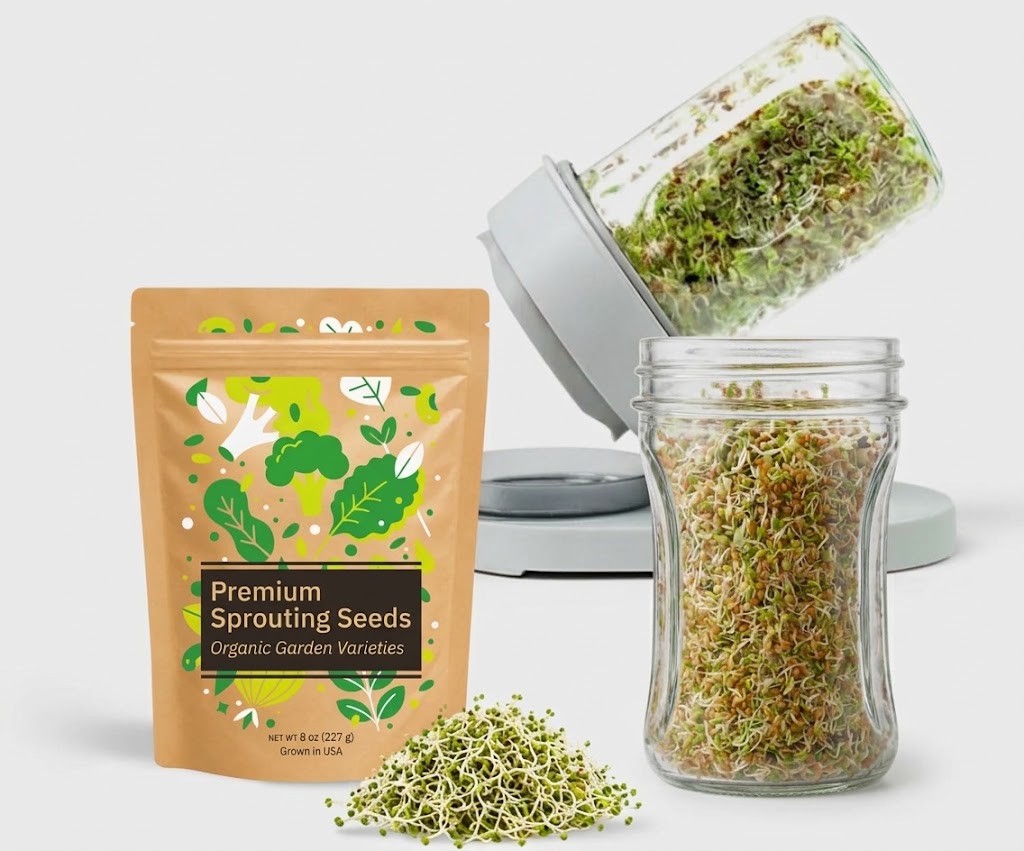
Jar Sprouting Kit with 8oz Broccoli Sprout Seeds
Check Price on AmazonSodium may matter for some people
Frozen meals can vary in sodium, the mineral commonly listed as salt on nutrition labels. If you are watching sodium, compare the amount per serving and keep your overall day in mind. A meal’s calorie count does not indicate whether its sodium level is high or low.
People with a medical condition or a prescribed eating plan should follow advice from their health care professional. Individual sodium needs can differ, so a general product comparison cannot replace personal guidance.
How to make a frozen meal more filling
If a meal’s calories fit your plan but the portion does not satisfy you, pair it with an ingredient that adds volume or nutrients. The right addition depends on your needs and the calories you want to include.
- Add a serving of non-starchy vegetables, such as steamed broccoli or a side salad.
- Include fruit or plain yogurt if you want an additional side.
- Choose a protein-rich addition, such as beans, if the entrée has little protein and that fits your diet.
- Measure calorie-containing toppings such as cheese, nuts, dressing, or oil instead of pouring them freely.
Count any addition separately. A side can make a meal more satisfying, but it also changes the total calories. If you are aiming for a particular calorie target, plan the entrée and sides together instead of treating the frozen meal as the entire meal by default.
Common calorie-counting mistakes to avoid
Assuming every Healthy Choice meal has the same calories
Product lines and recipes vary. A number found for one bowl does not apply to every entrée, even if the products share a brand. Check the specific flavor and package in front of you.
Confusing the serving with the package
Some packages have one serving; others may list more. The large calorie number near the top of a nutrition panel is often per serving, not automatically per container. Read both lines before entering the meal into an app or food log.
Using an old online listing
Online nutrition details can refer to a past recipe, a different package size, or a listing that has not been updated. If an online number conflicts with the current box, use the packaging in hand. For a product ordered online, check the label on delivery before relying on a saved entry.
Forgetting the side or topping
A frozen entrée’s label does not usually include the separate salad dressing, bread, beverage, or extra cheese you serve with it. Record those items too if you are tracking total intake. Small additions can add up across a meal.
A practical way to choose the right meal
Start with your appetite and your meal plan, not just the lowest calorie number. A meal that leaves you hungry may lead you to add unplanned snacks later. Choosing a portion that satisfies you can be more useful than selecting the smallest number on the shelf.
- Set a realistic meal range. Use your overall eating plan as a guide rather than treating one calorie target as right for everyone.
- Compare the full package. Confirm how many servings you will eat and calculate the total if needed.
- Check nutrition beyond calories. Compare protein, fiber, sodium, and saturated fat based on your priorities.
- Plan sides in advance. Add vegetables, fruit, or another side if the entrée alone is not enough.
- Recheck the package when recipes change. The current label is the best source for that specific item.
This method works better than relying on a broad claim such as “all light meals have about the same calories.” Product names and front-of-package statements can help you narrow choices, but the nutrition panel tells you the serving details and exact calories.
What to do if the label and your tracker differ
Food-tracking apps may contain entries added by users, and those entries can be incomplete or tied to an older product. Search by the exact product name and serving size, then compare the entry with the package. If the numbers do not match, create or select an entry that reflects the current label.
For a meal without its original packaging, look for the brand’s current product information or use a close match only as an estimate. Record that it is an estimate rather than treating it as an exact value. This matters most when the serving size or recipe is uncertain.
One detail many people miss: a calorie count is meaningful only when the serving size matches what you ate. Confirming servings per container before you scan or log a meal prevents a common undercount.
How many calories in healthy choice frozen meals has no single answer: many single-serve options are roughly 200–400 calories, but the exact amount depends on the product and serving. The current package label is the most dependable source.
Before choosing or logging a meal, check servings per container, calories per serving, and any sides or toppings. Then compare protein, fiber, and sodium to find an option that fits your appetite and priorities.
