when is let it go song in frozen: scene timing
The song Let It Go begins about 37 minutes into Frozen, shortly after Elsa escapes Arendelle and reaches the mountains. The exact timestamp can shift slightly between versions and platforms.
This guide explains where the number falls in the story, what happens during the scene, and how to find it quickly. It also clears up a common mix-up: the movie sequence, soundtrack track, and standalone music video are not timed the same way.
when is let it go song in frozen: the approximate timestamp
Let It Go starts roughly 37 minutes into the 2013 animated film Frozen. That places it a little over one-third of the way through the movie, which has a theatrical runtime of about 102 minutes.
Use 37 minutes as a helpful estimate, not an exact universal timestamp. Streaming services may include different opening material, and playback timestamps can vary with studio logos, platform edits, or the version being watched. If you are scrubbing through the movie, start around minute 35 and move forward until Elsa reaches the mountain setting.
The song is not a closing-credit number. It is a major musical sequence in the middle of the story, immediately after Elsa flees the kingdom. Its placement matters because the lyrics and visuals show her responding to the fear and pressure that have shaped her choices up to that point.
What happens just before the song
Elsa has spent much of her life trying to hide her ability to create ice and snow. At her coronation, her powers become visible to the people of Arendelle. Afraid that she may hurt someone, she runs away from the kingdom and heads toward the mountains.
Anna follows her, hoping to bring her home and repair their relationship. Elsa, however, believes that staying away is the safest choice. The scene moves from the danger and confusion in Arendelle to the isolation of the snowy landscape, setting up the song’s change in mood.
By the time the number begins, Elsa is alone and no longer trying to maintain the appearance expected of her as queen. The song gives the audience a view of her thoughts as she tries to accept her powers and live without hiding them.
What happens during the Let It Go sequence
As Elsa sings, she walks farther into the mountains and uses her magic to shape the snow and ice around her. She creates a large ice palace, changing the landscape as the music grows. The visuals are part of the storytelling, not just a backdrop: they make her growing confidence visible.
Her clothes also change during the sequence. The new look marks a break from the formal role she had been expected to play in Arendelle. The moment can feel triumphant, but it is not a simple resolution. Elsa has found a way to express herself, yet she is still alone and still believes distance will protect others.
This distinction helps explain why the scene feels both freeing and uneasy. The song captures Elsa’s relief at no longer concealing her powers, while the story soon shows that isolation does not solve every problem. The number is an emotional turning point, but it does not end the conflict.
How to find the scene quickly
- Open the feature film, rather than a soundtrack album or music video. Those have different runtimes and do not share the movie’s timeline.
- Move to about 35 minutes. This gives you a small margin before the scene instead of risking that you skip the opening moments.
- Look for Elsa leaving Arendelle. The sequence follows her escape and her journey into the snowy mountains.
- Continue until she begins singing alone. The transformation of the ice around her confirms that you have reached the number.
If you are using a chapter menu, look for a chapter associated with Elsa, the mountains, or the song. Chapter names differ by release, so the approximate timestamp and story events are more dependable clues.
Movie scene, soundtrack, and music video: what differs?
The same song can appear in several formats, but their start times are not interchangeable. The movie includes dialogue and action before and after the number, while a soundtrack track begins at the start of the recorded song. A standalone video may use selected film footage or a separate edit.
| Version | Where the timing starts | Best for |
|---|---|---|
| Feature film | The beginning of the movie, including its opening material | Finding the story scene; start near 37 minutes |
| Soundtrack track | The beginning of the song recording | Listening to the song without searching the film |
| Music video or clip | The beginning of that particular video | Watching a short or edited presentation |
| Sing-along version | The movie’s playback timeline, with on-screen lyrics | Following the words while watching the scene |
Do not use the song’s track duration as a movie timestamp. A song may last only a few minutes, but its position in the film depends on everything that comes before it. If a video platform labels a clip Let It Go, that clip may begin with the music already underway rather than at the scene’s beginning.
Why this moment matters to Frozen’s story
The scene gives Elsa a rare stretch of time without other characters telling her what to do. Until then, she has treated her powers as a danger that must be concealed. In the mountains, she experiments with them openly and builds a home that reflects her control over ice.
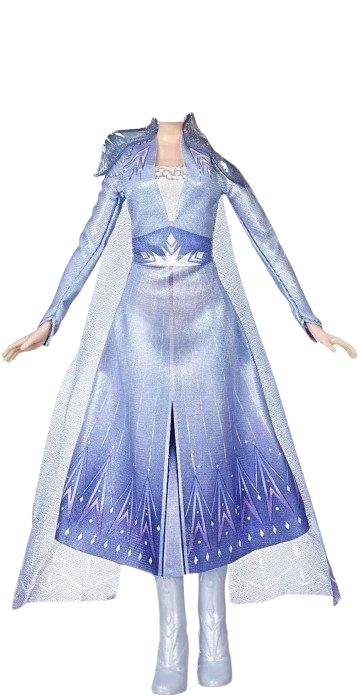
Disney Frozen Elsa Fashion Doll with Long Blonde Hair & Blue Outfit Inspired by Frozen 2
Check Price on Amazon
Frozen 2 Bluetooth Headphones with Microphone
Check Price on AmazonThat change makes the song a character moment as well as a musical highlight. Elsa’s actions show what she wants: freedom from fear and from the effort of hiding. At the same time, the scene helps the audience understand her mistaken belief that she must stay apart from everyone else.
The story later challenges that belief. Elsa’s love for Anna and the sisters’ relationship remain central to the film. So the sequence is best read as a powerful expression of Elsa’s feelings at that moment, not as the final answer to her problems.
Who performs and wrote the song?
In the original English-language film, Idina Menzel performs Let It Go as Elsa. The song was written by Kristen Anderson-Lopez and Robert Lopez for the film. Menzel’s performance is part of the movie’s scene, so the version heard during the story is not simply a background track added over unrelated action.
Frozen also has songs in other languages, performed by voice actors chosen for those versions. If you are watching a dubbed edition, you may hear a different singer, while the scene’s position in the plot remains essentially the same. Audio settings, captions, and regional editions can affect what you hear or see, but they do not change the basic story sequence.
Common timing mix-ups to avoid
Confusing the film timestamp with the song length
A timestamp such as 37 minutes tells you where the scene occurs from the start of the movie. It does not tell you how long the song itself lasts. Conversely, the track length on an album gives no indication of how long you must watch before the song begins in the film.

Disney Frozen Kids' Bezel Stainless Steel Time Teacher Analog Nylon Strap Watch
Check Price on AmazonStarting from a recap or a platform preview
Some services may play a recap, a preview, or opening logos before the movie. Those seconds can shift the displayed counter compared with another copy. Use the plot cue—Elsa has left Arendelle and reached the snowy mountain setting—if the time does not line up.
Assuming the song finishes the story
The sequence can sound like a final declaration, but it happens well before the ending. Elsa’s choice to live alone creates further consequences, and the film continues to explore the sisters’ relationship and the effects of her powers.
Searching for the scene in the wrong release
A soundtrack, short clip, lyric video, and full film may all feature the same song, yet only the feature film uses the full story timeline. Check that you have opened the movie if your goal is to locate the scene in context.
What to watch for when you rewatch it
Pay attention to the contrast between Elsa’s behavior before and during the number. Earlier, she tries to keep her powers under control and avoid being seen. During the song, she uses those powers deliberately, and the changing ice makes her confidence visible to the audience.
Also notice that the scene’s sense of freedom has a cost. Elsa gains a place where she can act without immediate fear of judgment, but she also cuts herself off from Anna and the people of Arendelle. That tension connects the song to the rest of the plot.
For a quick search, remember three cues: about 37 minutes into the film, after Elsa flees Arendelle, and during her journey into the mountains. If the counter differs, follow the story rather than relying on an exact second mark.
Let It Go begins roughly 37 minutes into Frozen, after Elsa escapes Arendelle and reaches the mountains. The scene shows her embracing her ice powers, while also setting up the isolation that remains part of the story.
To find it, start near minute 35 and watch for Elsa’s escape and arrival in the snowy mountains. Remember that the movie, soundtrack, and video versions use different timing, so the story cues are the most reliable guide to when is let it go song in frozen.