who was the voice of elsa from frozen? Meet Idina Menzel
Idina Menzel voiced Elsa in Disney’s 2013 animated film Frozen, and she also sang Elsa’s songs in the original English-language version. Her powerful performance helped make “Let It Go” one of the film’s best-known moments.
This guide explains Menzel’s role, how Elsa’s voice differs from Anna’s, and who performed the songs heard in the movie and its end credits. It also covers Menzel’s return in later Frozen films and shorts, plus a few easy-to-miss details about the cast and music.
who was the voice of elsa from frozen?
Idina Menzel is the English-language speaking and singing voice of Elsa in Disney’s original Frozen (2013). She performs Elsa’s dialogue as well as the character’s songs, including “Let It Go.” So, in the original version, Elsa does not switch to a different singer for her big musical number.
Menzel is an American actor and singer known for her work in musical theater and on screen. Her expressive voice suited Elsa’s wide emotional range: the character is a young queen who tries to hide her magical powers, fears hurting people, and eventually begins to accept herself.
The distinction between voice and song performers can be confusing in animated musicals. For Elsa in the original English-language release, the answer is straightforward: Menzel voices the character and sings her musical parts. Other language versions use different performers, so the answer depends on which version of the film you watch.

Disney Frozen Kids' Bezel Stainless Steel Time Teacher Analog Nylon Strap Watch
Check Price on AmazonIdina Menzel and Elsa’s character
Elsa is the elder sister of Anna and the queen of Arendelle. She has the ability to create ice and snow, but as a child, she accidentally injures Anna while playing. After their parents teach her to conceal her powers, Elsa grows up believing that her abilities are dangerous. Much of the story follows her struggle between fear and self-acceptance.
Menzel’s performance gives that conflict an audible shape. In quiet scenes, Elsa often speaks carefully and holds back emotion. When she finally expresses herself through song, her voice opens up. That contrast helps the audience hear a change in the character, not just learn about it through dialogue.
Elsa is not simply a villain or a hero with no flaws. She makes choices out of fear, and those choices affect her family and kingdom. Menzel’s controlled delivery makes the fear believable, while the stronger vocal moments show Elsa’s determination and relief as she gains confidence.
Why her musical theater background fits
Menzel was already widely known for musical theater before Frozen. She originated the role of Maureen Johnson in the Broadway musical Rent and later originated Elphaba in Wicked. Both roles require a strong singing voice and the ability to convey complex feelings through music.
That experience was a natural fit for a Disney musical. A performer in an animated film must communicate emotion through voice alone; the audience cannot see facial expressions or physical gestures from the actor in the recording booth. Menzel’s shifts in tone, volume, and phrasing help make Elsa feel distinct across intimate conversations and dramatic songs.
Who voices Anna, and how are the sisters different?
Kristen Bell voices Anna in the original English-language film. Like Menzel, Bell performs both dialogue and songs for her character. Anna is Elsa’s younger sister, and the two voices are intentionally different: Anna tends to sound more open, quick, and conversational, while Elsa’s delivery is often more restrained.
The contrast supports the story. Anna is eager to reconnect with Elsa and often acts before she has thought through the consequences. Elsa is cautious because she is afraid of losing control. Their vocal performances make those opposing approaches clear, even when the sisters are in the same scene.
| Character or performance | Performer | What to know |
|---|---|---|
| Elsa in the original English film | Idina Menzel | Performs Elsa’s dialogue and songs. |
| Anna in the original English film | Kristen Bell | Performs Anna’s dialogue and songs. |
| “Let It Go” in the movie | Idina Menzel | The song is sung in character as Elsa. |
| “Let It Go” end-credit pop version | Demi Lovato | A separate recording played over the end credits. |
| Elsa in a dubbed version | A performer selected for that language | The voice and songs may be performed by local-language actors. |
Bell is also known for screen roles in projects such as Veronica Mars and The Good Place. Her work as Anna combines comedy, worry, and warmth, giving the sisters a lively dynamic rather than making their relationship feel like a simple contrast between a cautious older sibling and an impulsive younger one.
Who sings “Let It Go” in Frozen?
Idina Menzel sings “Let It Go” in the film as Elsa. The song occurs after Elsa leaves Arendelle and reaches the mountains. She uses the moment to stop hiding her powers and build an ice palace, making the number part of the story rather than a song added only for entertainment.
The end credits feature a different version, performed by Demi Lovato. That recording is a separate pop arrangement, not the voice used for Elsa’s scene. If you hear a different singer after the story ends, that is why. The distinction also explains why some listeners remember Lovato’s version even though Menzel performs the song in character.
“Let It Go” was written by Kristen Anderson-Lopez and Robert Lopez. The song won the Academy Award for Best Original Song, and Frozen won the Academy Award for Best Animated Feature. Those awards recognize the songwriters and film, respectively; they should not be confused with an acting award for Menzel.
Why the song matters to the plot
The song marks a turning point, but it does not mean Elsa has solved every problem. She feels liberated from the pressure to conceal her powers, yet she is still isolated and does not understand how to use her abilities safely. That tension is important: the song celebrates self-expression while the rest of the story shows that freedom and responsibility can exist together.
Menzel’s performance moves from uncertainty to boldness as the song builds. The vocal change follows Elsa’s actions on screen, so the music helps tell the story. Listening for that progression can make the scene feel richer than treating the number as a standalone anthem.
Did Idina Menzel return for Frozen II?
Yes. Menzel returned as Elsa in Frozen II (2019), again performing the character’s dialogue and songs in the original English-language version. Kristen Bell also returned as Anna. The sequel follows the sisters as they investigate the source of Elsa’s powers and travel beyond Arendelle.
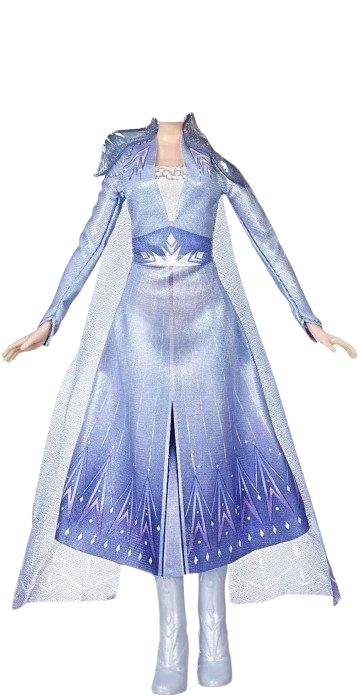
Disney Frozen Elsa Fashion Doll with Long Blonde Hair & Blue Outfit Inspired by Frozen 2
Check Price on Amazon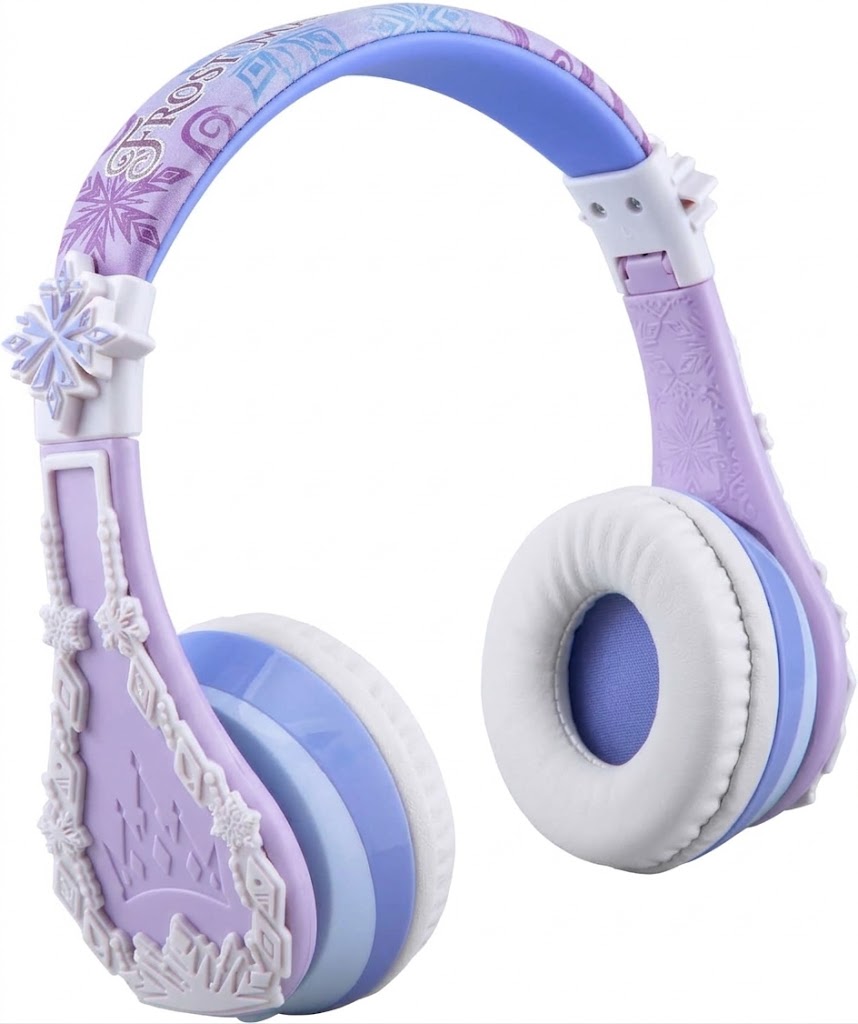
Frozen 2 Bluetooth Headphones with Microphone
Check Price on AmazonMenzel also reprised Elsa in Disney’s Frozen Fever short and Olaf’s Frozen Adventure. These shorter stories continue the characters’ lives outside the two feature films. The same main English-language performers help keep the characters’ voices and relationships consistent across different formats.
In Frozen II, Elsa’s story develops beyond the question of whether she should hide her abilities. She searches for answers about where those abilities came from and what role she should play. Menzel’s performance carries forward the character’s familiar restraint while giving her new moments of uncertainty and resolve.
Why do some versions have a different Elsa voice?
Animated films are released in many languages, and local-language versions are often dubbed. A dubbed edition replaces the original dialogue with recordings in another language. The local cast may include different actors for speaking and singing, depending on the production and language.
That means a person watching a Spanish, French, or other dubbed edition may hear a different performer as Elsa. It does not mean the original casting changed. To identify the performer you heard, check the credits for the particular language version rather than relying on the English-language cast list.
A useful detail: the end-credit version of “Let It Go” is also different from the in-story performance in the original English release. Before comparing voices, check whether you are listening to the movie scene, the end credits, or a dubbed soundtrack. Those are separate recordings and can feature different singers.
How to check the Frozen voice credits
If you want to verify who performed a specific character or song, use the credits for the exact version you watched. These steps help avoid mixing up the original film, a dubbed edition, and a soundtrack recording.
- Identify the version. Note the language of the dialogue and whether you watched the theatrical film, a short, or the sequel.
- Check the character credits. Look for the cast listing to confirm the speaking performer for Elsa or another character.
- Check the song credits separately. A soundtrack or end-credit listing can name a singer who is not the character’s voice actor in the film scene.
- Compare the recording context. “Let It Go” in Elsa’s scene and the end-credit pop version are not the same performance.
This small check is helpful because music platforms and video clips may label a track by its song title without explaining which version it is. A title alone may not tell you whether the recording comes from the film, the end credits, or a dubbed soundtrack.
Common mix-ups about Elsa’s voice
“Did Demi Lovato voice Elsa?”
No. Demi Lovato performed the end-credit pop version of “Let It Go” for the original English-language release. Idina Menzel voices Elsa and sings the version heard during the film’s story.
“Does Kristen Bell voice Elsa?”
No. Kristen Bell voices Anna, Elsa’s younger sister. Menzel voices Elsa. Their similar prominence in the film can make the cast easy to mix up, especially if you remember both performers from the songs.
“Is Idina Menzel Elsa’s voice in every language?”
No. Menzel performs Elsa in the original English-language version. Dubbed releases use performers for other languages, so the voice depends on the edition.
“Did Menzel sing only the big song?”
No. Menzel performs Elsa’s dialogue and musical parts in the original English-language film. “Let It Go” is the most famous example, but it is not the only part of her performance.
What makes Menzel’s performance memorable?
A memorable animated performance needs more than a recognizable voice. It must make the character’s thoughts understandable through vocal choices. Menzel brings control and force to Elsa’s delivery, allowing small changes in tone to signal when the character is holding back or taking a risk.
The songs also give Elsa a way to express feelings she has struggled to say aloud. Menzel’s theatrical singing makes those moments sound expansive, while her quieter dialogue keeps Elsa grounded between numbers. That balance is one reason the character feels like the same person in a conversation and in a musical sequence.
It is also useful to separate the performer’s work from the character’s popularity. Menzel gives Elsa her original English-language voice, but the character’s story, animation, music, and the wider cast all contribute to the finished film. The result is a character whose personality is communicated through several parts of the production at once.
Idina Menzel voices and sings for Elsa in the original English-language Frozen. Kristen Bell voices Anna, while Demi Lovato performs a separate end-credit version of “Let It Go.”
For the version you watched, check its language and song credits before identifying a performer. That quick distinction will tell you whether you are hearing Elsa’s in-film voice or a different recording.
So, who was the voice of elsa from frozen? It was Menzel in the original English release, and she returned for Frozen II and related shorts.