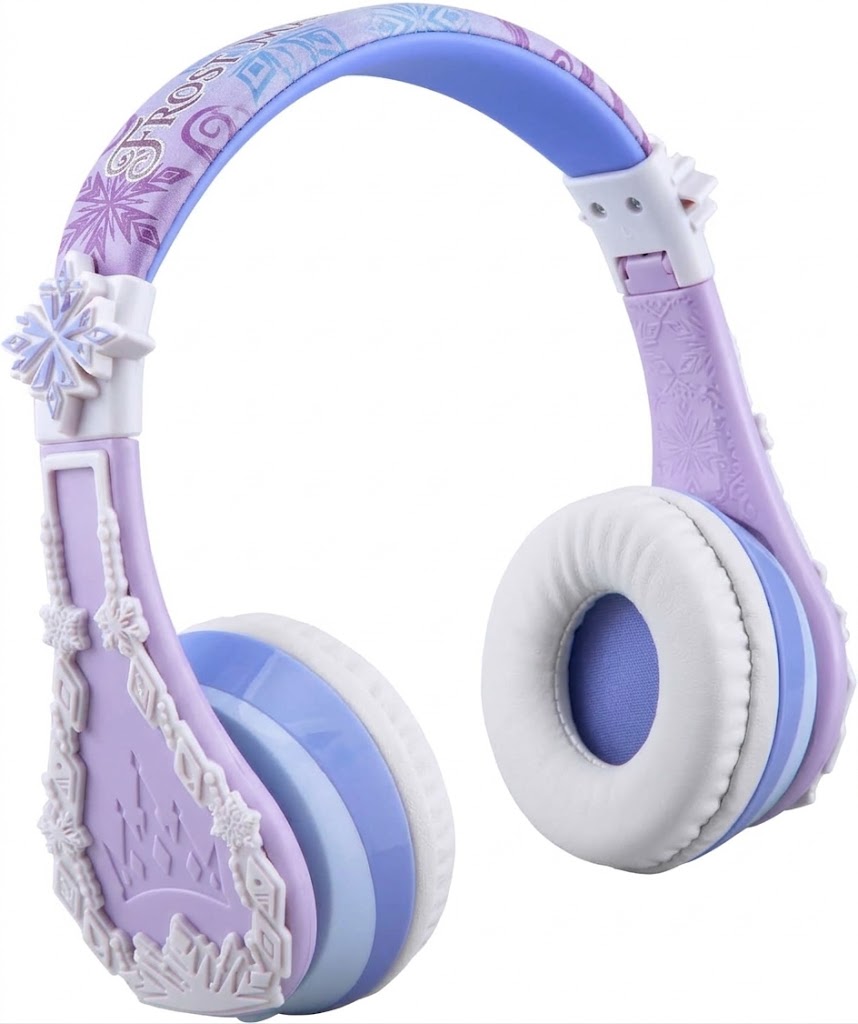
is frozen still popular? What keeps it going
Yes, Frozen is still popular, though its visibility naturally rises and falls between new releases. The Disney films, songs, characters, and stage production continue to give families plenty of ways to encounter the story.
That does not mean every viewer follows the franchise closely or that its biggest songs dominate conversation all the time. Popularity is broader than a viral moment: it can show up in repeat viewing, family entertainment, merchandise, and continued interest in new stories. Here’s what keeps the series familiar, what has changed since its first wave of attention, and how to tell lasting appeal from simple nostalgia.
is frozen still popular? The short answer
Yes. Frozen remains a recognizable and active Disney franchise, especially for families with children. Its popularity is sustained by more than the original movie: viewers can revisit the films, listen to the songs, see stage adaptations, and find related products and experiences.
But popularity is not one single measure. A film can remain widely recognized without being the most talked-about release every week. Some people follow the franchise closely, while others mainly know its characters and music from family viewing or cultural references.
The clearest way to put it is this: the intense first wave of attention has eased, but the franchise has not disappeared. It has shifted from a major new phenomenon into a familiar part of Disney’s family entertainment catalog.
Why the franchise keeps drawing viewers
The original film combines a straightforward emotional story with comedy, fantasy, and songs that are easy to remember. Its central relationship is between sisters, which gives the story a different focus from a romance-driven fairy tale. That emphasis helps parents and children find different things to care about in the same movie.
Elsa and Anna also have distinct personalities and story roles. Elsa’s struggle with fear and self-control gives the film an inner conflict, while Anna’s persistence keeps the plot moving. Olaf and other comic moments help balance the more serious scenes, making the movie accessible to a wide range of ages.
The soundtrack is another important part of the franchise’s staying power. A memorable song can travel beyond the movie through family playlists, school performances, sing-alongs, and online clips. People who have not watched the film recently may still recognize its music.
Finally, Frozen arrived with a visual style and setting that were easy to identify. Snow, ice, winter clothing, and the kingdom of Arendelle create a clear look that carries over to toys, costumes, events, and later stories. That visual consistency makes the franchise easy to recognize even in a brief appearance.
What “popular” means for a long-running family franchise
Search interest, box-office attention, everyday recognition, and sales are not interchangeable. A burst of online conversation may last a short time, while a family movie can keep finding new viewers for years. Conversely, a familiar character does not prove that every new release will attract the same level of attention as the original.
For a family franchise, repeat viewing matters. Children often watch favorite films more than once, and younger viewers may meet a story years after its first release. Parents may also introduce a film they remember to their children. This cycle can sustain awareness even when there is no new film in theaters.
Another useful distinction is between active fandom and broad recognition. A person might not follow updates or discuss the series online, yet still know Elsa, Anna, and several songs. That kind of recognition is a form of popularity, but it is different from a current trend dominating social media.
So if you are asking whether the franchise is still relevant, the answer is yes. If you mean whether it has the same constant cultural intensity as during its initial breakout, that is less likely. Both can be true at once.
Which parts of Frozen are still attracting attention?
The franchise has several entry points, and each serves a different audience. The films are the main starting point, but the music, characters, and live adaptations can keep interest going between movie releases.
| Part of the franchise | Why people return to it | Best for |
|---|---|---|
| Original film | Introduces the characters, setting, story, and best-known songs | First-time viewers and family movie nights |
| Follow-up film | Continues the characters’ stories and expands the fictional world | Viewers who want more of Anna and Elsa’s story |
| Soundtrack and songs | Offers a quick, repeatable way to enjoy familiar music | Sing-alongs, playlists, and younger fans |
| Stage production | Retells the story through live performance, music, and costumes | Theatergoers and families seeking an event |
| Merchandise and costumes | Lets fans express interest through dress-up, toys, and gifts | Children, collectors, and gift-givers |
These options do not all have the same audience or reach. A stage show may appeal to theater fans without being part of most people’s routine, while a familiar song can remain recognizable even to someone who has not seen a live performance.
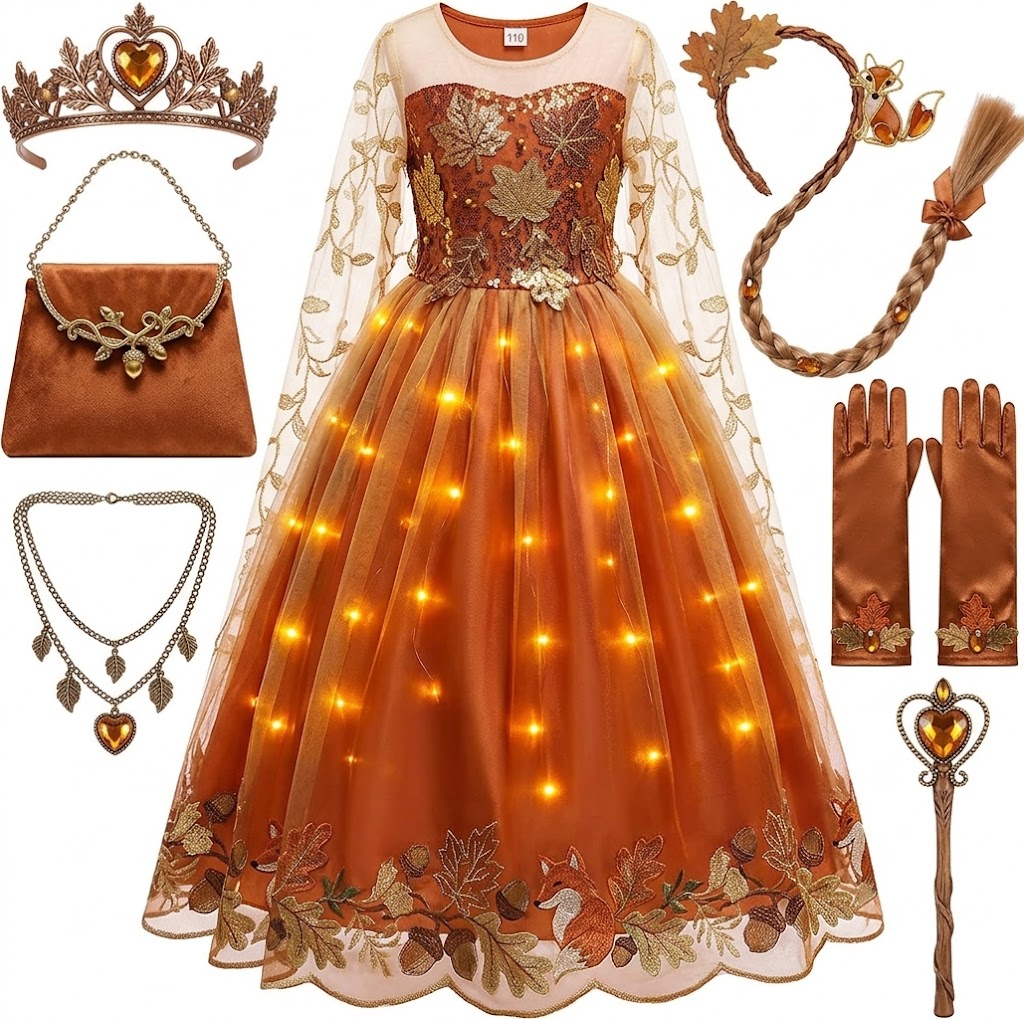
Princess Dresses for Girls Light Up Princess Costume for Christmas Halloween Toddler Princess Dress Up Clothes
Check Price on AmazonHow the sequels and related stories affect interest
A sequel can renew attention by giving existing fans a reason to revisit the characters. It can also help new viewers find the earlier film. At the same time, a follow-up does not automatically recreate the surprise or cultural impact of an original story. Viewers already know the characters, and expectations are higher.
The first film works as a complete introduction to the world and its central relationship. The follow-up broadens that world and gives the characters new questions to face. For many families, the films work best as related but distinct experiences rather than as a single story that must be watched in one sitting.
Related shorts, performances, and other franchise content can extend the life of the characters. These additions may be enjoyable, but they are not required to understand the main films. If you want a simple viewing plan, begin with the original movie and then watch the sequel. Add other material if a character or performance particularly interests you.
Announcements about future projects can also create periods of renewed conversation. That attention is a sign of continuing interest, but it is not proof that a new project will match the earlier films’ reception. Audience response becomes clearer only when people can actually see the work.
Is Frozen mainly popular with children?
Children are a major part of the audience, but the franchise is not limited to them. Adults may enjoy the humor, music, animation, themes of family loyalty, or the nostalgia of revisiting a film they watched when it first became popular. Parents may also appreciate a story that gives siblings a meaningful role.
Age can affect what a viewer notices. Younger children may focus on the songs, costumes, and comic characters. Older viewers may pay closer attention to the sisters’ choices and the way fear affects their relationship. Adults might focus on the themes or simply enjoy a familiar family movie.

Disney Frozen Kids' Bezel Stainless Steel Time Teacher Analog Nylon Strap Watch
Check Price on AmazonThat broad appeal helps explain why the series continues to appear in family settings. It does not mean everyone likes it. Some viewers prefer other kinds of animation, find the songs overplayed, or feel that the sequel is less memorable. Continued popularity does not require universal approval.
Signs of lasting appeal—and what they do not prove
Several clues suggest that a franchise has lasting appeal: people still recognize its characters, families continue to watch the films, music remains familiar, and related productions or products continue to find an audience. Together, these signs show that the series has a life beyond its original release.
However, a single clue can be misleading. A popular costume during one season does not tell you how many people watch the films. A song trending in a clip does not necessarily mean viewers are following every new project. Strong name recognition also does not guarantee that the franchise is equally popular in every country or age group.
For a more useful picture, look for several kinds of activity over time rather than one headline or social post. Ask whether the films are still being introduced to new viewers, whether people return to the music, and whether fresh productions keep attracting attention. This avoids confusing a short-lived spike with ongoing interest.
A common misconception is that “still popular” means “as popular as ever.” Long-running entertainment can remain successful and familiar while receiving less daily attention than it did at its peak. A quieter period is not the same as a decline into obscurity.
Why some viewers feel Frozen is less popular now
New movies, music, and online trends compete for attention. A franchise that once seemed to be everywhere can feel less visible when the news cycle moves on. That change can be especially noticeable to adults who remember the original release period and compare it with the present.
Children’s interests also change quickly. A child may move from one favorite character to another, while a younger sibling begins a new cycle of interest in the same film. The franchise’s audience can renew itself even if individual fans move on.
There is also a difference between daily conversation and long-term family use. A film does not need to dominate social feeds to remain a common choice at home. Streaming access, repeat viewing, and family recommendations can keep a title in circulation without constant public buzz.
For these reasons, the most accurate description is not that Frozen is everywhere all the time. It is that the series remains recognizable and continues to reach audiences through several channels, with attention rising when new content or events bring it back into focus.
How to decide whether it is worth watching today
If you have never watched the films, the original is still the best place to start. It introduces the characters and story without requiring knowledge of anything else. Watch it with an open mind rather than expecting every scene to feel new; its songs and characters have been referenced widely since its release.
If you already know the first movie, decide what you want from a revisit. The sequel offers more of the world and characters, while the soundtrack is an easy choice if you mainly want the music. A live production is a separate option for anyone who enjoys theater and wants a shared event.
- Start with the original film if you want the clearest introduction to the story.
- Continue with the sequel if you want to see how the characters’ journeys develop.
- Choose music or a stage version if songs or live performance are the main draw.
- Keep expectations realistic if you are comparing it with the first wave of excitement.
For parents choosing a family movie, consider a child’s comfort with emotional scenes and whether they enjoy musicals. The films mix comedy and songs with moments of danger and sadness, so a quick look at the story beforehand can help you decide if the timing is right.
What most people miss about its staying power
The franchise’s continued life is not just a matter of repeating one hit song. Its story gives families multiple ways to connect: siblings can relate to the central relationship, children can enjoy the fantasy and comedy, and adults can appreciate the music or themes. That range makes the film easier to share across ages.
Another overlooked factor is generational handoff. A franchise can remain familiar because older fans introduce it to younger relatives, who then experience it as a new story rather than as an old trend. The first release date matters less to those viewers than whether the film is available and enjoyable now.
At the same time, familiarity can work against a franchise. Repeated songs and references may feel overexposed to people who heard them constantly during the initial craze. That reaction is real, but it describes a particular audience’s experience; it does not tell the whole story of how new viewers respond.
In practical terms, long-term popularity often looks less dramatic than a breakout. It can mean the title remains a dependable family choice, its characters stay recognizable, and new audiences keep finding it. Those steady forms of attention are easy to overlook because they are not always headline-making.
Yes, Frozen is still popular, particularly as a familiar family franchise. Its current presence may be quieter than its original cultural wave, but the films, songs, characters, and related productions continue to reach audiences.
If you have not seen it, start with the original film; if you already know it, choose the sequel, soundtrack, or stage version based on what you enjoy most. That is the simplest way to judge its appeal for yourself rather than relying on a single trend or headline.
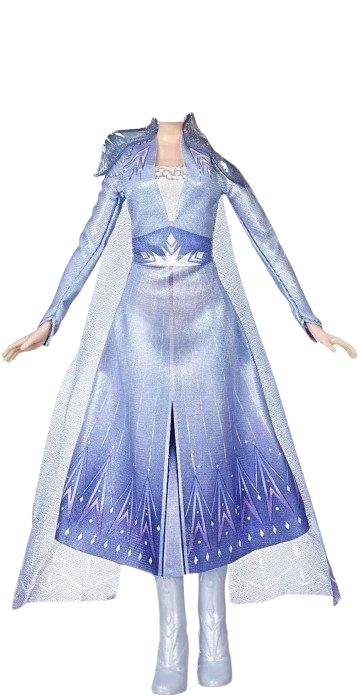
Disney Frozen Elsa Fashion Doll with Long Blonde Hair & Blue Outfit Inspired by Frozen 2
Check Price on Amazon