which yogurt can be frozen: best types and tips
Most yogurt can be frozen, but plain, full-fat varieties usually keep a creamier texture than low-fat or fruit-on-the-bottom styles. Greek yogurt, regular yogurt, and many dairy-free yogurts are all suitable for freezing, though they may separate or turn grainy after thawing.

Framendino, 16 Pack Artificial Chicken Nuggets Fake Fried Food Models Props for Kitchen Decor
Check Price on AmazonThe best choice depends on how you plan to use it. This guide explains which varieties freeze well, how to portion and store them, what to expect after thawing, and how to use yogurt that no longer feels smooth enough to eat by the spoonful.
which yogurt can be frozen, and which types work best?
You can freeze most commercially packaged yogurt, including plain, flavored, Greek, Icelandic-style, and many plant-based varieties. Freezing keeps yogurt cold enough to stop most spoilage activity while it is frozen, but it does not preserve the original texture perfectly. Once thawed, yogurt often looks thinner, separated, or slightly grainy.
Plain, full-fat yogurt is usually the most versatile choice. Its higher fat content can help it feel richer after thawing, and its mild taste works in sauces, smoothies, baking, and cooked dishes. Greek yogurt is also a practical option, especially for smoothies and recipes that benefit from a thicker starting consistency.
Low-fat and fat-free yogurt can be frozen too. They may show more noticeable separation or a watery texture after thawing, so they are often better for blending or cooking than for eating plain. Sweetened, fruit-flavored, and whipped varieties also freeze, but their ingredients can affect how evenly they thaw and how pleasant the final texture feels.
| Yogurt type | What to expect after thawing | Best for |
|---|---|---|
| Plain, full-fat yogurt | Often richer, though it may separate | Sauces, baking, smoothies, or eating after stirring |
| Greek yogurt | Usually thick, but can become grainy or release liquid | Smoothies, dips, marinades, and cooking |
| Low-fat or fat-free yogurt | More likely to feel thin or separated | Smoothies, soups, sauces, and baking |
| Flavored or fruit yogurt | Fruit and sweeteners may thaw unevenly | Smoothies, frozen snacks, or blended desserts |
| Plant-based yogurt | Results vary with the base and added stabilizers | Blended drinks and recipes using the same type |
| Whipped or specialty yogurt | Airiness may disappear; texture may change more | Blended recipes rather than serving as-is |
Greek yogurt and strained styles
Greek yogurt has had some liquid whey strained out, which gives it a thicker consistency before freezing. That does not mean it will thaw perfectly smooth. Ice crystals can still disrupt its structure, leaving it clumpy or watery. Stir it well, whisk it, or blend it if the change bothers you.
Thick yogurt is especially handy in marinades, dips, and baking. In a marinade, a little separation generally does not matter because the yogurt is mixed with other ingredients. For a dip, whisk the thawed yogurt and drain excess liquid first if it seems too loose.
Plant-based yogurt
Coconut, soy, oat, almond, and other plant-based yogurts can generally be frozen, but their results differ by brand and recipe. Some contain starches, gums, or other stabilizers that help maintain a smooth texture; others may separate more after thawing. The flavor base can also become more noticeable in a recipe.
If you plan to freeze a plant-based product for a specific dish, try a small portion first. Use the same type in the final recipe, since coconut yogurt, for example, may add a different taste and richness than soy or oat yogurt.
Why yogurt changes texture in the freezer
Yogurt is a mixture of water, milk proteins, fat, and live cultures. As its water freezes, ice crystals form and can disrupt the network that gives yogurt its smooth, thick texture. When the yogurt thaws, some liquid may separate from the solids. This is a texture change, not by itself proof that the yogurt has spoiled.
The size and distribution of ice crystals influence how noticeable the change is. Slow freezing and repeated temperature swings can encourage larger crystals, while a steady freezer temperature helps limit changes. Even with careful storage, home-frozen yogurt may not return to its original consistency.
Stabilizers and added ingredients make a difference, but the label does not guarantee a particular result. Fruit pieces can soften, syrup can collect in one area, and sweeteners may make a frozen portion feel softer than plain yogurt. Whipped yogurt can lose some of its airy quality because freezing disrupts the bubbles that make it light.
Important distinction: a separated texture is usually a quality issue, while spoilage is a food-safety issue. Check the yogurt’s storage history, packaging, smell, and appearance rather than judging safety by texture alone. Do not taste food that seems spoiled to test whether it is safe.
How to freeze yogurt without making a mess
Freeze yogurt in a portion size that matches how you expect to use it. Small portions thaw faster and are easier to add to smoothies, while a larger container works if you regularly use yogurt in recipes. Leave a little room in a rigid container because contents can expand as they freeze.
- Check the yogurt first. Freeze it while it is fresh and still within its safe storage period. Do not try to rescue yogurt that has been left unrefrigerated too long or already shows signs of spoilage.
- Choose a freezer-safe container. Use a clean, airtight container or a freezer bag. If freezing in the original tub, check that the packaging is suitable for freezer storage and leave headspace rather than filling it to the rim.
- Divide it into useful portions. Measure amounts for smoothies, sauces, or recipes before freezing. Ice cube trays or small silicone molds can make handy portions; once solid, transfer the portions to a sealed freezer bag.
- Seal and label the package. Press excess air from a freezer bag and close it securely. Write the contents and freezing date on the package so you can identify it and use older portions first.
- Freeze it promptly and keep it steady. Place the container in a consistently cold part of the freezer, not in the door where temperatures fluctuate more. Keep it away from foods with strong odors if the packaging is not fully sealed.
Airtight packaging helps limit exposure to air and freezer odors. It also reduces moisture loss and the chance of freezer burn, which can dry out the surface and harm quality. If using an ice cube tray, cover it while the portions freeze, then move the frozen pieces into a closed bag or container.
How long can yogurt stay frozen?
For best quality, aim to use frozen yogurt within about one to two months. It may remain frozen longer if kept continuously at a safe freezer temperature, but flavor and texture can deteriorate over time. Freezing does not make yogurt immune to temperature changes or poor handling.
The date on the package and the condition of the yogurt before freezing still matter. Freezing does not reset a product’s freshness or make spoiled yogurt safe. If the yogurt was near the end of its usable life when frozen, thaw and use it promptly rather than treating it as newly purchased.
Labeling portions makes it easier to rotate stock and avoid forgotten containers. For a large tub, write the date on the lid and consider dividing the contents before freezing. Repeatedly thawing and refreezing the same container can worsen quality and makes it harder to track how long it has been out of the freezer.
How to thaw frozen yogurt safely
The refrigerator is the best place to thaw yogurt. Set the sealed container on a plate or in a bowl in case liquid leaks, then let it thaw until soft enough to stir. Small portions may thaw sooner than a full tub, so check them rather than relying on a fixed time.
Once thawed, stir the yogurt thoroughly to recombine some of the liquid and solids. A whisk or blender can smooth out mild separation. If excess whey remains, drain it through a fine strainer lined with a clean cloth or coffee filter, but expect a thicker and slightly different product.
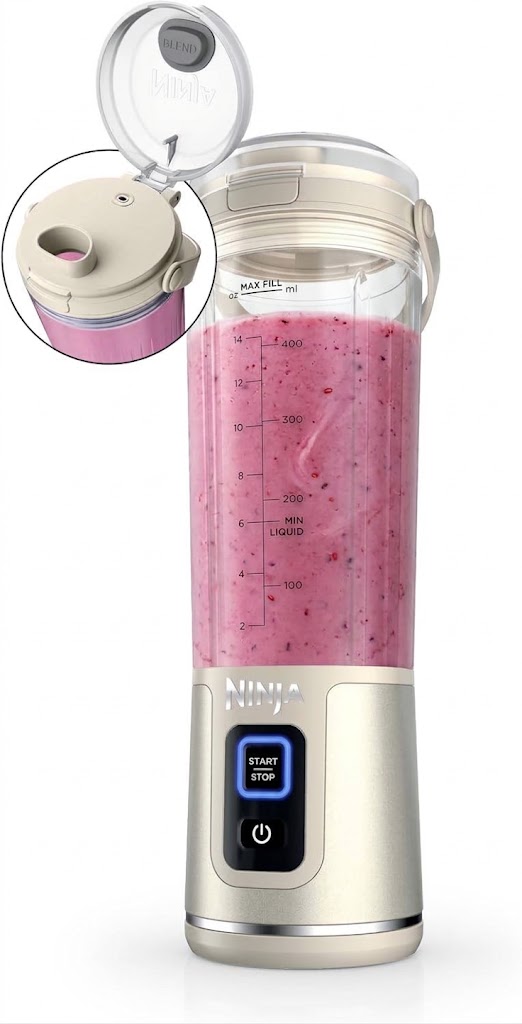
Ninja Blast Portable Blender, Cordless,18oz Vessel, Vanilla Bean
Check Price on AmazonKeep thawing yogurt refrigerated. Do not leave it on the counter for an extended period, and do not thaw it in warm water. Once it has thawed, use it within a few days and follow the package’s handling guidance. If you are unsure how long it was warm or whether it was stored safely, discard it.
For a smoothie, you can often add frozen yogurt portions directly to the blender without thawing. This saves time and makes the drink cold and thick. For a recipe that requires a smooth mixture, thaw first and stir or blend before measuring.
Best ways to use yogurt after it has been frozen
Thawed yogurt works well in recipes where a small texture change is hard to notice. Blending, whisking, or cooking can incorporate separated liquid and solids. Choose uses that suit the flavor and fat level of the yogurt rather than expecting every thawed tub to behave exactly like fresh yogurt.
- Smoothies: Add frozen portions straight to the blender with fruit and liquid. The yogurt contributes creaminess and chill.
- Baking: Use thawed yogurt in quick breads, muffins, pancakes, or cakes when the recipe calls for yogurt. Stir it until evenly mixed before measuring.
- Marinades: Mix it with spices, herbs, and other ingredients. A slightly less smooth texture is usually unimportant once the marinade is combined.
- Soups and sauces: Stir yogurt into a cooled or gently warmed dish. Avoid boiling it, since high heat can cause dairy yogurt to curdle or separate further.
- Dips and dressings: Whisk it with seasonings and drain off extra liquid if needed. A thicker style, such as Greek yogurt, may be easier to use.
- Frozen treats: Blend it with fruit or other ingredients and freeze in molds. The result will be closer to a frozen snack than to freshly thawed yogurt.
For the best texture in a cold dip, fresh yogurt is usually preferable. If using thawed yogurt, blend it smooth and adjust thickness with a little fresh yogurt or by draining off liquid. Add herbs and delicate ingredients after thawing so you can adjust the seasoning to the final texture.
Can you freeze yogurt in its original container?
Sometimes. Check the package and leave room at the top for expansion. A rigid tub that is too full may crack or deform, while a container that is not designed for freezer use may not protect the yogurt well. If the tub is nearly full, transfer the yogurt to a freezer-safe container or remove a portion first.
Single-serving cups can be frozen in their original packaging if the seal is intact and the package is suitable for freezing. They are convenient for portioning, but the texture after thawing may be less appealing. For a frozen snack, you can also eat an individual cup while it is still partly frozen, as long as it has been handled safely.
Do not freeze yogurt in a glass jar unless the jar is specifically suitable for freezing and has enough headspace. Liquid expands as it freezes, and glass can crack. A flexible freezer bag or a freezer-rated plastic container is a safer, more practical choice for most home kitchens.
Common freezing mistakes to avoid
Expecting thawed yogurt to be identical to fresh
Freezing is useful for extending storage and reducing waste, but it can alter texture. If smooth, spoonable yogurt is important, buy an amount you can finish refrigerated or reserve frozen yogurt for blended and cooked recipes.
Freezing a large tub when you need small amounts
A large block takes longer to thaw and encourages repeated thawing of the whole container. Portion yogurt before freezing so you can take out only what you need. This also makes it easier to add measured amounts to baking or smoothies.
Leaving the package unsealed
Open packaging can expose yogurt to freezer odors and dry air. Close it tightly, remove excess air from bags, and use a clean container. Small steps in packaging help preserve flavor and reduce surface damage.
Assuming separation means it is unsafe
A pool of liquid is often separated whey, and stirring may bring the yogurt back together partially. However, texture alone cannot confirm safety. If the yogurt smells unusual, shows mold, has damaged packaging, or may have been stored too warm, discard it rather than trying to fix it.
Refreezing thawed yogurt by default
Refreezing may further damage texture, and it complicates safe handling if the yogurt has warmed during thawing. Thaw only the quantity you expect to use. If it has thawed in the refrigerator and remained cold, follow food-safety guidance for the product, but freezing it again is generally a poor choice for quality.
Should you freeze yogurt or make frozen yogurt?
Simply freezing a tub of yogurt is not the same as making a smooth frozen-yogurt dessert. A container of yogurt can freeze into a firm, icy mass, especially if it is low in fat or contains little sugar. For a creamy treat, blend yogurt with fruit or another suitable ingredient, then freeze it in small portions or churn the mixture if you have an ice cream maker.
For an easy snack, spread yogurt on a lined tray, add small pieces of fruit, freeze it until firm, and break it into pieces. Keep the pieces in a sealed freezer container. This makes a convenient cold snack, though the texture will still differ from commercial frozen yogurt, which is formulated and processed for a smoother result.
If you are freezing yogurt mainly to avoid waste, freeze it plain and use it in recipes. If you want a dessert, add flavorings before freezing and expect to adjust the mixture after blending. The best method depends on whether you value convenience, smoothness, or using up an open container.
Most yogurt can be frozen, but plain, full-fat and Greek varieties are often the most useful choices. Expect some separation after thawing; stirring or blending usually helps, especially when the yogurt is headed for a smoothie, sauce, or baked recipe.
For a practical next step, portion fresh yogurt into airtight freezer-safe containers, label each one, and freeze only what you can use in the next month or two for best quality. Thaw portions in the refrigerator, and discard any yogurt with signs of spoilage or an uncertain storage history.
Knowing which yogurt can be frozen helps you reduce waste without expecting frozen yogurt to have exactly the same texture as fresh. Match the type to the dish, and you can put thawed portions to good use.
