should yogurt be frozen or refrigerated? Storage tips
Should yogurt be frozen or refrigerated? Keep it refrigerated for everyday use; freeze it only when you need to store it longer and can accept a change in texture. Yogurt stays safest and most pleasant to eat when kept cold, covered, and handled with clean utensils.
This guide explains how long yogurt typically keeps, how to freeze and thaw it, and what to expect from the texture afterward. You’ll also learn how to handle opened containers, recognize signs of spoilage, and avoid common storage mistakes.
should yogurt be frozen or refrigerated?
Refrigerate yogurt for regular use. Freezing is an option for longer storage, but it can make yogurt watery, grainy, or separated after thawing. If you plan to eat it soon, keep it in the refrigerator rather than the freezer.
Set your refrigerator to 40°F (4°C) or colder, and store yogurt on a shelf rather than in the door. The temperature in the door fluctuates more as it opens and closes. For longer-term storage, keep the freezer at 0°F (-18°C) or colder.
Freezing preserves yogurt by keeping it solidly frozen, but it does not improve yogurt that was already spoiled or left warm too long. Start with a fresh, properly chilled product. Follow any storage instructions printed on the package, since brands and yogurt styles can differ.
How long does yogurt last in the refrigerator?
As a practical guideline, yogurt that has been continuously refrigerated is often good for about one to two weeks after opening, though the package date and its handling matter. An unopened container may remain in good condition until its printed date, and sometimes beyond it, if it has stayed cold and the seal is intact. These are general guidelines, not guarantees.
“Best by” and similar dates usually indicate quality, not a precise moment when food becomes unsafe. Still, don’t ignore a damaged seal, poor refrigeration, or signs of spoilage. If the label gives a shorter storage period after opening, use that instruction.
Once opened, keep the lid closed between servings and return the container to the refrigerator promptly. Use a clean spoon each time. Eating directly from the tub can introduce food and saliva that shorten its useful storage time.
Use time and temperature as well as the date
Perishable food should not sit at room temperature for more than two hours. If the surrounding temperature is above 90°F (32°C), such as in a hot car or outdoors, the limit is one hour. If yogurt has been left out longer, the safest choice is to discard it, even if it smells normal.
Repeated warming and cooling can also reduce quality and make safe storage less dependable. Take out the portion you need, then put the container back in the refrigerator. For lunch or travel, pack yogurt with an ice source rather than leaving it in a warm bag.
Refrigerating and freezing yogurt compared
| Storage method | What to expect | Best for |
|---|---|---|
| Refrigerator at 40°F or colder | Keeps yogurt ready to eat with its usual texture; follow package directions and use it promptly after opening. | Everyday eating and recipes that need smooth yogurt |
| Freezer at 0°F or colder | Extends storage, but thawed yogurt may separate or feel grainy; quality is generally best when used within about one to two months. | Extra yogurt for smoothies, baking, or cooked dishes |
| Room temperature | Not appropriate for routine storage; time out of refrigeration adds up. | Brief serving periods only, within food-safety time limits |
The freezer time shown is a quality guideline, not a guarantee that yogurt suddenly becomes unsafe afterward. Food kept continuously frozen remains frozen, but its taste and texture can decline. Mark the container with the freezing date so you can use older portions first.
How to freeze yogurt without making a mess
Yogurt can be frozen in its original container if the package is freezer-safe and has room for expansion. If the container is full, transfer the yogurt to a freezer-safe, airtight container and leave a little space at the top. Liquid expands as it freezes, so a completely full container may crack, leak, or push off its lid.
- Check the yogurt first. Freeze it while it is fresh and cold. Don’t use freezing to rescue yogurt that smells off, has visible mold, or was left unrefrigerated too long.
- Choose a suitable container. Use a tightly sealed freezer-safe tub or a heavy-duty freezer bag. For single servings, divide the yogurt into portions before freezing. This lets you thaw only what you need.
- Label it. Write the type of yogurt and the date on the container. Frozen containers can be difficult to identify once covered with frost.
- Freeze promptly. Place the container in the freezer, not on the door if the door is opened frequently. Keep it away from items that may crush or puncture it.
- Thaw safely. Move the portion to the refrigerator and allow it to thaw while cold. Stir it after thawing if you plan to use it in a smoothie, sauce, or recipe.
For small amounts, freeze yogurt in an ice cube tray, then move the solid cubes to a sealed freezer bag. This is handy for smoothies and sauces. Freeze plain yogurt in a tray if you want the most flexibility; flavored yogurt can work too, but added fruit or sweeteners may change the texture.
What happens to yogurt texture after freezing?
Yogurt is a mixture of water, milk proteins, and other components. As it freezes, ice crystals form and can disrupt the smooth structure. After thawing, some liquid may separate from the thicker part. This liquid is whey, a naturally occurring part of yogurt, and separation by itself does not mean the yogurt has spoiled.
Stirring can bring the mixture back together somewhat, but it may not return to its original consistency. Some yogurt becomes grainy or thinner; strained styles such as Greek yogurt may also change. Results vary by product, fat level, stabilizers, and how quickly it freezes and thaws.
Frozen yogurt is usually best used in dishes where a perfectly smooth texture is not essential. Add thawed yogurt to smoothies, pancake or muffin batter, marinades, soups, or cooked sauces. For a bowl with fresh fruit or a smooth dip, refrigerated yogurt is usually a better choice.
Can you eat yogurt straight from the freezer?
You can eat yogurt while it is frozen, provided it was safe to freeze and has been kept frozen properly. It will be firm and may have an icy texture, especially if it was not made as a frozen dessert. Let it soften briefly in the refrigerator if you prefer a softer spoonful.
Freezing ordinary yogurt does not turn it into the same product as commercially made frozen yogurt or ice cream. Those products are formulated and processed for a smoother frozen texture. Expect ordinary yogurt to freeze hard, and avoid leaving it out to soften for a long time.

Framendino, 16 Pack Artificial Chicken Nuggets Fake Fried Food Models Props for Kitchen Decor
Check Price on AmazonDoes freezing affect live cultures?
Many yogurts contain live cultures, which are beneficial bacteria used to ferment milk. Freezing does not necessarily eliminate every culture, but it can reduce the number of living bacteria, and the effect varies with the product and storage conditions. Thawed yogurt should not be relied on as having the same culture levels as fresh yogurt.
If you choose yogurt for its live cultures, refrigeration is the better everyday storage choice. Check the product label for information about cultures, and follow the stated storage directions. Freezing is primarily a way to extend storage and reduce waste, not a way to improve or preserve a specific health effect.
How to tell if yogurt has spoiled
Check the container, smell, and appearance before eating yogurt that has been stored for a while. A little liquid on top can be normal whey. In contrast, fuzzy or colored mold, an unusually swollen container, a damaged seal, or a strong unpleasant odor are reasons to discard it.
Don’t taste yogurt to decide whether it is safe if you see mold or notice an off smell. Because yogurt is soft and moist, visible mold may extend beyond the spot you can see. Discard the whole container rather than removing the affected area.
A slight sourness is normal in yogurt, so sour taste alone is not a reliable spoilage test. Use the product’s history as well: if it has been warm for too long, discard it even if its appearance seems fine. When you are unsure about its handling or condition, don’t eat it.
Common yogurt storage mistakes to avoid
- Storing it in the refrigerator door: The temperature can vary with frequent opening. Put yogurt on an interior shelf where the temperature stays more stable.
- Putting a used spoon back in the tub: Food residue can introduce contaminants. Serve a portion with a clean utensil and keep the lid closed afterward.
- Freezing a completely full container: Expansion can crack the package or force the lid open. Leave headspace or divide the yogurt into smaller containers.
- Thawing it on the counter: Thaw yogurt in the refrigerator to keep it cold. Avoid leaving it at room temperature for hours.
- Expecting thawed yogurt to be identical to fresh: Separation and texture changes are common. Save frozen portions for recipes where texture matters less.
- Refreezing a thawed portion repeatedly: Repeated temperature changes can harm quality and increase handling risks. Thaw only the amount you expect to use.
One often-missed detail is that freezing does not reset the clock on yogurt that was already opened or mishandled. Freeze fresh yogurt promptly, and keep track of how long it was refrigerated before freezing. A container that has spent too long warm should be discarded rather than frozen for later.
Which types of yogurt freeze best?
No type is guaranteed to keep its original texture after freezing, but intended use can help you choose what to freeze. Plain yogurt is versatile in cooking, while sweetened or fruit-flavored yogurt may be more convenient for smoothies or frozen snacks. If you mainly want a smooth topping, keep that portion refrigerated.
| Yogurt type | After thawing | Practical use |
|---|---|---|
| Plain regular yogurt | May separate and become thinner | Smoothies, baking, marinades, and cooked dishes |
| Greek or strained yogurt | Can become grainy or release liquid | Smoothies, dips after thorough stirring, and recipes |
| Fruit-flavored yogurt | Fruit pieces may soften or separate | Smoothies or frozen portions eaten partly frozen |
| Drinkable yogurt | May separate; shake or stir after thawing | Smoothies or other blended drinks |
| Dairy-free yogurt | Texture changes vary by plant base and brand | Freeze a small portion first to check how it works in recipes |
Plant-based yogurts can behave differently because they use different ingredients and thickeners. If you have a large container, freeze a small test portion first. That simple check prevents disappointment if the thawed product does not suit the recipe you had in mind.
Practical choices for leftovers and meal prep
If you have more yogurt than you can use soon, decide based on how you plan to use it. Keep a small amount refrigerated for snacks and toppings, then freeze the surplus in recipe-sized portions. This avoids thawing a large tub when a recipe needs only a few spoonfuls.
For meal prep, add frozen yogurt cubes directly to a blender for smoothies. For a dip or sauce, thaw the amount needed in the refrigerator and stir well. If the texture remains uneven, whisk it or use it in a blended or cooked recipe rather than serving it plain.
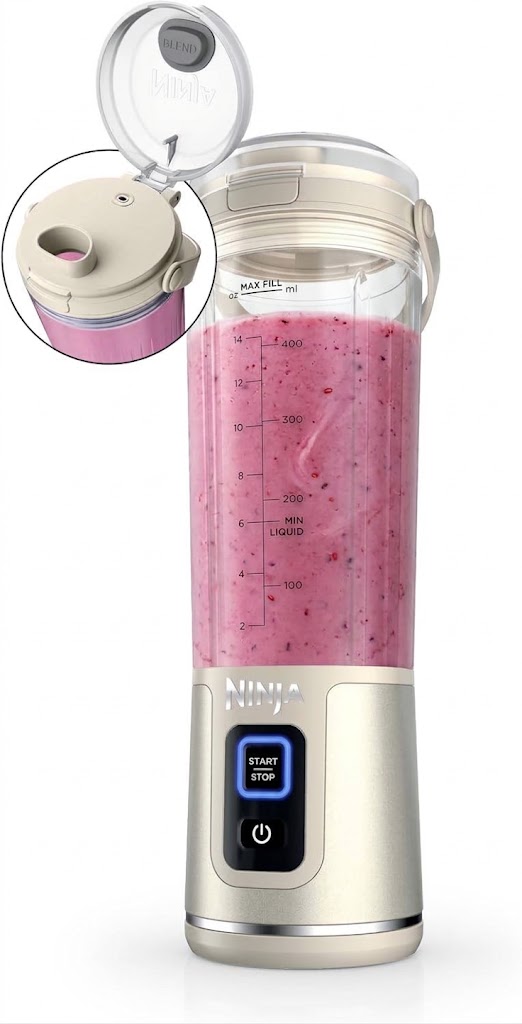
Ninja Blast Portable Blender, Cordless,18oz Vessel, Vanilla Bean
Check Price on AmazonFor baking, thawed yogurt can often replace fresh yogurt in recipes that mix it into batter, though a watery portion may need stirring first. In cold sauces, separation may be more noticeable, so use fresh refrigerated yogurt when smooth appearance and consistency are important.
Keep yogurt away from raw meat and any leaking packages in the refrigerator. Store it covered and place it where spills cannot contaminate other food. These small habits protect the yogurt and make its storage life more predictable.
For everyday eating, keep yogurt refrigerated at 40°F or colder. Freeze fresh yogurt only when you need longer storage, and expect some separation or texture change after thawing.
For your next step, portion any extra yogurt into airtight, labeled containers and freeze it promptly. Thaw portions in the refrigerator and use them in smoothies, baking, or cooked dishes.
should yogurt be frozen or refrigerated? Choose refrigeration when texture matters, and freezing when convenience and reducing waste matter more.
