what desserts can i make with frozen fruit: Easy Ideas
You can make crisps, cobblers, smoothies, sorbet, popsicles, fruit sauces, and plenty of other desserts with frozen fruit. In most recipes, use it straight from the freezer; thawing first can make fruit watery and slow you down.
The best choice depends on the fruit and the time you have. Below, you’ll find practical dessert ideas, simple methods, and tips for adjusting sugar and liquid. You’ll also learn when frozen fruit works as well as fresh, how to prevent soggy toppings, and how to use a partly thawed bag without wasting it.
What desserts can i make with frozen fruit?
Frozen fruit is useful in baked desserts, chilled treats, and quick sauces. Try a fruit crisp, cobbler, crumble bars, muffins, pie filling, yogurt bark, a smoothie bowl, sorbet, or warm fruit compote. Most of these recipes work with berries, cherries, peaches, mango, or a mixed-fruit blend.
For baking, you can usually add frozen fruit without thawing it. This keeps it from releasing as much juice before it reaches the oven. For smoothies and blended frozen treats, use the fruit frozen so it adds body and chills the mixture. Thaw fruit when you need to drain it, mash it, or cook it into a smooth sauce.
Quick rule: use frozen fruit straight from the freezer for baking and blending, and thaw it for sauces or fillings that need a controlled texture. If a recipe gives a specific instruction, follow that first.
Choose a dessert based on your fruit
Different fruits behave in different ways. Berries release juice readily, while peaches and mangoes have softer, larger pieces. That affects how much thickener or extra liquid a recipe needs.
| Frozen fruit | Good dessert choices | Useful adjustment | Best for |
|---|---|---|---|
| Blueberries, raspberries, blackberries | Crisp, muffins, sauce, smoothie | Expect extra juice; add a little starch to baked fillings if needed | Fast baking and breakfast-style treats |
| Strawberries | Sorbet, popsicles, crumble, shortcake topping | Drain thawed berries for toppings that should not be watery | Blended treats and simple sauces |
| Peaches | Cobbler, crisp, hand pies, compote | Cut large slices into smaller pieces while partly thawed | Warm, spoonable desserts |
| Cherries | Pie filling, crisp, sauce, chocolate smoothie | Check that the fruit is pitted before using | Rich baked desserts and sauces |
| Mango or pineapple | Sorbet, popsicles, smoothie bowls | Use little or no added liquid when blending | Tropical frozen treats |
| Mixed berries | Crisp, yogurt bark, sauce, smoothie | Taste before sweetening; blends vary in tartness | Flexible recipes with a mix of textures |
Use the table as a starting point, not a strict rule. A mixed bag can work in a crisp or smoothie even if the fruit pieces are uneven. For a pie or tart, choose a recipe made for the fruit’s moisture level, since liquid can soften the crust.
Easy baked desserts with frozen fruit
Fruit crisp or crumble
A crisp is one of the simplest ways to use a bag of frozen fruit. Put the fruit in a baking dish, add sugar and a little lemon juice if needed, then cover it with a crumbly oat or flour topping. Bake until the fruit bubbles and the top turns golden.
Use a small amount of cornstarch or flour in the filling if the fruit is especially juicy. The exact amount depends on the quantity of fruit and the recipe, so follow a tested formula rather than adding a large scoop by guesswork. Too much thickener can make the filling pasty.
For a quick topping, rub together flour, oats, brown sugar, a pinch of salt, and cold butter until you have uneven crumbs. Scatter them over the fruit without pressing them down. Leaving gaps lets steam escape and helps the topping bake instead of becoming dense.
Cobbler
Cobbler pairs cooked fruit with a biscuit-like or cake-like topping. Put frozen fruit in the baking dish with the sweetener and any recipe-required thickener. Add spoonfuls of topping over the surface, leaving some fruit visible so steam can escape.
Frozen fruit may need a little longer in the oven than fresh fruit because it begins colder. Look for bubbling filling and a fully baked topping rather than relying only on the clock. If the top browns before the fruit is bubbling, loosely cover the dish with foil and continue baking.
Muffins and quick breads
Fold frozen berries into muffin or quick-bread batter at the end. Keep them frozen until you are ready to mix them in, and stir gently. Thawed fruit can bleed juice through the batter and create damp streaks or pockets.
For larger pieces, such as peach slices, cut them into smaller chunks while still partly frozen. A light coating of flour is sometimes used to help fruit stay distributed, but it is not a cure for overmixing. Stop stirring as soon as the fruit is spread through the batter.
Pie and hand-pie filling
Frozen fruit can make pie filling, but moisture control matters more here than in a crisp. A crisp has an open top that allows steam to escape; a covered pie traps more moisture. Use a pie recipe that specifies the fruit and thickener, and avoid adding extra juice from a thawed bag.
For small hand pies, thaw and drain the fruit if the recipe requires a thick filling. Keep the pastry cold, use only a modest amount of filling in each piece, and seal the edges firmly. Overfilled pastry can split as the fruit heats and releases juice.
Fast no-bake treats and chilled desserts
Fruit sauce or compote
To make a simple sauce, put frozen fruit in a saucepan with a small splash of water and sweetener to taste. Warm it over medium-low heat, stirring occasionally, until the fruit softens and releases its juices. Mash it for a rustic sauce or blend it for a smoother one.
For a thicker result, simmer the sauce uncovered so some liquid evaporates. If you need more thickening, mix a small amount of cornstarch with cold water before stirring it into the hot fruit. Adding dry cornstarch directly can leave lumps. Cool the sauce before spooning it over cheesecake, pancakes, ice cream, or yogurt.
Yogurt bark
Spread thick yogurt in a thin layer on a parchment-lined tray. Add small pieces of frozen fruit, a little granola, or a few chocolate chips, then freeze until firm. Break the slab into pieces and serve promptly, because it softens quickly at room temperature.
Large frozen fruit chunks can make bark awkward to bite and may fall off. Cut them smaller or thaw them just enough to slice, then pat away excess moisture before adding them. A thicker yogurt layer is easier to lift and break than a very thin one.
Fruit-and-cream popsicles
Blend frozen fruit with yogurt, milk, or a dairy-free alternative until smooth. Taste the mixture and add a little sweetener if the fruit is tart. Pour it into popsicle molds, insert sticks, and freeze until solid.
For a striped look, blend two fruit mixtures separately and alternate spoonfuls in the molds. Leave a little room at the top because the mixture can expand as it freezes. If you do not have molds, small freezer-safe cups can work; cover them and add sticks once the mixture is partly firm.
Frozen fruit desserts you can blend
One-ingredient or simple sorbet
For a quick sorbet-style treat, blend frozen fruit in a food processor until it turns smooth and scoopable. Berries, mango, and peaches are good choices. The fruit may first break into crumbs, then become creamy as the pieces blend together.
If the blades stop moving, pause and scrape down the sides. Add liquid a teaspoon at a time only if needed; too much will turn the mixture into a drink. For a sweeter, softer texture, blend in a little honey, sugar syrup, or another sweetener, then serve right away or freeze briefly in a covered container.

Framendino, 16 Pack Artificial Chicken Nuggets Fake Fried Food Models Props for Kitchen Decor
Check Price on AmazonSmoothie bowls
Blend frozen fruit with just enough yogurt, milk, or juice to get the blades moving. A thick mixture is easier to eat with a spoon and hold toppings. Start with less liquid than you think you need, then add small splashes as the fruit blends.
Top a smoothie bowl with granola, seeds, sliced banana, or coconut. Add crunchy toppings just before serving so they do not soften. If the bowl becomes too thin, add more frozen fruit or let it sit in the freezer briefly; do not expect extra toppings to thicken it.
Frozen fruit and chocolate bites
Strawberries, banana slices, and cherries can be paired with melted chocolate for a small frozen treat. If using thawed fruit, dry the surface well first; water can cause chocolate to seize or slide off. Dip or drizzle, set the pieces on parchment, and chill until the coating firms.
For fruit that is already frozen, work in small batches. Condensation can form as it warms, so serve soon after coating. This is a good way to use fruit in individual portions, but it is less suitable for fruit with lots of loose ice crystals.
How to keep frozen fruit desserts from getting watery
Extra liquid is the most common problem. Frozen fruit can release juice as it warms, and fruit that has thawed in its bag may already be surrounded by liquid. A watery result is not always a sign that the fruit is poor quality; it often means the recipe needs a different handling step.
- Keep fruit frozen for baking. Add it near the end of mixing so it has less time to thaw in the batter.
- Drain when the recipe needs a firm filling. Thaw fruit in a strainer over a bowl, then measure the drained fruit as the recipe directs.
- Use a suitable thickener. Follow the recipe for cornstarch, flour, or another thickener rather than adding a large amount by eye.
- Allow steam to escape. An uncovered crisp or sauce can lose moisture as it cooks; a sealed pie cannot release it as easily.
- Cool baked desserts before cutting. The filling continues to set as it cools, so slicing immediately may make it look runnier than it will be later.
A useful detail many recipes skip: ice crystals on fruit add water as they melt. If the bag has a heavy coating of loose ice, shake or brush off what you can before baking. Do not rinse the fruit, since rinsing adds more surface moisture.
Should frozen fruit be thawed before baking?
Usually, no. Add frozen fruit directly to muffins, quick breads, crisps, and many cobblers. It stays colder during mixing and is less likely to stain the batter heavily. You may need a little extra baking time, so check that the center is cooked and the fruit filling is bubbling.
Thaw fruit first when you need to drain it, chop it easily, or cook it into a smooth sauce. Thaw it in the refrigerator or in a strainer, especially if the recipe needs less liquid. Avoid leaving fruit at room temperature for a long time; once thawed, handle it as you would other perishable food.
Some recipes are designed specifically for thawed fruit, so their instructions take priority. The main point is to avoid making a last-minute swap without considering moisture. Frozen and fresh fruit can be used in many of the same desserts, but they do not always behave identically in a closed pastry or delicate cake.
Simple adjustments for better flavor and texture
- Taste before adding sugar. Frozen fruit varies in sweetness, and berries can be especially tart. Sweeten gradually, particularly in sauces and blended desserts.
- Use citrus for brightness. A little lemon or lime juice can sharpen a sweet fruit filling. Add a small amount, taste, and adjust.
- Balance fruit with spice. Cinnamon works well with apples, peaches, and cherries. Ginger can suit peach or mango, while vanilla pairs with many berries.
- Pair tart fruit with rich ingredients. Yogurt, whipped cream, custard, or ice cream can soften the sharpness of sour berries.
- Keep texture in mind. Blend fruit for smooth desserts, but leave some pieces whole in crisps and compotes for contrast.
Do not sweeten every frozen-fruit dessert by the same amount. A ripe mango blend may need no added sugar, while unsweetened raspberries may need more. The finished dessert should taste balanced before it is chilled or baked, because cold temperatures can make sweetness seem less pronounced.
Common mistakes to avoid
Thawing berries in the batter: this can make batter streaky and wet. Keep them frozen until you fold them in, and mix gently.
Adding too much liquid to a blender: frozen fruit needs less liquid than fresh fruit for a thick smoothie bowl or sorbet. Start with a small amount and add more only when necessary.
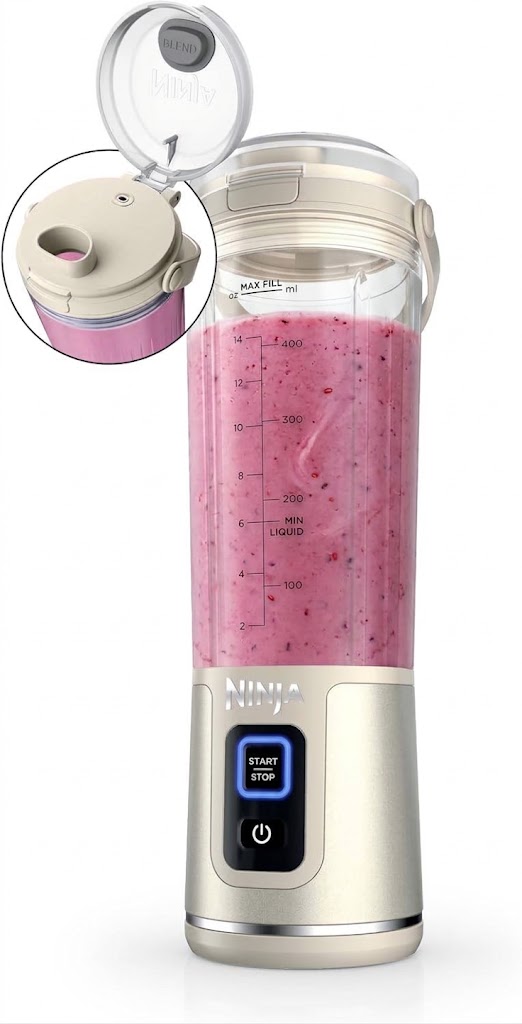
Ninja Blast Portable Blender, Cordless,18oz Vessel, Vanilla Bean
Check Price on AmazonUsing a pie recipe without checking its fruit: a filling made for apples may not suit juicy berries. Choose a recipe for the fruit you have or make an open-top dessert that can release steam.
Expecting frozen fruit to keep its fresh texture after thawing: freezing softens many fruits. Thawed berries are often better in sauces, baking, and blended desserts than as a neat garnish.
Serving a frozen treat too late: yogurt bark and fruit bites soften quickly. Prepare them ahead, but keep them frozen until just before serving.
How to store leftover desserts
Store baked fruit desserts covered in the refrigerator once they have cooled, and follow the storage guidance for the recipe. Reheat a crisp or cobbler in the oven if you want to restore some crunch to the topping; a microwave warms it quickly but can soften the crust.
Keep sorbet, popsicles, and yogurt bark in airtight freezer-safe containers or bags. Press parchment between layers of bark to reduce sticking. For the best texture, avoid repeated thawing and refreezing, which can encourage ice crystals and make blended treats less smooth.
If you have leftover thawed fruit, cook it into sauce or add it to a smoothie rather than refreezing it raw. Use clean utensils and refrigerate leftovers promptly. That simple plan turns a partially used bag into another dessert instead of leaving it forgotten in the refrigerator.
Frozen fruit can become a crisp, cobbler, sauce, popsicle, smoothie bowl, or quick sorbet. The main choice is whether the recipe benefits from fruit staying frozen or needs it thawed and drained.
Start with a crisp for an easy baked dessert or blend frozen fruit with minimal liquid for a fast chilled treat. Taste before adding sugar, and account for extra juice when making fillings.
For your next dessert, choose one fruit bag and match it to the texture you want: bake it under a crumb topping, or blend it until smooth. Keep any unused fruit frozen and use leftovers in sauce or a smoothie.
