can you freeze greek yogurt for frozen yogurt? Yes
Yes, you can freeze Greek yogurt to make frozen yogurt, but freezing it plain usually makes a firm, icy block rather than a smooth, scoopable dessert. For better texture, mix in sugar or another sweetener, then churn the yogurt or stir it several times as it freezes.
This guide explains how to freeze Greek yogurt, which ingredients help it stay creamy, and how to make a simple batch with or without an ice cream maker. You’ll also learn how to store leftovers, thaw them safely, and avoid common texture problems.
can you freeze greek yogurt for frozen yogurt?
Yes. Greek yogurt can be frozen, and it works as the base for homemade frozen yogurt. The main catch is texture: plain yogurt contains water, which forms ice crystals as it freezes. Once solid, the yogurt may feel hard, grainy, or slightly separated instead of smooth.
To make a softer dessert, blend the yogurt with a sweetener and flavorings before freezing. Sugar, honey, or a similar ingredient helps keep the mixture from freezing as hard. Churning also breaks up ice crystals and adds air, producing a more even, scoopable result.
You can freeze Greek yogurt in its original cup, but that is better for storage than for making a ready-to-scoop dessert. For frozen yogurt, mix the ingredients first and use a shallow, freezer-safe container or an ice cream maker. A short tempering period in the refrigerator can soften a very firm batch before serving.
What happens to Greek yogurt in the freezer
Freezing does not make Greek yogurt unsafe by itself, but it changes its structure. Water in the yogurt freezes into crystals, while the milk proteins and other solids can settle or separate. After thawing, the yogurt may look watery or a little lumpy.
That change matters more if you plan to eat the yogurt plain after thawing. Stirring can bring some of the mixture back together, but it may not restore the original smooth texture. In a frozen dessert, blending and churning help distribute the ingredients and reduce the effect of separation.
Greek yogurt is thicker than regular yogurt because much of its liquid whey has been strained out. That makes it a useful base, but thickness alone does not guarantee a creamy frozen result. Fat, sugar, and movement during freezing all affect texture.
What makes frozen Greek yogurt smoother
Choose a yogurt with some fat
Full-fat Greek yogurt tends to make a richer, less icy dessert than a fat-free version. Fat contributes a creamy mouthfeel and helps soften the texture. Low-fat and nonfat yogurt can still work, but the finished mixture may freeze firmer and show more ice crystals.
Check the label for plain, unsweetened yogurt if you want control over the flavor and sweetness. Flavored yogurt can work too, but it may already contain sweeteners or fruit preparations. Taste the mixture before adding more sugar so the finished dessert does not become overly sweet.
Add enough sweetener
Sugar does more than sweeten frozen yogurt. It also makes the mixture freeze less solid, which helps with scooping. Honey, maple syrup, and other liquid sweeteners can also soften the texture, though each brings its own flavor and sweetness.
There is no single amount that suits every yogurt or palate. Start with a modest amount, taste the mixture, and remember that cold foods often taste less sweet than they do at room temperature. If you use a sugar substitute, check its directions: some alternatives sweeten well but do not soften a frozen mixture in the same way as sugar.
Blend before freezing and limit extra water
Blend or whisk the yogurt and sweetener until the mixture is smooth before it goes into the freezer. This distributes the sweetener evenly and avoids dense, sweet pockets. If you add fruit, use a small amount of thick purée or finely chopped fruit rather than a large quantity of watery juice.
Fresh fruit can release liquid as it freezes and thaws. For a stronger fruit flavor with less extra water, cook fruit briefly into a thick compote, then chill it before mixing it into the yogurt. You can also add small pieces of frozen fruit, but blend them well or stir them in near the end of churning.
Choose a freezing method that fits your kitchen
An ice cream maker is the easiest way to get a consistently smooth texture. It freezes the mixture while stirring, which keeps larger ice crystals from forming and incorporates some air. If you do not have a machine, you can still make a good dessert by stirring the mixture during freezing.
| Method | What to do | Texture | Best for |
|---|---|---|---|
| Ice cream maker | Churn the chilled yogurt mixture according to the appliance instructions. | Usually the smoothest and easiest to scoop. | Regular batches and a creamy result. |
| Shallow container with hand stirring | Freeze the mixture and stir it thoroughly every 30 to 45 minutes until firm. | Can be creamy, though less even than churned yogurt. | Making frozen yogurt without special equipment. |
| Blender or food processor | Blend yogurt with frozen fruit and serve promptly, or freeze briefly to firm it. | Soft and thick when freshly blended; firms in the freezer. | A quick, small batch for immediate serving. |
| Freeze plain yogurt in a tub | Transfer to a sealed freezer-safe container and freeze. | Very firm; may be icy or separated after thawing. | Storing yogurt for later use in smoothies or cooking. |
For the hand-stirring method, use a wide, shallow container so the mixture freezes more evenly. A deep container can leave the center soft while the edges become very hard. Cover the container between stirs to protect the dessert from freezer odors and reduce frost.
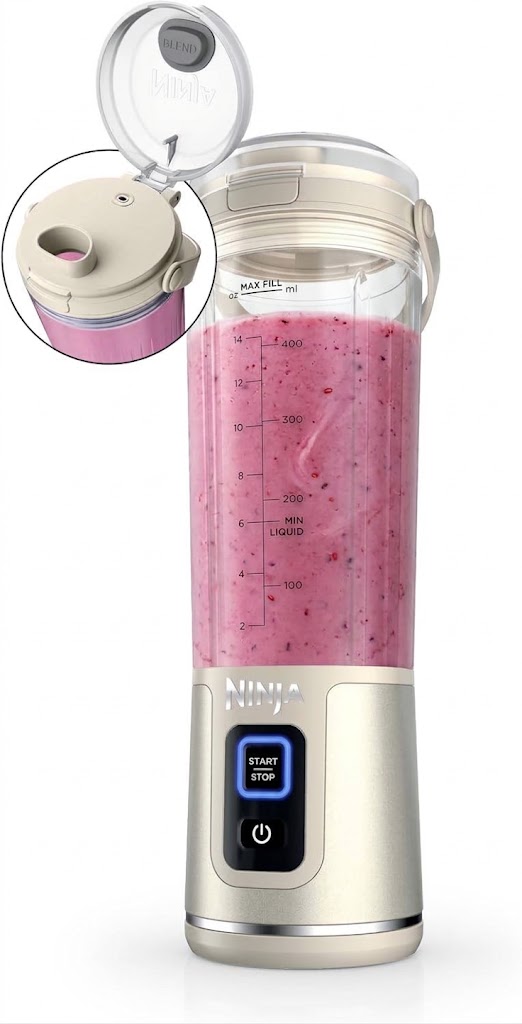
Ninja Blast Portable Blender, Cordless,18oz Vessel, Vanilla Bean
Check Price on AmazonHow to make Greek yogurt frozen yogurt at home
This basic recipe makes a tangy frozen yogurt with a simple vanilla flavor. Adjust the sweetener to suit your yogurt and taste. For the best texture, chill the mixture before churning or freezing it.

Framendino, 16 Pack Artificial Chicken Nuggets Fake Fried Food Models Props for Kitchen Decor
Check Price on AmazonIngredients
- 3 cups plain Greek yogurt, preferably full-fat
- About ⅓ to ½ cup sugar, or a similar amount of honey to taste
- 1 teaspoon vanilla extract
- A small pinch of salt
- Optional: up to 1 cup of thick, chilled fruit purée or small mix-ins
Directions with an ice cream maker
- Mix the base. Whisk the yogurt, sweetener, vanilla, and salt until the mixture is smooth and the sugar begins to dissolve.
- Chill it. Cover and refrigerate the mixture until cold. A cold base freezes more efficiently and spends less time warming the ice cream maker bowl.
- Churn. Follow the machine’s instructions. Add small fruit pieces or other mix-ins near the end so they stay distributed instead of sinking.
- Serve soft or firm it up. Enjoy the frozen yogurt straight from the machine for a soft texture, or transfer it to a covered container and freeze until firmer.
Directions without an ice cream maker
- Prepare and chill the yogurt mixture as described above.
- Pour it into a shallow, freezer-safe container and cover it.
- Freeze until the edges begin to firm, then stir vigorously with a fork or whisk, scraping the frozen mixture from the sides.
- Repeat the stirring every 30 to 45 minutes until the mixture is evenly frozen and thick. The number of rounds depends on your freezer and container.
- Serve when it reaches your preferred texture, or cover it tightly and continue freezing for a firmer dessert.
Hand stirring cannot add as much air as an ice cream maker, but it breaks up the forming crystals. Do not leave the mixture untouched for hours and expect it to stay creamy. For a quick alternative, blend Greek yogurt with frozen fruit and serve it right away; freezing that blend afterward will make it firmer.
How to store homemade frozen yogurt
Transfer leftovers to a clean, airtight freezer-safe container. Smooth the surface and press a piece of parchment or plastic wrap against it before closing the lid. This extra barrier helps limit air exposure, frost, and freezer odors.
Keep the container in the coldest, most consistently cold part of the freezer, not in the door where temperatures fluctuate more. For best quality, eat homemade frozen yogurt within a few weeks. It can remain frozen longer, but the texture and flavor may decline over time.
Frozen yogurt often becomes very hard after a night in the freezer. That does not necessarily mean anything is wrong; home freezers are colder than the serving temperature of soft frozen desserts. Let the container sit in the refrigerator briefly, or leave it at room temperature for just a few minutes, then scoop once it softens slightly.
Use a clean scoop each time and return the container to the freezer promptly. Avoid repeatedly warming and refreezing the entire batch. Repeated temperature changes encourage larger ice crystals and make the texture less pleasant.
Can you freeze Greek yogurt in its original container?
Usually, yes, if the package is freezer-safe and has enough room for the contents to expand. Check the packaging first, since not every tub or cup is designed for freezer storage. Leave a little empty space at the top, seal it well, and label it with the date.
For individual portions, small freezer-safe containers or silicone molds can be convenient. Portioning lets you thaw or blend only what you need. If the yogurt will be used in smoothies, freezing it in small portions can also make measuring easier.
Plain frozen yogurt portions are not the same as a finished frozen dessert. Once thawed, the texture may be less smooth than before freezing. They are still useful in smoothies, baking, sauces, and cooked dishes where a small texture change is less noticeable.
Common mistakes that make frozen yogurt icy
- Freezing plain yogurt without stirring. This is fine for storage, but it often makes a hard block with noticeable crystals. Add sweetener and churn or stir during freezing for a smoother dessert.
- Using a very low-fat base without adjustments. Fat-free yogurt can freeze particularly firm. A suitable sweetener and frequent stirring can help, but the result may not match full-fat yogurt.
- Adding too much watery fruit. Juice and wet fruit add water that can freeze into crystals. Use thick, chilled purée or add small amounts of fruit pieces.
- Skipping the chilling step. A warm mixture takes longer to freeze and can soften the machine’s freezer bowl. Chilling the base first supports more even freezing.
- Freezing in a deep, uncovered dish. A deep container freezes unevenly, while an exposed surface can dry out or pick up odors. Use a shallow container and keep it covered.
- Expecting a homemade batch to stay soft for days. Without commercial stabilizers and controlled serving temperatures, homemade frozen yogurt naturally firms up in a household freezer. Let a portion soften briefly before scooping.
Food safety when freezing Greek yogurt
Freezing slows the growth of many microbes, but it does not sterilize food or make spoiled yogurt safe. Start with yogurt that has been stored correctly and is still within its usable period. Use clean utensils and a clean container, and freeze the prepared mixture promptly.
Keep frozen food at 0°F (-18°C) or colder for storage. If a perishable yogurt mixture sits at room temperature for more than two hours, discard it; use a one-hour limit when the temperature is above 90°F (32°C). Do not use smell or appearance alone to judge whether food left warm for too long is safe.
If frozen yogurt partially melts, handle it based on how warm it became and for how long. A still-cold mixture may be refrozen, though its texture can worsen. If it has been warm for an extended period, do not refreeze it as a way to make it safe.
Can you refreeze Greek yogurt after thawing?
You can refreeze yogurt that thawed in the refrigerator and remained cold, but expect a poorer texture. Each freeze-thaw cycle can increase separation and create larger ice crystals. Refreezing is most practical when you plan to blend the yogurt into a smoothie or use it in cooking rather than serve it as a smooth dessert.
If you thawed a portion only slightly to scoop it, put it back in the freezer promptly. Better still, divide the batch before freezing so you can take out only what you expect to eat. This small step prevents avoidable temperature changes and preserves the texture of the remaining portions.
Yes, you can freeze Greek yogurt for frozen yogurt, but a smooth result depends on more than putting a tub in the freezer. Add a sweetener, use a higher-fat yogurt if you want a creamier texture, and churn or stir the mixture as it freezes.
For your next batch, start with plain Greek yogurt, chill the sweetened mixture, and freeze it in a shallow covered container. Portion leftovers before freezing so you can serve what you need without repeatedly warming the whole batch.
