what is the song frozen by madonna about: meaning
what is the song frozen by madonna about? It uses a frozen heart as a metaphor for emotional distance: someone who cannot open up may be unable to give or receive love. The song also suggests that change is possible if that person lets go of fear and becomes vulnerable.
That central idea is only part of the song’s appeal. Its lyrics leave room for questions about who is speaking, what has caused the distance, and whether the relationship can be repaired. This article explains the main interpretations, the role of the music and video, and a few common misunderstandings so you can listen with a clearer sense of what the song may mean.
what is the song frozen by madonna about?
At its core, “Frozen” is about emotional distance and the possibility of change. The speaker addresses someone who seems closed off, guarded, or unable to respond to love. The song presents that condition as a kind of inner coldness: a person can be physically present yet remain unreachable because fear, resentment, or self-protection blocks connection.
The title is metaphorical. It does not describe a literal winter or a specific event. Being frozen means being stuck in an emotional state, unable or unwilling to move toward another person. The image also suggests that this state can change. Ice may seem solid, but it can thaw; the song’s emotional argument is that openness remains possible.
Madonna does not explain exactly what happened between the people in the song. That omission matters. The listener hears the pain and frustration of a relationship at a distance, but not a detailed account of blame or history. As a result, the song can speak to a romantic relationship, a broader struggle with intimacy, or a person’s general difficulty connecting with others.
How the frozen-heart metaphor works
A frozen heart is a familiar image, but the song gives it a particular emotional force. The person being addressed is not simply described as unkind. The problem is that they appear cut off from their own feelings, as if a protective wall has become a prison. That difference leaves room for compassion alongside frustration.
The song’s speaker wants a genuine response, not just a surface-level gesture. If someone keeps their feelings locked away, affection cannot fully reach them. The central tension is between the desire to love and the inability to make another person accept that love.
Coldness can be protection
Emotional distance can develop for many reasons. Someone may fear rejection, avoid conflict, carry hurt from an earlier relationship, or have learned to hide vulnerability. The song does not name any one cause, so it is better not to treat one explanation as confirmed. Instead, the frozen image captures the result: a person who stays guarded even when closeness is offered.
This reading also helps explain why the song sounds both tender and severe. The speaker seems to recognize that the other person is trapped in a pattern, but recognition does not make the pattern painless. Love may offer an invitation to change; it cannot force someone to accept it.
Thawing implies a choice
The metaphor carries a quiet challenge. A frozen state is not presented as an unchangeable identity. The person can soften by facing what they feel and taking the risk of being known. That possibility gives the song a thread of hope, even though it does not promise that the relationship will succeed.
That distinction is important: the song imagines change, but it does not prove that change has happened. The speaker can ask for openness, yet the other person must choose it. A listener may hear hope in the invitation or frustration in the fact that it still needs to be made.
Is the song about a specific relationship?
The lyrics do not identify a named person or provide enough detail to establish a single real-life story. They are written broadly, with a speaker addressing someone who seems emotionally unavailable. It is reasonable to hear the song as a relationship song, but it is not safe to claim that it documents a particular romance unless supported by a clear statement from the songwriter.
That open framing is part of the song’s reach. Rather than telling a detailed story with named characters and a clear ending, it focuses on an emotional pattern many listeners recognize: one person reaches out while the other remains guarded. The listener can supply the details from their own experience without changing the song’s basic meaning.
It may also be heard beyond romance. The same metaphor can apply to strained family ties, friendships, or a person’s difficulty expressing feelings. These are interpretations rather than separate confirmed plotlines. The lyrics’ central concern remains a blocked connection and the hope that the barrier can come down.
| Possible reading | What it emphasizes | Best fit for listeners who hear |
|---|---|---|
| Romantic relationship | One person wants intimacy while the other stays distant | A plea for a partner to open up |
| Emotional self-protection | Fear or old hurt prevents honest connection | A person trapped behind their own defenses |
| Personal transformation | Change begins when someone faces their feelings | A challenge to stop avoiding vulnerability |
| Wider human connection | People can become isolated even around others | A reflection on loneliness beyond romance |
These readings overlap rather than compete. A listener can hear the song as a relationship appeal and as a broader reflection on vulnerability at the same time. The lyrics do not require choosing only one meaning.
How the music supports the meaning
“Frozen” uses a spacious, atmospheric sound rather than a bright, hurried arrangement. The measured pace gives the vocal room to feel controlled and deliberate. That restraint suits a song about someone trying to reach a person who will not respond emotionally; it makes the distance feel like part of the listening experience.
The production is often described as electronic, but its effect is not simply mechanical. Layered sounds create a wide, almost cinematic space around the vocal. Instead of crowding the listener with a busy beat, the arrangement lets mood and phrasing carry much of the song’s force.
That space can make the track feel solitary. The speaker sounds as if they are addressing someone across an emotional gap, while the surrounding music stretches that gap into something vast. A listener does not need to know technical production details to notice how the arrangement reinforces the subject.
The song appeared on Madonna’s 1998 album Ray of Light and was released as its lead single. The album’s sound marked a move toward electronic textures and a more reflective mood than some of her earlier dance-pop work. “Frozen” introduces that atmosphere with a restrained, dramatic presentation rather than an immediate party feel.
The vocal also contributes to the ambiguity. It communicates insistence and hurt without turning the song into a shouted accusation. That balance allows the speaker to sound compassionate, disappointed, and firm at once. Those feelings can coexist when someone cares about a person who continues to keep them at a distance.
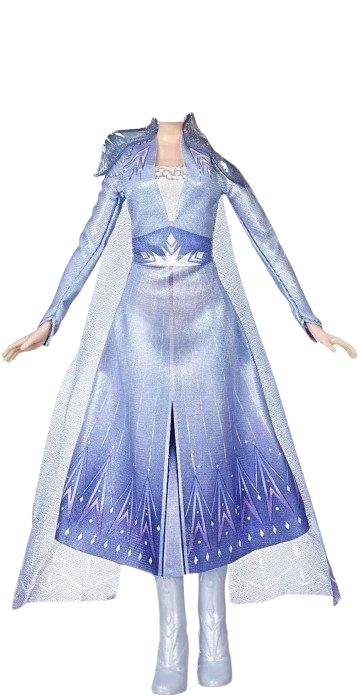
Disney Frozen Elsa Fashion Doll with Long Blonde Hair & Blue Outfit Inspired by Frozen 2
Check Price on Amazon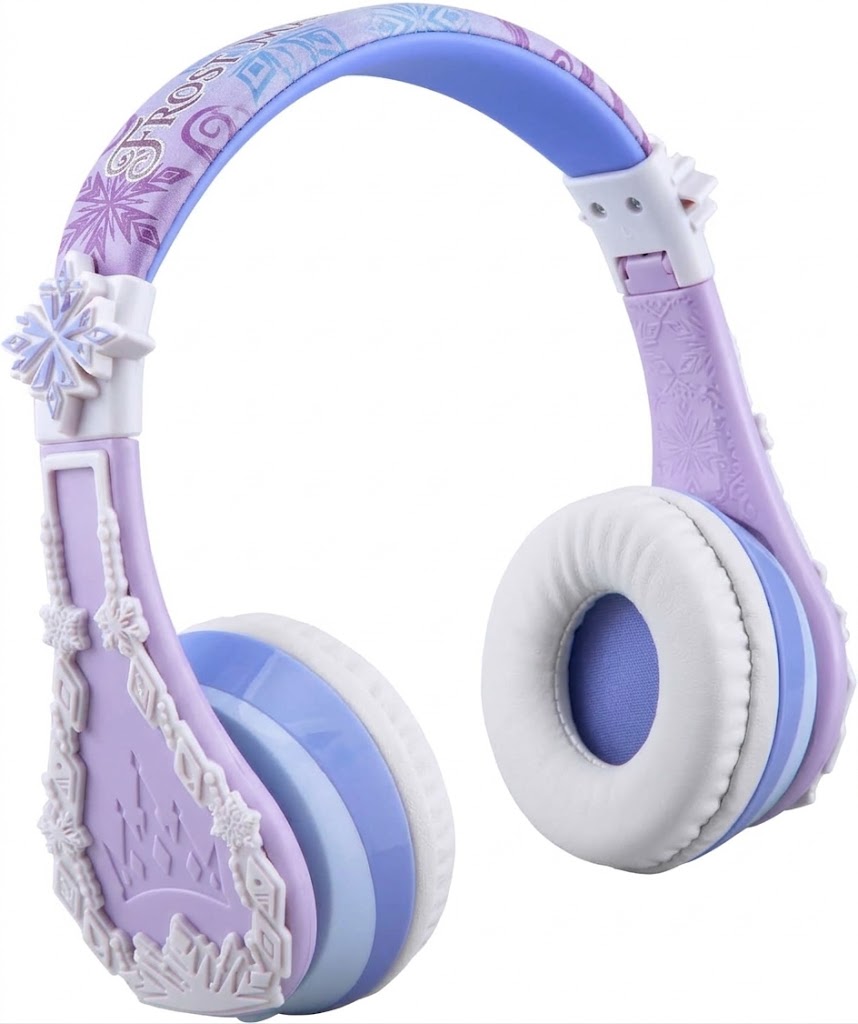
Frozen 2 Bluetooth Headphones with Microphone
Check Price on AmazonWhat the “Frozen” music video adds
The video, directed by Chris Cunningham, places Madonna in a stark desert setting and uses striking visual transformations. Its dark styling and open landscape create a feeling of isolation. The images do not provide a literal plot explaining the relationship; they extend the song’s mood through symbols and atmosphere.
In the video, Madonna’s form appears to shift into dark birds and other shapes. These changes can suggest release, movement, or a power that is not confined to an ordinary human body. They also contrast with the song’s image of emotional stasis: while the person being addressed seems unable to open up, the visual world keeps changing.
The desert setting can be read as emotional emptiness or distance, but it is not a definitive explanation of the lyrics. Music videos often add a visual interpretation rather than a fixed answer. Here, the imagery supports the song’s mysterious tone while leaving the listener free to make connections.
A useful way to watch is to ask what each image makes you feel rather than searching for a one-to-one translation. The video does not need to show a literal frozen heart to express isolation. Its transformations and stark surroundings work as visual companions to the song’s larger themes of separation and possible change.

Disney Frozen Kids' Bezel Stainless Steel Time Teacher Analog Nylon Strap Watch
Check Price on AmazonWhat the song does not necessarily mean
Because the lyrics are concise and symbolic, listeners can be tempted to treat one interpretation as the only correct one. A more careful reading separates what the song clearly expresses from what a listener infers. It clearly focuses on emotional disconnection and the desire for someone to become more open. It does not clearly identify the person, the cause of their guardedness, or the eventual outcome.
- It is not a literal story about ice. The cold imagery works as a metaphor for emotional distance.
- It does not confirm a particular biography. Without a specific, reliable statement from Madonna, connecting the lyrics to one named relationship is speculation.
- It does not guarantee reconciliation. The possibility of thawing is present, but the song does not show that the other person changes.
- It is not necessarily a judgment that someone is evil. The image can describe self-protection or fear as well as deliberate cruelty.
Clearing up these points keeps the interpretation grounded without flattening the song. You can still connect it to a personal experience, as long as you distinguish your reading from facts the lyrics establish.
Why the song can feel both hopeful and painful
“Frozen” holds two emotional ideas together. The speaker believes the other person could become more open, which gives the song a hopeful edge. At the same time, the speaker is addressing someone who remains distant, so the hope comes with frustration and sadness.
This mix is familiar in relationships where one person keeps asking for honesty or closeness. The request itself shows care, but having to repeat it can reveal how little has changed. The song does not resolve that tension by announcing a happy ending. It leaves the listener inside the moment of asking.
That unresolved quality can make the song feel more realistic than a simple declaration of devotion. A person can love someone and still recognize that the relationship is limited by the other person’s unwillingness to engage. The song gives voice to that difficult position without spelling out what the speaker should do next.
The open ending also invites different reactions. Some listeners may focus on the chance that a guarded person can change. Others may hear the speaker’s words as a warning that love alone cannot repair a relationship. Both responses fit the tension between invitation and frustration in the song.
How to listen for the song’s central idea
If you want to hear the meaning more clearly, focus on the relationship among the images, the vocal delivery, and the arrangement. Each offers a different clue. The images express emotional blockage, the vocal carries the speaker’s appeal, and the spacious production makes separation feel palpable.
- Notice who is being addressed. The lyrics speak to another person rather than simply describing an abstract feeling. That makes the song feel like a direct appeal.
- Track the cold imagery. Ask what the image of being frozen suggests about the person’s capacity to respond, rather than taking it literally.
- Listen for the emotional contrast. The song combines care with frustration, so avoid reducing the speaker to either pure anger or pure sadness.
- Pay attention to what remains unknown. The song withholds the cause of the distance and the final outcome. Those gaps are part of its meaning, not clues that must lead to one fixed answer.
- Compare the video with the lyrics. Look for images that echo isolation or transformation, but do not assume every visual detail is a direct illustration of a lyric.
This approach is useful because it keeps interpretation close to what the song actually presents. It also leaves room for personal associations without turning them into claims about Madonna’s private life.
Why “Frozen” still invites interpretation
The song’s central metaphor is simple enough to understand quickly, yet broad enough to apply to different situations. Nearly everyone can recognize the feeling of reaching for someone who seems unavailable. The song does not need a detailed backstory to make that emotional conflict clear.
Its arrangement and visual presentation deepen the mystery rather than closing it down. The music gives the lyrics a spacious, dramatic frame, while the video offers images that can be read in more than one way. Together, they make the song feel like an emotional scene rather than a diary entry with a single documented meaning.
Most importantly, “Frozen” does not treat vulnerability as an instant fix. The song suggests that emotional openness could change a relationship, but it does not imply that the speaker can make that happen alone. The appeal is directed at the person who has closed themselves off, and the decision to respond remains theirs.
“Frozen” is best understood as a song about emotional distance, self-protection, and the hope that a guarded person can become open to love. Its lyrics and video leave the exact relationship and outcome unresolved, which is why several readings can fit without contradicting the central idea.
For a closer listen, focus on the contrast between the speaker’s direct appeal and the song’s spacious, isolated sound. Then consider whether you hear the ending as hope, frustration, or both. That tension is at the heart of what is the song frozen by madonna about.