who wrote the song let it go from frozen: song credits
The song “Let It Go” from Frozen was written by Kristen Anderson-Lopez and Robert Lopez, who created both its music and lyrics. Idina Menzel performs the version heard in the film as Elsa.
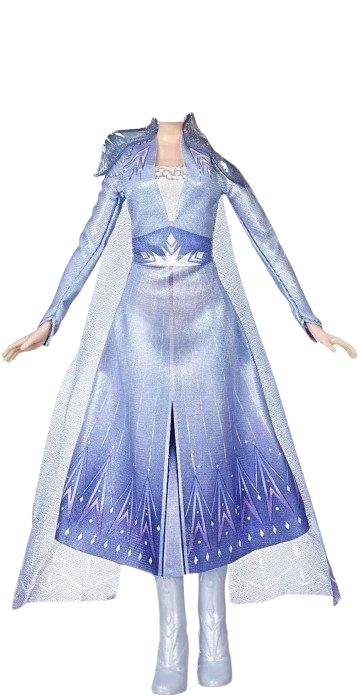
Disney Frozen Elsa Fashion Doll with Long Blonde Hair & Blue Outfit Inspired by Frozen 2
Check Price on Amazon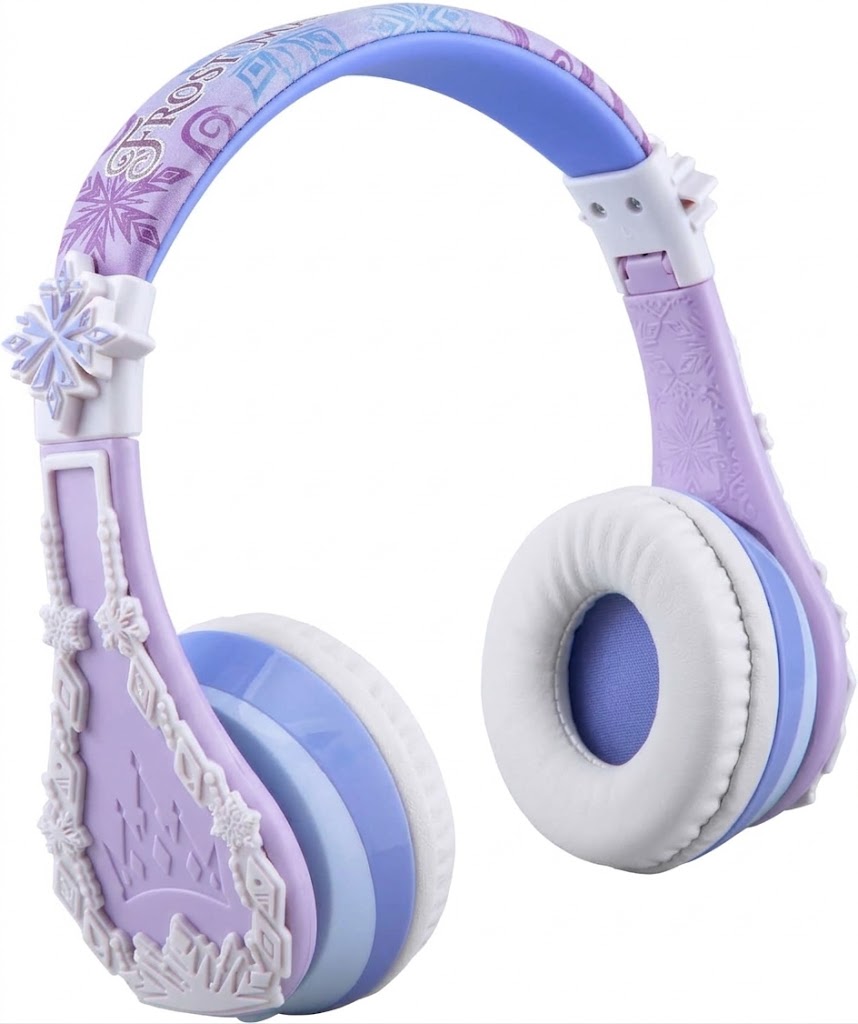
Frozen 2 Bluetooth Headphones with Microphone
Check Price on AmazonThe song also has a separate end-credits recording sung by Demi Lovato. Both versions share the same writers, but they serve different purposes in the movie. Here’s how the credits fit together, why the two recordings sound different, and what to know about the song’s place in Frozen.
Who wrote the song let it go from frozen?
Kristen Anderson-Lopez and Robert Lopez wrote “Let It Go.” They composed the music and wrote the lyrics for the song in Disney’s 2013 animated film Frozen. The film’s version is performed by Idina Menzel, who voices Elsa.
That means the writing credit and the singing credit belong to different people. Anderson-Lopez and Lopez created the song, while Menzel brought the character’s performance to the screen. This distinction is useful because the movie also includes a different recording by another singer.
Robert Lopez is a songwriter and composer whose work includes musical theater and film. Kristen Anderson-Lopez is also a songwriter and lyricist. For Frozen, they worked as a writing team on the songs, shaping the music and words around the characters and story.
Who sings the movie version of “Let It Go”?
Idina Menzel sings the version heard during the film’s pivotal Elsa sequence. Menzel also provides Elsa’s speaking voice. The song begins after Elsa leaves Arendelle and reaches the mountains, where she decides to stop hiding her ice powers.
The performance is part of the story rather than simply background music. Elsa’s lyrics and vocal delivery show her moving from fear and restraint toward a sense of independence. The scene’s visuals reinforce that change as she creates an ice palace and changes her clothing.
Menzel’s musical-theater experience suited the part’s demanding vocal writing. The song builds from a relatively restrained opening into a powerful chorus, giving the character’s emotional shift room to grow. The film version’s dramatic arrangement is designed to match the scene and Elsa’s point of view.
Why is Demi Lovato also associated with “Let It Go”?
Demi Lovato recorded a separate pop version of “Let It Go” for the film’s end credits and soundtrack promotion. It is not the recording used in Elsa’s main scene. The writers are the same, but Lovato’s performance is a distinct recording with its own arrangement and production.
Credits and search results may mention both Menzel and Lovato because both recordings are officially connected to Frozen. If you are asking who sings the song in the movie scene, the answer is Menzel. If you mean the pop recording released alongside the soundtrack, the singer is Lovato.
| Recording | Performer | Where it is heard | Best way to identify it |
|---|---|---|---|
| Film version | Idina Menzel | Elsa’s scene in the movie | Character-focused performance with the film’s dramatic arrangement |
| End-credits pop version | Demi Lovato | Movie end credits and soundtrack releases | Separate pop recording sung by Lovato |
Both recordings have the same songwriters. The performer changes, not the underlying authorship. This is why a listing that names Lovato does not contradict the film’s credit to Menzel.
How the song fits Elsa’s story
Before this scene, Elsa has spent much of her life trying to conceal her ability to create ice and snow. She fears that her power could hurt other people, and her family’s advice to hide it reinforces her isolation. When her abilities become public, she leaves the kingdom rather than risk harming anyone else.
“Let It Go” marks a turning point. Elsa is alone and no longer trying to follow the rules that kept her power hidden. The song expresses relief and freedom, but it also shows her choosing separation from the people she loves. Its confidence is real, yet it does not solve every problem in the story.
That contrast matters. The song can sound like a declaration of independence, but the film does not present Elsa’s isolation as a perfect or lasting answer. Later events make clear that she still needs connection, responsibility, and a way to understand her abilities. The song captures one moment in her journey, not the whole message of the film.
The placement also gives the song a clear dramatic job. It introduces a major change in Elsa’s behavior and lets the audience see her create a space that reflects her inner state. The music, lyrics, animation, and character arc work together, which helps explain why the sequence is remembered as more than a standalone performance.
How the writers created the song
Anderson-Lopez and Lopez wrote the songs for Frozen as part of a musical story. In that format, a song needs to do more than sound appealing: it should reveal character, move the plot forward, or give the audience information that dialogue alone might not communicate as effectively.
For Elsa, the central challenge was to make her change of heart understandable. She has spent years holding back, so the song needed to convey the release of that pressure while remaining rooted in her circumstances. The result gives the character a strong musical statement without removing the fear and conflict that still shape the story.
The writing team developed the song with the film’s creative team as the movie took shape. Animated films can change substantially during production, so songs may be adjusted as the story, characters, and scenes evolve. A musical number’s final form depends on how its lyrics and melody work with the scene it supports.
In the finished sequence, the song rises in intensity alongside Elsa’s actions. That connection between the vocal line and the visual events makes the writing easy to follow even if a viewer does not know the production history. The song tells you how Elsa feels while showing what she is doing with her powers.
What awards and recognition did “Let It Go” receive?
“Let It Go” won the Academy Award for Best Original Song. The award recognized the songwriters, Kristen Anderson-Lopez and Robert Lopez, rather than the performers alone. The song also received broad public attention through the film, soundtrack, performances, and recordings in other languages.
The award is one reason people often ask who wrote the song. Awards listings commonly identify the credited writers, while streaming services and soundtrack pages may emphasize the singer for a particular recording. Those sources are answering different questions: who created the song, and who performed that version.
Robert Lopez also became the first person to achieve EGOT status twice, meaning he won an Emmy, Grammy, Oscar, and Tony award on two occasions. “Let It Go” contributed to the Oscar recognition associated with Frozen, but the song’s credit should not be confused with the full set of awards received by the film or its collaborators.
Recognition does not change the authorship: Anderson-Lopez and Lopez wrote the song. It does help explain why the title is often discussed in connection with the film’s music, its singers, and its award history.
Why do different versions sound different?
A song can keep its melody and lyrics while changing its arrangement, instrumentation, vocal style, or mix. Those changes can make two recordings feel quite different, even when both are performances of the same composition.
Menzel’s film performance is shaped around Elsa and the dramatic action on screen. Lovato’s end-credits recording is a pop interpretation intended to stand on its own outside the scene. The film version follows the character’s emotional progression; the pop version presents the song through Lovato’s own vocal performance and recording arrangement.
International releases may also feature performers singing localized versions of the song. A localized version adapts the lyrics into another language so they work for the film’s audience. Depending on the release, the performer and wording can differ, while the song remains based on the composition by Anderson-Lopez and Lopez.
Do not treat every singer credit as a writing credit. A performer may sing a version without having written the original song. Likewise, the same writers can be credited across several recordings made by different artists.
Common questions about the song’s credits
Did Idina Menzel write “Let It Go”?
No. Menzel performed the film version as Elsa, but Kristen Anderson-Lopez and Robert Lopez wrote the music and lyrics. A singer’s performance credit and a songwriter’s authorship credit are separate roles.
Did Demi Lovato write the song?
No. Lovato sang the end-credits pop version, but the song was written by Anderson-Lopez and Lopez. Lovato’s recording is a different performance of their composition.
Is the Demi Lovato version in the movie?
Lovato’s recording is associated with the end credits and soundtrack releases. Menzel’s recording is the one used in Elsa’s main scene within the film.
Who wrote the music and who wrote the lyrics?
Kristen Anderson-Lopez and Robert Lopez are credited as the songwriters for both the music and lyrics. The song is a joint writing credit rather than a case where one person wrote the words and another wrote the music.
Was “Let It Go” written specifically for Frozen?
Yes. It was written for Frozen and serves a specific purpose in Elsa’s storyline. Its scene connects the song’s emotional ideas to her choice to stop hiding her powers.
Why do some pages list a different singer?
Some pages refer to Lovato’s end-credits recording, while others refer to Menzel’s film performance. Look for the version or context named on the page: “film version” points to Menzel, and “end-credits version” points to Lovato.
How to check the credit for a particular recording
If you are looking at a streaming track, soundtrack entry, or video upload, check the recording title and performer rather than relying on the song title alone. The same title can appear on multiple recordings, and a page may display the singer more prominently than the writers.
- Identify the recording. Decide whether you mean the scene in Frozen, the end-credits recording, or a version in another language.
- Read the performer credit. This tells you who sang that particular recording.
- Look for songwriter or composition credits. Those credits identify the people who wrote the song, which are Kristen Anderson-Lopez and Robert Lopez for “Let It Go.”
This distinction is useful for school assignments, music databases, playlists, and trivia answers. If the question asks who wrote the song, give the writers. If it asks who sings a specific recording, name the performer and clarify which version you mean.
What people often get wrong about “Let It Go”
The most common mix-up is crediting the most familiar singer as the songwriter. Menzel’s performance is inseparable from Elsa’s scene, and Lovato’s version has its own prominent release history. Neither fact makes either performer the writer of the composition.
Another common error is treating the two recordings as though one replaced the other. They coexist: one is part of the film’s story, and the other is a separate end-credits interpretation. The difference is not a change in authorship.
It is also easy to reduce the song’s meaning to a simple message about doing whatever you want. In the scene, Elsa’s newfound freedom is mixed with fear and loneliness. Paying attention to what happens before and after the number gives a more accurate reading of the character’s choice.
For a short, precise credit, use: “Let It Go” was written by Kristen Anderson-Lopez and Robert Lopez; the Frozen film version is sung by Idina Menzel. Add that Demi Lovato recorded the end-credits pop version if the context calls for it.
“Let It Go” was written by Kristen Anderson-Lopez and Robert Lopez. Idina Menzel sings the version performed by Elsa in the film, while Demi Lovato recorded a separate end-credits pop version.
For an accurate credit, name the writers separately from the singer. If you are identifying a particular recording, specify whether you mean the film scene or the end-credits version.