what color is elsa’s hair from frozen? A clear answer
Elsa’s hair from Frozen is platinum blonde, a very light, cool blonde that can look almost white on screen. It is not actually blue or silver, even though snowy backgrounds and icy lighting can make it seem that way.
This guide explains the shade, why it changes in different scenes and images, and how it compares with similar hair colors. You’ll also find practical tips for drawing Elsa, choosing a costume wig, or describing her look without confusing it with Anna’s.
What color is elsa’s hair from frozen?
Elsa’s hair is best described as platinum blonde. It is an exceptionally pale blonde with a cool, nearly white appearance. In some scenes, the light color makes it look silver-white, but the character’s hair is still blonde.
That distinction matters because “white,” “silver,” and “platinum blonde” suggest different colors. White hair has little or no visible blonde warmth. Silver hair usually has a stronger gray or metallic cast. Elsa’s hair has a pale blonde base, even when the film’s lighting makes that base hard to see.
There is no need to assign her hair an exact color code to answer the question. Animated films use carefully chosen colors, shading, and light effects, and the same character can look different from one shot to the next. “Icy platinum blonde” is a useful description that captures the recognizable look without pretending there is one precise shade in every frame.
Why Elsa’s hair can look white or silver
Color on screen is affected by more than the character’s base design. Elsa often appears against snow, ice, pale clothing, or other cool-toned backgrounds. Those surroundings can make her already light hair appear even closer to white.
Lighting also changes how a color reads. Bright highlights can wash out the blonde tone, while shadows add gray or blue-gray areas. The result is a shifting impression: a viewer may see platinum blonde in one image and almost white hair in another.
Screen settings make a difference, too. A display with high brightness or a cool color setting may reduce the visible warmth in the hair. A compressed screenshot, fan illustration, or product photo can shift the shade further. For the clearest impression, compare several official film images rather than relying on one small or heavily edited picture.
Useful distinction: a cool-looking color is not automatically blue. Elsa’s hair may pick up a faint icy cast from its surroundings, but her defining hair color is pale blonde, not blue.
How her hair color is shown across the films
Elsa’s overall hair color remains very light blonde across the Frozen films. Her hairstyle and the scene around her may change, but platinum blonde is the dependable description for her character design.
In the first film, her long side braid is one of her most recognizable looks. The braid’s shaded sections can appear darker or grayer than the bright strands. Those darker patches show form and depth; they do not mean her hair is a different color.
In Frozen 2, Elsa is also shown with her hair loose in some scenes. Without the braid’s shaded sections, the hair can appear more like a smooth, pale sheet. Bright snow, pale clothing, and cool lighting can reinforce a nearly white impression, while darker backgrounds may make the blonde tone easier to notice.
Disney Frozen 2 Lavender, Light Blue and Purple Forest Spirit 4 Piece Toddler Bed Set - Comforter,
Check Price on AmazonPromotional art, merchandise, and illustrations may simplify or adjust the color for readability. A printed image might use more yellow, gray, or white than a film frame. These variations are common in animation and licensed artwork, so they do not necessarily signal a change in Elsa’s intended hair color.
Elsa’s shade compared with similar colors
It helps to compare platinum blonde with nearby shades. The table below focuses on the visual impression, not a technical color formula. Use it to choose words for a description, drawing, or costume reference.
| Color description | How it usually looks | Best fit for Elsa? |
|---|---|---|
| Platinum blonde | Very pale blonde with a cool or neutral cast | Best match |
| White blonde | So pale that little blonde warmth is visible | Good for bright scenes or stylized art |
| Silver | Gray-toned, sometimes with a metallic look | Can describe the impression, but not the main color |
| Ash blonde | Cool blonde with more noticeable gray or muted tones | Close in temperature, usually darker than Elsa’s hair |
| Golden blonde | Warm blonde with yellow or honey tones | Usually too warm for Elsa |
| Blue | A distinct blue hue rather than a pale blonde | Not an accurate description of her hair |
The most practical label is icy platinum blonde. “White-blonde” can work when describing a particularly bright image, while “silver” is better treated as an effect of lighting or shading rather than her core color.
How Elsa’s hair differs from Anna’s
Elsa and Anna have different hair colors, which can be easy to mix up in artwork or costume listings. Elsa’s hair is platinum blonde. Anna’s is generally shown as a warm strawberry blonde or light auburn, with a more noticeable reddish tone.
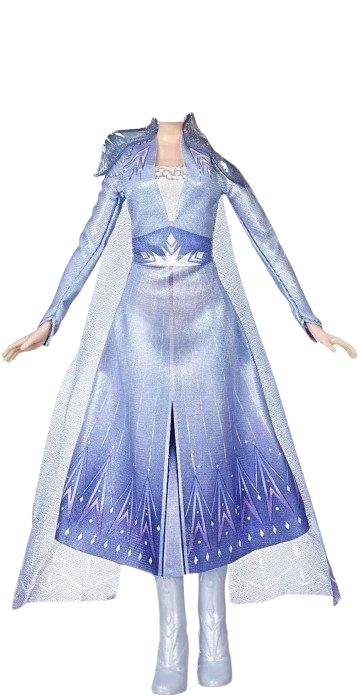
Disney Frozen Elsa Fashion Doll with Long Blonde Hair & Blue Outfit Inspired by Frozen 2
Check Price on Amazon
Frozen 2 Bluetooth Headphones with Microphone
Check Price on AmazonThat contrast is useful when identifying the sisters in a picture. Elsa’s hair reads as pale and cool, while Anna’s reads as warmer and deeper. Their hairstyles also differ in many scenes, but color alone is a quick clue when the image is small.
Some lighting can soften the difference. A warm light may make Elsa’s pale hair look more yellow, and a cool filter may make Anna’s hair seem less red. If you are comparing character designs, look at the hair alongside skin, clothing, and background colors instead of judging one isolated pixel.
How to draw Elsa’s platinum blonde hair
For a drawing, begin with a very light blonde rather than plain white. Pure white leaves little room for highlights and shadows, while a pale blonde base gives the hair dimension. A cool beige or soft cream can work as a subtle base, depending on the rest of your palette.
- Choose a light base. Start with pale platinum blonde. Avoid strong gold or orange if you want the cool Elsa look.
- Separate the sections. Use slightly darker cool blonde or muted gray-blonde for the underside of the braid, spaces between strands, and areas turned away from the light.
- Keep highlights restrained. Use near-white for the brightest strands. Saving the lightest tone for a few highlights makes the hair look shiny instead of flat.
- Check the color beside the background. If the hair disappears into a snowy setting, add enough soft shadow to preserve its outline.
- Review the image at normal size. A color that looks blonde when zoomed in may read as white once the full illustration is viewed.
For a digital drawing, sample colors from several reference frames if you have them, but treat those samples as guides rather than fixed rules. A screenshot’s color depends on its lighting and display. For traditional media, test pale blonde, cool gray, and white on scrap paper before applying them to the whole hairstyle.
Choosing a wig or costume hair color
If you are choosing a wig, look for names such as platinum blonde, icy blonde, or white blonde. Product names are not standardized, so one seller’s “silver blonde” may look gray, while another seller’s “platinum” may look more yellow. View photos in natural light when possible.
Pay attention to the wig’s color in several photos, not just the main listing image. Bright studio lighting can make a warm blonde look nearly white. A photo against a dark background may make the same wig appear more yellow or gray by comparison.
For Elsa’s familiar first-film look, the side braid is an important part of the overall impression. A pale blonde wig with a long side braid often reads more clearly as Elsa than a short wig in the perfect shade. For a loose-hair look, focus on length, smoothness, and a cool pale color.
Do not choose a strong silver or blue wig solely because Elsa is associated with ice. Those colors can make the costume feel less like the character. A very light blonde with subtle cool tones usually provides a closer match.
Common mistakes when describing her hair
- Calling it blue: Elsa’s ice powers and blue clothing can influence the color around her, but her hair itself is blonde.
- Calling it silver as the only answer: Silver can describe a scene’s visual effect, but it misses the pale blonde base.
- Using a warm golden blonde: Strong yellow or honey tones usually look warmer than Elsa’s hair.
- Treating every image as an exact color reference: Lighting, filters, printing, and screen settings can all shift the shade.
- Expecting a single official hex value: Animation relies on changing light and layered shading, so one digital code cannot represent every frame accurately.
The most common misunderstanding is to assume that “icy” means the hair must be blue or silver. In this case, “icy” describes the cool impression of a pale blonde shade and the visual setting around it. The blonde base is the key detail.
What to say when someone asks about Elsa’s hair
A clear short answer is: Elsa has platinum blonde hair. If the person is asking because it looks white in a still image, explain that it can appear white or silver under bright, cool lighting.
For a more descriptive answer, say that her hair is very pale, cool-toned blonde, often styled in a long side braid. That wording covers both the color and the hairstyle without confusing her with Anna or suggesting that her hair is actually blue.
For an art prompt, costume note, or character description, “icy platinum blonde” is usually specific enough. Add “almost white in bright light” only when the particular image supports it. This keeps the description useful while allowing for the film’s changing lighting and shading.
Elsa’s hair is best described as icy platinum blonde. It can look white or silver in bright, cool scenes, but those appearances come from lighting and shading rather than a different base color.
For your next drawing or costume choice, start with a very pale, cool blonde and compare it under ordinary light. Add white highlights or gray-blonde shadows only where needed to match the image.