are frozen fruits as healthy as fresh? The facts
Yes, are frozen fruits as healthy as fresh? In most cases, frozen fruit is a nutritious choice, with vitamins, minerals, fiber, and natural sugars much like those in fresh fruit.
The difference depends on the fruit, how it was handled, and how you plan to eat it. Fresh fruit can lose some nutrients during storage, while freezing helps preserve many nutrients but can change texture.
Here’s how to compare nutrition, choose a good product, and use frozen fruit safely. You’ll also learn when fresh fruit may suit a meal better and what to check on the package.
Are frozen fruits as healthy as fresh?
Usually, yes. Plain frozen fruit can be just as nutritious as fresh fruit, and sometimes it retains certain nutrients better than fresh fruit that has spent a long time in storage or transit. Both forms provide fiber and a range of vitamins and plant compounds. Neither is automatically healthier in every situation.
Fruit is often frozen soon after harvest, when it is ripe. That quick processing helps preserve much of its nutritional value. Fresh fruit may travel or sit in storage before it reaches your kitchen, and some nutrients can gradually decline during that time. The size of the difference varies by fruit, nutrient, storage conditions, and time.
The practical choice is the form you enjoy and can use before it spoils. Check that frozen fruit has no added sugar if you want a simple fruit-only option. Choose fresh fruit when you want a firm texture, and frozen fruit when convenience, year-round availability, or less food waste matters more.
How freezing affects fruit nutrition
Freezing slows the chemical and biological processes that cause food to deteriorate. It does not make fruit more nutritious, but it can help preserve nutrients that were present when the fruit was processed. A sealed package kept frozen as directed can retain quality for a long time, although flavor and texture may gradually decline.
Vitamins and plant compounds
Vitamin C is sensitive to heat, oxygen, and time, so its amount can change during storage and preparation. Freezing often preserves a substantial amount, but the exact level depends on the fruit and how it was processed. Some loss can happen during washing, cutting, blanching when used, or thawing.
Other vitamins and plant compounds also vary. A berry’s color comes partly from natural pigments called anthocyanins, which are one type of plant compound. Freezing generally preserves many of these compounds, but no single rule applies to every fruit or nutrient. A fruit that has been frozen is still a source of beneficial nutrients, even if its levels are not identical to freshly picked fruit.
Fiber, minerals, and calories
Freezing does not remove the fruit’s fiber, and minerals generally remain stable through freezing. Plain frozen fruit also has roughly the same calories and naturally occurring sugars as the equivalent amount of that fruit before freezing. Water released during thawing can make a serving look different without meaning the fruit has lost all its nutrition.
Added ingredients can change the picture. Fruit packed in syrup or mixed with sweetened sauce may contain more added sugar and calories than plain fruit. Read the ingredient list and nutrition facts panel, rather than relying on front-of-package wording.
Fresh and frozen fruit compared
Neither option wins every category. Use this comparison to match the form to your needs.
| Factor | Fresh fruit | Frozen fruit | Best for |
|---|---|---|---|
| Nutrients | Nutritious; levels can change during storage | Nutritious; freezing helps preserve many nutrients | Either, based on quality and convenience |
| Texture | Usually firm and crisp | Often softer after thawing | Fresh for crisp snacks; frozen for cooking or blending |
| Availability | Varies by season and location | Often available year-round | Frozen for out-of-season fruit |
| Preparation | May need washing, peeling, or cutting | Often washed and cut, but check the package | Frozen for quick recipes |
| Shelf life | Usually needs to be eaten soon | Keeps well when stored consistently frozen | Frozen to reduce spoilage and waste |
| Cost | Can vary with season and spoilage | Can be economical, especially out of season | Compare unit prices and what you will use |
These are general patterns, not guarantees. A ripe, locally grown peach eaten soon after harvest may have excellent flavor and texture. A plain frozen peach can be a more practical choice when fresh peaches are unavailable or likely to spoil before you eat them.
What to check when buying frozen fruit
Most bags of frozen fruit contain a single fruit or a blend, but products can differ in added ingredients and handling. A quick label check helps you choose a product that fits your meals and preferences.
- Read the ingredients. For fruit without added sweeteners, look for fruit as the only ingredient. A package can include sugar, syrup, or sauce even when the fruit itself is naturally sweet.
- Check the nutrition panel. Compare serving sizes and added sugars. Naturally occurring sugar in fruit is not the same as added sugar, which is listed separately on many labels.
- Look for intact packaging. Avoid bags that are torn, leaking, or visibly opened. If fruit is sold in a freezer case, choose a package that feels solidly frozen rather than partly thawed.
- Check for heavy clumping. A few pieces may stick together, but a solid block can indicate that the fruit thawed and refroze. That can harm texture and quality.
- Pick fruit for its intended use. Smaller berries can be easy to add to oatmeal. Larger pieces may work better in baked dishes. The best choice is the one you will actually use.
Frozen fruit does not need to be organic to be nutritious. Organic and conventionally grown products both provide fruit and fiber. Choose based on your budget, preferences, and availability rather than assuming one form is inherently healthier.
Does thawing reduce the nutritional value?
Thawing does not suddenly strip fruit of its nutrition. Some liquid may escape as ice crystals melt. That liquid can contain small amounts of water-soluble nutrients, so using it in a smoothie, sauce, or oatmeal is a simple way to keep it with the food.
Thawed fruit often feels softer because ice crystals can break some of its cell structure. This is a texture change, not a sign that the fruit has become nutritionally empty. It is one reason thawed berries may be better for yogurt or baking than for eating as a firm, fresh-style snack.
For a firmer result, thaw only the portion you need in the refrigerator, or add fruit straight to a cooked recipe or blender. Avoid thawing a large bag on the counter and repeatedly warming and refreezing it. Repeated temperature changes can reduce quality and create avoidable food-safety risks.
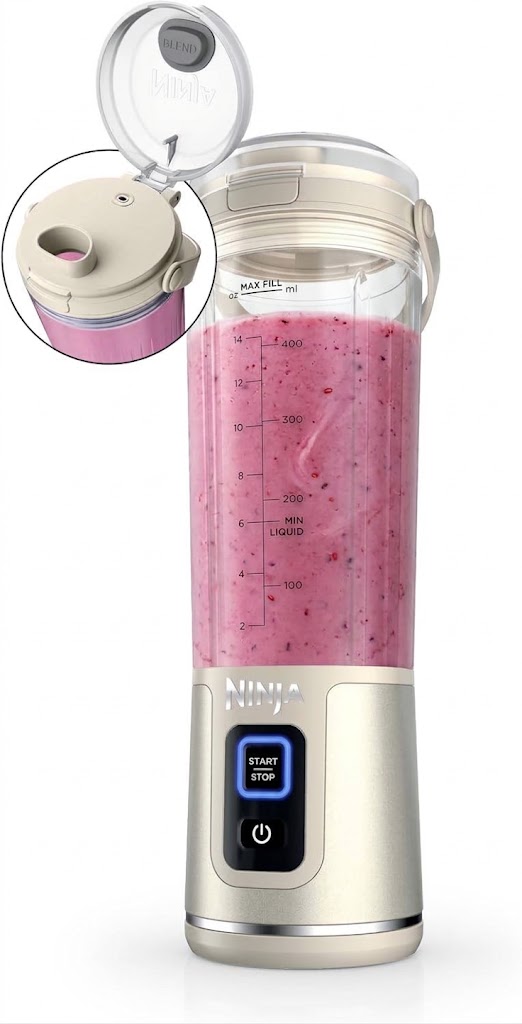
Ninja Blast Portable Blender, Cordless,18oz Vessel, Vanilla Bean
Check Price on AmazonEasy ways to use frozen fruit
Frozen fruit can go straight from the freezer into many recipes. The best method depends on whether you want a smooth, cold dish or a softer cooked topping.

Framendino, 16 Pack Artificial Chicken Nuggets Fake Fried Food Models Props for Kitchen Decor
Check Price on Amazon- Blend it into a smoothie. Add frozen berries, mango, or banana to a blender with yogurt, milk, or another liquid. Frozen pieces chill the drink and thicken it, so start with less liquid and add more as needed.
- Top oatmeal or cereal. Stir fruit into hot oatmeal near the end of cooking, or place it over a warm bowl and let it soften. This adds fruit without needing to chop it first.
- Cook a quick fruit sauce. Heat berries or sliced fruit in a saucepan until they soften. Add a little water if needed, then spoon the mixture over pancakes, yogurt, or whole-grain toast.
- Bake with it. Frozen fruit can usually go into muffins, crisps, and other baked dishes without thawing. Extra moisture may affect a recipe, so follow its directions and avoid adding thawing liquid unless the recipe calls for it.
- Portion it before thawing. Take out only what you need. This keeps the rest frozen and avoids wasting fruit that has softened.
For some recipes, thawing and draining fruit helps control excess liquid. For smoothies and sauces, the liquid is usually useful. Match the preparation to the recipe instead of assuming every frozen fruit needs to be thawed first.
When fresh fruit may be the better choice
Fresh fruit is often preferable when texture is central to the meal. An apple meant to stay crisp, a firm pear for a lunchbox, or fresh berries on a dessert may not have the same bite after freezing and thawing. Freezing ruptures some plant cells, which lets water escape as the fruit softens.
Fresh fruit can also be more convenient if it is ready to eat and will be used promptly. A banana on the counter or an apple packed for a snack needs no thawing. If fresh fruit is in season, affordable, and appealing, there is no need to replace it with frozen fruit for nutritional reasons.
Consider what is available where you shop. Frozen fruit can provide options outside their usual growing season and help you keep fruit on hand. Fresh fruit can offer better texture for certain dishes. Keeping both forms available is a practical way to cover different meals and preferences.
Common mistakes and food-safety tips
Do not assume every frozen fruit product is unsweetened. Some packages include added sugar or a sweetened coating. Check the ingredient list, especially for fruit intended for desserts or smoothie blends.
Do not mistake softer texture for lower nutrition. A thawed berry may look collapsed, but that mainly reflects changes to its structure. It can still contribute fiber and nutrients to a meal.
Do not leave frozen fruit out for long periods. Keep it frozen until use, thaw it in the refrigerator when appropriate, and follow any preparation directions on the package. Return unused fruit to the freezer promptly if it has stayed cold and has not been left at room temperature for an extended time.
Frozen fruit is not automatically sterile. Handle it with clean hands and utensils, and pay attention to package instructions and product safety notices. If a package says the fruit needs cooking, follow that direction rather than eating it straight from the bag. This is a useful detail many shoppers overlook because frozen fruit is often added directly to ready-to-eat foods.
Once opened, close the bag tightly or transfer the fruit to a freezer-safe container. Keep it in a consistently cold part of the freezer, not in the door if frequent opening causes temperature swings. Use the package guidance for storage and quality, since recommended storage periods can vary by product and freezer conditions.
How to choose for your routine
There is no need to make this a strict fresh-versus-frozen choice. Buy fruit in the form that fits how you eat. If you regularly add berries to breakfast but find fresh ones spoiling, a bag of plain frozen berries may be a better match. If you prefer crisp fruit as a snack, keep fresh apples or pears ready to eat.
For a balanced meal, pair fruit with other foods you enjoy, such as oatmeal, yogurt, or nuts. Fruit supplies fiber and natural sweetness, while the other ingredients can add protein or fat. You do not need a special preparation method to get nutritional value from it.
Price comparisons work best when you compare the amount you will actually use. Fresh fruit may cost less during its season, but spoiled portions add waste. Frozen fruit can be easier to portion and store, though package sizes and prices differ. Consider cost per usable serving, not just the sticker price.
In short, buy plain frozen fruit for convenience, storage, and recipes where soft texture is fine. Choose fresh fruit for crisp snacks and dishes where appearance or firmness matters. Both can be part of a nutritious eating pattern, and the best choice is the one that makes it easy for you to eat fruit regularly.
Plain frozen fruit is generally a nutritious alternative to fresh fruit. Freezing preserves many nutrients, while thawing mainly affects texture; added sugar and storage practices matter more than the frozen label alone.
For your next shop, compare the ingredient list and choose fruit you will use. Keep frozen fruit properly stored, and use it in smoothies, oatmeal, or cooked recipes when a softer texture works well.
So, are frozen fruits as healthy as fresh? In most everyday cases, yes—choose the form that suits the meal and helps you enjoy fruit consistently.
