can dogs have frozen fruit? Safe picks and serving tips
Yes, dogs can eat small amounts of some frozen fruit, provided it is plain, prepared safely, and suitable for your dog. Blueberries, strawberries, and seedless watermelon are examples of fruit you can offer in small pieces.
Freezing does not remove a fruit’s toxins, and a hard, whole piece can be a choking hazard. This guide explains which fruits are generally safe, what to avoid, how to prepare and portion a serving, and what to do if your dog eats a risky fruit. If your dog has a health condition or a special diet, ask your veterinarian before adding treats.
can dogs have frozen fruit? The safe answer
Yes, many dogs can have a little plain frozen fruit as an occasional treat. Choose fruit that is safe for dogs, remove pits, seeds, stems, and rinds as needed, and cut it into pieces your dog can swallow comfortably. Serve only fruit without added sugar, syrup, seasoning, or sweeteners.
Frozen fruit is not automatically safer than fresh fruit. Freezing can make a soft piece firmer and more difficult to chew, but it does not neutralize harmful substances. Grapes, for example, remain unsafe whether fresh, frozen, peeled, or seedless. A large frozen chunk can also be a choking risk, especially for a small dog or one that gulps food.

Framendino, 16 Pack Artificial Chicken Nuggets Fake Fried Food Models Props for Kitchen Decor
Check Price on AmazonThink of fruit as a treat, not a meal replacement. It should not displace a balanced dog food or make up a large part of your dog’s daily intake. If your dog has diabetes, a history of pancreatitis, food allergies, dental trouble, or a prescribed diet, check with your veterinarian before serving fruit.
Which frozen fruits are generally safe for dogs?
Several plain fruits are usually suitable in small, bite-size servings. Individual dogs can still react differently, and even safe fruit can cause loose stool if a dog eats too much. Introduce one type at a time so you can tell what your dog tolerates.
| Fruit | How to prepare it | Best for |
|---|---|---|
| Blueberries | Wash, freeze, and serve whole only if the size is easy for your dog to swallow; otherwise, halve or thaw them. | Small, simple training treats |
| Strawberries | Remove the leafy top, wash, and slice or mash before freezing. | A soft, low-fuss topping or small snack |
| Watermelon | Remove the rind and all visible seeds, then cut the flesh into small pieces. | A water-rich treat, served in moderation |
| Banana | Peel and cut into thin slices; freeze slices separately to prevent a clump. | A small portion mixed into a food toy |
| Mango | Remove the skin and pit, then cut the flesh into small pieces. | An occasional sweet treat |
| Pineapple | Remove the tough skin and core, then serve a small amount of the flesh. | A little variety for dogs that tolerate it |
| Blackberries | Wash and offer one or two at a time, cut or mashed for small dogs. | A small, soft treat |
| Raspberries | Wash and offer only a few; keep portions especially modest. | An occasional treat, not a handful |
| Cranberries | Use plain, unsweetened berries and offer a small amount. | A tart option for a dog that likes the taste |
This table is a practical starting point, not a guarantee that every dog will tolerate every fruit. Fruit size matters: a blueberry may be manageable for one dog and a gulping hazard for another. For tiny dogs, puppies, seniors, and dogs that swallow treats without chewing, thaw fruit or mash it instead of serving hard pieces.
Fruits dogs should not eat
Never offer grapes or raisins. They can cause severe kidney injury in dogs, and there is no reliably safe amount. Do not assume that freezing, removing seeds, or rinsing makes grapes safe. If your dog eats grapes or raisins, contact a veterinarian or animal poison service promptly, even if your dog seems fine.
Avoid fruit pits and stone-fruit seeds, including those from cherries, peaches, plums, and apricots. Pits can cause choking or an intestinal blockage, and some contain compounds that can release cyanide when chewed or broken. Remove the pit completely; do not give a dog a whole piece of stone fruit to gnaw.
Other parts of fruit can be a problem too. Apple seeds and the core should be removed, since seeds can contain cyanide-producing compounds and the core may be hard to chew or swallow. Watermelon rind is tough and can cause choking or digestive blockage, so offer only seedless flesh with the rind removed. Citrus peel is difficult to digest, and large amounts of citrus flesh may upset a dog’s stomach.
Avoid avocado pits and skin, which can cause choking or digestive trouble, and do not let a dog chew a pit. The flesh is high in fat and is not a useful routine treat, particularly for dogs prone to pancreatitis. When the fruit or its preparation is uncertain, leave it out rather than testing it on your dog.
How to prepare frozen fruit for a dog
Safe preparation reduces avoidable risks. Use plain fruit and make the serving easy for your dog to chew and swallow. Follow these steps for fruit prepared at home or taken from a freezer bag:
- Check the ingredient list. Choose fruit with no added sugar, syrup, salt, flavoring, or other ingredients. Avoid products containing xylitol, a sweetener that is highly toxic to dogs. If an ingredient list is unclear, choose a different product.
- Wash fresh fruit before cutting. Rinse it under clean running water to remove dirt and surface residue. Wash before slicing so a knife does not carry residue from the skin into the flesh.
- Remove unsafe parts. Take out pits, cores, stems, leaves, tough skins, and visible seeds where appropriate. Do not rely on a dog to spit out a pit or seed after chewing.
- Cut it to suit your dog. Make pieces small enough to swallow without gulping. For a small dog, a puppy, or a dog with dental issues, thaw, mash, or finely chop the fruit. A lick mat can hold mashed fruit without requiring hard chewing.
- Serve a small amount and supervise. Offer a few pieces, not a bowlful. Watch your dog while eating, especially the first time, and remove any piece that is too large or difficult to chew.
For homemade frozen treats, spread pieces in a single layer on a clean tray before freezing. Once firm, transfer them to a sealed, labeled container. This makes it easier to take out a small portion instead of breaking apart a solid frozen block. Keep fruit separate from foods that are unsafe for dogs, and do not use a tray that has been in contact with toxic ingredients.
How much frozen fruit can a dog have?
There is no single portion that fits every dog. A small dog needs less than a large dog, and a dog’s age, activity, health, and usual food all matter. Start with just one small piece or a taste of mashed fruit, then wait to see how your dog responds before offering more on another occasion.
As a general feeding guideline, treats should make up no more than about 10% of a dog’s daily calories; the other 90% should come from complete and balanced food. Fruit contains calories and natural sugars, so count it alongside other snacks rather than adding it on top of an already generous treat routine. If you do not know how much is appropriate for your dog, ask your veterinarian for a portion based on your dog’s diet and health.
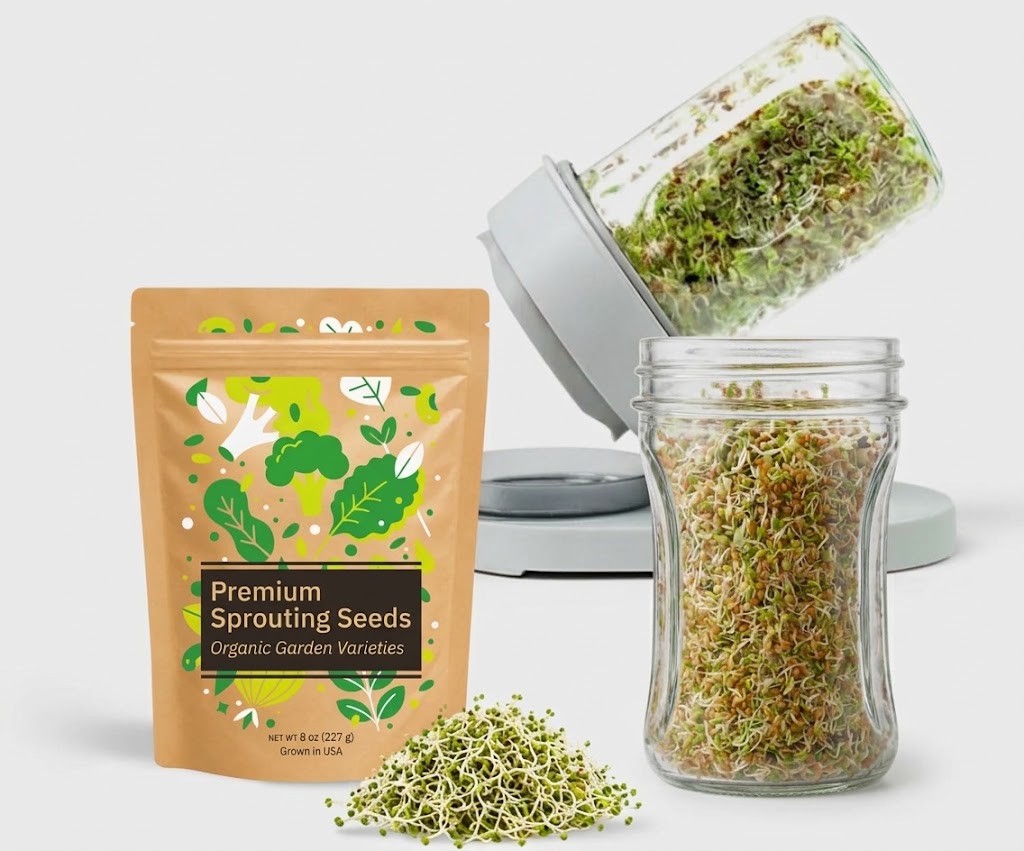
Jar Sprouting Kit with 8oz Broccoli Sprout Seeds
Check Price on AmazonSome fruits are more sugary or filling than others. Banana and mango, for instance, are best offered in modest pieces. A few berries can be enough for a small dog. A large quantity of any fruit may cause vomiting, gas, or diarrhea, even if that fruit is safe in smaller portions.
Can frozen fruit help keep a dog cool?
A small frozen treat may feel refreshing, but it should not be treated as a way to prevent or treat overheating. Provide fresh drinking water and a cool place to rest. During hot weather, limit strenuous activity and avoid leaving a dog in a hot car or other overheated space. Frozen fruit is a snack, not a substitute for these basic heat-safety measures.
Some dogs handle chilled or thawed fruit better than rock-hard pieces. If your dog has sensitive teeth, missing teeth, a sore mouth, or tends to swallow treats whole, let the fruit soften first. You can also mash it and spread a thin layer on a lick mat. This retains the flavor while avoiding the hard texture that can make frozen pieces difficult to eat.
Common mistakes to avoid
- Assuming freezing makes a dangerous fruit safe. Freezing changes texture, not the underlying risk. Grapes and raisins remain off limits.
- Offering whole, hard pieces to every dog. A piece that seems small to you may be a choking hazard for a small dog or a fast eater. Adjust the texture and size to the individual dog.
- Sharing a mixed fruit bag without checking it. A blend may contain grapes, sweetened fruit, or pieces with pits or large seeds. Inspect the ingredients and the fruit itself before serving.
- Using canned fruit or sweetened smoothies. Syrup and added sugar provide no benefit. Smoothies may also contain ingredients such as grapes, chocolate, or artificial sweeteners that are unsafe for dogs.
- Giving too much because the fruit is healthy for people. Fruit still adds calories and can upset a dog’s stomach. Keep portions small and occasional.
- Introducing several new foods together. If your dog gets an upset stomach, you may not know which ingredient caused it. Offer one new fruit at a time and keep the rest of the diet familiar.
A useful point many owners overlook is that a “fruit mix” can hide the dangerous piece. Never pour a mixed bag directly into a dog’s bowl. Check every ingredient and remove anything unsuitable before preparing a serving.
What to do if your dog eats unsafe fruit
If your dog eats a grape, raisin, pit, or an unknown amount of a potentially unsafe fruit, call your veterinarian or an animal poison service right away. Be ready to share the type of fruit, the estimated amount, when it was eaten, and your dog’s approximate weight. Do not wait for symptoms before seeking advice, and do not try to make your dog vomit unless a veterinary professional tells you to.
Seek urgent veterinary help if your dog has trouble breathing, is choking, repeatedly vomits, becomes unusually weak, or shows signs of severe distress. For a suspected choking event, get emergency veterinary guidance immediately. Do not reach blindly into your dog’s throat; this can push an object farther in or lead to a bite.
After a small serving of a safe fruit, watch for mild digestive changes such as loose stool or vomiting. Stop serving that fruit if symptoms appear. Contact your veterinarian if symptoms are persistent, severe, or accompanied by unusual behavior, or if your dog has a medical condition that makes food changes risky.
Choosing a treat that suits your dog
For a healthy dog that chews carefully, a few plain blueberries or small pieces of strawberry can be an easy choice. For a dog that gulps food, has a small mouth, or struggles to chew, thawed and mashed fruit is safer than hard frozen chunks. If the goal is a cool snack, use a small portion and keep drinking water available.
Consider your dog’s full diet before adding fruit. Dogs on weight-control plans, therapeutic diets, or diets designed for a medical condition may need treats chosen or portioned by a veterinarian. Fruit can also be mixed with a dog’s regular food in a very small amount, but avoid changing a prescribed meal without professional advice.
Most importantly, treat each fruit as a separate food with its own preparation needs. Remove the parts that pose a choking, blockage, or toxicity risk, and keep the serving modest. A simple, single-ingredient treat is easier to check than a packaged blend or homemade recipe with several components.
Yes, can dogs have frozen fruit safely? Many can, as long as you choose dog-safe fruit, keep portions small, and prepare it to match your dog’s chewing ability. Freezing does not make grapes or other unsafe foods harmless.
For a practical first serving, wash and cut a small amount of plain blueberries or strawberries, then supervise your dog. If your dog has a medical condition, eats a risky fruit, or shows concerning symptoms, contact a veterinarian for advice.
