should greek yogurt be frozen? Keep its texture
Yes, should greek yogurt be frozen? You can freeze it safely, but thawed yogurt usually loses some of its smooth, thick texture. Freezing works best when you plan to use it in smoothies, baking, sauces, or other recipes where a little graininess will not matter.
This guide explains how to freeze Greek yogurt, how long to keep it for good quality, and the best ways to thaw and use it. You’ll also learn what changes after freezing, how to portion it conveniently, and when it’s better to keep the yogurt in the refrigerator instead.
Should greek yogurt be frozen?
Yes, Greek yogurt can be frozen, and freezing is a practical way to save extra yogurt or prepare ready-to-use portions. The main trade-off is texture: after thawing, the yogurt may be thinner, grainier, or slightly separated. Its tangy flavor generally remains, but it may not feel as creamy as it did before freezing.
That texture change happens because yogurt contains water, proteins, and other milk solids. As the water freezes, it forms ice crystals that can disrupt the yogurt’s smooth structure. When the yogurt thaws, some of that water may separate instead of blending perfectly back in.
Freezing is therefore most useful when you expect to blend or cook with the yogurt. It is less ideal if you want a perfectly smooth topping for fruit or granola. You can still eat thawed yogurt plain if you like the taste and don’t mind stirring it, but the texture may disappoint you if you expect it to be unchanged.
What changes when Greek yogurt freezes?
Freezing does not turn yogurt into a different food, but it can change how it looks and feels. The amount of change depends on the yogurt’s ingredients, its fat level, how quickly it freezes, and how carefully it is thawed. Some brands become only slightly watery, while others develop a more noticeable grainy texture.
Texture and separation
After thawing, you may see a watery layer on top or around the edges. This liquid is mostly whey, a naturally occurring part of dairy yogurt. Stir it back in if you want a thinner, more uniform yogurt, or pour off a little if you prefer a thicker consistency. Draining can make the remaining yogurt thicker, but it also reduces the amount you have.
Stirring helps, though it cannot always restore the original texture. A whisk or small blender can smooth out some lumps better than a spoon. Avoid expecting a perfect result: freezing can alter the structure permanently, especially if the yogurt goes through repeated temperature changes.
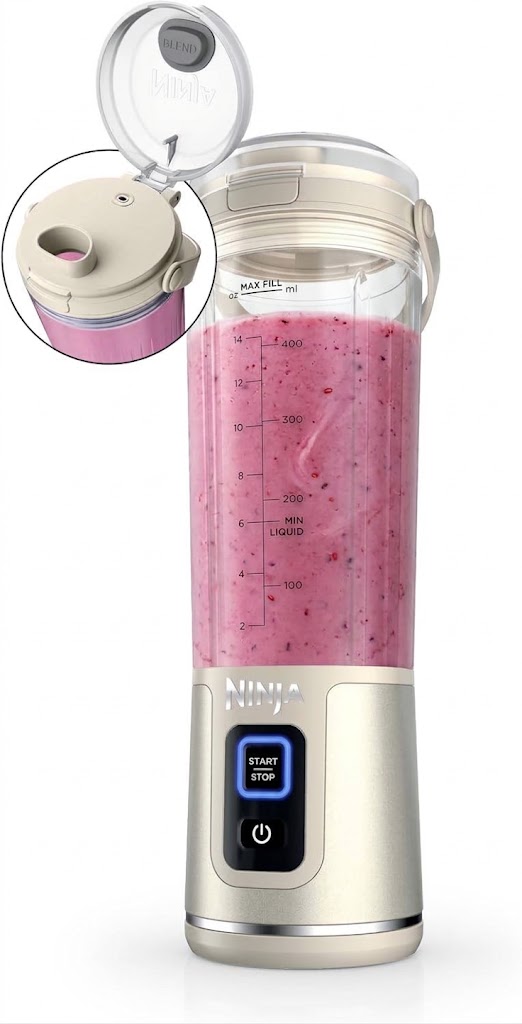
Ninja Blast Portable Blender, Cordless,18oz Vessel, Vanilla Bean
Check Price on AmazonFlavor and nutrition
The flavor usually stays close to its original taste, although cold temperatures can dull flavors while the yogurt is still frozen. Thawed yogurt may taste more tart or less rich if its texture has changed. Check it after thawing; if it smells or tastes unusual, discard it instead of trying to mask the problem.
Freezing does not remove the yogurt’s protein or make it unsuitable for cooking. Yogurt with live cultures may still contain some living cultures after freezing, but the effect varies by product and storage conditions. Freezing is not a reliable way to preserve a specific number of live cultures, and it does not sterilize food or make spoiled yogurt safe.
Which Greek yogurt freezes best?
Most plain Greek yogurt can be frozen. The best choice depends less on a single label claim and more on how you plan to use it. Higher-fat yogurt may seem richer after thawing, while low-fat or fat-free versions can be more prone to a watery or less creamy texture. The results vary by brand, so freeze a small amount first if texture matters to you.
| Yogurt type | What to expect after thawing | Best for |
|---|---|---|
| Plain full-fat Greek yogurt | Often feels richer, but may still separate or turn grainy | Smoothies, cooking, and sauces |
| Plain low-fat or fat-free Greek yogurt | May seem thinner or less creamy after thawing | Baking, blended drinks, and marinades |
| Sweetened or flavored Greek yogurt | Flavor remains, but fruit or other mix-ins may change texture | Smoothies and frozen yogurt-style snacks |
| Greek yogurt with fruit pieces | Fruit can soften or release liquid as it thaws | Blended recipes or eating partially frozen |
Plain yogurt is usually the most flexible option because you can add sweet or savory ingredients later. If your container already includes fruit, honey, or crunchy toppings, those additions may not freeze and thaw as well as the yogurt itself. Keep crunchy toppings separate and add them just before serving.
How to freeze Greek yogurt step by step
For the best results, freeze yogurt while it is fresh and has been kept cold. Freezing can pause further quality decline while the yogurt remains frozen, but it cannot reverse spoilage or restore freshness. Use clean utensils and containers to reduce the chance of introducing unwanted bacteria.
- Choose the amount you will use. Divide a large tub into portions that fit your usual recipes. Small portions thaw faster and help you avoid repeatedly thawing and refreezing the whole supply.
- Select a freezer-safe container. Use a rigid freezer-safe tub, a resealable freezer bag, or an ice cube tray. Leave a little room at the top of rigid containers because contents can expand as they freeze.
- Seal and label it. Close the container tightly to limit exposure to air and odors. Write the contents and freezing date on the label so you can use older portions first.
- Freeze it promptly. Put the yogurt in a consistently cold freezer, ideally at 0°F (-18°C) or below. Keep it away from the door if possible, where temperatures can fluctuate more often.
- Use it while quality is good. For best quality, aim to use frozen yogurt within about one to two months. It can remain safe longer if continuously frozen, but flavor and texture may decline over time.
You can freeze yogurt in its original container if the package is freezer-safe and has enough space for expansion. If the container is full or made from material not intended for freezing, transfer the yogurt to a suitable container. Do not assume every plastic tub is designed for freezer storage.
Freezing portions in an ice cube tray
An ice cube tray is useful when recipes call for small amounts. Spoon yogurt into the tray, cover it if possible, and freeze until solid. Transfer the portions to a labeled freezer bag or sealed container. This keeps the tray available and helps protect the yogurt from freezer odors.
Cube sizes vary, so measure a portion once if a recipe needs a specific amount. You can thaw a few cubes in the refrigerator, or add them directly to a blender. Frozen cubes can also cool a smoothie without watering it down as quickly as regular ice.
Freezing the whole container
Freezing the unopened package can save time, provided the packaging is freezer-safe and not filled to the brim. Follow the manufacturer’s storage directions when they address freezing. If the tub is close to full, transfer some yogurt to another container first to leave expansion space.
For an opened tub, use a clean spoon to portion the yogurt rather than freezing it with a spoon or food residue inside. Seal the container well. If you regularly use yogurt, freezing several smaller portions may be more convenient than repeatedly opening one large frozen container.
How to thaw frozen Greek yogurt
The refrigerator is the best place to thaw yogurt when you want to protect its quality and keep it at a safe temperature. Small portions may thaw within several hours, while a large container can take longer. The exact time depends on portion size and your refrigerator, so check the center before using it.

Framendino, 16 Pack Artificial Chicken Nuggets Fake Fried Food Models Props for Kitchen Decor
Check Price on Amazon- Move only the amount you need. Take a portion from the freezer and place it in the refrigerator. Keep it covered while it thaws.
- Let it thaw slowly. Give the yogurt enough time to soften throughout. Avoid leaving it on the counter for hours to speed up the process.
- Stir before serving. Mix in any separated liquid, then assess the texture. Whisking or briefly blending can help smooth it, though it may not become identical to fresh yogurt.
- Use it soon after thawing. Keep thawed yogurt refrigerated and follow the package’s use-by guidance. If you are unsure how long it has been thawed or whether it stayed cold, choose the safer option and discard it.
If you are using the yogurt in a smoothie or soup, you can often add it while still frozen or partly frozen. For a sauce, dip, or recipe that needs a smooth mixture, thaw it in the refrigerator first and stir or blend it before combining it with other ingredients.
Do not thaw yogurt on a warm counter or in hot water. Dairy foods should not sit at room temperature for more than two hours, or more than one hour when the temperature is above 90°F (32°C). A slow refrigerator thaw is safer and gives you more control over the temperature.
What can you use thawed Greek yogurt for?
Thawed yogurt works best in foods where blending, heating, or mixing makes small texture changes less noticeable. It can add tang and creaminess without needing to look perfectly smooth on its own. Taste it before adding it to a recipe, particularly if it has been stored in the freezer for a while.
- Smoothies: Add frozen portions straight to the blender for body and a cool texture. Reduce added ice if the yogurt portions are already frozen.
- Baking: Use thawed yogurt in suitable recipes for muffins, quick breads, pancakes, or cakes. Follow the recipe’s measurements, and stir the yogurt until evenly mixed before measuring.
- Soups and sauces: Blend or whisk the yogurt first. Add it gently to warm dishes rather than boiling it, since dairy can separate when heated too aggressively.
- Marinades: Use it in a marinade for meat or vegetables, where the yogurt will be mixed with other ingredients. Keep the marinade refrigerated and handle it according to safe food practices.
- Frozen snacks: Freeze small spoonfuls or a thin layer with fruit for a cold snack. The result is closer to a frozen treat than to fresh, creamy yogurt.
Thawed yogurt may be less satisfying as a stand-alone breakfast topping, especially if you prefer a dense, smooth texture. If you still want to serve it plain, stir it thoroughly and add fresh fruit, nuts, or another topping after thawing. A small test portion can tell you whether the texture works for you before you thaw the rest.
Can you refreeze Greek yogurt?
Refreezing is usually a poor choice for quality. Each freeze-thaw cycle can create more separation and a grainier texture. If yogurt thawed safely in the refrigerator and stayed cold, it may be possible to refreeze it, but the result is likely to be less pleasant.
A better approach is to freeze yogurt in portions you can use at once. If a thawed portion is still safe but no longer appealing as a topping, use it promptly in a smoothie or baked recipe rather than putting it back in the freezer. Never refreeze yogurt that has been left out too long or whose temperature history is uncertain.
When should you keep Greek yogurt in the refrigerator?
Keep yogurt refrigerated if you plan to eat it soon and want the smoothest possible texture. Freezing is not necessary just because the package has been opened. A tightly closed container in the refrigerator is generally the better choice for short-term use; follow the product label and use clean utensils each time.
Freezing also may not suit yogurt you plan to use as a dip, a cold topping, or a garnish where appearance and texture matter. For those uses, buy or keep only the amount you expect to finish while it is fresh. You can freeze an extra portion for cooking, but save a separate refrigerated portion for serving plain.
Common mistakes to avoid
Expecting thawed yogurt to be unchanged
The biggest misunderstanding is assuming frozen yogurt will thaw into exactly the same product. It may be safe and flavorful but noticeably less smooth. Plan uses around that change, and do not freeze a large container if you know you only enjoy yogurt with its original texture.
Freezing a full container without expansion room
Yogurt can expand as it freezes. A packed container may leak, crack, or push against its lid. Leave headspace in a rigid container, or portion the contents into containers that are not filled to the top.
Using a container that is not freezer-safe
Some packages are intended for refrigerator storage, not repeated freezing. A weak container can split or fail to seal, leaving the yogurt exposed to air and freezer odors. Transfer it to packaging intended for freezer use when you are uncertain.
Thawing the whole batch for one serving
Thawing a large tub to use a spoonful creates unnecessary handling and may lead to repeated temperature changes. Portion the yogurt before freezing. Individual servings or recipe-sized amounts are easier to thaw and help preserve the quality of the unused portions.
Treating freezing as a way to rescue spoiled yogurt
Freezing does not make yogurt fresh again or remove harmful contamination. Do not freeze yogurt that has been left warm for too long, has a damaged container, or shows clear signs of spoilage. Discard it if you notice mold, an unusual odor, or an abnormal appearance that is not simply a little separated whey.
Ignoring freezer odors and air exposure
Yogurt can absorb strong odors if it is poorly sealed. A tight lid or sealed freezer bag helps protect its flavor and reduce drying at the surface. Labeling also prevents a forgotten container from lingering in the freezer until its quality has declined.
Quick decision: freeze it or keep it cold?
| Your situation | Better choice | Reason |
|---|---|---|
| You will eat it plain soon | Refrigerate | Fresh yogurt keeps its original smooth texture. |
| You have extra yogurt and will blend or bake with it | Freeze in portions | Texture changes matter less in mixed recipes. |
| You need a smooth dip or topping | Refrigerate | Thawing may leave the yogurt grainy or watery. |
| You want convenient smoothie ingredients | Freeze cubes or small portions | Frozen servings can go directly into a blender. |
| The yogurt may already be spoiled | Discard it | Freezing cannot make unsafe food safe. |
The practical rule is simple: freeze Greek yogurt when convenience matters more than perfect texture. Keep it refrigerated when you want to eat it plain, serve it as a topping, or use it in a dish where smoothness is important. If you are uncertain, freeze a small portion first and see how it behaves after thawing.
Yes, should greek yogurt be frozen? It can be frozen safely, but thawing often makes it less smooth or slightly watery. Freeze it in sealed, labeled portions and plan to use it in smoothies, baking, sauces, or other mixed dishes.
For the best texture, keep yogurt you plan to eat plain in the refrigerator. Try freezing one small serving first, thaw it in the fridge, and decide whether the result suits your recipes before freezing the rest.
