why freeze yogurt: Save It and Use It Well
To keep yogurt longer or prepare it for smoothies and frozen treats, freeze it in small, airtight portions. Freezing preserves it, but it can change the texture: yogurt often separates or turns grainy after thawing.
The best way to freeze it depends on how you plan to use it. This guide explains which types freeze well, how to portion and store them, and what to expect when they thaw. You’ll also learn how to use frozen yogurt safely, reduce food waste, and avoid common mistakes that lead to icy or watery results.
why freeze yogurt: the main reasons and trade-offs
Freezing yogurt is useful when you have more than you can eat before its quality declines, or when you want ready-to-use portions for recipes. It can also make a convenient base for smoothies, frozen snacks, and homemade frozen yogurt. The main trade-off is texture: freezing and thawing can make yogurt watery, lumpy, or less creamy.
Yogurt contains water, fat, proteins, and other solids. As it freezes, water forms ice crystals, which can disrupt the structure that made the yogurt smooth. When it thaws, some liquid may separate from the thicker part. Stirring can bring it back together somewhat, but it may not regain the exact texture it had before freezing.
Freezing slows the growth of microorganisms, but it does not sterilize food or make spoiled yogurt safe. Start with yogurt that is fresh and has been kept refrigerated. If it smells unpleasant, has an unusual appearance, or shows signs of mold, discard it rather than freezing it.
Which types of yogurt freeze best?
Nearly any plain or flavored yogurt can be frozen, but the result depends on its ingredients and your intended use. Higher-fat, thicker yogurt often feels creamier in frozen desserts. After thawing, however, even thick yogurt may separate. For a smoothie or a sauce, that change matters less because blending or mixing can smooth it out.
| Yogurt type | What to expect | Best use after freezing |
|---|---|---|
| Plain whole-milk yogurt | May separate, but often retains a fuller taste. | Smoothies, dips, and baking |
| Greek yogurt | Thick before freezing; may become grainy or release liquid after thawing. | Smoothies, marinades, and cooked dishes |
| Low-fat or nonfat yogurt | Can seem icier or thinner after thawing. | Blended drinks and recipes |
| Sweetened or fruit yogurt | Usually freezes well as a snack, though fruit or syrup may shift or separate. | Frozen cups, pops, and smoothies |
| Drinkable yogurt | May separate; leave space in its container for expansion. | Smoothies or a thoroughly shaken drink after thawing |
Greek yogurt is not automatically the best choice for every purpose. Its thickness can be useful in a smoothie, but the altered texture may be more noticeable if you plan to eat it plain after thawing. For a frozen snack, choose a flavor and sweetness level you already enjoy; freezing does not reliably improve a yogurt that tastes unpleasant to begin with.
How to freeze yogurt in practical portions
Portioning yogurt before freezing makes it easier to use without thawing the entire container. It also limits repeated temperature changes, which can hurt quality. Use clean, freezer-safe containers or bags, and leave a little headroom because the contents expand as they freeze.
- Check the yogurt. Freeze it while it is fresh and cold. Do not use a container that has been left out for a long time or shows signs of spoilage.
- Choose a portion size. Measure portions for smoothies or recipes, or divide yogurt into single servings. Smaller portions freeze and thaw more conveniently.
- Pack it securely. Use a clean freezer-safe container with a tight lid, or a freezer bag. Leave a small gap at the top, especially if using a rigid container.
- Label the package. Write the type of yogurt and the freezing date on it. This helps you use older portions first and identify plain, flavored, or sweetened yogurt.
- Freeze promptly. Place the portions in the freezer rather than leaving them at room temperature. Keep them in a steady, cold part of the freezer, not in the door if that area warms frequently.
You can also freeze yogurt in an ice cube tray for small recipe portions. Once the cubes are solid, move them to a sealed freezer bag. This saves space and makes it simple to add a few cubes to a blender. Keep the bag closed between uses to reduce exposure to air and freezer odors.
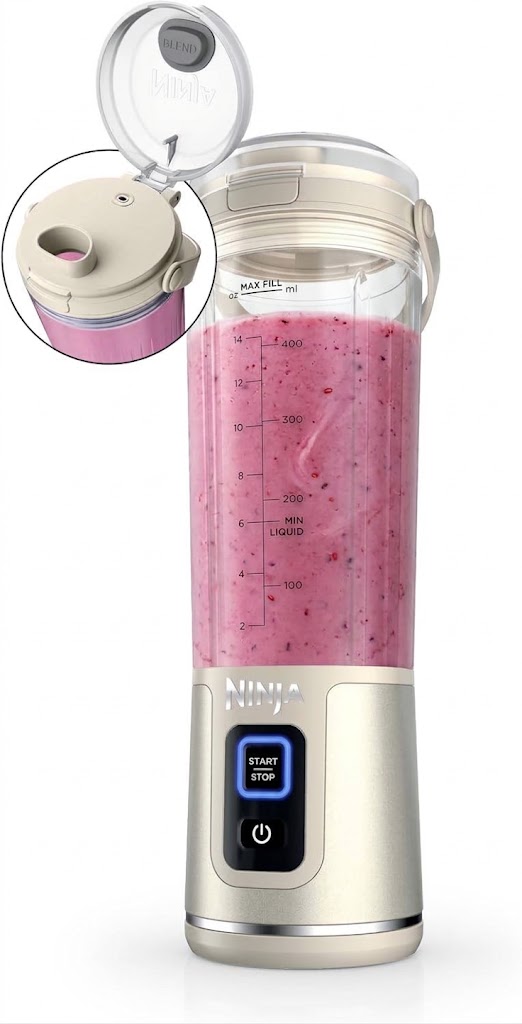
Ninja Blast Portable Blender, Cordless,18oz Vessel, Vanilla Bean
Check Price on AmazonCan you freeze yogurt in its original container?
Sometimes, but check the packaging first. A tub or cup that is not marked or designed for freezing may crack, leak, or allow air to reach the yogurt. If you are unsure, transfer the yogurt to a freezer-safe container. Leave room at the top instead of filling a rigid container to the brim.
Single-serving cups can be convenient if their packaging is freezer-safe and there is space for expansion. Avoid placing glass containers in the freezer unless the manufacturer specifically says they are suitable for freezing. Sudden temperature changes and expansion can cause glass to break.
How long frozen yogurt keeps its quality
At a constant freezer temperature of 0°F (-18°C) or colder, frozen food remains safe indefinitely, provided it was handled safely before freezing and stays frozen. That does not mean its quality stays unchanged. Yogurt can develop freezer odors, ice crystals, or a drier, less pleasant texture over time.
For the best quality, plan to use frozen yogurt within about one to two months. This is a practical quality guideline, not a guarantee that yogurt becomes unsafe as soon as that period passes. A well-sealed portion kept continuously frozen may remain safe longer, but its flavor and texture can decline.
Freezing does not reset the yogurt’s freshness clock. If it was close to its use-by date before freezing, freezing it does not make it newly fresh. Label portions with the date you froze them and prioritize those that have been stored the longest.
How to thaw frozen yogurt safely
For the most controlled thaw, transfer the portion to the refrigerator and let it thaw while cold. The time depends on the container size, so check it periodically. Stir or whisk the yogurt after thawing to redistribute separated liquid, and use it soon rather than leaving it at room temperature.
If you need yogurt for a smoothie, there is often no need to thaw it first. Add frozen cubes or a small frozen portion directly to the blender with the other ingredients. This is one of the easiest ways to use yogurt that might otherwise feel too grainy to eat plain.
Do not thaw yogurt on the counter for hours. A cold refrigerator thaw helps keep it at a safe temperature. If yogurt has been left at room temperature for more than two hours, discard it; the limit is one hour when the room is above 90°F (32°C). Avoid tasting food to decide whether it is safe.

Framendino, 16 Pack Artificial Chicken Nuggets Fake Fried Food Models Props for Kitchen Decor
Check Price on AmazonRepeated thawing and refreezing can worsen separation and texture. If thawed yogurt has stayed refrigerated and has been handled safely, it may be refrozen, but its quality is likely to decline further. A better approach is to freeze small portions and thaw only what you expect to use.
What happens to yogurt cultures when it freezes?
Yogurt contains live cultures when the product is labeled accordingly, but freezing can reduce the number of living bacteria. The effect varies with the yogurt, the specific cultures, storage conditions, and time in the freezer. Freezing does not reliably kill every culture, but it should not be treated as a way to preserve or increase probiotic benefits.
If live cultures are important to you, check the product label and follow the manufacturer’s storage instructions. Do not assume that thawed yogurt has the same number of living cultures as fresh refrigerated yogurt. It can still be useful and nutritious as food, even if freezing has affected some cultures.
Best ways to use yogurt after freezing
Thawed yogurt usually works best in dishes where a perfectly smooth texture is not essential. Stirring may help, but blending, mixing, or cooking can hide changes that are noticeable when you eat it plain.
- Smoothies: Add frozen portions straight to the blender for a cold, thick drink.
- Baking: Use thawed yogurt in recipes that call for yogurt, such as muffins or quick breads. Mix it well first and follow the recipe’s measurements.
- Marinades: Stir thawed yogurt into a marinade for meat or vegetables, then keep the food refrigerated while it marinates.
- Dips and sauces: Whisk the yogurt before using it. If it remains thin or grainy, mix it into a recipe where a smooth finish is not essential.
- Frozen treats: Freeze sweetened yogurt in small molds or portions. The finished texture may be icy rather than identical to commercial frozen yogurt.
If you want to eat thawed yogurt by itself, stir it thoroughly and see whether the texture suits you. You can strain excess liquid through a clean, fine sieve in the refrigerator if you want a thicker result. Use the strained yogurt promptly and keep it cold.
Common freezing mistakes to avoid
Expecting it to thaw like fresh yogurt
The most common surprise is a change in texture. Separation is a physical effect of freezing, not necessarily a sign that the yogurt has spoiled. Stir it, blend it, or use it in a recipe if it still smells and looks normal. Discard it if it has mold, an off smell, or other clear signs of spoilage.
Filling containers to the top
Yogurt expands as it freezes. Filling a container completely can force the lid off or crack the package. Leave a small amount of headroom, seal it well, and keep the container upright until frozen.
Freezing a large tub when you need small servings
A large frozen block takes longer to thaw and encourages repeated thawing. Divide it into servings before freezing. This small step makes it easier to take only what you need and helps maintain the quality of the remaining portions.
Assuming the freezer fixes old yogurt
Freezing preserves yogurt in its current condition; it does not make questionable food safe or restore freshness. Freeze promptly, while the yogurt is still fresh and properly chilled. Discard anything with signs of spoilage instead of trying to save it.
Is freezing yogurt worth it?
Freezing is a practical option if you want to extend storage, reduce waste, or keep measured portions ready for smoothies and cooking. It is less appealing if your main goal is to thaw yogurt and eat it with the same smooth texture it had before freezing. In that case, use the refrigerated product before its quality declines.
Match the method to the job: freeze small portions for convenience, use airtight packaging to limit freezer odors, and thaw slowly in the refrigerator when you need a spoonable ingredient. If the texture changes, try stirring or blending it before deciding it has no use.
Freezing yogurt helps preserve it and makes convenient portions for smoothies, baking, and other recipes. The main compromise is texture: thawed yogurt may separate or feel grainy, even when it has been handled safely.
For the best result, divide fresh yogurt into small, labeled, freezer-safe portions and leave room for expansion. Thaw only what you need in the refrigerator, then stir it or blend it into a recipe.
That is why freeze yogurt only when the convenience or longer storage is worth a possible texture change. If you have a tub to use up, portion it today and mark the date before putting it in the freezer.
