why is elsa from frozen so popular? Explained
why is elsa from frozen so popular? Elsa connects with audiences because her story combines striking ice magic with a relatable struggle over fear, identity, and belonging. She is powerful, but she is also vulnerable and often unsure how to use that power.
Her appeal comes from more than one memorable song or a dramatic costume. The films give her a recognizable emotional conflict, a complicated relationship with her sister, and room to change. This article looks at how the writing, music, animation, character design, and audience connection work together—and why Elsa’s popularity does not depend on seeing her as a perfect role model.
why is elsa from frozen so popular?
Elsa is popular because she is both a fairy-tale figure and an emotionally recognizable person. She can create ice and snow, yet the central problem in her story is not how to win a battle. It is how to live with a part of herself she has been taught to fear.
That contrast gives the character more depth than her powers alone could provide. Her magic makes her visually exciting, while her fear of hurting people makes her choices understandable. Viewers can enjoy the spectacle and still recognize feelings such as anxiety, shame, isolation, and the desire to be accepted.
Elsa’s story also changes the familiar princess pattern. She is not defined mainly by finding a romantic partner. Her bond with Anna, her choices about responsibility, and her effort to understand herself take center stage. The films leave room for several kinds of audience connection: some viewers respond to her independence, others to her family relationship, and others to the tension between hiding and being seen.
Her conflict makes great power feel personal
Magic in a fantasy story can be exciting, but it becomes meaningful when it affects a character’s everyday relationships. Elsa’s ice powers are dangerous in the opening story because she cannot always control them, and she fears that someone she loves could get hurt. The threat is not abstract. It is tied to her sister and to the people she is expected to lead.
Her response is to hide her abilities and hold back her emotions. That choice makes sense from her point of view, but it also leaves her isolated. She learns to treat self-control as the same thing as safety, even though silence cannot solve the problem. This is a recognizable emotional pattern: people sometimes conceal a difficult part of themselves because they believe it will protect others or prevent rejection.
The story does not suggest that every fear disappears as soon as Elsa reveals herself. Instead, it shows that she needs support, understanding, and a better relationship with her own abilities. That distinction matters. It gives her progress a human scale rather than presenting confidence as a switch she can simply turn on.
Elsa and Anna give the story its emotional center
Elsa’s bond with Anna is a major reason audiences care about her. They are sisters who love each other, but fear and secrecy create distance between them. Anna wants closeness and answers; Elsa wants to keep Anna safe. Each sister acts from an understandable motive, yet their different ideas about protection make the relationship difficult.
That conflict makes Elsa more than a solitary figure with impressive powers. Her choices have consequences for someone she loves, and reconciliation requires more than a magical solution. The relationship gives viewers a way to understand Elsa’s reserve: it is not simply coldness or arrogance. It is also an attempt to manage fear, even when that attempt hurts both sisters.
Anna’s openness provides a useful contrast. She often acts quickly and reaches toward people, while Elsa tends to withdraw and think about what could go wrong. Neither approach is presented as the only right one. Their differences help the story show that love can remain real even when people misunderstand each other, and that restoring trust takes action.
This sister-centered story also broadens the meaning of a fairy-tale ending. Romantic love is not the only relationship capable of carrying the emotional climax. Elsa and Anna’s connection gives the film a clear family bond to build toward, which helps explain why the character resonates with viewers looking for stories about siblings, loyalty, and repair.
Music turns private feelings into memorable moments
The songs help audiences understand what Elsa cannot easily say in ordinary conversation. A musical number can make an internal struggle visible and audible. In Elsa’s case, music gives fear, longing, and self-expression a dramatic shape, helping the audience follow her emotional shifts without requiring a long explanation.
“Let It Go” became closely associated with Elsa because it arrives at a turning point. She is alone, no longer trying to hide her powers in the same way, and able to express herself through both voice and movement. The scene is exhilarating, but it is not a simple declaration that all her problems have ended. Its emotional force comes from the mix of release and uncertainty: she is claiming space for herself while still facing the consequences of separation.
The song also benefits from a visual sequence designed to make the feeling legible. Elsa’s clothing and surroundings change as the music builds, so the audience can see her shift from restraint toward self-expression. The combination of melody, performance, and animation makes the moment easy to remember and share. It can be enjoyed as a catchy song while still serving the character’s story.
Music continues to matter beyond that one scene. Later songs give Elsa new questions to face, rather than repeating the same emotional beat. This helps her remain a character with an unfolding story instead of a single iconic image frozen at her first major moment of freedom.
Distinctive design makes her instantly recognizable
Elsa’s visual design supports her role in the story. Cool colors, crystalline shapes, and flowing fabric connect her appearance to ice and snow. Her pale braid and formal posture help distinguish her from Anna, whose warmer colors and more informal energy suggest a different temperament.
Her design also changes as her circumstances change. Clothing, posture, and movement help show whether she feels guarded, authoritative, or more at ease. These details matter because animation can communicate emotion before a character says anything. A viewer can often read tension in a held pose or see a change in confidence through freer movement.
The ice effects give animators a rich way to connect her inner state with the world around her. Snowflakes and frozen surfaces are not merely decorations; they make her abilities visible and give important scenes a distinct look. The effects also support the film’s sense of wonder, which makes Elsa compelling to viewers drawn to fantasy as much as to family drama.
Her appearance is recognizable without needing a detailed explanation of who she is. That clarity helps the character work across scenes, promotional images, costumes, and toys. The useful point is that design and personality reinforce one another: the visual elements attract attention, while the story gives those elements emotional meaning.
She challenges familiar princess expectations
Elsa is part of a princess tradition, but her story does not revolve around winning a prince. Her strongest relationships and choices concern family, leadership, and her understanding of herself. That gives the narrative room to explore what responsibility feels like when a person is frightened of the very ability that sets her apart.
She also does not fit neatly into a simple ideal of a flawless heroine. Elsa can be withdrawn, make decisions based on fear, and hurt people despite wanting to protect them. Those imperfections make her more credible. An inspiring character does not have to behave perfectly; often, the more useful story is one that shows mistakes, consequences, and change.
Her independence can be meaningful to viewers who want a heroine with goals and conflicts beyond romance. At the same time, the films do not make independence mean that she must live without connection. Elsa needs relationships and support, but she also needs room to make choices about her own life. That balance helps keep her from being reduced to either a lonely icon or a traditional love-interest character.
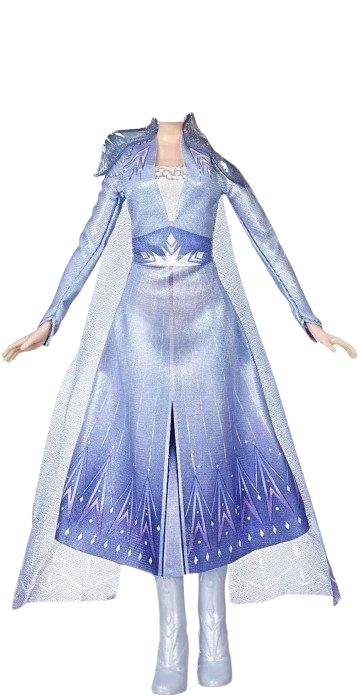
Disney Frozen Elsa Fashion Doll with Long Blonde Hair & Blue Outfit Inspired by Frozen 2
Check Price on Amazon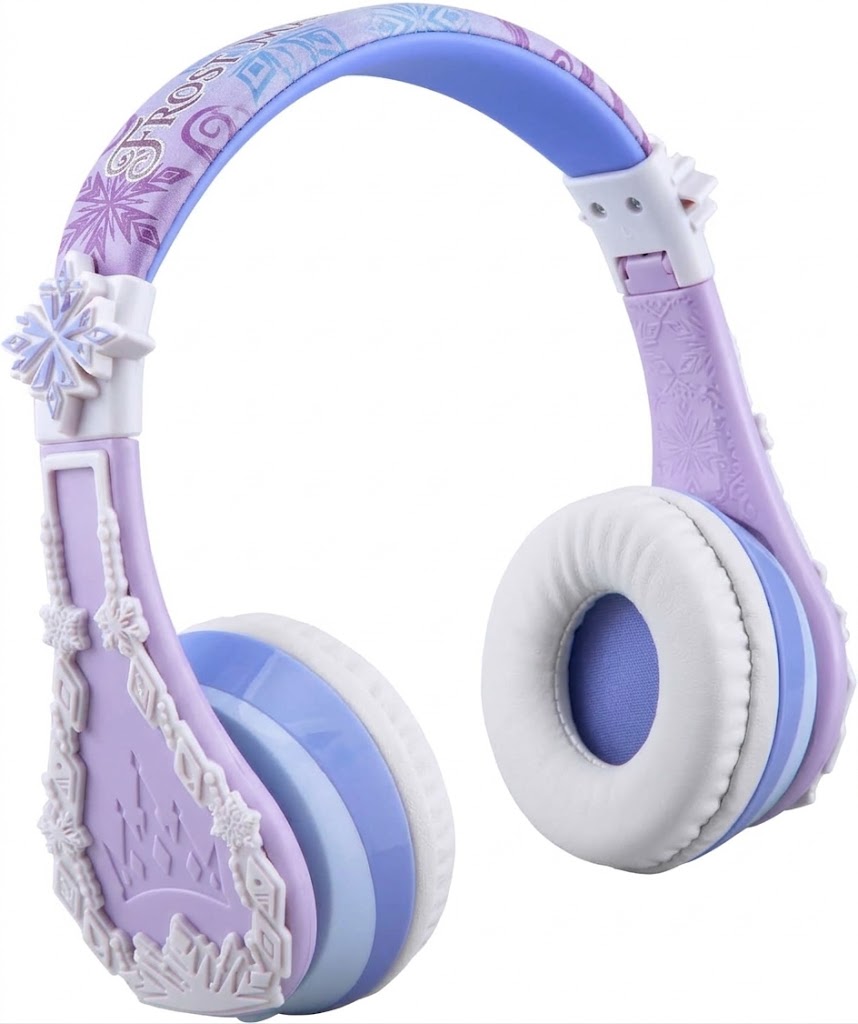
Frozen 2 Bluetooth Headphones with Microphone
Check Price on AmazonWhat Elsa, Anna, and other characters bring to the story
Elsa is not the only reason Frozen works, but comparing her role with those of other characters helps explain what makes her distinct. Each character provides a different emotional route into the story.
| Character | Main story role | What makes the character relatable | Best for |
|---|---|---|---|
| Elsa | Faces fear, responsibility, and self-acceptance | Her wish to protect others clashes with her need to be understood | Viewers drawn to inner conflict and personal growth |
| Anna | Seeks connection and works to repair family ties | Her hope and persistence continue even when she gets things wrong | Viewers who connect with warmth, loyalty, and action |
| Kristoff | Offers practical support and an outside perspective | He has to communicate honestly rather than assume what others need | Viewers who enjoy grounded support and partnership |
| Olaf | Adds humor and a playful view of the world | His curiosity makes serious moments easier to approach | Viewers who enjoy comic relief and simple optimism |
The comparison shows why Elsa can be the most discussed character without carrying the entire emotional story alone. Anna’s choices keep their relationship active, while the supporting characters add humor, practical help, and different ways of responding to uncertainty. A strong ensemble gives Elsa’s development something to push against and someone to matter to.
Her story leaves room for different interpretations
Elsa’s experience can invite viewers to think about identity, difference, and the pressure to conceal parts of themselves. The films do not give her a single real-world label, and it is better not to claim that the character was written to represent one specific group unless the creators have clearly said so. Still, a story about hiding a trait out of fear and gradually seeking acceptance can feel familiar to people with many different experiences.
That openness helps explain why viewers can find personal meaning in the character without agreeing on one definitive interpretation. One person may focus on anxiety and self-control. Another may see a story about independence, family expectations, or finding a community that understands you. The shared emotional pattern is clear even when the personal connection differs.
It is also useful to separate an audience interpretation from a confirmed fact about the story. A reading can be thoughtful and valuable without being the only intended meaning. Keeping that distinction clear makes discussion richer: people can explain what Elsa means to them without insisting that every other viewer must read her the same way.
The sequel gives her popularity more room to grow
Frozen II expands Elsa’s story by asking what her powers mean and where she belongs. Rather than simply repeating the first film’s question of whether she can express herself, the sequel gives her new reasons to investigate her identity and responsibilities. That change lets the character move forward instead of remaining tied to one famous scene.
For many viewers, continuation matters because a compelling character needs more than an arresting introduction. New challenges can reveal different parts of her personality and test how she has changed. Elsa’s later journey keeps the focus on belonging and self-understanding while giving the fantasy world more space to develop.
The two films also offer different emotional experiences. The first centers strongly on the sisters’ separation and reconciliation, while the sequel places greater emphasis on discovery and Elsa’s role in the wider story. Viewers who prefer one film over the other may still find a consistent character at the center: someone learning how personal choice, family, and responsibility fit together.
Common misconceptions about Elsa’s appeal
Her popularity is not only about a famous song
“Let It Go” helped make Elsa memorable, but the character’s appeal also depends on her relationships, conflict, design, and continuing story. A catchy song can draw attention; it cannot sustain affection for a character if the surrounding story offers nothing meaningful. Elsa’s emotional struggle gives the music a context audiences can remember.
She is not simply powerful and fearless
Elsa’s magic can make her look invincible, but fear is central to her story. She worries about hurting others and often doubts her ability to make the right choice. Treating her as fearless misses the tension that makes her development compelling. Her strength is not the absence of fear; it is the effort to face difficult questions and accept help.
Being alone is not the same as being free
Elsa’s time apart from others can look like complete independence, especially in a dramatic musical scene. But isolation is not presented as a lasting answer to every problem. Her story repeatedly returns to relationships and responsibility. A practical reading is to value her growing self-acceptance without treating withdrawal from everyone else as the goal.
Popularity does not mean every viewer relates to her in the same way
Some viewers connect most with Elsa; others prefer Anna or another character. That difference does not weaken the story. Elsa’s appeal comes partly from leaving room for multiple responses, and a character can be important to an audience without being universally liked or understood.
Why does Elsa remain appealing to children and adults?
Children may be drawn to the magic, bright visual design, music, and clear family stakes. Elsa’s powers offer the imaginative pleasure of a fantasy hero, while her relationship with Anna gives the story emotional situations children can follow. The character is also easy to recognize in play and costumes because her look has a strong connection to her role.
Adults may notice the more complicated parts of the story: the way fear shapes behavior, how good intentions can still cause harm, and why rebuilding trust takes effort. Those themes do not require an adult interpretation to enjoy the film, but they can make the character rewarding to revisit. A viewer’s connection may change with age as different parts of the story become more noticeable.
Families can use Elsa’s story as a starting point for a simple conversation. Ask what she was afraid might happen, whether hiding helped, and what changed when she accepted support. These questions keep the discussion grounded in the story instead of turning the character into a lesson with only one correct answer.
What most people miss about her character
A common mistake is to describe Elsa’s arc as “hide your power, then show it.” That summary captures part of the action but skips the harder question: how can she use her abilities responsibly without treating herself as a danger by default? Her growth is not just public self-expression. It also involves learning, making choices, and building relationships that allow her to be known.
This distinction is useful beyond the movie. Confidence alone does not solve every problem, and self-acceptance does not remove the need to consider how your actions affect others. Elsa’s story is stronger because it holds both ideas at once: she deserves acceptance, and she has responsibilities to the people around her.
It also explains why the character can inspire discussion without serving as a simple model for every situation. The goal is not to copy her choices in real life. It is to notice how fear, care, and responsibility interact, then ask what support or honest conversation might help in a similar situation.
Elsa’s popularity comes from the way her magical abilities connect to an understandable struggle with fear, identity, family, and responsibility. Memorable music and visual design help the character stand out, while her evolving relationship with Anna gives the story emotional weight.
For a closer look, watch one of Elsa’s major scenes and notice how the song, animation, and her choices work together. That makes it easier to see why is elsa from frozen so popular: the spectacle is memorable, but the feelings beneath it make her story last.
