when can babies have frozen fruit? Safe serving tips
Babies can have frozen fruit once they are ready for solid foods, usually around 6 months old. Serve it thawed, soft, and prepared for your baby’s eating skills; hard frozen pieces can be a choking hazard.
Frozen fruit can be a convenient way to offer variety, but its texture and preparation matter more than whether it started fresh or frozen. Learn how to choose fruit, thaw it safely, serve age-appropriate portions, and avoid common choking and food-safety mistakes.

Framendino, 16 Pack Artificial Chicken Nuggets Fake Fried Food Models Props for Kitchen Decor
Check Price on AmazonWhen can babies have frozen fruit?
You can offer frozen fruit when your baby is ready for solids, generally at about 6 months. Age alone is not the only sign of readiness. Your baby should be able to hold their head steady, sit upright with support, bring objects to their mouth, and swallow food rather than push it out repeatedly.
Most babies are not ready for solid foods before about 6 months. If your baby was born prematurely, has difficulty swallowing, or has a medical condition that affects feeding, ask their clinician when and how to start.
Frozen fruit is not safe to serve straight from the freezer as hard chunks. Thaw it until soft, then mash, puree, or cut it into a shape and size your baby can manage. Stay close and watch your baby eat, seated upright.
How to prepare frozen fruit for a baby
Preparation depends on the fruit and your baby’s development. For an early eater, soft fruit mashed with a fork is often easiest. Babies who can pick up food may manage a large, soft piece or a thin, manageable slice while practicing self-feeding.
- Check the package. Choose plain fruit with no added sugar, syrup, or seasoning. Read the instructions and check for a recall before serving.
- Thaw only what you need. Place a small portion in a clean, covered container in the refrigerator, or use a microwave-safe dish and the microwave’s defrost setting.
- Check the texture. The fruit should be soft enough to mash easily between your fingers. Remove hard pieces, stems, pits, and seeds that could be a choking concern.
- Prepare it for your baby. Mash or puree for a beginner, or offer a suitable soft piece for a baby who is ready to pick up food.
- Check the temperature. Stir microwaved fruit well and check for hot spots. Let it cool before serving.
- Serve with supervision. Keep your baby seated upright and within arm’s reach throughout the meal.
Thawing in the refrigerator is a practical choice because it keeps fruit cold while it softens. If you use a microwave, stir thoroughly: small portions can heat unevenly, even when the dish feels only warm on the outside.
Choose a texture that matches your baby’s skills
A baby who is just starting solids may do best with smooth puree or soft fruit mashed into a thick consistency. As chewing and hand control develop, you can offer less-mashed fruit or appropriately prepared soft pieces. Babies develop at different rates, so let your child’s skills guide the texture.
For self-feeding, avoid small, firm, round pieces. If a piece is slippery, hard, or difficult to squash, change the preparation or choose another fruit. A baby’s gag reflex can be part of learning to eat, but choking can be quiet and dangerous. Watch closely and learn infant choking first aid before your baby starts solids.
Which frozen fruits work well?
Plain frozen berries, peaches, mango, pears, and bananas can all be options if prepared safely. Some fruit softens easily after thawing; other pieces may remain firm or slippery and need mashing or further preparation.
| Fruit | What to check | Simple serving idea | Best for |
|---|---|---|---|
| Blueberries | Whole berries can be round and slippery. | Thaw, then mash or flatten each berry. | Adding to soft oatmeal or yogurt |
| Strawberries | Check for firm centers and remove leaves. | Thaw and mash, or offer a soft, suitable piece. | Purees and soft finger-food practice |
| Peaches or pears | Check that pieces are soft and free of pits or cores. | Mash, puree, or serve a soft piece suited to your baby. | Easy-to-mash fruit |
| Mango | Thawed slices may be slippery or fibrous. | Mash or offer a soft piece your baby can grip safely. | Purees and supervised self-feeding |
| Banana | Plain frozen banana can become soft and mushy after thawing. | Mash it or stir it into cereal. | A quick, simple mash |
The table is a starting point, not a guarantee that every piece is safe for every baby. Check softness yourself and adapt the shape to your child’s skills. Mixed fruit is fine if each ingredient is suitable and the texture is safe.
Does frozen fruit need to be cooked?
Not every frozen fruit needs cooking before you serve it. Follow the package directions, keep the fruit frozen until you are ready to prepare it, and handle it with clean hands and utensils. Never serve fruit that has been recalled or that smells or looks spoiled.
Cooking can make firm fruit softer and easier to mash. It can also be a sensible extra step if the package says to cook the fruit or if a food-safety notice recommends heating a particular product. Follow the notice’s directions rather than assuming rinsing will address the problem.
To soften fruit, simmer it with a little water until it is tender, then mash or puree it. Cool it fully before serving. If you use frozen fruit in a cooked dish, make sure it reaches a safe, even temperature and is cooled to a comfortable temperature for your baby.
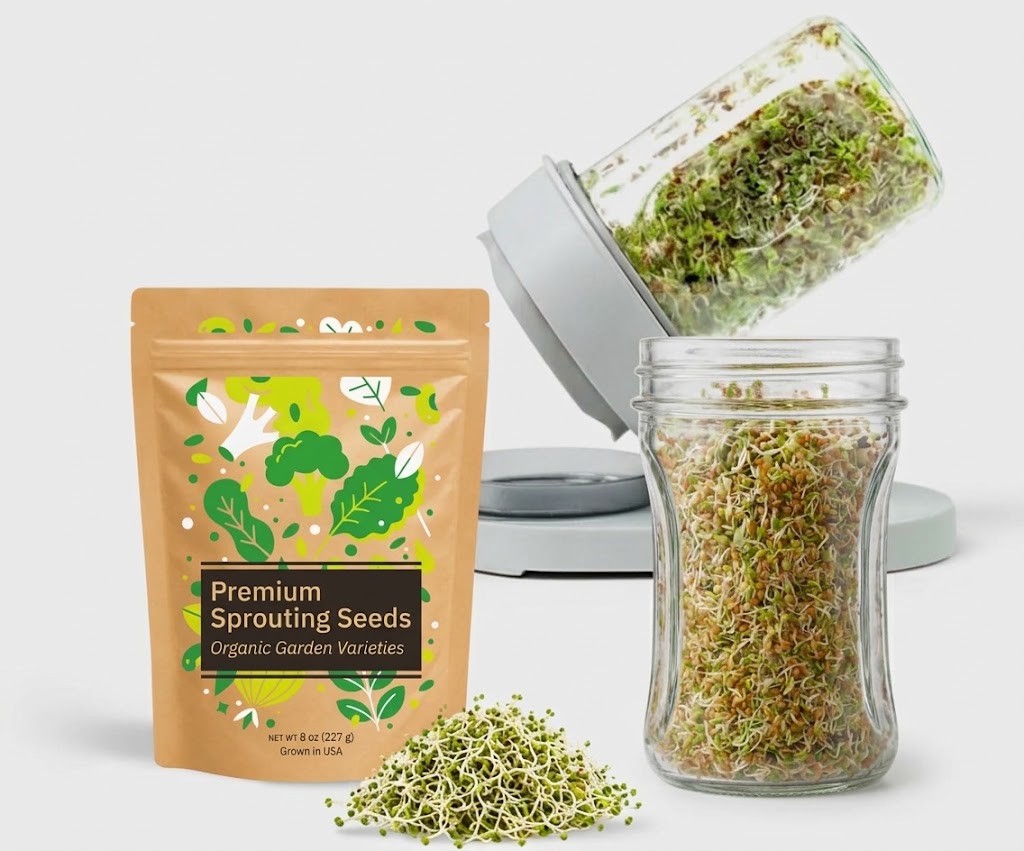
Jar Sprouting Kit with 8oz Broccoli Sprout Seeds
Check Price on AmazonHow much frozen fruit should you offer?
Start with a small amount, such as a spoonful or two, and let your baby decide whether to eat it. At the beginning of solids, breast milk or infant formula remains the main source of nutrition. Solid food is practice and a way to explore flavors and textures, not a replacement for milk feeds right away.
There is no single portion that every baby needs to finish. Appetite can vary from meal to meal. Offer more if your baby shows interest, and stop when they turn away, close their mouth, or show other signs that they are done. Do not pressure them to clear a bowl.
Once your baby is comfortable with fruit, you can serve it alongside other suitable foods. Plain fruit can be mixed into infant oatmeal or plain, pasteurized yogurt if those foods are appropriate for your baby. Avoid adding sugar or honey; honey must not be given before 12 months.
How to store thawed fruit and leftovers
Thaw fruit in the refrigerator rather than leaving it on the counter for a long time. Keep it covered and use clean utensils when taking a portion. Follow the package’s storage guidance after opening or thawing, and discard fruit that has been left out too long or handled in a way that could contaminate it.
Food that has touched your baby’s mouth can pick up saliva and bacteria. Instead of feeding directly from a storage container, transfer a small serving to a separate bowl. Throw away what is left in that bowl after the meal rather than putting it back with the untouched portion.
Do not refreeze fruit that has thawed at room temperature or has been served to your baby. If you thaw more than you need in the refrigerator, follow the package instructions for storage and refreezing; when those instructions are unclear, prepare a smaller amount next time.
Frozen fruit mistakes to avoid
- Serving it hard and frozen: Frozen chunks are firm and can be difficult to chew, creating a choking risk. Thaw until soft before serving.
- Offering whole round berries: Their shape and slippery surface can make them harder to manage. Mash or flatten them for a young eater.
- Assuming all frozen fruit is plain: Some products contain sweeteners or other ingredients. Check the ingredient list and choose fruit without added sugar or syrup.
- Using fruit to soothe teething without considering risk: Hard frozen pieces can injure the mouth or break into pieces. Choose a safe, supervised teething option recommended by your child’s clinician instead.
- Leaving a baby alone with food: Stay close and keep the baby upright while eating. Do not offer food in a car seat, stroller, or while the baby is moving around.
- Assuming a mesh feeder removes every risk: A feeder does not replace supervision or safe handling, and parts can wear or become damaged. Follow the manufacturer’s instructions and check the feeder before each use.
What if your baby has a reaction?
Introduce fruit in a form your baby can safely eat, and pay attention to how they respond. Fruit is not among the most common food allergens, but any food can cause a reaction. Watch for hives, swelling, repeated vomiting, coughing, wheezing, or trouble breathing after eating.
Seek emergency help for trouble breathing, swelling of the tongue or throat, or other signs of a severe allergic reaction. For milder symptoms, stop offering the food and contact your child’s clinician for advice. If your baby has a known allergy or a history of severe reactions, ask their clinician about introducing new foods.
A small amount of fruit can be part of a varied diet, but it should not crowd out foods that provide other nutrients. As your baby progresses with solids, offer a range of suitable foods, including iron-rich choices such as meat, beans, or iron-fortified infant cereal.
Babies can usually try frozen fruit once they are ready for solids at about 6 months. The key is to thaw it fully, prepare a soft texture that matches your baby’s eating skills, and supervise every bite.
Start with a small portion of plain fruit, check the package directions, and keep the serving bowl separate from stored food. If your baby has feeding difficulties or a medical concern, ask their clinician for personalized guidance on when can babies have frozen fruit.
