can you make frozen yoghurt at home?
Yes, can you make frozen yoghurt at home? You can, with an ice cream maker or a freezer and a little hands-on mixing. The basic recipe combines yogurt, sweetener, and optional flavorings, then chills the mixture until scoopable.
The method you choose affects the texture: churning keeps ice crystals small, while a no-machine version needs periodic stirring. This guide covers a simple base recipe, fruit and flavor options, equipment choices, and practical fixes for icy or overly tangy results. You will also learn how to store homemade frozen yoghurt and how to adjust sweetness without making the mixture freeze too hard.
Can you make frozen yoghurt at home?
Yes. Mix yogurt with a sweetener and flavorings, then churn it in an ice cream maker or freeze it while stirring regularly. For the smoothest result, start with thick, full-fat yogurt and chill the mixture before freezing.
Yogurt contains water, so simply freezing a tub of plain yogurt usually makes a hard, icy block. Sugar and other sweeteners help keep the mixture softer, while churning breaks up ice crystals as they form. A machine does this continuously, but you can get a pleasant homemade texture without one by stirring the mixture by hand during freezing.
Homemade frozen yoghurt is best eaten soon after it reaches a scoopable consistency. It tends to become firmer and icier after a long stay in the freezer, especially if the recipe is low in sugar or fat.
Easy frozen yoghurt recipe
This flexible base makes about four small servings. Use plain Greek yogurt for a thick, creamy texture, or strain regular yogurt before measuring it. Full-fat yogurt is the easiest choice for a soft result, though lower-fat yogurt can work with a slightly icier finish.
Ingredients
- 3 cups plain, thick yogurt
- ½ cup granulated sugar, honey, or maple syrup
- 1 teaspoon vanilla extract, optional
- 1 tablespoon lemon juice, optional, especially with fruit
- A small pinch of salt, optional
The amount of sweetener is a starting point, not a fixed rule. Taste the chilled mixture before freezing; it should taste a little sweeter than you want the finished dessert to taste because cold dulls the perception of sweetness.
With an ice cream maker
- Whisk the base. Stir the yogurt and sweetener until the sweetener dissolves. Mix in vanilla, salt, or lemon juice if using.
- Chill it thoroughly. Cover the mixture and refrigerate it until cold, ideally for a few hours. A cold base freezes more efficiently and helps the machine produce a smoother texture.
- Churn according to the machine instructions. Stop when the mixture is thick and resembles soft-serve. Churning times vary by machine, so use the texture as your guide.
- Serve or firm it up. Eat it straight away for a soft texture, or transfer it to a shallow, freezer-safe container and freeze until firmer.
Do not overfill the machine. The mixture expands as air is churned into it, and an overloaded bowl may freeze unevenly or spill.
Without an ice cream maker
- Make the yogurt mixture as described above and pour it into a shallow, freezer-safe container.
- Freeze it for about 30 to 45 minutes, then stir thoroughly, scraping the frozen edges into the softer center.
- Repeat the freeze-and-stir process every 30 to 45 minutes until the mixture is thick and mostly frozen. This commonly takes a few hours, depending on the container and freezer.
- For a smoother texture, give the mixture one final vigorous stir or briefly blend it once it is thick but still soft. Return it to the freezer to firm up if needed.
The exact timing is less important than the texture. Stir before the mixture freezes solid; once it becomes a hard block, it is difficult to break up ice crystals evenly.
Which method and ingredients give the best texture?
The main differences come from how much air the mixture gets, how much water it contains, and how often ice crystals are broken up. Choose the approach that suits your equipment and how often you plan to make it.
| Option | Texture and effort | Best for |
|---|---|---|
| Ice cream maker | Usually the smoothest; little hands-on work after setup | Frequent batches and a soft, scoopable finish |
| Freezer with hand stirring | Good if stirred regularly; requires attention during freezing | Making a batch without special equipment |
| Freeze, then blend | Can soften a firm mixture; needs a capable blender or food processor | Refreshing leftovers that have frozen hard |
| Plain yogurt frozen as-is | Often very firm and icy | Frozen yogurt bites or another recipe, rather than a creamy scoop |
Choose the yogurt
Greek yogurt is strained to remove some whey, the thin liquid in yogurt. Its thicker consistency means less free water and a denser frozen dessert. Regular plain yogurt can also work, but strain it through a clean cloth or fine sieve in the refrigerator if it is very runny.
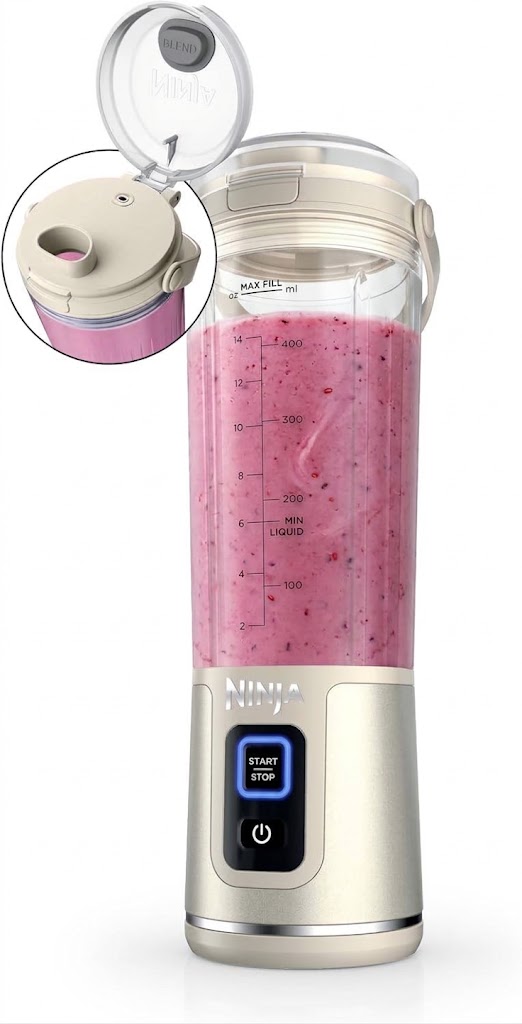
Ninja Blast Portable Blender, Cordless,18oz Vessel, Vanilla Bean
Check Price on AmazonFull-fat yogurt usually gives a richer, less icy result. Low-fat or nonfat yogurt has less fat to soften the texture, so consider adding a little extra sweetener or blending in a small amount of cream. The result will still depend on the yogurt’s water content and the freezing method.
Choose the sweetener
Sugar does more than make the dessert taste sweet: it lowers the freezing point of the mixture, helping it stay softer. Honey and maple syrup also add sweetness and can make the frozen mixture less firm, but each brings its own flavor. Start with the recipe amount, then adjust to taste before freezing.
Reducing sugar too much is a common reason homemade frozen yoghurt turns rock-hard. If you need a less-sweet batch, serve it soon after churning or let it soften in the refrigerator before scooping instead of expecting it to stay soft for days.
How to add fruit and other flavors
Fruit adds flavor and color, but it can also add water. Too much watery fruit may make the final dessert icy. For a reliable result, use thick fruit purée, cooked fruit that has cooled, or small amounts of well-drained fruit.

Framendino, 16 Pack Artificial Chicken Nuggets Fake Fried Food Models Props for Kitchen Decor
Check Price on AmazonFruit options that work well
- Fresh berries: Mash or blend them, then stir the purée into the base. If the berries are especially juicy, simmer the purée briefly to reduce excess liquid and cool it completely before mixing.
- Banana: Mash a ripe banana into the yogurt for natural sweetness and a soft texture. Reduce the added sweetener and taste before freezing.
- Mango: Use ripe mango purée, strained if fibrous. A small squeeze of lemon or lime can balance its sweetness.
- Frozen fruit: Thaw and drain it, or blend it into a smooth purée. Adding fruit straight from the freezer can chill the base unevenly and make mixing difficult.
For chocolate, whisk cocoa powder into the sweetener before adding it to the yogurt. This helps prevent dry clumps. For nut butter, warm it slightly until pourable, then mix it in thoroughly. Add small pieces of chocolate, nuts, or cookies near the end of churning, or fold them in after the final hand-stirring step.
Keep mix-ins modest. Large pieces freeze hard and can make scooping awkward. A small amount distributed through the batch usually gives better flavor and texture than loading the mixture with toppings.
How to fix frozen yoghurt that is icy, hard, or too tart
If it is icy: Use thicker yogurt, avoid adding too much liquid fruit, and churn or stir more often. A little more sweetener can also help. Make sure the base is cold before it goes into the machine, and avoid leaving a hand-stirred batch untouched until it has frozen solid.
If it is too hard to scoop: Let the container stand at room temperature for a few minutes, or soften it in the refrigerator until it yields to a spoon. Do not leave it out for a long stretch. For future batches, check that you have not cut the sweetener too far and consider using full-fat yogurt.
If it tastes too tart: Add sweetener gradually to the unfrozen mixture and taste again. A little vanilla, ripe banana, or sweet fruit can round out the tang. Avoid trying to correct the flavor after the mixture is already frozen; it is much harder to distribute an ingredient evenly then.
If the mixture is runny: The yogurt may contain too much whey, or the base may not be cold enough. Strain watery yogurt before measuring and chill the mixed base well. A machine also needs enough time to churn the mixture until it thickens.
One useful detail many recipes skip: judge sweetness before freezing, but do not judge firmness from the soft-serve stage alone. A batch that looks perfectly soft straight from the machine will become harder as it freezes in a storage container. Plan to serve it soon for the softest texture.
How to store and serve homemade frozen yoghurt
Transfer leftovers to a clean, shallow, freezer-safe container. Press a piece of parchment or freezer-safe wrap against the surface, then seal the lid. Limiting air exposure helps reduce freezer burn, which appears as dry, pale patches and can affect flavor.
For the best texture, serve the dessert soon after making it. It can be stored frozen, but homemade batches often firm up considerably. If it becomes too hard, soften it in the refrigerator or at room temperature for a few minutes, then stir it before serving. Avoid repeatedly thawing and refreezing the whole container, since that encourages larger ice crystals.
Use clean utensils each time you serve it, and return the container to the freezer promptly. If the dessert has been left out long enough to become warm, do not refreeze it for later. When serving a group, scoop only what is needed into a separate bowl and keep the main container cold.
Common mistakes to avoid
- Using watery yogurt without straining it: Extra liquid forms more ice crystals. Choose thick yogurt or strain it first.
- Freezing the mixture without stirring: The edges freeze before the center, so the texture becomes uneven. Stir regularly if you do not have a machine.
- Adding lots of liquid flavoring: Juice and thin purées increase water content. Use concentrated flavor or reduce watery fruit first.
- Cutting out nearly all the sweetener: The dessert may freeze unusually hard, even if it tastes right before freezing.
- Expecting homemade frozen yoghurt to stay soft indefinitely: It contains no commercial stabilizers, so storage changes its texture. Allow a short softening time before serving.
For a first batch, keep the base simple and change one ingredient at a time. That makes it easier to identify whether yogurt thickness, sweetness, fruit, or freezing method is responsible for the texture you get.
Yes, you can make frozen yoghurt at home with just thick yogurt, sweetener, and either an ice cream maker or regular stirring in the freezer. A cold, well-balanced base and frequent churning or stirring are the main steps that prevent an icy result.
Start with the simple recipe, taste it before freezing, and avoid adding too much watery fruit. For your next batch, choose one flavor variation and note how it changes the texture.
