how frozen fruit is made: from harvest to pack
how frozen fruit is made comes down to a few careful steps: fruit is picked, cleaned, sorted, prepared, frozen, and packed while cold. The exact process depends on the fruit and whether it is frozen as separate pieces or in a larger block.
Freezing helps preserve fruit’s quality by slowing the processes that cause spoilage, but the result depends on ripeness, handling, and how quickly the fruit freezes. Here’s what happens from the farm to the freezer, how common methods differ, and what to check when buying or using frozen fruit.
how frozen fruit is made, step by step
Commercial frozen fruit usually begins with fruit selected for its ripeness and condition. After harvest, it moves through cleaning and inspection, then workers or equipment prepare it for freezing. Once frozen, it is packed and kept at a consistently low temperature during storage and transport.
The precise sequence varies. Strawberries may be hulled and left whole or sliced, while mangoes are usually peeled and cut. Some fruit is frozen as individual pieces; some is packed together in a container or block. The central goal is the same: handle sound fruit carefully and freeze it without unnecessary delay.
- Harvest at a suitable stage. Fruit is picked when it has the flavor, color, and firmness needed for its intended use. It may be harvested by hand or with equipment, depending on the crop.
- Move it to processing promptly. Shorter delays can help protect freshness and reduce the time fruit spends exposed to heat or damage.
- Clean and inspect it. Fruit is washed when appropriate and checked for dirt, damaged areas, and foreign material. Sorting may happen by hand, with machines, or both.
- Prepare it for the product. Depending on the fruit, this can mean removing stems, leaves, peels, pits, cores, or seeds, then cutting it into pieces.
- Freeze it. Prepared fruit is chilled in equipment designed for food processing. The freezing method depends on the fruit and the final package.
- Pack and store it frozen. The product is placed in packaging that limits exposure to air and moisture, then kept frozen through distribution and sale.
Every step matters. Bruised or overripe pieces can soften and release juice, while careful preparation helps make the finished product more consistent. Keeping the fruit cold after freezing protects its texture and quality.

Framendino, 16 Pack Artificial Chicken Nuggets Fake Fried Food Models Props for Kitchen Decor
Check Price on AmazonWhy fruit is frozen soon after harvest
Fresh fruit continues to change after it is picked. Its natural enzymes remain active, and contact with oxygen can contribute to changes in color, flavor, and texture. Warm temperatures also allow spoilage organisms to grow more quickly.
Freezing slows these changes by lowering the temperature of the fruit. It does not make fruit sterile or stop every change forever. Instead, it helps preserve the product while it remains frozen and is handled properly.
Harvest timing also affects the finished fruit. A piece picked too early may have less flavor, while one that is very ripe may be more prone to bruising and softening during handling. Processors select fruit with the intended product in mind, balancing taste and the ability to withstand preparation and freezing.
Prompt processing is useful, but it does not mean every package is frozen in the field. Fruit may travel to a processing facility first. Good handling, suitable temperature control, and avoiding long delays help maintain quality along the way.
What happens during cleaning, sorting, and preparation
Before freezing, fruit is checked and prepared to make the product easier and safer to use. The methods differ by crop because a raspberry, a peach, and a pineapple have different surfaces, seeds, skins, and levels of fragility.
Washing and inspection
Fruit may be washed with water to remove soil and other surface material. Washing is managed to clean the fruit without causing unnecessary damage. Delicate fruit needs gentler handling than firm fruit.
Inspection helps remove fruit that is visibly spoiled, badly bruised, or unsuitable for the product. Sorting can also separate fruit by size or ripeness, depending on what the processor is making. Automated equipment may assist with sorting, but handling and quality checks can involve people too.
Peeling, pitting, and cutting
Some fruit is frozen whole, while other fruit is peeled, pitted, cored, or cut into pieces. These choices affect how convenient the product is and how it behaves after thawing. A bag of sliced peaches, for example, is ready to add to a recipe, while whole fruit may suit different uses.
Cut surfaces can lose moisture and may darken when exposed to air. Some processors use an appropriate food treatment to help limit browning, while others rely on the fruit type, processing conditions, or packaging. Read the ingredient list if you want to know whether anything besides fruit has been added.
Does fruit get blanched before freezing?
Most fruit is not blanched as a standard step. Blanching means briefly heating food, often with hot water or steam, then cooling it. It is commonly used for many vegetables to slow enzyme activity, but it can soften fruit and change its fresh flavor.
Some fruit products may receive other treatments for quality or processing reasons. These vary by fruit and product, so there is no single process that describes every frozen fruit package. If a treatment or added ingredient matters to you, check the product label.
How individual quick freezing differs from block freezing
Two common approaches are freezing pieces separately and freezing fruit together in a larger mass. Individual quick freezing, often shortened to IQF, aims to freeze separate pieces so they can be poured from the bag one at a time. In block-style freezing, fruit is frozen together in a container or larger piece.
| Method | What happens | Best for | What to expect |
|---|---|---|---|
| Individual quick freezing (IQF) | Pieces freeze separately, often while moving through freezing equipment. | Scooping out a portion for smoothies, baking, or snacks. | Pieces are generally easier to separate, though some sticking can still occur. |
| Block or bulk freezing | Fruit freezes together in a larger mass or package. | Recipes that use a full package or fruit that will be blended or cooked. | You may need to thaw or break apart more than you need. |
| Tray freezing at home | Pieces are spread out and frozen before being transferred to a storage bag. | Using ripe fruit from your kitchen in smaller portions. | Pieces are less likely to freeze into one solid clump. |
IQF is especially handy when you want to use only part of a package. The pieces can still stick if they warm and refreeze, or if moisture collects on them. A frozen bag that has formed a hard clump may have experienced temperature changes, but clumping alone does not prove that the fruit is unsafe.
Block freezing can be practical when the fruit will be used all at once or processed further. A block can be less convenient for recipes that need a small, measured portion. Consider how you plan to cook or serve the fruit, rather than assuming one method is always better.
What is added to frozen fruit?
Many frozen fruit products contain fruit alone. Others may include sugar, syrup, juice, or an ingredient used to help maintain color or texture. The exact formulation depends on the fruit and the product, so the ingredient list is the clearest way to check what is in the package.
Plain frozen fruit is a useful option when you want to control sweetness yourself. Fruit packed with added sugar may suit desserts or recipes that call for sweetened fruit, but it can change the taste and the amount of sugar in a serving. If you are following a specific diet, review both the ingredient list and nutrition information.
Packaging claims can also differ. Terms such as unsweetened describe a product without added sweeteners, but they do not mean the fruit contains no naturally occurring sugar. The nutrition panel and ingredients together give a more useful picture than the front label alone.
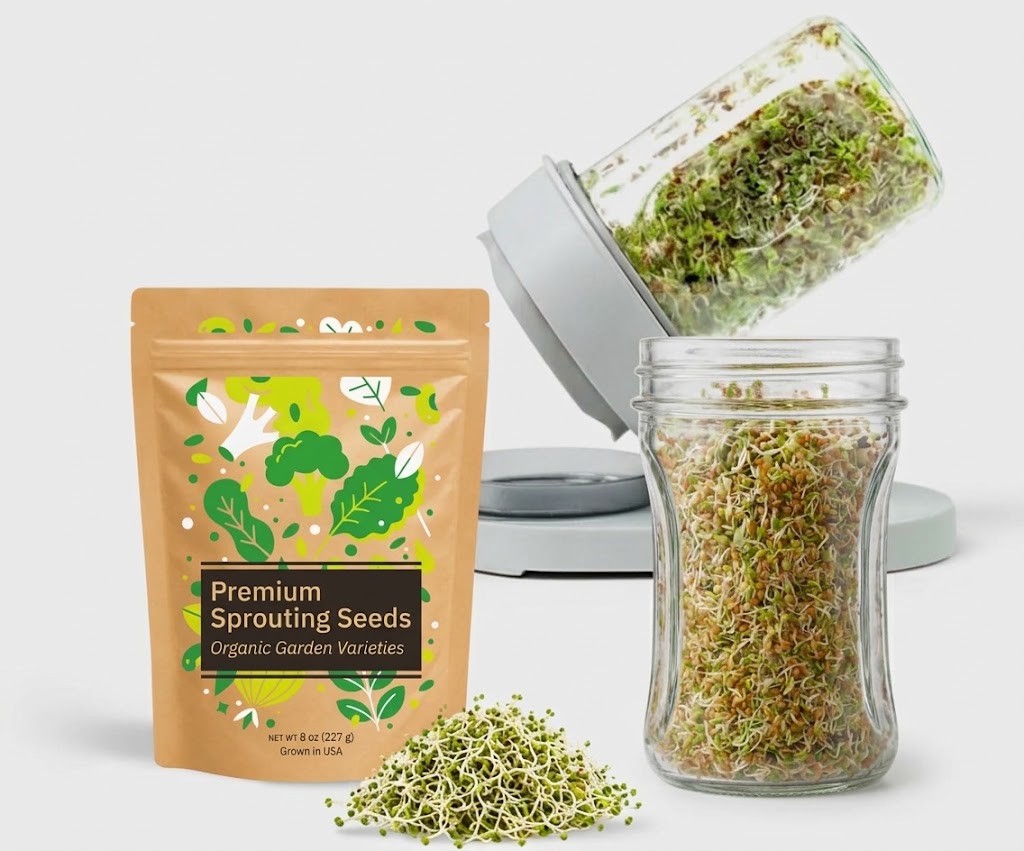
Jar Sprouting Kit with 8oz Broccoli Sprout Seeds
Check Price on AmazonHow to judge frozen fruit quality
Frozen fruit can be a convenient choice, but its quality depends on more than the word frozen. Look at the condition of the package, the ingredients, and how the product has been stored. At home, keep it frozen until you are ready to use it.
- Check the package. Avoid packs that are open, torn, or leaking. Heavy frost or a large solid clump can suggest that the contents have warmed and refrozen, though neither sign alone confirms a safety problem.
- Read the ingredients. Choose fruit-only products if you do not want added sugar or other ingredients.
- Look for pieces that suit your use. Whole berries, slices, and chunks work differently in baking, drinks, and cooked dishes.
- Keep the package cold. Select frozen food near the end of your shopping trip and return it to the freezer promptly.
- Use clean utensils. Take out the portion you need and close the bag carefully to limit moisture and exposure to air.
Ice crystals on fruit are not automatically a sign that it is spoiled. They can form from moisture moving within the package, especially during temperature changes. However, repeated warming and refreezing can damage texture and may create food-safety concerns, so steady freezer storage is important.
How to freeze fresh fruit at home
You can freeze many fruits at home if you start with sound, ripe produce. Home freezing is not identical to commercial processing, but preparing fruit in small portions makes it easier to use later.
- Choose fruit in good condition. Remove bruised or spoiled pieces. Freezing will not improve fruit that is already past its best.
- Wash and dry it carefully. Follow the fruit’s needs. Excess surface water can encourage pieces to freeze together.
- Remove unwanted parts. Hull, peel, pit, or cut the fruit as you prefer. Smaller, even pieces are easier to portion and thaw.
- Arrange pieces in a single layer. Place them on a tray with space between pieces, then freeze until firm. This helps prevent a solid mass from forming.
- Transfer to a freezer-safe container. Use a suitable airtight bag or container, remove excess air where practical, and label it with the fruit and date.
- Return it to the freezer promptly. Store it frozen and take out only the amount you need.
Some fruits brown after cutting. A suitable acid treatment, such as lemon juice used according to the fruit and recipe, can help limit discoloration, but it may affect flavor. For the best result, freeze fruit soon after preparing it and use a container designed for freezer storage.
A practical detail that is easy to miss: drying the fruit well before tray-freezing often matters more than washing it again. Extra water on the surface can become a layer of ice between pieces. That makes the fruit harder to portion and can leave it wetter after thawing.
What freezing does to fruit’s texture and flavor
Freezing changes texture because water inside the fruit forms ice crystals. As those crystals develop, they can affect the structure of the fruit. After thawing, some fruit may be softer and release more juice than it did when fresh.
How noticeable the change is depends on the fruit, its ripeness, how it was prepared, and how it was frozen and stored. Small berries may work well in smoothies or cooked sauces even when they are softer. Sliced fruit can be useful in baking, oatmeal, and other dishes where a fresh, firm bite is not essential.
Flavor can also seem different after thawing. Some of that impression comes from the softer texture and released juice, rather than from a completely different ingredient. Use frozen fruit directly in recipes where its texture is expected to change, such as smoothies, compotes, and baked goods.
For a cold snack, some fruit can be eaten while still frozen, if the package instructions and the person’s needs allow it. For other uses, thaw it in the refrigerator or add it straight to a recipe. Thawed fruit is often best drained if a recipe needs a firmer filling or less liquid.
Frozen fruit safety and thawing
Frozen fruit should be kept frozen until use. Freezing slows microbial growth, but it does not reliably eliminate every harmful organism. Safe handling still matters, particularly when fruit will be eaten without cooking.
Follow the package directions. If you thaw fruit, do so in the refrigerator when you need to keep it for a while, and avoid leaving it at room temperature for extended periods. Keep raw ingredients and utensils from contaminating fruit that is ready to eat.
Some frozen fruit packages may recommend heating the fruit before eating, depending on the product and applicable food-safety guidance. Follow those instructions, especially when serving people at higher risk from foodborne illness. Do not assume that frozen means ready to eat in every situation.
Once thawed, fruit may release liquid and soften. Use it promptly and do not refreeze it if it has been held at unsafe temperatures. If it smells unusual, shows signs of spoilage, or the package has been compromised, discard it rather than trying to salvage it.
Common misconceptions about frozen fruit
Frozen fruit is not necessarily less ripe
Freezing does not mean the fruit was picked unripe. Processors select fruit for the product, and ripeness can vary by crop and intended use. Taste and texture depend on the specific fruit and how it was handled.
Frozen does not mean unchanged forever
Low temperatures slow quality changes; they do not prevent them indefinitely. Freezer burn, flavor loss, and texture changes can occur when food is exposed to air or stored poorly. Good packaging and stable storage help protect quality.
Every bag does not use the same process
Fruit type, piece size, added ingredients, and freezing method can all differ. A process used for vegetables should not automatically be assumed for fruit. Check the package if you need details about a particular product.
Clumps are a clue, not a complete diagnosis
A few stuck pieces do not necessarily mean the fruit is unsafe. Moisture can cause sticking, and handling can shift pieces together. A large icy clump may indicate temperature changes, so consider the package condition and storage history rather than relying on one sign alone.
Frozen fruit is cleaned, sorted, prepared, frozen, and packed to slow quality changes and make it convenient to store. Freezing method, handling, and storage all affect how the fruit looks and feels after thawing.
For your next purchase, check the ingredient list and choose a package with pieces suited to your recipes. Keep it frozen, close the package well, and follow its instructions for thawing or heating.
