can yoghurt be frozen: what to expect
Yes, can yoghurt be frozen? You can freeze it safely, but thawed yoghurt often has a grainier texture and may release liquid. Freezing works best if you plan to blend it into smoothies, cook with it, or eat it while still partly frozen.

Framendino, 16 Pack Artificial Chicken Nuggets Fake Fried Food Models Props for Kitchen Decor
Check Price on AmazonThis guide explains how freezing affects different kinds of yoghurt, how to portion and pack it, and the safest way to thaw it. You’ll also find practical uses for yoghurt that separates, plus tips for deciding whether freezing makes sense for the tub you have.
Can yoghurt be frozen without spoiling?
Yes. Yoghurt can be frozen, and keeping it frozen at 0°F (-18°C) or colder prevents the growth of most bacteria that cause food to spoil. Freezing does not make yoghurt sterile, though, and it cannot make yoghurt that was already spoiled safe to eat.
The bigger drawback is usually texture, not safety. Yoghurt contains water, protein, and fat in a mixture that is smooth while chilled. When it freezes, ice crystals form and can disrupt that mixture. After thawing, the yoghurt may look watery, lumpy, or slightly grainy.
You can often stir the separated liquid back in. The result may still be less silky than fresh yoghurt, so frozen-and-thawed yoghurt is generally better in blended drinks, sauces, baking, and cooking than as a spoonable snack.
Freezing may also affect the live cultures in yoghurt. Some can survive freezing, but their numbers may decrease, and the effect varies by product and storage conditions. Do not rely on frozen yoghurt as a dependable source of live cultures.
How freezing affects different kinds of yoghurt
Yoghurt type influences how noticeable the texture change is. Products with more water can separate more visibly, while thick varieties may stay spoonable but become grainy. Added ingredients, such as fruit or sweeteners, can also affect the result.
| Yoghurt type | Likely change after thawing | Best use |
|---|---|---|
| Plain regular yoghurt | May become thin or watery, with small curds | Smoothies, baking, soups, and sauces |
| Greek yoghurt | Often remains thick but may feel grainy or separate | Smoothies, dips, marinades, and cooking |
| Flavored or fruit yoghurt | Fruit may settle or release extra liquid | Smoothies, frozen snacks, and baking |
| Drinkable yoghurt | Can separate substantially and lose its smooth pour | Blended drinks after thawing and stirring |
| Plant-based yoghurt | Results vary by ingredients; separation is common | Blended recipes, if the thawed texture is acceptable |
This table is a guide, not a guarantee. Brands use different recipes and stabilizers, so two tubs of the same general style may thaw differently. If texture matters, freeze a small portion first and check the result before freezing a larger supply.
Does Greek yoghurt freeze better?
Greek yoghurt is strained to remove some of its liquid, which makes it thicker than many regular yoghurts. That thickness can make separation less obvious, but it does not prevent changes in texture. After thawing, it may feel less creamy or develop small lumps.
Stirring can improve the consistency, and blending usually smooths it further. Use thawed Greek yoghurt in smoothies, dips, marinades, and baked goods if it no longer seems appealing by the spoonful.
Can flavored yoghurt be frozen?
Yes. Flavored yoghurt freezes, but fruit pieces, fruit puree, and syrup can thaw at different rates from the yoghurt. That can leave pockets of liquid or fruit at the bottom of the container. Stir it thoroughly after thawing, or blend it into a drink.
How to freeze yoghurt step by step
Freeze yoghurt while it is still fresh and has been kept refrigerated. Freezing pauses the growth of many spoilage microbes, but it will not restore freshness or undo unsafe handling. Check the package and use your senses; discard yoghurt with an off smell, mold, or an unusual appearance before freezing.
- Choose how you will use it. Freeze a whole portion for cooking, small portions for recipes, or cubes for smoothies. Dividing it now saves you from thawing more than you need.
- Pick a suitable container. Use a clean, freezer-safe, airtight container or freezer bag. Leave some room at the top because the yoghurt expands as it freezes.
- Portion carefully. For cubes, spoon yoghurt into a clean ice cube tray. Once solid, transfer the cubes to a labeled freezer bag. For larger amounts, use small containers that match the quantity you expect to use at one time.
- Seal and label. Remove excess air from a freezer bag and close it securely. Mark the container with the contents and freezing date so you can identify it later.
- Freeze promptly. Place the portions in a cold part of the freezer, not in the door where temperatures fluctuate more. Keep the freezer at 0°F (-18°C) or colder.
You can freeze yoghurt in its original package if the package is suitable for freezing and has room for expansion. If the container is full, brittle, or not labeled for freezer use, transfer the yoghurt instead. A container that splits or leaks can expose the food to air and make a mess.
Should you stir yoghurt before freezing?
Stirring plain yoghurt before freezing can distribute any liquid already sitting on top. It will not prevent separation during freezing, but it gives you a more even starting texture. For fruit yoghurt, stirring first spreads the fruit throughout; leaving it layered preserves the original look but may mean more mixing after thawing.
Do not freeze a large tub in a single block if you only need small amounts. Individual portions thaw faster and reduce repeated thawing and refreezing, which can further affect quality.
How long does frozen yoghurt keep?
At a steady 0°F (-18°C) or colder, frozen food remains safe for a long time if it stays continuously frozen. For yoghurt, the practical limit is usually quality: flavor and texture can deteriorate, and the surface may dry out or develop freezer burn.
For the best quality, aim to use frozen yoghurt within about one to two months. This is a quality guideline, not a guaranteed safety cutoff. The package may provide different storage instructions, and a freezer that warms often can shorten the time the yoghurt stays in good condition.
Write the freezing date on the package and store portions toward the back of the freezer. If the yoghurt has been left warm, partially thawed, or exposed to uncertain temperatures, do not assume that refreezing makes it safe. When the history is unclear, discard it.
How to thaw frozen yoghurt safely
The simplest method is to thaw yoghurt in the refrigerator. Put the sealed container on a plate or in a bowl to catch any leaks, then let it soften while remaining cold. Small portions may thaw sooner than a full container, so check them periodically rather than leaving them out.
Once thawed, stir the yoghurt thoroughly. If liquid has separated, mix it back in unless the recipe calls for draining it. A whisk or quick blend can help smooth small lumps, although it may not completely restore the original texture.
Avoid thawing yoghurt on the kitchen counter. The outside can warm while the center remains frozen, giving bacteria more opportunity to grow on the warmer parts. If you need it quickly for a blended recipe, add the frozen cubes directly to the blender instead of thawing them first.
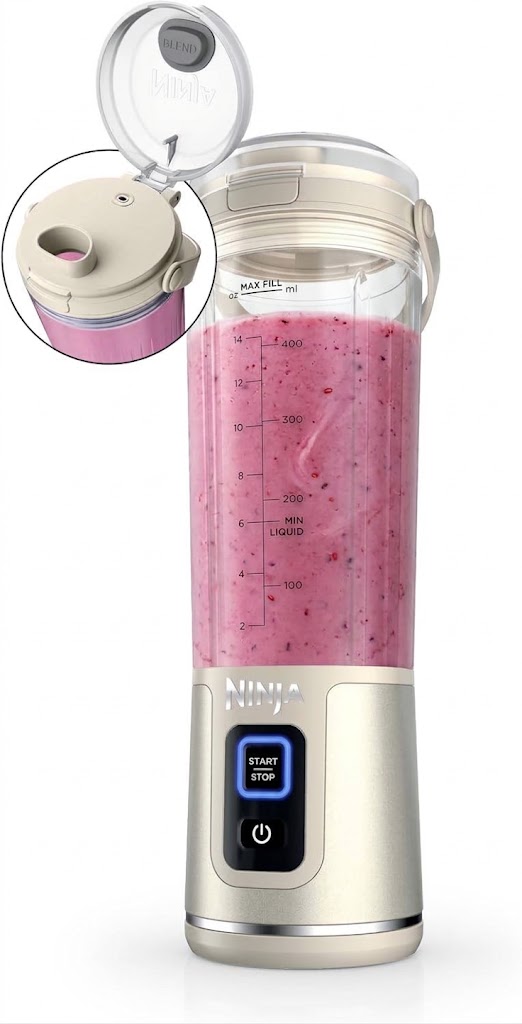
Ninja Blast Portable Blender, Cordless,18oz Vessel, Vanilla Bean
Check Price on AmazonKeep thawed yoghurt refrigerated and use it promptly, following any package directions. A few days is a sensible quality-minded target for home-thawed yoghurt, but its condition and handling matter. Throw it away if it develops mold, an unusual smell, or other clear signs of spoilage.
If yoghurt has thawed in the refrigerator, it may be refrozen from a food-safety standpoint if it has stayed cold, but another freeze-thaw cycle can make the texture worse. For better results, freeze smaller portions in the first place and thaw only what you need.
Best ways to use yoghurt after freezing
Thawed yoghurt is easiest to use in dishes where a perfectly smooth texture is not essential. Its tangy flavor usually remains useful even if the consistency changes. Choose a use that incorporates it well rather than expecting it to be identical to fresh yoghurt.
- Smoothies: Add frozen yoghurt cubes straight to a blender with fruit and liquid. They chill and thicken the drink without needing a separate thawing step.
- Baking: Use thawed yoghurt in recipes for muffins, quick breads, pancakes, or cakes that call for yoghurt. Stir it first and measure it after any excess liquid has been mixed back in.
- Marinades: Plain yoghurt works in marinades for foods such as chicken or vegetables. The thawed texture matters less because the yoghurt coats the ingredients.
- Cooked sauces and soups: Add yoghurt near the end of cooking and use gentle heat. Boiling can cause yoghurt to curdle, whether it is fresh or previously frozen.
- Dips and dressings: Greek yoghurt can work well once stirred or blended. If it is too thin, drain it briefly through a clean fine strainer in the refrigerator.
- Frozen treats: Freeze flavored yoghurt in small molds or trays for a cold snack. The result will be firm and icy rather than identical to commercial frozen yoghurt.
For baking, follow the recipe rather than automatically draining separated yoghurt. The liquid is part of the yoghurt, and removing it may change the moisture balance. If the recipe needs a thick consistency, drain only after stirring and only as much as needed.
When freezing yoghurt is not the best choice
Freezing is less useful if you want to serve the yoghurt plain with a smooth, creamy consistency. The change can be noticeable, especially in thin or low-fat products. If you expect to eat it straight from the cup, keeping it refrigerated until its printed date is usually the better choice.
Think twice before freezing a tub that is already close to spoiling, has been left out too long, or has been repeatedly warmed and chilled. Freezing does not reverse spoilage. It simply slows microbial activity while the product remains frozen.
Also consider how much you will actually use. A large block can be awkward to thaw and portion. Freezing individual amounts is more convenient, but it is only worthwhile if you have a plan for the portions.
Common mistakes that affect frozen yoghurt
Expecting the original texture after thawing
Separation and graininess are common results, not necessarily signs that the yoghurt has spoiled. Stir first, then blend or use it in cooking if the texture remains uneven. Mold, a foul smell, or an unexpected change in color is different; those are reasons to discard it.
Filling the container to the brim
Yoghurt expands as it freezes. A tightly filled container may bulge, crack, or force its lid open. Leave expansion space and use packaging that can tolerate freezer temperatures.
Thawing and refreezing a full tub repeatedly
Repeated temperature changes increase the chance of poor texture and make it harder to manage safe handling. Portion the yoghurt before freezing so each container can be thawed once and used in one go.
Using a microwave to thaw it
Microwaves heat unevenly and can warm some areas while others remain icy. That can damage the texture and create warm spots. Refrigerator thawing is steadier; for smoothies, use frozen portions without thawing.
Assuming freezing preserves live cultures unchanged
Some cultures may survive, but freezing and storage can affect their viability. The number and types of live cultures vary by product, and a thawed tub is not a reliable substitute for a product specifically sold as a probiotic supplement.
Quick answers about freezing yoghurt
Can you freeze yoghurt in the original cup?
Usually, if the container is freezer-safe and has enough space for expansion. Check the packaging, and transfer the yoghurt if the cup is full or not intended for freezing.
Can you freeze yoghurt in ice cube trays?
Yes. A clean tray is useful for small portions, especially for smoothies. Once the cubes are solid, move them to a sealed freezer bag or container to reduce exposure to air and freezer odors.
Can you eat yoghurt while it is still frozen?
Yes, if it was handled and frozen properly. It will be firmer and icier than fresh yoghurt, and it may be easiest to eat as a frozen snack or blend into a smoothie.
Can you freeze yoghurt that has been opened?
Yes, provided it has stayed refrigerated, is still in good condition, and is handled with clean utensils. Seal it well or move it into individual freezer portions before placing it in the freezer.
Can you freeze yoghurt for a baby or toddler?
Yoghurt can be frozen into small portions, but texture may change after thawing. Follow age-appropriate feeding guidance, supervise children while they eat frozen pieces, and do not serve hard chunks that could pose a choking risk.
Freezing yoghurt is safe when it is fresh, packed well, and kept continuously frozen. The main tradeoff is texture: thawed yoghurt can separate or turn grainy, so it works best in smoothies, baking, sauces, and marinades.
For the best result, freeze small portions, label them with the date, and thaw only what you plan to use in the refrigerator. If you want to know can yoghurt be frozen for a specific recipe, try a small portion first and check whether its thawed texture suits the dish.
