should frozen fruit be organic? A practical guide
Should frozen fruit be organic? It can be a good choice, but it is not essential for everyone. Organic options can reduce your reliance on certain synthetic pesticides and support organic farming practices; conventional frozen fruit is still a nutritious, convenient choice.
The best option depends on your budget, how often you eat a particular fruit, and what matters most to you. This guide explains what organic certification means, how freezing affects fruit, when paying extra may make sense, and how to compare packages without relying on misleading claims.
Should frozen fruit be organic?
Choose organic frozen fruit when reducing exposure to certain synthetic pesticides or supporting organic farming is a priority and the cost fits your budget. If those goals are less important, conventional frozen fruit can still be a sensible way to eat fruit. Both organic and conventional products can contribute useful fiber and nutrients.
Organic does not mean pesticide-free. In the United States, certified organic production follows USDA rules that restrict many synthetic pesticides and fertilizers, while allowing some approved substances. Organic farms must meet defined production and handling requirements. The label describes how food was produced; it does not promise that every fruit is free from residues or that it is more nutritious.
Frozen fruit is often picked when ripe and frozen soon afterward, helping preserve quality and nutrients. Processing and storage can affect texture and some nutrients, but freezing itself does not make fruit less worthwhile. The choice between organic and conventional is usually less important than eating fruit regularly and selecting an option you can afford and enjoy.
What the organic label does—and does not—tell you
A certified organic label gives you information about farming and handling standards. It is not a direct measure of nutrition, taste, safety, or environmental impact in every circumstance. Organic and conventional growers both work under food safety requirements, and either kind of fruit should be handled properly.
Organic farming may use pesticides that are permitted under organic rules. Those substances are subject to restrictions, but the word organic does not mean that nothing was applied to a crop. Conversely, finding a pesticide residue on conventional produce does not automatically mean the food is unsafe. A residue result must be interpreted in context, including the substance and amount.
Certification also has specific meaning. In the United States, a product labeled “organic” generally must contain at least 95% certified organic ingredients, excluding water and salt, with the remaining ingredients meeting applicable rules. Products marked “made with organic” have a lower organic ingredient threshold and cannot use the USDA organic seal. For a package of plain fruit, look for “organic” and certification details rather than assuming words such as “natural” mean the same thing.
Rules vary by country, so the label’s meaning depends on where the food is sold. If you are shopping outside the United States, check the local organic certification mark and its standards.
Organic versus conventional frozen fruit
Compare the options by the factors that matter to you. Nutrition is generally not a strong reason to assume one is automatically better. Price, farming practices, availability, and the intended use may be more useful deciding points.
| Option | What to expect | Best for |
|---|---|---|
| Certified organic frozen fruit | Produced under organic certification rules that restrict many synthetic inputs; not guaranteed pesticide-free. | Shoppers who prioritize organic farming standards and can manage the price. |
| Conventional frozen fruit | Produced under conventional farming rules; may be less expensive or easier to find. | Everyday smoothies, baking, and meals when value or availability matters. |
| Unsweetened fruit, either type | Fruit without added sugar listed in the ingredients; the fruit still contains its natural sugars. | People who want to control sweetness or add their own sweetener. |
| Fruit with syrup or sweeteners | May contain added sugars or other ingredients that change the taste and nutrition profile. | Recipes or desserts where added sweetness is wanted. |
Use the ingredient list to check what is actually in the bag. Plain frozen fruit often lists only the fruit, while blends may include several kinds. Added sugar can appear as sugar, syrup, juice concentrate, or another sweetening ingredient. Organic status does not tell you whether sugar was added, so check both the front label and ingredients.
When paying more for organic makes sense
Organic frozen fruit may be worth the extra cost if its production standards align with your priorities and the price does not crowd out other food needs. It may also be a straightforward choice when you already buy organic and the frozen version is available at a reasonable price. The decision does not need to be all or nothing.
Consider these practical situations:
- You eat one fruit often. If a particular fruit is a regular part of your meals, choosing its organic version may matter more to you than buying every fruit organic.
- You have a set grocery budget. Compare the cost per ounce or per serving. If the premium means buying less fruit overall, a conventional bag may better support regular fruit intake.
- You value specific farming standards. Certification offers a way to select food produced under defined organic rules, although it cannot answer every environmental question about a crop’s production.
- You are choosing between frozen and fresh. Do not assume fresh organic fruit is automatically a better purchase than conventional frozen fruit. Consider price, spoilage, convenience, and whether you will use it.
It is also reasonable to mix choices: buy organic for fruits where the option is affordable, and conventional for others. There is no nutritional rule requiring an all-organic diet.
Does freezing change the case for buying organic?
Freezing does not turn conventional fruit into organic fruit or remove the farming practices used to grow it. It also does not make organic certification irrelevant. The growing method and the preservation method are separate questions: one concerns production standards, while the other helps store the fruit.
Commercial frozen fruit is typically cleaned and prepared before freezing. Some fruits are treated with heat, or blanched, before freezing; others are frozen without that step. This processing can affect texture, especially after thawing, but it does not determine whether the fruit is organic. Follow the package directions if it gives instructions for preparation or use.
Frozen fruit can be a useful way to reduce waste. It is ready when you need it, and you can take out a portion without having to use an entire fresh container before it spoils. That practical advantage may matter more than the organic label if convenience helps you eat fruit more often.
One common misconception is that frozen fruit must be cooked before eating. Many products are intended to be eaten after thawing, but handling and intended use vary. Read the package, particularly if you are serving someone at higher risk from foodborne illness. Cooking fruit in oatmeal, sauces, or baked dishes is another option, but it is not a requirement for every bag.
How to choose a good bag at the store
A few quick checks can help you compare products without getting distracted by front-of-package claims.

Framendino, 16 Pack Artificial Chicken Nuggets Fake Fried Food Models Props for Kitchen Decor
Check Price on Amazon- Check the fruit and ingredient list. For a plain product, the ingredient list should identify the fruit or fruits. Look for added sweeteners if you want unsweetened fruit.
- Compare price by weight. Package sizes differ, so the shelf price alone can be misleading. A unit price makes organic and conventional options easier to compare.
- Inspect the package. Avoid bags that are torn or open. A large, hard clump of fruit may suggest the contents thawed and refroze, though it is not a definitive safety test.
- Choose fruit for its use. Whole berries can work well in baking, while a mixed-fruit blend may suit smoothies. Frozen pieces can vary in size and texture, so the best choice depends on the recipe.
- Check storage instructions. Keep the fruit frozen and follow the manufacturer’s directions after opening. Close the bag securely or transfer it to a freezer-safe container.
Do not use “natural” as a substitute for organic certification. The word can have a different meaning from a certified organic claim and does not by itself establish how a crop was grown.
Are some frozen fruits a better organic priority?
There is no universal list that can tell every shopper which frozen fruit must be organic. Pesticide use and residue findings can differ by crop, location, season, and growing conditions. Rankings based on samples are snapshots, not proof that every serving of a listed fruit has the same residue profile.
Some consumer guides rank produce by reported pesticide findings, but their lists may focus on fresh samples, use particular testing methods, or change from year to year. A ranking is not a direct comparison of every frozen brand, and it should not be treated as a safety warning. Use such lists only as one input if they fit your priorities, not as a reason to avoid fruit altogether.
A simple approach is to buy organic for the fruits you eat most often when the cost is manageable. For the rest, choose conventional frozen fruit if that is what makes fruit accessible and convenient. Washing fresh produce under running water is useful for many fresh items, but it does not change the certification status of frozen fruit, and washing frozen fruit is not a substitute for following package directions.
Storage and food-safety tips for frozen fruit
Keep frozen fruit frozen until you are ready to use it. Repeated thawing and refreezing can damage texture and quality, and leaving food warm for long periods is not a safe storage practice. Return unused fruit to the freezer promptly and keep the package closed to limit moisture loss and freezer odors.
Thaw fruit in the refrigerator when you want it soft but still chilled. For a smoothie, you can usually add it directly from the freezer if your blender is designed for frozen ingredients. For baking, follow the recipe’s instructions; some recipes work best with fruit frozen, while others call for thawing and draining excess liquid.
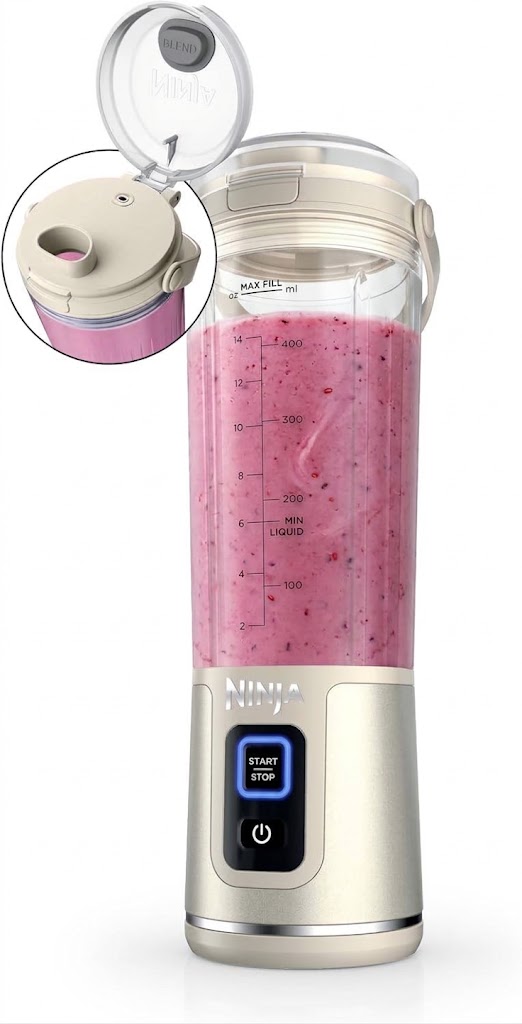
Ninja Blast Portable Blender, Cordless,18oz Vessel, Vanilla Bean
Check Price on AmazonIf you thaw more than you need, refrigerate it and use it promptly according to the package guidance and sensible food-handling practices. Discard fruit that has an unusual odor, visible mold, or signs of spoilage. Freezing slows quality loss but does not make food immune to poor handling or spoilage.
For young children, older adults, pregnant people, or anyone with a weakened immune system, follow current food-safety advice and the product label. If the package says the fruit should be cooked, follow that instruction. Do not assume organic certification makes a food safer from every kind of contamination.
Common questions about organic frozen fruit
Is organic frozen fruit more nutritious?
Not automatically. Both organic and conventional frozen fruit can provide fiber and nutrients, and differences depend on the fruit and how it was grown, handled, and stored. Choose based on the full picture rather than assuming the organic label guarantees higher nutrient levels.
Is conventional frozen fruit safe to eat?
Conventional frozen fruit sold through normal retail channels is subject to applicable food rules. Organic status is not the same as a safety rating. Keep the product frozen, follow package instructions, and handle it cleanly.
Does frozen fruit have added sugar?
Plain frozen fruit may contain only fruit, but some products include added sugar or sweetened liquid. Check the ingredient list and nutrition information. Natural sugars in fruit are not the same as added sugar.
Should fruit be washed after thawing?
Follow the package directions. Frozen fruit is commonly cleaned during processing, but washing is not always needed or recommended and can soften the fruit. If you wash it, use clean running water and handle it safely; never use soap or household cleaners on food.
Is organic frozen fruit worth the extra price?
It can be worthwhile if the farming standards matter to you and the added cost fits your budget. If not, conventional fruit remains a practical choice. A good decision is one that lets you buy and use fruit consistently.
Organic frozen fruit follows defined farming standards, but it is not pesticide-free by definition or automatically more nutritious. Conventional frozen fruit can still be a useful, affordable way to add fruit to meals.
Compare the ingredient list, unit price, and storage instructions, then choose the option that fits your priorities. For your next shop, pick a fruit you will actually use and keep it frozen until you need it.
The answer to should frozen fruit be organic depends on your budget and values—not on a rule that every bag must carry an organic label.
