when does frozen fruit expire: storage guide
Frozen fruit can stay safe indefinitely when it remains frozen at 0°F (-18°C) or below, but its flavor and texture gradually decline. For the best quality, aim to use it within about 8 to 12 months.
The date printed on a package usually guides quality, not a precise safety deadline. This guide explains how to read that date, store opened and homemade fruit, spot quality problems, and thaw or refreeze fruit safely.
when does frozen fruit expire?
Frozen fruit does not have a fixed expiration date for safety if it has stayed continuously frozen at 0°F (-18°C) or below and its packaging is intact. Freezing prevents most microorganisms from growing, but it does not make fruit immune to changes in taste, color, and texture. Over time, exposure to air and temperature changes can dry it out or make it taste stale.
For a better eating experience, use commercially frozen fruit within the package’s quality guidance and, as a general home-storage target, within about 8 to 12 months. That is a quality guideline, not a guarantee that fruit becomes unsafe on a particular day. Fruit held longer may still be usable if it remained frozen, but it may work better in a smoothie or cooked dish than in a fresh-tasting dessert.
Keep the freezer at 0°F (-18°C) or colder. A steady temperature matters more than the calendar alone: repeated warming and refreezing can damage texture and may create food-safety concerns if fruit thaws above safe refrigerator temperatures.
How to read dates on frozen fruit packages
Packages may show a “best by,” “best if used by,” or “sell by” date. These dates generally indicate when the product is expected to have its best quality, rather than the exact day it becomes unsafe. They are useful for planning, but they cannot tell you whether a particular bag was kept frozen during shipping and storage.
Check the package condition as well as the date. Avoid a bag that is torn, leaking, unsealed, or visibly damaged. A heavy coating of ice or one large frozen clump can suggest that the fruit thawed and refroze, although ice crystals by themselves do not prove that it is unsafe. Some frost can form during normal storage.
Once you open a bag, seal it tightly and return it to the freezer promptly. Write the opening date on the package if you are unlikely to finish it soon. This helps you use older fruit first and limits the time it spends exposed to warm, humid air.
How long different frozen fruit keeps its quality
Fruit type, preparation, packaging, and freezer consistency all affect quality. The time ranges below are practical targets for best eating quality in a well-maintained home freezer. They are not strict safety cutoffs.
| Fruit or format | Quality target | Best for |
|---|---|---|
| Commercially frozen berries | About 8 to 12 months | Smoothies, sauces, baking |
| Commercially frozen sliced or diced fruit | About 8 to 12 months | Breakfast bowls, baking, blended drinks |
| Whole fruit frozen at home | About 8 to 12 months for best quality | Cooking, smoothies, or thawing if packed well |
| Home-frozen cut fruit | Use within about 8 to 12 months | Smoothies, sauces, and recipes where softness is acceptable |
| Fruit with visible freezer burn | Quality varies; inspect and use promptly if otherwise sound | Cooked recipes or blending if flavor remains pleasant |
These estimates assume that fruit is packed well and stays frozen. A freezer that cycles through temperature changes, a partly open bag, or a container with lots of empty space can shorten the period of good quality. If you do not know how long fruit has been stored, judge its packaging, appearance, smell after thawing, and intended use rather than relying on an exact date.
What changes as frozen fruit gets older?
Freezing slows deterioration, but it does not stop every change. Ice crystals can grow and damage the fruit’s cells. When the fruit thaws, more juice may leak out, and the pieces may feel soft or watery. This is usually a quality problem, not proof of spoilage.
Air exposure can also cause freezer burn. This is surface drying that may leave pale, leathery, or discolored patches. Fruit with freezer burn is often safe if it stayed frozen and has no other signs of spoilage, but the affected parts may taste bland or dry. Trim or remove badly affected pieces, or blend the fruit into a recipe where texture matters less.
Some fruit naturally darkens during freezing and storage. Changes in color alone do not always mean the fruit has gone bad. Look for several clues together, including damaged packaging, an unusual odor after thawing, mold, or a slimy surface.
How to tell whether frozen fruit should be discarded
Do not taste fruit to test whether it is safe. If it has thawed and sat at room temperature for too long, or you see clear signs of spoilage, discard it. When you are unsure whether the fruit stayed safely cold, throwing it away is the safer choice.
- Discard fruit with mold. Do not pick out a few moldy pieces and keep the rest of the same soft fruit.
- Discard fruit with a sour, fermented, or otherwise unusual smell after thawing. Fresh fruit can smell sweet or mild; a strong off-odor is a warning.
- Discard fruit that feels slimy or has a visibly spoiled surface. Softness alone can be normal after freezing, but sliminess combined with an off smell is not.
- Discard fruit in badly damaged or leaking packaging if its handling history is uncertain or it may have been contaminated.
- Do not rely on cooking to rescue spoiled fruit. Heat does not make every mishandled or spoiled food safe.
A little frost, a clump of berries, or a soft texture after thawing is not automatically a reason to throw fruit away. Those clues often indicate moisture or temperature changes that reduced quality. Pair them with the storage history and other signs before deciding.
How to store frozen fruit so it lasts longer
- Keep the freezer at 0°F (-18°C) or below. Use a freezer thermometer if the appliance does not show a dependable temperature. Avoid storing fruit in the door, where temperatures can fluctuate more as the door opens.
- Close the package tightly after each use. Press out excess air without crushing the fruit, then seal the original bag or transfer it to a freezer-safe airtight container.
- Divide large amounts into portions. Small portions let you take out what you need without repeatedly warming the rest. This also reduces ice buildup from opening and resealing a large container.
- Label home-frozen fruit. Write the fruit type and freezing date on the package. Rotate older packages to the front so they are used first.
- Freeze fruit promptly after preparing it. Wash and dry fresh fruit as appropriate, remove damaged pieces, and pack it without leaving long periods at room temperature.
- Keep packages away from strong odors and raw-food leaks. Sealed storage helps prevent flavor transfer and protects the fruit from contact with other foods.
For home-frozen fruit, use packaging intended for freezer storage. A thin bag or loosely covered bowl can allow more air contact, which encourages drying and stale flavors. If you freeze pieces on a tray first, transfer them to a sealed container once firm; this can help keep them separate and easier to portion.
What to do with an opened bag
Opening a bag does not suddenly make frozen fruit expire. The main risk is that the fruit becomes exposed to warm air, moisture, and freezer odors. Scoop out the amount you need quickly, remove excess air, seal the bag, and return it to the freezer rather than leaving it on the counter while you prepare other ingredients.

Framendino, 16 Pack Artificial Chicken Nuggets Fake Fried Food Models Props for Kitchen Decor
Check Price on AmazonIf the original closure no longer seals well, place the bag inside a freezer-safe zipper bag or rigid airtight container. Add a label with the date you opened it, especially if the package has lost its original date information. This simple habit makes it easier to track older fruit without treating the opening date as a new safety deadline.
Do not put a serving that has been sitting in a bowl back into the original bag. Keep the portion you plan to use separate, and avoid letting utensils that touched other foods enter the package. These steps help preserve both quality and cleanliness.
Safe ways to thaw frozen fruit
Choose a thawing method based on the recipe. For a smoothie, you can usually add frozen fruit directly to the blender. For a sauce or baked recipe, the fruit can often go in frozen as well; follow the recipe’s instructions because extra juice may affect the texture or baking time.
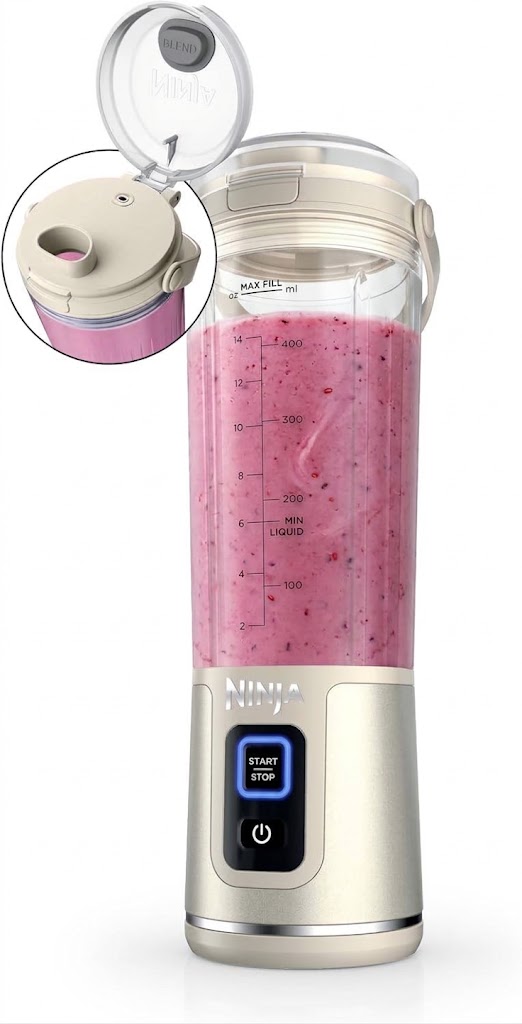
Ninja Blast Portable Blender, Cordless,18oz Vessel, Vanilla Bean
Check Price on AmazonThaw in the refrigerator
For fruit you plan to eat cold or use as a topping, thaw it in a covered container in the refrigerator. A container catches the juice and helps prevent contact with other foods. Use thawed fruit promptly for the best texture; keeping it refrigerated for about one to two days is a practical quality target, not a guarantee for every situation.
Thaw only the portion you need
Measure out a serving before thawing instead of defrosting the whole package. Frozen fruit releases juice as it softens, and repeated thawing and refreezing makes the remaining fruit mushier. Portioning also means the unused fruit stays frozen and retains better quality.
Avoid leaving fruit on the counter
Room-temperature thawing can warm the outside of the fruit while the center remains frozen. Do not leave perishable food at room temperature for more than two hours, or more than one hour when the surrounding temperature is above 90°F (32°C). Refrigeration or using the fruit while still frozen offers better control.
If a recipe requires drained fruit, thaw it in the refrigerator and drain the juice when the fruit is soft enough. Save the liquid for a smoothie or sauce if it smells and looks normal. Do not discard juice solely because it has separated from the fruit; separation is a common effect of freezing.
Can you refreeze thawed fruit?
Fruit thawed in the refrigerator can generally be refrozen if it has remained cold and has not been left out too long. However, each freeze-thaw cycle weakens the fruit’s structure, so the result is usually softer and releases more liquid. Refrozen fruit is often best in smoothies, compotes, sauces, or baked goods rather than as a firm topping.
Do not refreeze fruit that has been left at room temperature for an unsafe period or whose temperature history is uncertain. If the fruit still contains ice crystals or has stayed at 40°F (4°C) or below during a power interruption, it may be refrozen, though quality can decline. When the handling history is unclear, discard it instead of guessing.
A useful point many people miss is that a package’s date cannot account for a freezer outage or a warm trip home from the store. Storage history matters more than the printed date for deciding whether food stayed safely frozen. Bring frozen fruit home promptly, and put it away as soon as possible.
Best uses for fruit that has softened
Soft or slightly icy fruit can still be useful if it smells normal, shows no mold, and has been stored safely. Match the fruit to a preparation that does not depend on firm pieces. This avoids wasting food while setting realistic expectations for texture.
- Smoothies: Add frozen fruit straight to the blender for a thick drink. If it has thawed, use the released juice too unless the recipe calls for a thicker consistency.
- Sauces and compotes: Simmer fruit with a little water or another recipe ingredient until it breaks down. Softer pieces blend naturally into a sauce.
- Baking: Use fruit in muffins, cobblers, or quick breads when the recipe allows frozen fruit. Extra moisture can affect the result, so follow the recipe’s guidance on thawing or adjusting liquid.
- Oatmeal and yogurt: Stir in fruit while the oatmeal is hot, or thaw a small portion in the refrigerator before adding it to yogurt.
- Fruit toppings: Thaw berries in the refrigerator and spoon them over pancakes or cereal, including a little juice for flavor.
Do not try to make spoiled fruit usable by hiding its smell or cooking it. These ideas apply only to fruit that has been handled safely and has no signs of spoilage. If the fruit tastes stale but otherwise appears sound, a cooked or blended use may improve the eating experience without changing its storage history.
Frozen fruit can remain safe as long as it stays continuously frozen at 0°F (-18°C) or below, while its best flavor and texture are usually found within about 8 to 12 months. A printed date is a quality guide; condition and storage history matter too.
Check your freezer temperature, seal opened packages tightly, and label home-frozen fruit with the date. If thawed fruit has an off smell, mold, or an unsafe temperature history, discard it; otherwise, use softer fruit in smoothies, sauces, or baking.
For a practical next step, sort your freezer today and move the oldest well-sealed fruit to the front for your next recipe.
