can greek yoghurt be frozen: texture tips
Yes, can greek yoghurt be frozen? It freezes safely when handled properly, but thawed yogurt usually becomes less smooth and may separate. The change is mostly a texture issue, not a sign that the yogurt has gone bad.
Freezing works best when you plan to use the yogurt in smoothies, baking, sauces, or cooked dishes. This guide explains how to freeze it, thaw it safely, and improve its texture. You will also learn which types freeze well, how to portion a container, and when it is better to keep yogurt in the refrigerator instead.
Can greek yoghurt be frozen?
Yes, you can freeze Greek yogurt. Freezing keeps it cold enough to store, but it does not preserve the yogurt’s original creamy texture perfectly. After thawing, the yogurt may look grainy, watery, or separated because ice crystals disturb its structure.
That separation is common with yogurt and does not automatically mean it has spoiled. A good stir can bring some of the mixture back together, although it may not become as thick and silky as it was before freezing. For that reason, frozen and thawed yogurt is usually best in recipes where texture can be blended, stirred, or cooked.
You can freeze a full container or divide it into smaller portions. Individual portions are easier to thaw and help you use only what you need. If you like eating Greek yogurt plain with fruit or granola, try freezing a small amount first to see whether the thawed texture suits you.
What changes after freezing and thawing?
Greek yogurt is a mixture of water, milk proteins, and fat. As it freezes, some of the water forms ice crystals. Those crystals can shift the yogurt’s structure, leaving liquid around thicker curds once it thaws.
Stirring helps distribute the separated liquid, often called whey, through the yogurt again. It may improve the consistency, but it cannot always restore the original texture. A high-protein yogurt can still feel slightly grainy after thawing, and a low-fat variety may seem thinner.
The flavor usually remains close to its original flavor if the yogurt was fresh, covered, and frozen promptly. Freezer odors or poor packaging can affect taste, so use an airtight container. Freezing can also affect the activity of live cultures. Do not rely on frozen yogurt as a guaranteed source of a particular number of active cultures.
How to freeze Greek yogurt step by step
For the best result, freeze yogurt while it is fresh and keep it protected from air. You do not need special equipment, but the right container and portion size make thawing easier.
- Check the yogurt. Use yogurt that has been kept refrigerated and is still in good condition. Freezing will not make spoiled yogurt safe or restore its quality.
- Choose a container. Use a freezer-safe airtight tub, a sturdy resealable freezer bag, or a covered ice cube tray. Leave a little space at the top of a rigid container because the contents can expand as they freeze.
- Portion it for later. Divide a large tub into amounts you normally use for breakfast, a smoothie, or a recipe. Small portions freeze and thaw more conveniently than one large block.
- Label and date it. Write the type of yogurt and the freezing date on the container. This makes it easier to use older portions first.
- Freeze it promptly. Place the sealed portions in a cold part of the freezer, away from the door if possible. Avoid leaving the yogurt on the counter while you prepare other ingredients.
A freezer set to 0°F (-18°C) keeps food frozen. Yogurt held continuously at that temperature remains frozen, but its quality can decline over time. For the best texture and flavor, plan to use it within about one to two months. That is a quality guideline, not a guarantee that yogurt suddenly becomes unsafe after that point.
Which freezing method works best?
The best method depends on how you plan to use the yogurt. A sealed tub is simple for a large amount, while small portions make it easier to add just enough to a smoothie or recipe. Ice cube trays can be useful for measured amounts, though you should transfer the frozen cubes to a sealed bag once solid.
| Method | How to use it | Best for | Trade-off |
|---|---|---|---|
| Original tub | Seal the tub well and leave a little headspace. | Freezing most or all of a small container | You may need to thaw more than you need. |
| Small airtight containers | Divide yogurt into single-use amounts. | Meal prep and easy thawing | Uses more storage space and containers. |
| Ice cube tray | Freeze measured spoonfuls, then move the cubes to a freezer bag. | Smoothies and small recipe additions | Exposed cubes can pick up odors if not sealed afterward. |
| Freezer bag | Remove excess air, seal, and freeze flat. | Saving space and thawing a thin portion quickly | The bag can be awkward to fill without a cup or bowl. |
Useful tip: Freeze yogurt in amounts that match a recipe or smoothie. A frozen block can take much longer to thaw than several small portions, and repeatedly thawing a large container makes it harder to handle safely.
How to thaw frozen Greek yogurt
Thaw yogurt in the refrigerator rather than on the counter. Put the sealed container on a plate or in a bowl in case liquid leaks. A small portion may thaw in several hours, while a larger container may need overnight or longer.
Once thawed, open the container and stir thoroughly. If there is a pool of liquid, you can mix it back in for a softer consistency. If you want thicker yogurt, carefully pour off some liquid instead. That makes the remaining yogurt thicker but reduces the amount you have.
For a smoothie, you can often use frozen yogurt directly without thawing it. Break or portion it before freezing so your blender can handle it. If you are adding it to a warm dish, stir it in gradually and avoid prolonged boiling, which can make yogurt separate further.
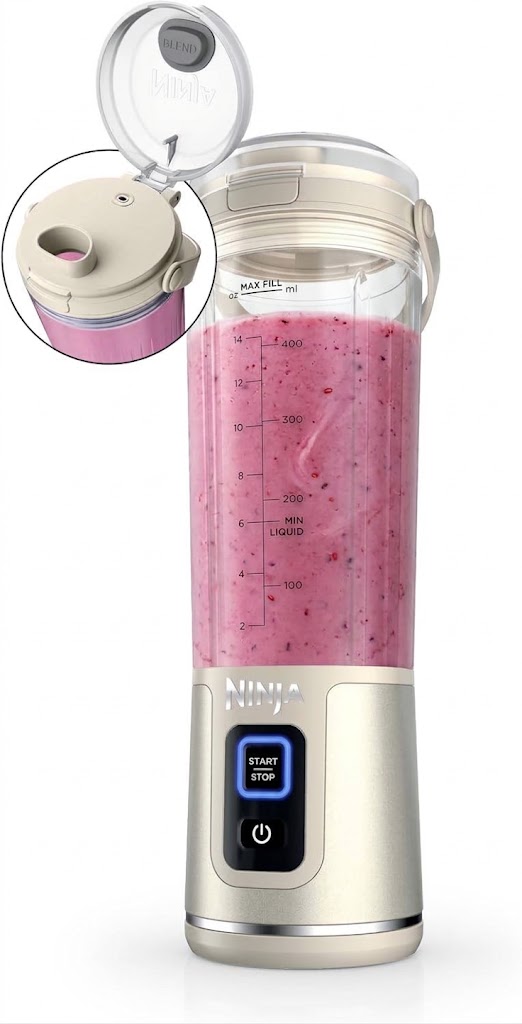
Ninja Blast Portable Blender, Cordless,18oz Vessel, Vanilla Bean
Check Price on AmazonKeep thawing yogurt refrigerated and use it promptly, ideally within a few days. Do not thaw it on the counter for an extended period. If it has been left at room temperature for more than two hours, or for more than one hour in temperatures above 90°F, discard it rather than tasting it to check.

Framendino, 16 Pack Artificial Chicken Nuggets Fake Fried Food Models Props for Kitchen Decor
Check Price on AmazonDoes every type of Greek yogurt freeze the same way?
Different products can behave differently because their fat, protein, sweetener, and added ingredients vary. Plain full-fat yogurt may seem richer after thawing, while a nonfat version can feel thinner or more grainy. Sweetened or flavored products can freeze too, but pieces of fruit may soften and release juice.
| Type | What to expect after thawing | Best use |
|---|---|---|
| Plain full-fat | May retain a richer feel, but can still separate. | Smoothies, sauces, baking, or eating after stirring |
| Plain low-fat or nonfat | May seem thinner or grainier. | Blended drinks, batters, and cooked recipes |
| Sweetened or flavored | Flavor usually remains, but fruit pieces may soften or release liquid. | Smoothies and blended snacks |
| Whipped or specially thickened | The airy or especially smooth texture may change noticeably. | Recipes where the yogurt will be mixed with other ingredients |
If you are freezing a product with fruit or mix-ins, stir it before portioning so the ingredients are distributed evenly. Read the package directions if the product includes specific storage advice. Some yogurt products have ingredients or packaging that make them less suited to freezing than a plain tub.
Best ways to use thawed yogurt
Thawed yogurt works well when another ingredient or a cooking step can smooth out the texture. It can add tang and creaminess without needing to look or feel exactly like fresh yogurt.
- Smoothies: Add frozen portions straight to a blender with fruit and liquid. The yogurt can help make the drink creamy and cold.
- Baking: Use it in recipes that call for yogurt, such as muffins, quick breads, or pancakes. Stir it until evenly mixed before measuring.
- Sauces and dips: Blend or whisk it into a sauce. For a cold dip, combine it with other ingredients and adjust the thickness as needed.
- Marinades: Mix it with herbs and seasonings for a marinade. Keep the food refrigerated while it marinates.
- Cooked dishes: Stir it into a dish near the end of cooking and use gentle heat. High heat can encourage separation.
- Oatmeal or porridge: Mix in a spoonful after cooking for a tangy, creamy finish.
For a breakfast bowl, thawed yogurt may still be perfectly usable, but it can be less pleasant if you expect the thick, smooth texture of a fresh tub. Stir it well and add fruit, seeds, or cereal to suit the consistency. If it remains too watery, use it in a smoothie or batter instead.
Can you freeze Greek yogurt in its original container?
Often, yes, if the container is suitable for freezer storage and has enough room for expansion. Check the packaging for storage instructions. If the tub is full, remove a little yogurt or transfer it to a freezer-safe container before freezing.
Close the lid tightly. For extra protection against freezer odors and drying, place the tub inside a freezer bag. A container that is not airtight can allow air in, which may affect flavor and texture.
If the original tub is not designed for freezing, transfer the yogurt instead of assuming that any plastic container will hold up. Freezer-safe packaging is made to tolerate low temperatures without becoming brittle as easily.
Can thawed yogurt be frozen again?
Refreezing is not ideal because each freeze-and-thaw cycle can make the texture worse. If the yogurt thawed in the refrigerator and stayed cold, refreezing may be possible from a food-safety standpoint, but the result can become more watery or grainy. It is usually more practical to freeze portions you can finish in one go.
Do not refreeze yogurt that spent too long at room temperature. The safe choice is to discard food that has been held in unsafe conditions, even if it looks and smells normal. Smell and appearance cannot reliably rule out harmful bacteria.
Common freezing mistakes to avoid
- Expecting a perfect texture: Thawed yogurt can separate. Plan to stir it or use it in a blended or cooked recipe.
- Freezing an old tub: Freezing does not reset the yogurt’s freshness. Start with yogurt that has been stored properly and is still in good condition.
- Leaving too much air in the package: Air exposure can lead to freezer odors and a dry surface. Seal the container or bag well.
- Freezing one oversized portion: A large block takes longer to thaw and can lead to wasted leftovers. Divide it into useful amounts first.
- Thawing on the counter: Room-temperature thawing is less safe than thawing in the refrigerator. Put the portion in the fridge ahead of time.
- Judging safety by texture alone: Separation is often a normal quality change, but a normal appearance does not prove food is safe. Consider how it was stored and how long it was left out.
When should you avoid freezing it?
Skip freezing if you need yogurt to stay perfectly thick and smooth for a topping, a layered dessert, or a dish where its fresh texture is central. Refrigerated yogurt is the better option for those uses. You may also want to avoid freezing a small amount that you expect to eat plain soon, since freezing and thawing adds effort without much benefit.
Do not freeze yogurt to salvage a container that already smells unusual, has unexpected mold, or was stored improperly. A little separated liquid can be normal, but mold or an off odor is a reason to discard the product. Never taste questionable food as a safety test.
Freezing is most useful when you have more yogurt than you can finish and already know how you will use it. A planned portion for a smoothie or recipe is more likely to be enjoyed than an unlabeled tub left in the freezer for months.
Yes, can greek yoghurt be frozen, but expect some separation or graininess after thawing. Freeze fresh yogurt in airtight, useful portions, thaw it in the refrigerator, and stir before using.
For the smoothest results, put thawed portions in smoothies, baking, sauces, or gently heated dishes. Freeze a small portion first if you plan to eat it plain, so you can decide whether its changed texture works for you.
