what songs are in frozen jr: song list and context
what songs are in frozen jr? The stage adaptation features 11 musical numbers, including “Let It Go,” “Do You Want to Build a Snowman?,” and “Love Is an Open Door.” It also has songs written or adapted for the junior show, such as “Let the Sun Shine On” and “A Little Bit of You.”
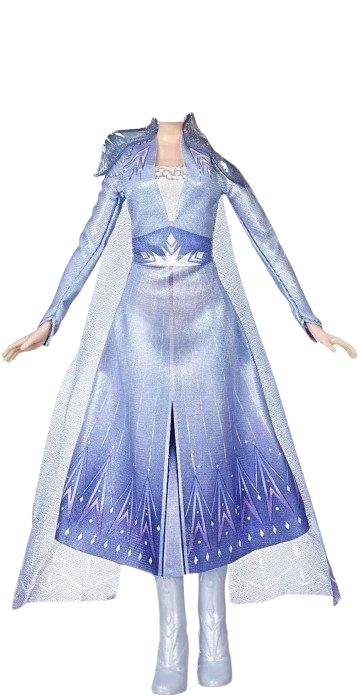
Disney Frozen Elsa Fashion Doll with Long Blonde Hair & Blue Outfit Inspired by Frozen 2
Check Price on Amazon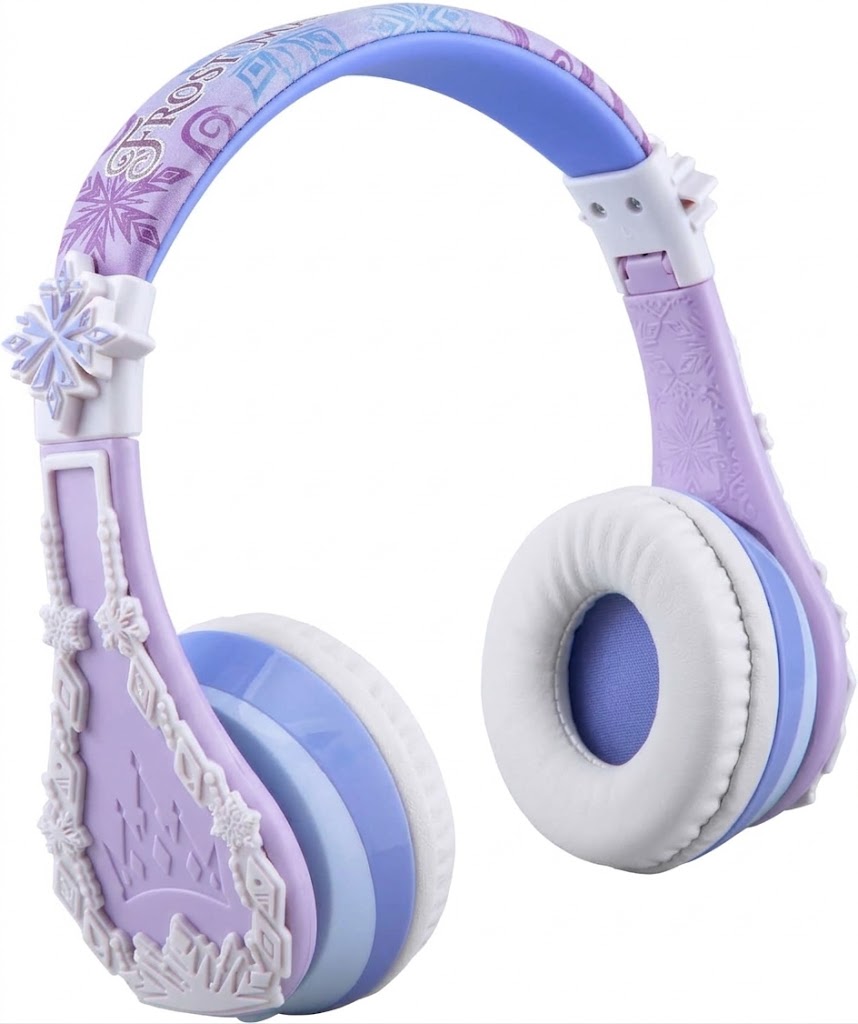
Frozen 2 Bluetooth Headphones with Microphone
Check Price on AmazonBelow, you’ll find the numbers in show order, what happens in each, and how the stage version differs from the movie soundtrack. This is useful if you are choosing a song to learn, preparing for an audition, or helping a young performer follow the story. A production’s exact running order and cuts can vary, so use its official materials when you need details for a specific performance.
what songs are in frozen jr? The complete list
Disney’s Frozen JR. is a condensed musical adaptation of the first Frozen film. Its standard song sequence has 11 numbers. Some are familiar from the movie, while others are revised, shortened, or newly written for the stage adaptation.
Here are the musical numbers in their general show order:
- “Let the Sun Shine On”
- “A Little Bit of You”
- “First Time in Forever”
- “Do You Want to Build a Snowman?”
- “For the First Time in Forever (Reprise)”
- “Love Is an Open Door”
- “Reindeer(s) Are Better Than People”
- “In Summer”
- “Let It Go”
- “Fixer Upper”
- “Finale”
The finale brings the story to a close and draws on the show’s musical material. It is not simply another full-length movie song. A school or youth-theater production may also make practical adjustments to transitions, scene timing, or staging.
Important distinction: Frozen JR. is not a word-for-word staging of the movie, and its song list is not identical to a playlist of the film’s soundtrack. The JR. script and score shape the story for a shorter stage performance.
What each Frozen JR. song is about
The songs help tell the story, introduce the characters, and mark changes in Elsa and Anna’s relationship. Knowing what each number does can help an audience member follow the plot or help a performer make a clear acting choice.
1. “Let the Sun Shine On”
This opening number sets up the kingdom of Arendelle and the royal family. It introduces the idea of warmth and joy that runs through the story, while also bringing the young Elsa and Anna into the audience’s view. As an opening, it establishes the world before the sisters’ lives change.
For performers, the number is an introduction to the show’s ensemble and atmosphere. It helps the audience understand that this is a story about a whole community, not only two sisters.
2. “A Little Bit of You”
This number focuses on Elsa and Anna as children. Its playful energy shows how close they are before Elsa’s powers create distance between them. It gives the audience a picture of the relationship they later hope to recover.
The emotional contrast matters. When the sisters become separated, viewers can remember the easy affection shown here. That makes their later reunion feel earned rather than sudden.
3. “First Time in Forever”
Anna sings about the excitement of the castle gates opening for Elsa’s coronation. She imagines meeting people and having a more active life outside the palace. The song also establishes her hopeful, outgoing personality.
Elsa’s concerns sit alongside Anna’s enthusiasm. The number therefore does more than build excitement: it shows that the sisters approach the same event from very different emotional places.
4. “Do You Want to Build a Snowman?”
This song spans several years, showing Anna repeatedly trying to connect with Elsa while the sisters live apart inside the castle. Its changing verses trace Anna growing up and feeling increasingly alone. The familiar invitation becomes more poignant as time passes.
In a stage performance, the song needs to communicate a time jump without relying on film editing. Changes in performers, movement, or staging can show the sisters aging and the distance between them.
5. “For the First Time in Forever (Reprise)”
After Elsa’s powers are revealed, Anna tries to reach her and persuade her to return. This shorter reprise revisits the earlier song but changes its emotional purpose. The first version looked forward to the celebration; this one centers on fear, urgency, and the sisters’ strained connection.
That contrast is a useful example of how a reprise works. A reprise repeats musical material, often with new lyrics or a changed situation, so the audience hears how a character’s feelings have shifted.
6. “Love Is an Open Door”
Anna and Hans sing this upbeat duet as they bond and quickly decide they are a good match. The number plays as a romantic and comic moment, but it also helps move the plot toward Anna’s request that Elsa approve their engagement.
For audiences who know the film, the song’s cheerful tone carries dramatic irony: viewers may recognize that Anna is making a major decision before she truly knows Hans. Keep that in mind when following the story’s turn after the duet.
7. “Reindeer(s) Are Better Than People”
Kristoff sings this short comic number with Sven, his reindeer companion. It gives the pair a distinct moment and shows Kristoff’s preference for animal company. The song offers a lighter beat amid the characters’ growing problems.
The title is sometimes printed with parentheses around the “s,” as “Reindeer(s) Are Better Than People.” You may also see the title written without them in informal song lists.
8. “In Summer”
Olaf imagines what it would be like to enjoy summer. The humor comes from his innocent enthusiasm and the audience’s knowledge that a snowman would not fare well in the heat. It is a character song: its main job is to reveal Olaf’s personality through a clear comic idea.
In a youth production, physical comedy and clear storytelling can matter as much as vocal delivery. The audience should understand Olaf’s sunny optimism, even if the staging is simple.
9. “Let It Go”
Elsa sings this major solo after leaving Arendelle. She stops trying to hide her powers and decides to express herself openly. The song marks a turning point: Elsa gains confidence, but her choice also separates her further from Anna and the kingdom.
It is often the best-known number in the show, but it is not the whole story. Its emotional meaning depends on what follows, especially Anna’s efforts to find Elsa and bring her home.
10. “Fixer Upper”
The trolls sing about Kristoff and Anna, offering their own humorous advice about love and personal flaws. Their perspective is playful and exaggerated. The number helps bring Kristoff and Anna closer while adding a lively ensemble moment.
The scene also supports a useful theme: people are imperfect, and caring for someone means seeing more than their rough edges. The comedy keeps that message light rather than turning the song into a speech.
11. “Finale”
The finale resolves the central conflict and celebrates the sisters’ restored relationship. It draws the story toward its closing image and reinforces the importance of love between Anna and Elsa. The exact arrangement and staging can depend on the authorized production materials used by a theater group.
Because finale material can combine or revisit musical ideas, do not assume it is a separate movie soundtrack track with the same arrangement. For a rehearsal or audition, check the score or the production’s rehearsal information for the version being performed.
Frozen JR. songs compared with the movie soundtrack
The stage adaptation keeps several of the film’s best-known songs, but it also includes material shaped for live theater. That is why searching a music app for the movie soundtrack may not give you the complete JR. list.
| Song or type | How it fits the show | Best for |
|---|---|---|
| “Let It Go” | A central Elsa solo that appears in both the film and stage story. | Recognizing Elsa’s major turning point |
| “Do You Want to Build a Snowman?” | A familiar film song that traces the sisters’ growing distance. | Following the change in Anna and Elsa’s relationship |
| “Love Is an Open Door” | A film duet that develops Anna and Hans’s quick courtship. | Understanding the early plot and its dramatic irony |
| “Let the Sun Shine On” and “A Little Bit of You” | Numbers associated with the JR. stage adaptation, including its opening and childhood scenes. | Hearing material beyond the best-known film songs |
| “Finale” | A stage closing number that completes the theatrical story. | Seeing how the adaptation ends onstage |
The table is a guide to the songs’ roles, not a promise that every recording or production will present them in exactly the same way. The licensed script and score are the reliable references for a particular staging.
Why Frozen JR. has different songs and arrangements
“JR.” identifies a youth-theater adaptation format. The show is designed for a shorter performance and young casts, so scenes and music are arranged to serve a compact stage story. This format can make the plot easier to present in a school or community theater setting.
That does not mean every song is simply cut down by the same amount. Some moments are adapted for pacing, and some musical material is specific to the stage version. The goal is to retain the story’s important character changes while making the show workable as a live production.
It also explains why cast albums, movie playlists, and production materials may not line up perfectly. A film soundtrack is made for the movie; a JR. score is made for the stage adaptation. If you are comparing titles, check whether the source is the film, the Broadway musical, or the junior version.
How to use the song list for an audition or rehearsal
A song list is a good starting point, but the right choice depends on the audition instructions and the part you are preparing. A familiar song is not automatically the best audition selection. Choose material that fits your range, tells a clear emotional story, and follows the theater’s requirements.
- Read the audition notice first. Some productions ask for a specific song, a short cut, or material from the show. Follow those directions rather than preparing a full number by default.
- Choose a clear dramatic moment. “Let It Go” can suit an Elsa audition because it shows a major change in confidence. “Do You Want to Build a Snowman?” offers a different kind of emotional storytelling. Pick a section that lets you show the character’s objective, not just a big note.
- Check the correct score. Movie arrangements, Broadway arrangements, and JR. arrangements may differ. Use the music supplied or approved by the production so the key, cut, and accompaniment match.
- Practice the words and the scene. Understand who the character is speaking to and what they want. That gives the song a purpose and helps avoid singing every line with the same expression.
- Ask about accompaniment and length. Confirm whether the audition uses recorded accompaniment, a pianist, or an unaccompanied selection. Prepare the exact cut requested and make a clear start and finish.
For rehearsal, the same approach helps: learn where the number begins and ends in the scene, identify what changes during it, and listen for cues from other performers. A song becomes easier to perform when it is treated as part of the story rather than as an isolated concert piece.
Common questions about Frozen JR. songs
Does Frozen JR. include “Let It Go”?
Yes. “Let It Go” is one of the show’s principal numbers and is Elsa’s major solo. The stage version adapts the film’s story and score for a junior production, so its presentation may differ from the movie recording.
Is “Into the Unknown” in Frozen JR.?
No. “Into the Unknown” is from Frozen II, while Frozen JR. adapts the first Frozen story. It is not part of the standard song list given above.
Is “Show Yourself” in the junior show?
No. “Show Yourself” is also from Frozen II. It is not one of the standard numbers in the first-film junior adaptation.
Does Frozen JR. include every song from the movie?
No. The JR. stage version is a separate adaptation, not a complete copy of the film soundtrack. It uses selected familiar material, stage-specific material, and an arrangement designed for its own runtime and story.
How many songs are in Frozen JR.?
The standard sequence includes 11 numbers, counting the finale. A production may make authorized practical adjustments, so a particular program or rehearsal schedule may group or label material differently.
Where can you find the exact music for a production?
Use the official script and score supplied for that production, or ask the director or music director. Online lists are helpful for orientation, but they may mix songs from the film, Broadway musical, and junior adaptation.
A practical way to avoid mixing up the versions
One common mistake is to treat every song associated with the Frozen franchise as part of Frozen JR. The original film, the stage musical, and Frozen II have different song selections. A title appearing in a playlist or fan-made list does not prove it belongs to the junior show.
Check the version name before learning a number. If the material is for an audition, ask whether the production expects the JR. arrangement or permits a different version. This small check can save time and prevent surprises when the accompaniment or lyrics do not match the rehearsal score.
For audience members, the easiest way to follow the show is to focus on each song’s story purpose: the sisters’ childhood, Anna’s hope, Elsa’s fear and self-expression, and the final reconciliation. The songs are not just a collection of familiar tunes; together, they track how the sisters move from separation back to trust.
The standard Frozen JR. song list has 11 numbers, from “Let the Sun Shine On” through the finale. It combines familiar songs such as “Let It Go” with stage-adaptation material and a shorter theatrical arrangement.
If you are preparing for a performance, check the official score and audition instructions for that production before choosing or practicing a song. That is the simplest way to make sure you have the right version of what songs are in frozen jr.