can frozen fruit have parasites? What to know
Yes, can frozen fruit have parasites? It is possible for fruit to be contaminated before freezing, but parasites are not the main food-safety concern associated with frozen fruit. Freezing slows or stops the growth of many germs; it does not reliably make every contaminated food safe.

Framendino, 16 Pack Artificial Chicken Nuggets Fake Fried Food Models Props for Kitchen Decor
Check Price on AmazonFor most people, properly handled frozen fruit from a reliable source is a low-risk food. This guide explains how contamination can happen, what freezing does and does not do, and when cooking or extra caution makes sense. You will also learn how to store, thaw, and handle fruit safely, plus which symptoms call for medical advice.
can frozen fruit have parasites?
Yes. Parasites could reach fruit through contaminated soil, water, hands, or equipment before it is frozen. That possibility does not mean parasites are common in frozen fruit, though. For frozen berries in particular, foodborne viruses such as norovirus and hepatitis A have been more prominent concerns in some reported outbreaks than parasites.
Fruit is grown outdoors or in greenhouses, then harvested, sorted, washed, packed, and transported. Contamination can occur at several points if water, surfaces, or hands carry germs. A product may also be exposed after its initial washing or during preparation at home.
Freezing is not sterilization. It can stop many microbes from multiplying while the food stays frozen, but it may not kill them. Some parasites can survive freezing, and the effect depends on the organism, temperature, and time. A home freezer should not be treated as a dependable parasite-killing step.
That distinction matters: frozen fruit can be safe to eat, but its frozen state alone cannot prove that it is free of contamination. The best practical protections are choosing fruit from reliable sources, keeping it cold, preventing cross-contamination, and following any recall or cooking advice that applies to the product.
How contamination can reach frozen fruit
Parasites and other germs can contaminate fruit before it enters a freezer. Produce may encounter contaminated water, soil, animal or human waste, dirty equipment, or unwashed hands. A washing step can reduce dirt and some surface contamination, but it cannot guarantee that every germ is removed.
Fruit that is peeled or cut can be especially exposed because handling and preparation create more opportunities for contamination. Berries are often eaten whole and uncooked, so there may be no later cooking step to reduce germs. These factors explain why good growing, processing, and handling practices matter.
Different hazards also behave differently. A parasite, a virus, and a bacterium are not interchangeable, and one treatment may affect them differently. For example, freezing may limit bacterial growth without eliminating the bacteria, while some viruses can remain infectious in frozen foods.
| Possible source or hazard | How it may affect fruit | Practical response |
|---|---|---|
| Contaminated soil or water | May expose fruit to parasites or other germs before harvest. | Buy from reliable sellers and follow any product-specific safety instructions. |
| Handling or equipment | Germs can transfer during harvesting, packing, or kitchen preparation. | Wash hands and keep fruit away from raw meat, seafood, and dirty surfaces. |
| Viruses such as norovirus or hepatitis A | Can persist in some foods, including fruit, even when frozen. | Take recalls seriously; cook the fruit when an official notice or local guidance advises it. |
| Parasites | Possible but not the main hazard most people associate with frozen berries. | Do not rely on freezing as a kill step; use careful sourcing and handling. |
What freezing does—and does not do
Freezing preserves fruit by making conditions unsuitable for many germs to grow. It also slows quality changes, which helps fruit keep its texture and flavor longer. Once the fruit thaws, however, any surviving germs may become active again and can multiply if the food is held too warm for too long.
There is no single freezing time that can be assumed to kill every parasite in every fruit. Controlled freezing methods used for particular food-safety purposes cannot be equated with putting a bag in a household freezer. The freezer temperature may fluctuate, and different organisms have different levels of resistance.
Freezing also does not undo contamination that happened before packaging. A sealed bag can protect food from new contamination, but it cannot remove germs already present. This is why a product recall or a specific warning should be followed even if the fruit has stayed frozen.
Useful distinction: keeping food frozen is a storage step, not a reliable disinfection step. Thawing does not make contaminated fruit safe, and refreezing does not reset its safety history. Handle it as food that may carry germs, just as you would handle other produce.
When to cook frozen berries or other fruit
Cooking is a useful extra control because adequate heat can kill many foodborne germs. It is not necessary to cook every bag of frozen fruit. Follow the package directions and any public-health notice, recall instruction, or food-safety advice that applies to the specific product.
If a recall or local food-safety notice recommends cooking berries, follow its exact instructions. As a practical precaution when cooking is advised but no specific method is provided, heat the fruit thoroughly until it reaches a full boil, then maintain the boil for one minute. Use a clean pot and utensil, and avoid tasting the fruit before it has been heated. If the notice gives different directions, those directions take priority.
Cooking is especially worth considering for fruit served to people more likely to become seriously ill from foodborne infection. That includes pregnant people, young children, older adults, and people with weakened immune systems. Ask a healthcare professional for individualized advice if someone in these groups has a specific medical concern.
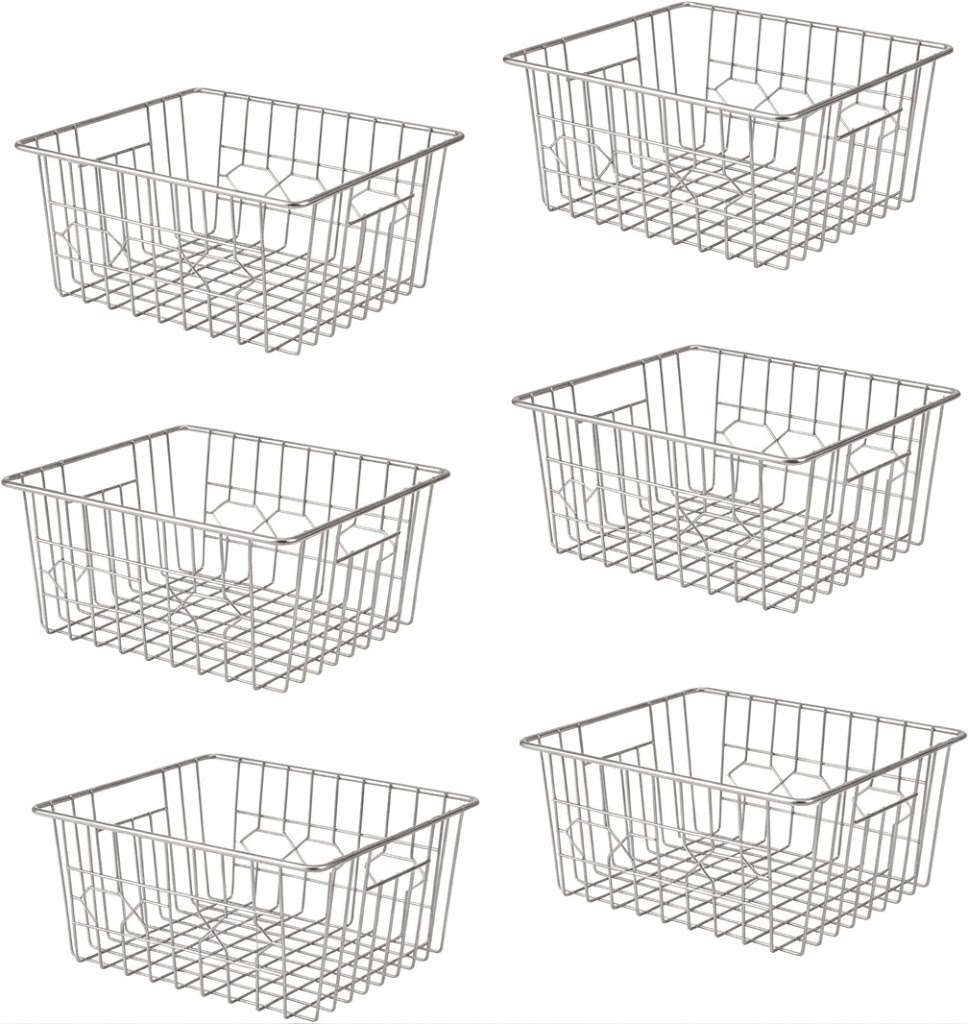
Upright Freezer Organizer Bins, Freezer Baskets for 14, 15 cu.ft Standup Freezer, Wire Storage Baskets with Built-in Handles for Frozen Foods,
Check Price on AmazonHeat-treated fruit works well in sauces, compotes, oatmeal, baked goods, and fillings. Adding frozen berries to a smoothie does not cook them. If a product is subject to a cooking advisory, blending it while frozen is not a substitute for the recommended heating step.
How to handle frozen fruit more safely
- Check the package and product notices. Look for damaged packaging, unusual signs of thawing, and recall information. Do not use a recalled product unless the relevant authority or manufacturer clearly says it is safe after a specified treatment.
- Keep it frozen during storage. Put the fruit in the freezer promptly after shopping. Follow the package guidance and keep the freezer cold and steady. Avoid leaving the bag on the counter while you prepare other ingredients.
- Wash your hands and work surfaces. Use soap and water before handling food, and clean utensils, cutting boards, and counters. Keep fruit separate from raw meat, poultry, seafood, and their juices.
- Thaw only what you need. For controlled thawing, place fruit in a clean covered container in the refrigerator. You can also add frozen fruit directly to a dish that will be cooked. Avoid thawing it for a long period at room temperature.
- Use thawed fruit promptly. Follow package directions and keep thawed fruit refrigerated. Discard fruit left out for an extended period, especially in a warm room, rather than relying on its former frozen state.
- Clean up drips and containers. Wash the bowl, sink, or countertop that touched thawing juice. Do not put ready-to-eat food on a surface that has not been cleaned after contact with raw or thawing ingredients.
Many frozen fruits are washed or prepared before packaging, but processing methods vary. Check the label instead of assuming the fruit is ready to eat or needs rinsing. If you do rinse it, use clean running water and a clean colander; rinsing can reduce some surface dirt but does not make contaminated fruit risk-free.
Does rinsing remove parasites?
Rinsing may remove dirt and some material on the surface, but it cannot reliably remove every parasite or other germ. It is not a substitute for cooking when cooking is recommended. Do not use soap, bleach, or household cleaning products on fruit; these can leave harmful residues and are not intended for food.
Frozen fruit can become soft or damaged when rinsed, and water may spread contamination from one piece to another if the sink or colander is dirty. If the label says the product is washed or ready to eat, follow its instructions. If you choose to rinse, use potable running water, keep the area clean, and use the fruit soon afterward.
Who should take extra care?
Foodborne illness can affect anyone, but some people have a higher chance of serious complications. Extra caution is sensible for pregnant people, children under five, adults 65 and older, and people with weakened immune systems or certain medical conditions.
For these groups, use fruit from intact packages and trusted suppliers, follow recalls closely, and consider cooked fruit when there is uncertainty about a product or when an advisory recommends heating. Do not serve fruit from a recalled bag just because it looks and smells normal. Many germs do not change a food’s appearance, smell, or taste.
If you are preparing food for someone at higher risk, prevent cross-contamination and use clean utensils. When in doubt about a specific product, discard it rather than taste-testing it. A healthcare professional can give advice tailored to an individual’s health and exposure.
Symptoms to watch for after eating contaminated fruit
Foodborne illness may cause diarrhea, stomach cramps, nausea, vomiting, or fever. The time between eating contaminated food and feeling ill varies by germ, so symptoms can start hours or days later. A person may also become ill without being able to identify which food caused it.
Get medical advice for severe or persistent symptoms, signs of dehydration, bloody diarrhea, a high fever, or illness in someone at higher risk. Signs of dehydration can include very little urination, dizziness, unusual sleepiness, or a very dry mouth. Seek urgent care for serious symptoms, and tell the clinician what the person ate and when.
Do not take leftover fruit as proof that it caused an illness, and do not eat more of it to test the theory. If the product may be part of a recall or several people became ill, keep the package information and follow local reporting advice. A healthcare professional or public-health agency can help assess the situation.
Common mistakes that can create a false sense of safety
- Assuming cold means clean: Freezing prevents growth while food remains frozen, but it does not reliably eliminate every parasite, virus, or bacterium.
- Trusting appearance or smell: Contaminated food may look and smell normal. Use product notices and safe handling, not a taste test.
- Rinsing as the only safety step: Water can remove some surface material, but it is not a dependable way to kill germs.
- Using a smoothie to avoid cooking advice: Blending does not provide the heat needed when a cooking instruction applies.
- Ignoring thawing history: Fruit that has warmed for a long time should not be assumed safe just because it was frozen earlier.
One point people often miss is that the type of germ matters. Advice aimed at parasites may not address viruses, and a treatment that affects one organism may not affect another. Follow instructions tied to the exact product and hazard instead of assuming one general rule covers all frozen fruit.
Yes, can frozen fruit have parasites? It is possible, but parasites are not the main concern in most discussions of frozen berries. Freezing slows germ growth but does not reliably kill every parasite, virus, or bacterium.
Check the package and current product notices, keep fruit frozen until needed, and prevent contamination during thawing and preparation. If an advisory calls for cooking, follow its directions; when a product’s safety is uncertain, do not taste-test it.
