what yoghurt can be frozen: best choices
Most plain, flavored, full-fat, low-fat, and Greek yoghurt can be frozen safely, provided it is fresh and kept frozen. However, freezing often makes yoghurt grainy or watery after thawing, so it works best in smoothies, baking, sauces, and frozen treats rather than as a perfectly smooth bowl of yoghurt.
This guide explains which types freeze best, how to freeze them in useful portions, and what to expect when they thaw. You’ll also find simple ways to use yoghurt straight from the freezer, plus food-safety tips to help you avoid wasting a tub.
what yoghurt can be frozen
Nearly any yoghurt can be frozen, including plain, Greek, whole-milk, reduced-fat, flavored, lactose-free, and many plant-based varieties. Freezing keeps it from spoiling as quickly, but it does not preserve the original texture perfectly. Ice crystals can disrupt the yoghurt’s structure, leaving it separated, thinner, or slightly grainy when it thaws.
For the smoothest results after thawing, choose thick, full-fat yoghurt, such as plain Greek yoghurt. Its thicker consistency gives it a useful starting point if a little liquid separates. Low-fat and regular yoghurt also freeze safely; they may simply seem thinner or less creamy afterward.
Choose the type based on how you plan to use it. If you want a cold snack, freeze yoghurt in small portions and eat it while frozen. If you need thawed yoghurt for a recipe, texture changes matter less in cooked or blended dishes.
How different types of yoghurt freeze
Yoghurt’s ingredients affect its texture after freezing, not whether it can go in the freezer. Fat, thickness, added fruit, sweeteners, and thickeners can all influence how it feels after thawing. The table below gives a practical guide.
| Type | What to expect after thawing | Best for |
|---|---|---|
| Plain Greek yoghurt | Usually stays thicker than regular yoghurt, though it may separate or feel slightly grainy. | Smoothies, dips, marinades, and baking |
| Plain regular yoghurt | Often becomes thinner or more visibly separated. | Smoothies, soups, baking, and sauces |
| Full-fat yoghurt | Often feels creamier than a low-fat variety, but may still change texture. | Frozen snacks and cooked recipes |
| Low-fat or fat-free yoghurt | Can thaw with a watery or less creamy texture. | Smoothies and recipes where texture is not central |
| Fruit-flavored yoghurt | Fruit or syrup may settle or separate; stirring can help. | Frozen pops, smoothies, and blended snacks |
| Plant-based yoghurt | Results vary by product; some become grainy or separate noticeably. | Frozen portions and blended recipes |
| Lactose-free yoghurt | Generally freezes much like the dairy yoghurt it is made from. | Any use that suits its texture |
Best all-purpose choice: plain, full-fat Greek yoghurt. It is thick enough to work well in recipes after thawing and has a mild flavor that fits both sweet and savory dishes. For eating as a frozen snack, flavored yoghurt can be more convenient because it is already sweetened.
Does freezing change yoghurt’s taste or nutrition?
Freezing usually has a bigger effect on texture than on taste. Once thawed, yoghurt may taste a little less fresh or have a weaker aroma, especially if it has been stored for a long time or exposed to air. A clean, sealed container helps protect its flavor.
Freezing does not turn spoiled yoghurt into safe food. It also does not reliably remove harmful microbes. Freeze yoghurt while it is still fresh, and discard it if it already smells unpleasant, shows mold, or has other signs of spoilage. Do not taste suspicious food to decide whether it is safe.
Yoghurt’s nutrients remain broadly similar through ordinary freezing and thawing, though the product’s exact nutrition depends on its ingredients. Live cultures may not all survive freezing, and the amount that remains can vary by product and storage conditions. If you choose yoghurt specifically for live cultures, check the product label and don’t assume freezing preserves every culture.
How to freeze yoghurt without making a mess
Yoghurt expands slightly as it freezes, and a large tub can be awkward to thaw if you only need a small amount. Portioning it first makes it easier to use just what a recipe calls for. Follow these steps for a cleaner, more practical freeze.
- Check the date and condition. Freeze yoghurt that is fresh and has been stored correctly in the refrigerator. Freezing is not a way to rescue yoghurt that has already spoiled.
- Decide how you’ll use it. Keep a small amount in an airtight container for thawing, or portion it into an ice cube tray or silicone mold for smoothies and sauces.
- Leave room for expansion. If using a rigid container, leave a little space at the top rather than filling it to the rim. If freezing the original tub, check that it is freezer-safe and has enough headspace.
- Seal and label it. Close the container tightly, or cover the tray once the portions are firm and transfer them to a freezer bag. Add the freezing date so you can use older portions first.
- Freeze it promptly. Place the portions in a cold part of the freezer, where they can freeze without being crushed or repeatedly warmed by the door.
Small portions are easier to use than one large frozen block. For example, freezing yoghurt in tablespoon-sized cubes can help with sauces, while larger portions suit smoothies or baking. If you use a tray, cover it to prevent the yoghurt from picking up freezer odors.
Can you freeze yoghurt in its original container?
Sometimes. Check the container for freezer-safe labeling, and make sure there is room for the contents to expand. A rigid, completely full tub may crack or push its lid open. If you are unsure about the packaging, move the yoghurt to a freezer-safe container or portion it into a tray first.
Unopened yoghurt is not automatically a better choice for freezing. It can be convenient to freeze it in its original packaging if the container is suitable and has headspace. For an opened tub, close it tightly or transfer the yoghurt to an airtight container to limit exposure to air and freezer odors.
Do not freeze yoghurt in glass unless the container is specifically designed for freezer use and has room for expansion. Ordinary glass can crack as its contents freeze. A freezer-safe plastic container or silicone tray is usually a simpler option.
How long can yoghurt stay in the freezer?
Yoghurt kept continuously frozen at 0°F (-18°C) remains safe from bacterial growth while it stays frozen, though its quality can decline over time. For the best flavor and texture, use it within about one to two months. This is a quality guideline, not a guarantee that every product will taste the same for that long.

Framendino, 16 Pack Artificial Chicken Nuggets Fake Fried Food Models Props for Kitchen Decor
Check Price on AmazonHow well it is sealed matters. Air exposure can cause freezer burn, which dries the surface and affects flavor. Frequent temperature changes can also make quality worse. Keep yoghurt covered, store it away from the freezer door if possible, and avoid repeatedly thawing and refreezing the same batch.
Write the date on the container or bag. Frozen portions are easy to forget, and a label lets you use them in order. If you are uncertain how long a portion has been stored or whether it thawed, use your judgment about its condition and discard it if safety is in doubt.
How to thaw frozen yoghurt safely
For the most controlled thaw, put the sealed portion in the refrigerator and let it soften there. Small portions thaw faster than a large tub. Stir the yoghurt once thawed to bring separated liquid back into the mixture, but expect some difference from its original texture.
You can use frozen yoghurt without thawing it in many recipes. Add it directly to a blender for a smoothie, or stir a small frozen portion into a dish that will be heated. For a dip or topping where a smooth texture matters, thaw it in the refrigerator and stir it well before deciding whether it suits the recipe.
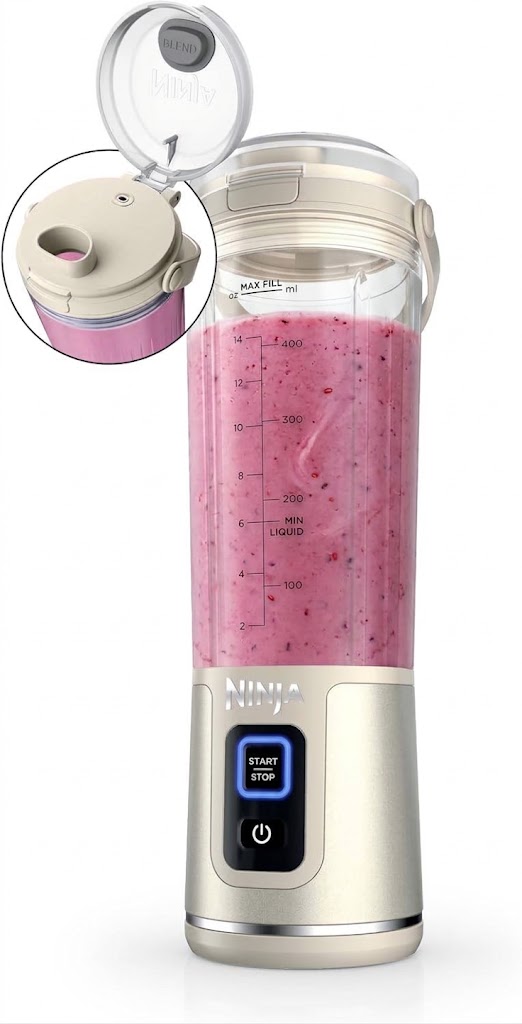
Ninja Blast Portable Blender, Cordless,18oz Vessel, Vanilla Bean
Check Price on AmazonDo not thaw yoghurt on the counter for an extended period. Keep it cold while it thaws, and return any unused portion to the refrigerator. As a general food-safety rule, discard perishable food left at room temperature for more than two hours, or more than one hour in temperatures above 90°F (32°C).
Best ways to use yoghurt after freezing
Frozen yoghurt is most useful when its texture is not the main attraction. A little separation rarely matters in a blender or a baked recipe. Here are practical ways to use it.
- Smoothies: Add frozen cubes or chunks straight to the blender. They help chill the drink and add body without waiting for a separate thaw.
- Yoghurt pops: Spoon flavored yoghurt into small molds, add fruit if you like, and freeze until solid. These work best as a frozen treat rather than a direct substitute for store-bought ice cream.
- Baking: Use thawed yoghurt in recipes for muffins, quick breads, pancakes, or other baked goods that call for yoghurt. A change in texture is less noticeable once it is mixed into batter.
- Marinades: Stir thawed plain yoghurt with herbs and spices for a marinade. It can coat ingredients even if it looks slightly separated.
- Sauces and soups: Add thawed yoghurt to a blended sauce or stir it into soup near the end of cooking. Avoid boiling it hard, since high heat can make yoghurt separate further.
- Frozen toppings: Add small frozen dollops to oatmeal or fruit bowls and let them soften slightly before eating.
A useful tip is to freeze yoghurt in portions that match your usual recipes. A single large frozen block may need considerable thawing, while small cubes can go directly into a smoothie or be measured out as needed.
Why does thawed yoghurt look watery or grainy?
Yoghurt is a mixture of water, milk proteins, and fat. During freezing, ice crystals form in the watery part and can disturb the structure that made the yoghurt thick and smooth. When the ice melts, some liquid separates from the solids. That separated liquid is often called whey.
A watery layer by itself does not mean yoghurt has spoiled. If the yoghurt was fresh when frozen and stayed frozen, stir the liquid back in. If the texture still bothers you, use it in a smoothie, batter, or cooked recipe rather than eating it plain.
Graininess can be more noticeable in low-fat or plant-based products, but the result depends on the recipe and brand. Some products contain stabilizers that help maintain texture, while others do not. There is no reliable way to promise that every yoghurt will thaw smoothly, so freeze a small test portion if texture is especially important.
Common mistakes when freezing yoghurt
- Freezing a nearly spoiled tub. Freezing slows further changes but does not reverse spoilage. Freeze it while fresh.
- Filling a container to the top. Expansion can split a tub or force the lid open. Leave headspace or use flexible molds.
- Expecting a perfect thawed texture. Even good-quality yoghurt may separate. Plan to blend or cook with it if you need a reliable result.
- Leaving portions uncovered. Uncovered yoghurt can dry out or absorb freezer odors. Seal it once frozen, or cover the tray while it freezes.
- Thawing and refreezing repeatedly. Each temperature change can reduce quality and makes safe handling harder. Freeze single-use portions instead.
- Assuming frozen yoghurt is the same as frozen yogurt dessert. Plain frozen yoghurt is simply frozen yoghurt; commercial frozen yogurt desserts may contain added sugar, stabilizers, or other ingredients.
One point people often miss: separated liquid is not automatically a reason to throw yoghurt away. If it was handled and stored safely, stir it back in or use the yoghurt in a blended or cooked dish. Mold, an off smell, or a container that has been left warm are different warning signs; discard the food rather than trying to fix it.
Most fresh yoghurt can be frozen, but the texture may become thinner, grainy, or separated after thawing. Plain, full-fat Greek yoghurt is a useful all-purpose choice, while flavored yoghurt works well for frozen snacks and smoothies.
For your next tub, freeze a small portion in an airtight container or tray and label it with the date. Thaw it in the refrigerator when needed, stir it well, and use it in a recipe if the texture is no longer right for eating plain.
