what frozen fruit can chickens eat: Safe serving tips
what frozen fruit can chickens eat? Chickens can enjoy small servings of thawed or partly thawed berries, melon, banana, and other safe fruits as occasional treats. Keep fruit fresh, cut it into manageable pieces, and make sure it never replaces balanced chicken feed.
Learn which fruits are suitable, which parts to remove, and how to serve frozen treats safely. You’ll also find a simple comparison table, portion guidance, and common feeding mistakes to avoid.
what frozen fruit can chickens eat?
Most fruit that is safe for chickens when fresh is also suitable after freezing, provided it has no mold, added sugar, syrup, or other additives. Good options include blueberries, strawberries, raspberries, blackberries, seedless watermelon, cantaloupe, banana, mango, and pitted cherries. Plain frozen fruit can be offered thawed or partly thawed in small pieces.
Fruit should be a treat, not a major part of the diet. Chickens need complete poultry feed for their age and purpose. That feed supplies a carefully balanced mix of protein, vitamins, minerals, and energy that fruit alone cannot provide.
Frozen fruit is not automatically harmful because it is cold. The practical concerns are size, hardness, spoilage, and how much the birds eat. Very hard pieces can be difficult to peck, while large amounts of sweet fruit can crowd out nutritious feed. Thawing the fruit until it is soft enough to peck helps avoid both problems.
Safe frozen fruits to offer
Choose plain fruit and check the ingredient label if it came from a package. Some frozen fruit products contain added sugar, sweeteners, sauces, or other ingredients intended for people. A single-ingredient bag is the easiest option, and freshly frozen fruit from your own kitchen can work too.

Framendino, 16 Pack Artificial Chicken Nuggets Fake Fried Food Models Props for Kitchen Decor
Check Price on Amazon| Fruit | How to prepare it | Best for |
|---|---|---|
| Blueberries and small berries | Offer whole if they are small and soft; cut larger berries. | A quick, easy treat with little preparation. |
| Strawberries | Remove leaves if desired and cut large berries into pieces. | Sharing a small portion among several birds. |
| Watermelon and cantaloupe | Remove the rind, cut the flesh into small pieces, and discard any tough seeds. | A juicy treat, especially when birds are active in warm weather. |
| Banana | Peel it, then mash or slice a small amount. | Using up a little leftover fruit; serve sparingly because it is soft and sweet. |
| Mango and papaya | Remove the peel and large pit or seeds; cut the flesh small. | Offering a change from common berries and melon. |
| Cherries, peaches, or plums | Remove the pit completely and chop the flesh. | Sharing a small amount of prepared fruit without hard pits. |
| Apples and pears | Remove the core and seeds, then cut into bite-size pieces. | Using a small amount of ordinary kitchen fruit. |
The “best for” column is about convenience, not nutrition rankings. No single fruit provides the full diet a chicken needs. Offer variety if you like, but there is no need to buy special fruit for the flock.
How to prepare and serve frozen fruit
Serve fruit in a way that lets each chicken peck and swallow it comfortably. A little preparation matters more than whether the fruit is completely thawed. Follow these steps when offering a frozen portion:
- Check the ingredients. Choose plain fruit without added sweeteners, syrup, salt, or flavorings. Skip anything that smells fermented or looks freezer-burned beyond recognition.
- Thaw or soften it. Let the portion sit until it is soft enough to peck. You can thaw it in the refrigerator or briefly at room temperature. Do not leave it out for an extended period, especially in hot weather.
- Remove hazards. Take out pits, cores, tough rinds, and any hard pieces that could be difficult to swallow. Cut large fruit into smaller pieces.
- Offer a small amount. Put the fruit in a clean dish or scatter it on a clean surface where birds can reach it. Avoid dumping a large frozen clump into the run.
- Remove leftovers. Pick up uneaten fruit before it spoils or attracts insects and rodents. Clean the dish before using it again.
Small berries may be served whole if they are soft and a bird can swallow them easily. Larger chunks, especially pieces of melon or mango, should be cut down. Watch the flock the first time you offer a new fruit so you can see whether the pieces are manageable.
How much fruit should chickens eat?
Keep fruit and other extras to a small share of the birds’ overall diet. A useful everyday rule is to make treats no more than about 10% of what they eat, with complete poultry feed making up the rest. This is a practical limit, not a precise prescription for every flock or every feeding situation.
For a small flock, begin with a few bite-size pieces divided among the birds. For a larger flock, increase the amount only enough to give each bird a small taste. Avoid judging the portion by the size of the frozen bag or by how quickly the chickens rush over. Birds may eagerly eat treats even when they have already had enough.
Feed their usual complete ration first or make sure it remains freely available. This is especially important for laying hens, whose feed is formulated to support egg production and provide needed calcium. A fruit-heavy diet can dilute the nutrients in that ration and may leave birds eating less of the feed they depend on.
There is no need to offer fruit every day. An occasional portion is sufficient. If you provide several kinds of treats on the same day, count them together rather than treating each one as a separate allowance.
Fruit parts and products to avoid
Some fruits are safe only after removing parts that are unsuitable for chickens. Other plant foods should be kept out of the treat dish altogether. When you are unsure about a fruit or its preparation, choose a known safe option instead.
- Avocado: Do not feed avocado, including its flesh, skin, pit, or leaves. Some parts contain persin, a substance that can harm birds, and the pit is also a choking hazard.
- Apple and pear seeds, plus fruit cores: Remove the core and seeds rather than offering them as a treat. Small accidental exposure is not a reason to panic, but seeds and cores are easy to avoid.
- Stone-fruit pits: Remove pits from cherries, peaches, apricots, and plums. Pits can be a choking risk and may contain compounds that release cyanide when crushed or chewed.
- Rhubarb leaves: Keep the leaves away from chickens. They contain high levels of oxalic acid, which can be harmful.
- Moldy or spoiled fruit: Discard it. Freezing does not make moldy food safe, and thawed fruit can spoil if left sitting out.
- Sweetened fruit products: Avoid fruit in syrup, candied fruit, desserts, and products with added sweeteners or unknown ingredients. These offer no advantage over plain fruit.
Citrus fruit is not generally considered a classic poultry poison, but its strong taste may make some chickens avoid it. It offers no special benefit over other fruits, so there is little reason to push it if your birds do not want it.
Can chickens eat fruit while it is still frozen?
Chickens can peck at partly frozen fruit, but fully frozen chunks are often hard and awkward to eat. The issue is not that a cold bite will inevitably make a chicken sick. The bigger concern is that a bird may struggle with a hard piece or swallow an unsuitable chunk.
Let fruit soften until you can cut it easily with a knife or crush it with a fork. Small berries that have softened a little may be manageable without further cutting. Large, solid pieces should be thawed and chopped before serving.
In cold weather, frozen treats are less convenient because they can stay hard and may be ignored. Offer a small amount that is soft, and do not leave it to freeze into a lump in the run. In warm weather, a partly chilled treat may be appealing, but it still should not replace fresh water or shade.
A common misconception is that cold food will stop a hen from laying or automatically cause illness. A small portion of properly prepared cold fruit is not a substitute for a veterinary diagnosis, but its temperature alone is not the main safety issue. Feed quality, cleanliness, portion size, and the bird’s general health matter more.
Fresh fruit, frozen fruit, and dried fruit compared
Fresh and frozen fruit can both be suitable when plain and properly prepared. Drying removes water and concentrates the sugars in each bite, so dried fruit is easier to overfeed. Compare the forms before deciding what to offer.
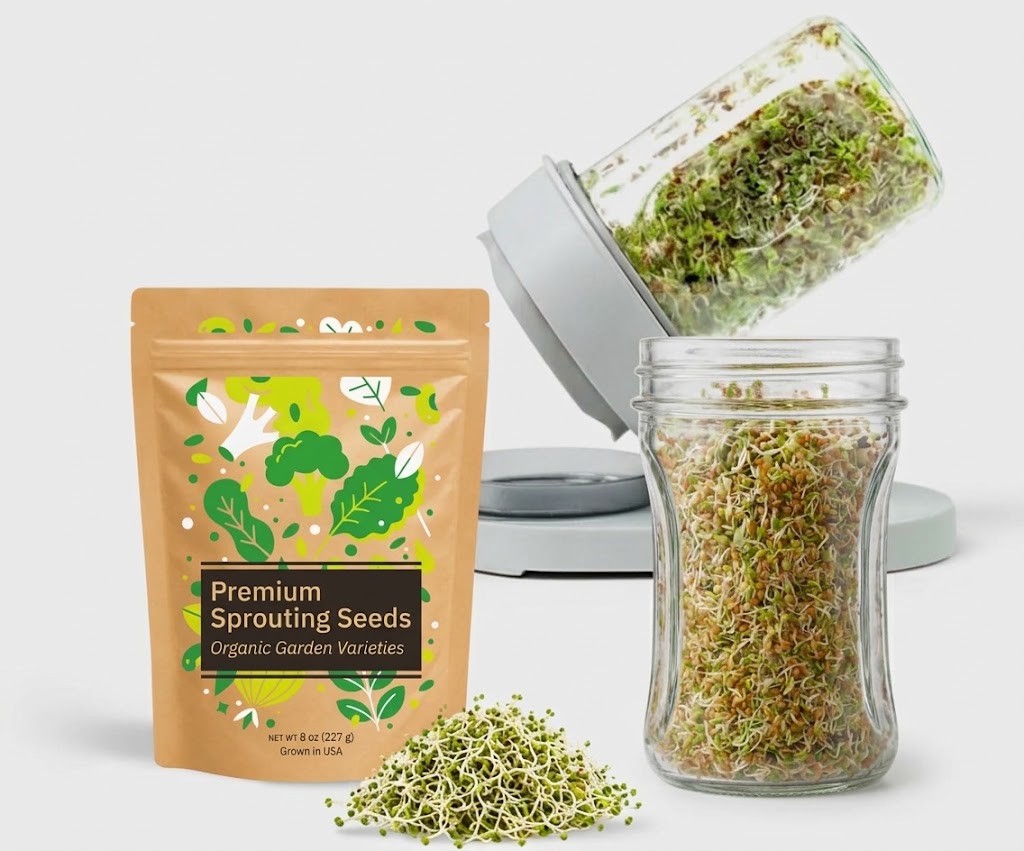
Jar Sprouting Kit with 8oz Broccoli Sprout Seeds
Check Price on Amazon| Form | What to consider | Practical verdict |
|---|---|---|
| Fresh fruit | Check for rot, wash off dirt, and remove hazardous parts. | Best when you have ripe fruit and can use it promptly. |
| Plain frozen fruit | Read the label, soften hard pieces, and serve a small portion. | Convenient for occasional treats and leftovers. |
| Dried fruit | Often more concentrated and chewy; avoid sweetened varieties. | Offer only a small amount, cut into manageable pieces. |
| Fruit in syrup or dessert | Contains added sugar or other ingredients chickens do not need. | Skip it; plain fruit is the better choice. |
Frozen fruit can be convenient because you can take out a small portion rather than using a whole fresh fruit. Keep the rest sealed and frozen, and do not refreeze fruit that has been sitting out long enough to become warm or questionable.
How to keep fruit treats clean and safe
Fruit becomes messy as it thaws. Juice can stick to bedding, feeders, and the ground, and damp scraps can attract pests. Use a dish that is easy to wash, or offer the portion on a clean, dry surface rather than mixing it into the birds’ feed.
Offer only what the chickens can finish promptly. Remove leftovers the same day, sooner if the weather is hot or the fruit has become soft and wet. Wash the dish with hot, soapy water and let it dry before the next use.
Store frozen fruit in a closed container or its sealed package so it does not pick up odors or become contaminated by raw meat or other foods in the freezer. If fruit has thawed in a way that leaves you unsure about its safety, discard it instead of feeding it to the flock.
Do not leave fruit in the coop overnight. Uneaten food may attract rodents or insects, and chickens can scatter sticky pieces into bedding. Keeping treats outside the sleeping area also makes it easier to spot and clean up scraps.
Common feeding mistakes to avoid
Giving too much because the flock loves it
Chickens often run toward treats, but enthusiasm does not show that a food is nutritionally complete. Large portions can reduce their appetite for balanced feed. Start small, and treat fruit as an occasional extra rather than a meal.
Assuming every fruit product is plain
A bag labeled “fruit” may contain added sugar or other ingredients. Read the label and choose a product with fruit as its only ingredient. Avoid fruit mixtures that include items you cannot identify or products intended as a sweetened snack.
Leaving pits, cores, or large pieces in the serving
Preparation prevents avoidable choking and ingestion hazards. Remove pits and cores before the fruit reaches the run. Cut large pieces so a chicken can peck them into manageable bites.
Putting scraps in the regular feed
Mixing fruit through the feed can make the ration wet, sticky, and less appealing after it sits. It also makes it harder to tell how much fruit each bird is eating. Keep treats separate, and keep complete feed available as the main food.
Ignoring changes in appetite or droppings
A little fruit may change the color or texture of droppings, especially when it is juicy, but persistent diarrhea, weakness, refusal to eat, or other concerning signs deserve attention. Stop the treat and assess the bird’s feed, water, and surroundings. Contact a poultry veterinarian if symptoms are severe or continue.
Choosing treats for chicks and special cases
Young chicks need an age-appropriate complete starter feed. Their small size makes pieces and portions more important, so do not give them hard frozen chunks or large slippery pieces. If you offer a treat at all, keep it very small, finely cut, and occasional.
Chickens do not have teeth to grind food. They swallow food and use the gizzard, a muscular part of the digestive system, to break it down. Birds eating foods beyond their usual crumble or mash may need access to suitable insoluble grit—small, hard particles that help the gizzard process food. Do not confuse grit with oyster shell, which is a calcium supplement for laying hens, not a substitute for digestive grit.
Follow the feed label and poultry-care advice for your birds’ age and type. If a chicken has a health condition, a history of digestive trouble, or a prescribed diet, ask a poultry veterinarian before adding treats. A flock’s needs can differ, so the usual small-treat rule should not override specific veterinary guidance.
What to do if a chicken eats an unsafe fruit part
If a chicken eats a tiny amount of a questionable food, remove what remains and note what was eaten, how much, and when. Do not try home treatments or force the bird to vomit. Birds cannot vomit in the same way people do, and forced treatment can cause additional harm.
Contact a poultry veterinarian promptly if the bird ate avocado, a large pit or seed, moldy food, or a product with an unknown ingredient, especially if symptoms appear. Watch for unusual weakness, breathing trouble, poor coordination, repeated refusal to eat, or marked changes in behavior. Provide clean water and prevent other birds from reaching the same food while you seek advice.
what frozen fruit can chickens eat? Plain berries, melon, banana, and several other pitted or prepared fruits can be offered in small portions. Soften hard pieces, remove risky parts, and keep complete poultry feed as the main diet.
For your next treat, choose one plain fruit, cut or thaw it until easy to peck, and offer only what the flock can finish promptly. Remove leftovers and keep the serving dish clean.
