why is frozen fruit better for you: what matters
why is frozen fruit better for you? It can be just as nutritious as fresh fruit, and sometimes more nutritious than fresh fruit that has spent a long time in storage. Freezing helps preserve many nutrients, while making fruit convenient and available year-round.
But frozen fruit is not automatically healthier in every situation. The type of fruit, added ingredients, storage, and how you serve it all matter. Here’s how frozen and fresh fruit compare, what to check on the package, and how to use frozen fruit safely in everyday meals.
why is frozen fruit better for you? The short answer
Frozen fruit can be a nutritious, practical choice because it is usually picked ripe and quickly frozen. Freezing slows the processes that cause food to spoil and nutrients to break down. As a result, frozen fruit can retain much of its vitamin, mineral, and fiber content until you are ready to eat it.
That does not mean frozen fruit is always more nutritious than fresh fruit. Fresh fruit eaten soon after harvest can be an excellent choice, too. The main advantage of frozen fruit is that its quality is preserved during storage, while fresh fruit may spend days or weeks in transport, a warehouse, or your refrigerator.
In short: choose frozen fruit for convenience, less spoilage, and reliable access to fruit. Choose fresh when you prefer its texture or have ripe fruit ready to eat. Both can support a healthy diet.
What freezing does to fruit and its nutrients
Freezing slows the activity of enzymes and microorganisms that contribute to spoilage. It does not make fruit sterile, and it does not stop every change, but it can preserve quality for much longer than keeping the fruit at room temperature.
Fruit is often frozen soon after harvesting, when it is ripe or close to ripe. Producers may wash, sort, and cut it before freezing. The short time between harvest and freezing can help protect delicate nutrients that may decline as fresh fruit sits in storage.
Which nutrients hold up well?
Fiber and minerals are generally stable during freezing. Fiber supports normal digestion and helps make meals satisfying. Minerals such as potassium are not easily destroyed by freezing, although some can move into liquid if fruit is thawed and the juice is discarded.
Many plant compounds also remain in frozen fruit. These compounds, which include pigments that give berries their colors, are part of the fruit’s natural makeup. Their amounts vary by fruit, growing conditions, ripeness, and handling, so no single claim applies to every bag.
What can change?
Some vitamins, including vitamin C and folate, can be affected by time, oxygen, heat, and handling. Freezing often preserves them well, but it does not guarantee that frozen fruit contains more than every fresh equivalent. The specific fruit and its journey from farm to plate matter.
Texture can change more noticeably than nutrition. Water inside fruit expands as it freezes, which can damage cell structure. When the fruit thaws, it may be softer and release juice. That is why thawed strawberries can seem mushier than fresh ones even when they still provide useful nutrients.
Frozen, fresh, or canned: how to choose
Each form has a place in a balanced diet. Compare the ingredient list and the way you plan to use the fruit, rather than assuming one form is always best.
| Type | Nutrition and ingredients | Texture and convenience | Best for |
|---|---|---|---|
| Frozen | Often retains many nutrients; plain fruit usually has no added sugar | Long-lasting in the freezer; may soften after thawing | Smoothies, oatmeal, baking, and reducing food waste |
| Fresh | Nutritious; nutrient levels can change during storage | Usually has the firmest texture; may spoil sooner | Snacking, salads, and recipes that need firm fruit |
| Canned | Can be nutritious; syrup or sweeteners may add sugar | Ready to eat and shelf-stable until opened | Quick meals and pantry storage; choose fruit in juice or water |
For canned fruit, check the label for terms such as “in heavy syrup.” Fruit packed in juice or water, or labeled with no added sugar, can help you avoid extra sweetener. Draining or rinsing may remove some syrup, but it does not remove all the sugar that has entered the fruit.
For frozen fruit, the simplest option is usually a bag listing fruit as the only ingredient. A blend can still be a good choice, but look for added sugar, sweetened sauces, or other ingredients if you want plain fruit.
How to choose a nutritious bag of frozen fruit
A quick label check can tell you whether a product fits your needs. Frozen fruit is often sold plain, but sweetened blends and fruit prepared with sauces are also available.
- Read the ingredient list. For unsweetened fruit, look for the fruit itself as the only ingredient. Added sugar may appear as sugar, syrup, or another sweetener.
- Check the package condition. Avoid bags that are torn, leaking, or heavily frosted inside. Large clumps can be a sign that the fruit thawed and refroze, although a few separate pieces freezing together is normal.
- Pick a form that suits your recipe. Whole berries work well in oatmeal and baking. Chopped fruit can be easier to blend. A mixed bag can add variety without requiring you to buy several kinds.
- Consider the portion you will use. Smaller packages can be useful if you have limited freezer space or rarely use frozen fruit. Larger bags may be convenient for regular smoothies or family meals.
Frozen fruit does not need to be labeled “organic” to be nutritious. Organic and conventional options can both contribute fruit, fiber, and nutrients. If you are comparing products, base your choice on your budget, preferences, and ingredient list.
Easy ways to add frozen fruit to meals
Frozen fruit can go straight into many recipes without thawing. Add it to a blender, stir it into porridge while cooking, or fold it into muffin batter. Using fruit while frozen can also limit mess because it releases less juice during preparation.
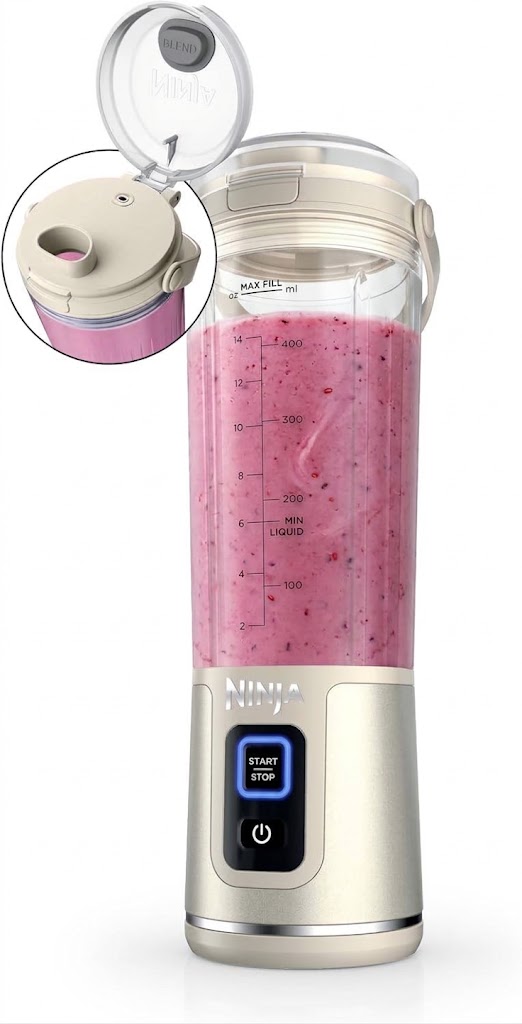
Ninja Blast Portable Blender, Cordless,18oz Vessel, Vanilla Bean
Check Price on AmazonFor a quick breakfast, stir berries into warm oatmeal and let them soften. Add plain yogurt, nuts, or seeds if you want a more filling meal. For a smoothie, blend frozen fruit with milk, yogurt, or a non-dairy alternative; start with a small amount of liquid and add more until it reaches your preferred consistency.

Framendino, 16 Pack Artificial Chicken Nuggets Fake Fried Food Models Props for Kitchen Decor
Check Price on AmazonThawed fruit works well as a topping for pancakes, cereal, or yogurt. Let it thaw in the refrigerator, then use the juice along with the fruit. The juice contains flavor and some water-soluble nutrients that might otherwise be poured away.
For baking, frozen fruit can often be added directly to the batter. Avoid thawing it first unless the recipe specifically calls for it, since thawing can release extra liquid and tint the batter. A light coating of flour may help keep pieces from sinking, but it is not essential for every recipe.
Frozen fruit can also be cooked into a simple topping. Warm berries in a saucepan until soft, then mash some of them to thicken the mixture. This makes a useful topping for toast, oatmeal, or plain yogurt without requiring a sweetened fruit sauce.
How to store and thaw frozen fruit
Keep frozen fruit in a properly working freezer and return the bag promptly after taking out a portion. Follow the package instructions for storage and use. A steady frozen temperature helps protect quality; repeated thawing and refreezing can make fruit softer and less pleasant to eat.
To thaw fruit, place the amount you need in a covered container in the refrigerator. This gives it time to soften while staying cold. If you need it sooner, use the microwave’s defrost setting in short intervals, then use the fruit right away. Thawed fruit is best used promptly and should not sit at room temperature for extended periods.
If you only need a handful, scoop out a portion while the fruit is still frozen and close the bag tightly. Do not thaw the entire package just to use part of it. Keeping the rest frozen helps preserve texture and reduces the chance of unnecessary food waste.
Does frozen fruit have added sugar?
Plain frozen fruit generally contains the fruit’s natural sugars, not added sugar. Freezing fruit does not itself require sugar. Some products, however, are sweetened or sold in a sauce, so check the ingredient list and nutrition label rather than relying on the front of the package.
Natural sugar is part of the whole fruit, which also provides water, fiber, and other nutrients. Added sugar is put into the product during processing. If you are limiting added sugar, choose fruit with no sweetener listed in the ingredients. “Unsweetened” can be a helpful label, but the ingredient list is the clearest check.
Does frozen fruit need to be washed?
Follow the package directions. Commercial frozen fruit is generally washed during processing, and washing it again may be unnecessary. Thawing it under running water can also soften the fruit and wash away juice.
Freezing slows the growth of many microbes but does not reliably kill all germs. Handle frozen fruit with clean hands and utensils, keep it frozen until use, and pay attention to food safety notices that apply to a product. People at higher risk of foodborne illness, including those with weakened immune systems, should take extra care; heating fruit thoroughly in a cooked dish can reduce some food safety risks. Freezing alone is not a substitute for cooking when cooking is advised.
Common misconceptions about frozen fruit
“Frozen fruit has fewer nutrients than fresh fruit.”
That is not always true. Frozen fruit can retain many nutrients, and some fresh fruit loses nutrients during prolonged storage. A piece of fresh fruit that has been stored briefly may compare very well, so the result depends on the fruit and its handling.
“Frozen fruit is only good for smoothies.”
Frozen fruit also works in cooked dishes, oatmeal, sauces, baking, and desserts. Its softer texture after thawing makes it less suitable for some salads, but it is still useful in many meals.
“If the fruit is frozen, it cannot spoil.”
Freezing slows quality changes but does not preserve food perfectly forever. Fruit can develop freezer burn, which is a dry, pale area caused by exposure to air. Freezer-burned fruit is generally a quality problem rather than a sign that the fruit is automatically unsafe, but the flavor and texture may suffer.
“All frozen fruit has the same nutrition.”
Different fruits naturally contain different amounts of nutrients. Processing, ripeness, storage, and added ingredients also matter. A berry mix and a bag of mango are both fruit, but they are not nutritionally identical.
Frozen fruit is a convenient, nutritious choice because freezing can preserve much of the fruit’s quality and nutrients. It is not automatically better than fresh fruit, but plain frozen fruit can be a smart option when fresh produce is out of season, spoils before you use it, or is less convenient.
To put the answer to why is frozen fruit better for you into practice, choose a bag with no added sugar and use the fruit in meals you already enjoy. Check the package directions, keep unused portions frozen, and use the juice when thawed fruit releases it.