why does fruit taste sweeter when frozen: the science
Fruit can seem sweeter when frozen because freezing changes its texture and the way its juices reach your tongue, not because freezing adds sugar. The effect depends on the fruit, how ripe it was, and whether you eat it frozen or partly thawed. In fact, very cold food can taste less sweet to some people.

Framendino, 16 Pack Artificial Chicken Nuggets Fake Fried Food Models Props for Kitchen Decor
Check Price on AmazonThis guide explains what freezing does to fruit, why popular choices such as grapes and bananas can taste dessert-like, and how to freeze and serve fruit for the best flavor. You’ll also learn why ripe fruit matters more than the freezer itself.
why does fruit taste sweeter when frozen?
Freezing does not create sugar or increase the fruit’s total sugar content. If a piece of fruit tastes sweeter after freezing, the change is usually in texture, juice release, serving temperature, or the fruit’s ripeness. Those factors affect how sweetness comes through, even when the amount of sugar stays the same.
Ice crystals form inside fruit as it freezes. They can damage the walls of its cells, which makes the fruit softer and releases juice as it thaws. That juicy texture may make the sweetness easier to notice in each bite. The fruit may also feel more like a small, concentrated treat than a crisp piece of fresh produce.
There is an important counterpoint: cold temperatures can reduce the sweetness you perceive. The effect is not identical for everyone or every fruit, so frozen fruit may taste sweeter, less sweet, or simply different. A ripe banana eaten partly thawed is a different experience from a tart berry straight from the freezer.
What freezing changes—and what it does not
It preserves the sugar already in the fruit
Fruit contains natural sugars, including fructose, glucose, and sucrose. Freezing preserves the fruit in a very cold state, slowing the activity of many microbes and the chemical processes that cause quality to decline. It does not make the fruit produce more sugar after it goes into the freezer.
As water freezes into ice, sugars and other dissolved compounds are pushed into the remaining unfrozen liquid. That can make tiny pockets of liquid more concentrated while the fruit is frozen. It does not mean the whole fruit has gained sugar. Once it thaws and the liquid mixes back through the fruit, the total amount of sugar remains essentially the same, apart from any juice that drips away.
It changes the fruit’s structure
Water expands as it freezes. Ice crystals can break some of the delicate cells in fruit, especially if freezing is slow or the pieces are large. After thawing, the softened fruit may release more juice than it did while fresh. This is why thawed strawberries are often limp and wet rather than firm.
That texture change can make frozen fruit seem sweeter in a spoonful or smoothie. The juice coats the mouth and carries dissolved sugars, while softened flesh is easy to mash and mix with the juice. But the same change can make fruit seem watery if a lot of liquid drains away or is diluted in a drink.
It can mute aroma and sweetness at the same time
Flavor is more than sweetness. Your sense of taste detects sweet, sour, bitter, salty, and savory qualities, while your nose picks up much of what makes a fruit’s flavor distinctive. Cold temperatures reduce the release of many aromatic compounds, so frozen fruit can smell and taste less fragrant than fruit served closer to room temperature.
Cold can also make sweetness harder to detect. That is why a partly thawed piece may taste more flavorful than one that is still rock-hard. If frozen fruit seems bland, let it warm slightly before deciding that it lacks flavor.
Why some frozen fruit tastes especially sweet
Ripeness is already doing the work
Ripe fruit usually tastes sweeter than underripe fruit because it has developed more of its characteristic sweetness and aroma. Bananas are a familiar example: as they ripen, their starch changes into sugars, and their flesh becomes softer. Freezing a ripe banana preserves the flavor and makes it creamy when blended, but freezing an underripe banana does not turn it into a ripe one.
Fruit sold frozen is often picked when ripe enough for its intended use, although quality and ripeness vary by fruit, producer, and product. At home, freezing fruit at peak ripeness is a reliable way to keep the flavor it already has. It is not a method for rescuing fruit that was picked too early or tastes dull.
Soft, creamy textures suggest dessert
Frozen banana slices, mango chunks, and grapes have a very different texture from fresh fruit. Depending on how they are prepared, they may feel creamy, firm, or sorbet-like. That familiar dessert-like texture can shape your expectation of flavor and make the fruit seem more indulgent or sweet.
Small frozen pieces can also encourage slower eating. As a piece warms in your mouth, its texture and flavor shift from icy to juicy. This changing sensation may make the sweetness more noticeable than in a quick bite of room-temperature fruit. It is a perception effect, not proof that the fruit contains extra sugar.
Sweetness stands out against acidity
Fruit flavor is a balance between sugars and acids. A sweet fruit with some tartness can taste lively and flavorful, while a fruit with little aroma or too much sharpness may seem less sweet. Freezing can soften the texture and change how that balance comes across, but it does not remove all the fruit’s acidity.
Try tasting fruit at two temperatures rather than assuming the frozen version will be sweeter. A brief thaw often brings out aroma and makes the balance easier to judge. If the fruit still tastes too tart, pair it with naturally sweet fruit or yogurt instead of adding sugar automatically.
How different fruits taste after freezing
Some fruits hold their shape well enough to eat frozen; others are better thawed or blended. The table offers practical expectations, not a guarantee: ripeness, variety, piece size, and freezer conditions all affect the result.
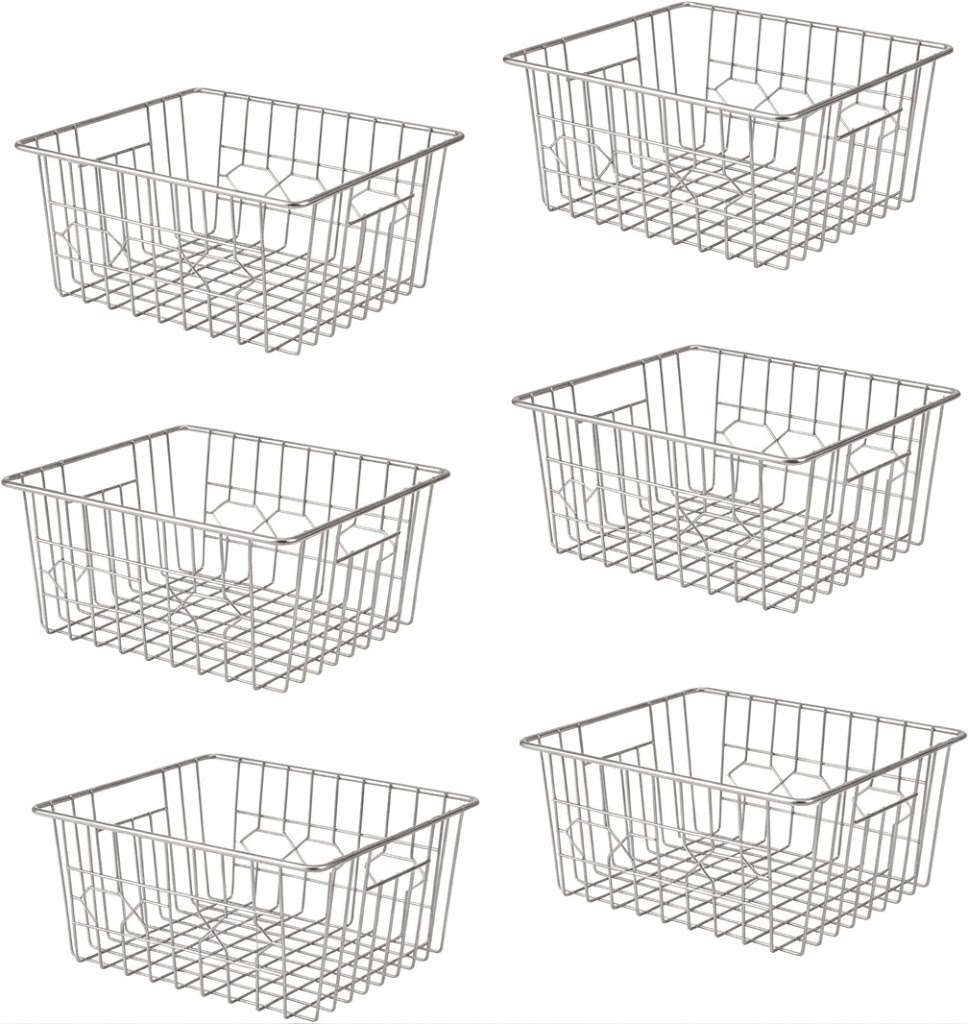
Upright Freezer Organizer Bins, Freezer Baskets for 14, 15 cu.ft Standup Freezer, Wire Storage Baskets with Built-in Handles for Frozen Foods,
Check Price on Amazon| Fruit | What to expect | Best way to serve |
|---|---|---|
| Banana | Very ripe bananas can taste rich and sweet, with a soft, creamy texture when blended. | Freeze in slices; blend slightly thawed for a thick texture. |
| Grapes | Firm, juicy, and refreshing; sweetness varies with the grape and its ripeness. | Eat whole or halved while frozen, allowing time to soften in your mouth. |
| Mango | Ripe mango can be sweet and smooth, though fully frozen pieces may feel hard. | Cut into cubes and let stand briefly, or blend into a smoothie. |
| Strawberries | Often become soft and juicy after thawing; their flavor can seem concentrated in the released juice. | Thaw in the refrigerator and use the fruit and its juices together. |
| Blueberries | Can be firm when frozen and may release juice as they thaw; sweetness depends on the berries. | Eat partly thawed, or add to oatmeal and baked dishes. |
| Peaches | Usually soften after thawing and can lose their fresh, firm bite. | Use thawed slices in yogurt, sauces, or smoothies. |
| Pineapple | Can taste bright and sweet, with a juicy texture as it softens. | Eat in small pieces after a short rest, or blend. |
For a simple snack, grapes and small berries are convenient because you can eat them individually. For a creamy result, ripe banana is usually a better choice. For thawed fruit, plan to use the juice rather than pouring it away; it carries flavor and some of the fruit’s dissolved sugars.
How to freeze fruit for better flavor and texture
Good freezing starts with fruit that tastes good before it goes into the freezer. Choose ripe, sound fruit, remove damaged portions, and wash it under running water when appropriate. Dry it well before freezing so extra surface water does not form a thick layer of ice.
- Prepare the fruit. Remove stems, pits, peels, or cores as needed. Cut large fruit into pieces that are easy to portion and eat.
- Dry the pieces. Pat washed fruit dry with a clean towel. Less surface moisture means fewer icy clumps and easier portioning.
- Freeze pieces separately. Spread pieces in a single layer on a tray or plate that fits in the freezer. Once firm, transfer them to a freezer-safe container or bag.
- Remove excess air and label. Close the container securely and mark the contents and date. This helps limit exposure to air and makes older portions easier to use first.
- Thaw only what you need. Let a portion soften in the refrigerator or at room temperature for a short time, depending on the fruit and serving plan. Avoid leaving perishable food out for an extended period.
Freezing pieces separately is especially useful for berries and banana slices. Without that step, pieces can freeze together into a solid mass. A shallow layer also helps fruit freeze more evenly, which can reduce the size and unevenness of ice crystals compared with packing warm, wet fruit into a deep container.
Use packaging intended for freezer storage and keep it closed. Air exposure can dry the surface and cause freezer burn, which appears as dry, discolored patches. Freezer burn is a quality problem rather than a sign that the fruit has gained sugar. Trim badly affected areas or use the fruit in a blended dish if its flavor remains acceptable.
Ways to make frozen fruit taste sweeter without adding sugar
If fruit tastes flat straight from the freezer, the first fix is usually serving temperature. Let a portion sit briefly until it is no longer rock-hard. As it warms, aromas become easier to notice and the fruit’s texture becomes more pleasant.
- Start with ripe fruit. Ripeness has a stronger effect on sweetness than freezing does. Taste the fruit before storing it.
- Use smaller pieces. Small pieces soften quickly and are easier to eat at a comfortable temperature.
- Mix sweet and tart fruit. Pairing ripe banana or mango with berries can create a more balanced flavor without added sweetener.
- Blend rather than dilute. Use frozen fruit as the base of a smoothie, then add liquid gradually. Too much liquid can make a naturally sweet mixture taste weak.
- Keep thawed juices. Stir the released liquid back into the fruit, oatmeal, or yogurt instead of draining it away.
A useful trick is to taste a small amount both frozen and partly thawed. That quick comparison shows whether the fruit needs more time to soften or whether its natural flavor is simply mild. It also helps you avoid adding sweetener before the fruit has had a chance to warm and release its aroma.
Common misunderstandings about frozen fruit
“Freezing turns starch into sugar”
Freezing does not ripen fruit in the way that time and suitable ripening conditions do. A banana’s starch-to-sugar changes happen as it ripens, before or after purchase, not because it is placed in a freezer. Freeze ripe bananas if you want to preserve their taste and use them in a creamy blend.
“Frozen fruit is always sweeter than fresh fruit”
There is no universal rule. Some frozen fruit seems sweeter because it is ripe, juicy, and eaten in small, dessert-like pieces. Other fruit tastes less sweet because cold dulls aroma and sweetness perception. Compare the same fruit at different temperatures if you want to know which you prefer.
“Thawed fruit has lost all its flavor”
Thawed fruit may be softer, but soft does not mean flavorless. Its juices may collect at the bottom of the container, so stir them back in before serving. If the texture is not pleasant for eating on its own, use the fruit in oatmeal, sauces, smoothies, or baking.
“Adding sugar is the only way to improve tart fruit”
Before adding sugar, give the fruit time to soften and combine it with a sweeter ingredient. A ripe banana, mango, or spoonful of unsweetened yogurt can change the balance. A little citrus or spice may also make a fruit dish taste more vivid without making it sweeter.
Food safety and storage basics
Freezing keeps fruit cold but does not make it clean or sterilize it. Wash fresh fruit under running water before cutting or freezing, and wash your hands and preparation tools. Keep cut fruit covered and return portions you are not using to the freezer promptly.
Thaw fruit in the refrigerator when you want to keep it cold while it softens. If you thaw fruit at room temperature for immediate use, do not leave it sitting out for a long time. Follow any storage directions on packaged fruit, and discard fruit that has an unusual smell, visible spoilage, or packaging damage that raises a safety concern.
For best quality, keep the freezer cold and avoid repeatedly warming and refreezing fruit. Temperature changes can worsen texture and make pieces clump together. Freezing in small, usable portions reduces waste and means you only thaw what you expect to eat.
Frozen fruit does not gain sugar in the freezer. Its ripeness, softened cells, released juices, and serving temperature can change how sweet it seems—and very cold fruit may actually taste less sweet.
For better flavor, freeze ripe fruit in dry, separate pieces and let a portion soften briefly before eating. Try the same fruit frozen and partly thawed to find the texture and temperature that bring out its best taste.
That is the practical answer to why does fruit taste sweeter when frozen: the freezer changes how you experience the fruit, not how much sugar it contains.
