can chickens have frozen fruit: safe serving tips
Yes, can chickens have frozen fruit? Chickens can eat plain frozen fruit in moderation, provided you offer pieces they can peck safely and keep fruit as a treat rather than a meal.
Frozen berries and small fruit pieces can be a refreshing snack, especially on a warm day. But large, hard chunks, sweetened products, and spoiled fruit create avoidable risks.
Here’s how to choose fruit, decide whether to thaw it, serve portions safely, and keep your flock’s balanced feed at the center of its diet. You’ll also find a practical comparison of common fruits and a list of foods to skip.
can chickens have frozen fruit safely?
Yes. Healthy adult chickens can have small amounts of plain frozen fruit as an occasional treat. The fruit should be clean, free from added ingredients, and cut or offered in a size that lets birds peck off manageable pieces.
Frozen fruit is not a replacement for poultry feed. A complete ration supplies the balanced protein, energy, vitamins, and minerals chickens need for growth, egg production, and general health. Fruit is less nutritionally complete and can dilute that diet if you offer too much.
For most flocks, the simplest approach is to offer a few bites at a time and keep treats to a small part of what the birds eat. A commonly used rule of thumb is to keep treats and extras below about 10% of the diet, with complete feed making up the rest. Treat that figure as a ceiling, not a target; individual needs vary with age, health, and production stage.
Frozen fruit can be served thawed or partly frozen. Thawing is the safer choice for large pieces, young birds, or any fruit that is hard enough to resist pecking. Small, soft berries may be offered frozen if the chickens can break them apart easily.
How to serve frozen fruit without creating a hazard
Use a few basic checks before putting fruit in the run. They help prevent choking, spoilage, and waste while keeping the snack easy for your flock to eat.
- Check the ingredients. Choose plain fruit with no syrup, added sugar, salt, flavoring, or other mix-ins. Frozen fruit sold for smoothies is often plain, but read the package rather than assuming.
- Inspect the fruit. Discard anything moldy, slimy, fermented, or foul-smelling. Freezing does not make spoiled food safe to feed.
- Choose a safe size. Cut large fruit into small pieces. Remove pits, hard cores, and large seeds. If a frozen piece is too hard for a bird to break apart, thaw it first.
- Offer a small amount. Put out only what the flock can eat promptly. This makes it easier to limit treats and prevents fruit from sitting around and attracting pests.
- Remove leftovers. Pick up uneaten fruit before it becomes dirty or spoiled. Wash the feeding dish after use.
Stay nearby when offering a new food. Watch whether the birds can peck and swallow it comfortably, and remove the pieces if they struggle. Chickens do not have teeth; they break food into smaller bits with their beaks and grind it in the gizzard. That is why small pieces matter more than whether a treat is fully thawed.

Framendino, 16 Pack Artificial Chicken Nuggets Fake Fried Food Models Props for Kitchen Decor
Check Price on AmazonFrozen or thawed: which is better?
There is no need to serve every fruit frozen. Thawing fruit in the refrigerator or offering it after it has softened can make it easier to peck apart. For a small flock, a few soft berries may be served straight from the freezer if they are not frozen into a solid clump.
Avoid giving chickens a large, rock-hard piece of fruit or a frozen block containing many pieces. Birds may peck at it without getting manageable bites, and they may not be able to eat enough to make the treat worthwhile. Break up the fruit or let it soften first.
Frozen fruit can be a handy hot-weather snack, but it is not a substitute for shade, fresh water, airflow, or other basic heat care. Offer it as a small extra, not as a way to cool an overheated bird. A chicken showing signs of serious distress needs prompt attention and appropriate care.
Which frozen fruits are suitable for chickens?
Many familiar fruits are suitable in modest portions when they are plain and prepared safely. The table below gives a practical starting point. Remove pits, cores, and tough parts where noted, and cut larger fruit into small bites.
| Fruit | How to prepare it | Best for |
|---|---|---|
| Blueberries | Offer whole if small and soft enough to peck; thaw if very firm. | A simple, low-prep treat |
| Strawberries | Remove stems if large, then cut into small pieces. | Sharing a few pieces across a flock |
| Raspberries and blackberries | Offer plain; break apart frozen clusters. | Small, easy-to-peck portions |
| Apple | Remove the core and seeds, then chop the flesh. | Using a small amount of chopped fruit |
| Banana | Thaw and serve a small piece; avoid sticky, oversized chunks. | An occasional soft treat |
| Melon | Remove rind and seeds, then cut the flesh into small pieces. | A juicy snack in modest portions |
| Peach, plum, or cherry | Remove the pit completely and offer only chopped flesh. | Using ripe stone-fruit flesh safely |
| Grapes | Cut into small pieces, especially for smaller birds. | A treat when carefully portioned |
The table is a preparation guide, not a list of foods chickens need. Their main diet should remain a complete poultry ration, and you can skip fruit entirely without depriving them of an essential food.
Berries and small fruit
Blueberries and similar small berries are often convenient because you can serve a few at a time. If frozen berries are stuck together, separate them before serving. A single large clump can be awkward for birds to peck at and makes it harder to judge how much each chicken gets.
Strawberries, raspberries, and blackberries can also be offered plain. Cut large strawberries so birds can take smaller bites, and discard berries that have become mushy or damaged. Fruit juice and soft pieces can soil bedding, so offer them where you can clean up easily.
Apples, grapes, and stone fruits
Chop apples and remove the core and seeds before serving. Apple seeds contain compounds that can release cyanide when crushed or digested, so removing them is a sensible precaution rather than a reason to panic over a tiny accidental seed. Do not give chickens a whole frozen apple; its size and hardness make it difficult to eat safely.
Cut grapes into small pieces, particularly for small or young birds, instead of tossing in whole frozen grapes. A grape that is slippery or hard can be difficult to swallow. For peaches, plums, cherries, and other stone fruits, remove the pit completely and serve only the flesh. Do not offer a pit as a toy or treat.
Fruit products to avoid or handle with care
Plain fruit is different from a prepared dessert or sweetened snack. Check the label and avoid fruit packed with ingredients the flock does not need. Skip products with syrup, added sugar, chocolate, or other flavorings, and do not feed fruit that has been mixed with an unknown ingredient.
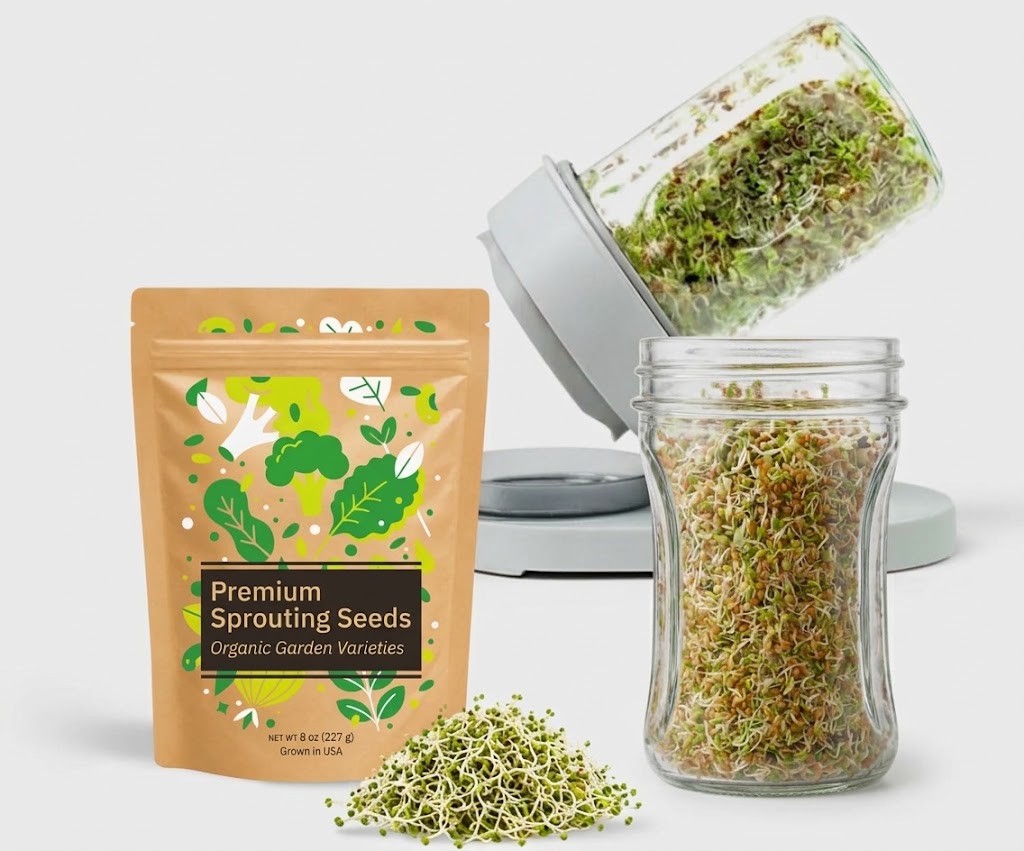
Jar Sprouting Kit with 8oz Broccoli Sprout Seeds
Check Price on Amazon- Fruit with mold or spoilage: Do not try to salvage a moldy portion by cutting off the visible spot. Discard the affected food.
- Fruit in syrup or sweetened blends: These add sugar without improving the nutritional value of the flock’s diet.
- Fruit mixed with desserts: Ice cream, pastries, and chocolate-covered fruit are not appropriate chicken treats.
- Avocado: Avoid avocado, especially the skin and pit, which contain persin. Because the amount and risk can vary by part and preparation, choosing a different treat is the safer option.
- Rhubarb leaves: Do not feed the leaves. They contain compounds that can be harmful. There is little reason to offer rhubarb stalks when safer fruit options are available.
- Hard pits and large seeds: Remove them rather than relying on birds to avoid or pass them safely.
Citrus fruit is often treated as forbidden in backyard-flock advice, but it is not generally necessary to ban every small taste of the flesh. Some chickens dislike its strong, acidic flavor, and it offers no special benefit as a treat. If you choose to share a little, make sure it is plain and fresh, and stop if your birds refuse it or develop digestive upset.
Fruit that has thawed on a counter for a long time deserves particular caution. Warm, wet pieces can spoil, especially outdoors in hot weather. Thaw only what you plan to use, and keep extra fruit refrigerated rather than leaving it in the coop.
How much frozen fruit should chickens eat?
Think of fruit as a small snack, not a measured daily requirement. There is no single portion that fits every flock because chicken size, age, activity, feed intake, and health all matter. Start with a few small pieces shared among the birds and see how quickly they eat them.
Make sure the flock has access to its usual complete feed before offering treats. If chickens fill up on fruit, scraps, or other extras, they may eat less of the balanced ration designed for them. This matters especially for growing birds and laying hens, whose nutritional needs differ from those of adult birds not in production.
Fruit can also change the appearance and moisture of droppings because it contains water and natural sugars. A brief change after a treat is not automatically a sign of illness, but persistent diarrhea, lethargy, loss of appetite, or other worrying symptoms call for a closer look and veterinary advice.
For a flock with a medical condition or a special diet, ask a poultry veterinarian before adding treats. Be especially conservative with chicks: they need age-appropriate starter feed, and their small size makes careful portioning and supervision important. Do not let fruit displace the feed they rely on for growth.
Do chickens need grit with frozen fruit?
Chickens do not need grit simply because they ate fruit. They have a muscular organ called the gizzard, which grinds food, and they use small stones or grit when eating tougher foods that require grinding. If birds eat only complete commercial feed and soft treats, extra grit may not be needed; birds eating forage, whole grains, or other fibrous foods may need access to suitable grit.
Do not confuse grit with oyster shell. Grit helps grind food, while oyster shell is a calcium source commonly offered separately to laying hens that need extra calcium. Fruit does not replace either a properly formulated ration or the flock’s normal mineral management.
Always provide clean drinking water. Frozen fruit contains moisture, but it cannot replace a dependable supply of fresh water. Keep feed and water available as usual, and do not use fruit to hide a problem with access to either.
Common mistakes when feeding frozen fruit
Most problems come from serving too much, choosing an awkward size, or treating a flavored product as though it were plain fruit. A few small precautions make the snack simpler and safer.
- Giving fruit as a main meal: Chickens need complete poultry feed for balanced nutrition. Fruit alone cannot meet that need.
- Serving a solid frozen mass: Separate pieces or thaw the block so birds can peck manageable bites.
- Leaving scraps out all day: Wet fruit can attract insects and rodents, then spoil. Offer a small amount and remove leftovers.
- Assuming frozen means clean: Freezing does not remove dirt or reliably make contaminated food safe. Handle fruit and dishes cleanly.
- Introducing several new foods at once: Offer one new treat in a small amount. That makes it easier to spot a food that does not agree with a bird.
- Ignoring individual access: Confident birds may take most of a shared treat. Scatter small pieces over a clean area or use multiple feeding spots so quieter birds have a chance.
A practical point many keepers overlook is that a treat can change feeding behavior even when the food itself is safe. If birds rush to fruit and leave their ration, reduce the treat rather than trying to make the fruit more appealing. The goal is a small enrichment snack, not a competition for the tastiest food.
Another common misconception is that frozen fruit must be thawed completely before chickens can eat it. That is not always true. The deciding factors are size, hardness, and whether the birds can break it into manageable pieces. Thaw large or very hard pieces; small, soft berries may be offered frozen in modest amounts.
A simple routine for offering fruit
Use this routine when you want to share a frozen-fruit treat without disrupting the flock’s normal feeding schedule.
- Pick plain fruit. Choose one fruit with no added ingredients and check it for spoilage.
- Prepare it for the birds. Remove pits, cores, and large seeds, then cut pieces small enough to peck. Thaw anything hard or oversized.
- Offer a modest portion. Share a few pieces among the flock after the usual feed is available. Do not use fruit to replace a meal.
- Watch the first few bites. Check that birds can eat the pieces comfortably and that no bird is being pushed away.
- Clean up promptly. Remove leftovers and wash the dish or feeding surface.
This routine works for occasional treats, whether you use berries from a freezer bag or small pieces of fruit frozen at home. If you freeze fresh fruit yourself, wash it first, remove inedible parts, and freeze it in separated pieces. That makes it easier to serve a small amount later without thawing an entire container.
Yes, can chickens have frozen fruit? Plain fruit is generally fine as an occasional treat when it is fresh, offered in manageable pieces, and kept secondary to complete poultry feed. Thaw large or very hard pieces, and remove pits, cores, and large seeds.
For your next serving, choose one plain fruit, offer just a few small pieces, and pick up what the flock does not eat. Keep fresh water and the birds’ normal feed available.
