how to make a smoothie with frozen fruit and yogurt: creamy
To make a smoothie with frozen fruit and yogurt, blend about 1 cup of frozen fruit with ½ cup of yogurt and ½ cup of milk or juice. Add the liquid first, then the yogurt and fruit, and blend until smooth.
The right ratio gives you a thick, creamy drink without making your blender work harder than necessary. You’ll also learn how to adjust the texture, choose yogurt and liquid, fix common blending problems, and adapt the basic recipe to different fruits and flavors.
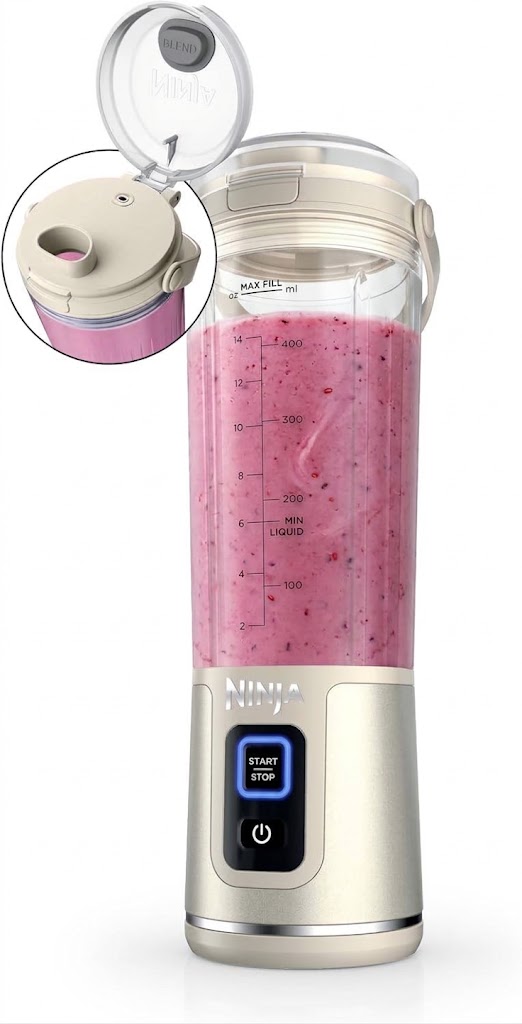
Ninja Blast Portable Blender, Cordless,18oz Vessel, Vanilla Bean
Check Price on AmazonHow to make a smoothie with frozen fruit and yogurt
Start with this flexible recipe for one generous serving. It works with most frozen fruit and can be adjusted for thicker or thinner smoothies.
- 1 cup frozen fruit, such as berries, mango, peaches, or a mix
- ½ cup yogurt, plain or flavored
- ½ cup milk or another liquid, such as oat milk, soy milk, or orange juice
- Optional: 1 teaspoon honey or maple syrup, if needed
- Pour in the liquid. Add milk or juice to the blender jar first. Liquid around the blades helps the ingredients move and reduces the chance of frozen fruit getting stuck.
- Add the yogurt. Spoon it over the liquid. It adds body and helps make the drink creamy.
- Add the frozen fruit. Put the fruit on top, spreading large chunks around the jar when possible. If you are using a very small or less powerful blender, let the fruit sit out for a few minutes to soften slightly.
- Blend on low, then increase the speed. Start slowly so the ingredients settle toward the blades. Increase the speed once the mixture begins moving.
- Check the texture. Stop the blender and scrape down the sides if fruit is stuck. Add liquid a tablespoon or two at a time if the smoothie is too thick.
- Taste before sweetening. Fruit and flavored yogurt can provide plenty of sweetness. If the blend tastes tart, add a little honey or maple syrup and blend briefly.
Pour and serve right away for the smoothest texture. Frozen fruit makes the smoothie cold without requiring ice, which can water down the fruit flavor as it melts.
Choose the right fruit, yogurt, and liquid
Each ingredient changes the taste and texture. Fruit provides most of the flavor, yogurt contributes creaminess and tang, and liquid controls how easily the mixture blends. Begin with modest amounts, then make small adjustments instead of guessing with a large pour.
Pick fruit that blends well
Banana, mango, peach, and ripe berries are reliable choices. Banana and mango tend to make a thick, smooth blend. Strawberries, blueberries, and raspberries bring a brighter, sometimes tarter flavor. Combining a soft fruit with a seedier or sharper one can make the final taste more balanced.
Frozen fruit does not need to be thawed completely. In fact, using it straight from the freezer helps keep the drink cold and thick. If the pieces are large or frozen into a solid clump, break them apart before adding them. This makes it easier for the blender to pull the fruit toward the blades.
Choose yogurt for the texture you want
Plain yogurt gives you more control over sweetness. Greek yogurt is thicker and tangier, so it can make a dense smoothie; add a little extra liquid if needed. Regular yogurt is usually looser and blends easily. Flavored yogurt can work well, but check how sweet it tastes before adding any extra sweetener.
Non-dairy yogurt is another option. Its thickness and flavor vary by brand, so use the same starting amount and adjust after blending. Unsweetened versions are useful when you want the fruit to provide most of the sweetness.
Use a liquid that suits the flavor
Milk gives a familiar, creamy taste. Oat or soy milk can also make a smooth base, while almond milk often tastes lighter. Orange juice adds acidity and fruitiness, which pairs well with mango, peach, and berries. Water works if you want the fruit and yogurt flavors to stand out without adding another strong taste.
Use the liquid sparingly at first. It is easy to thin a smoothie, but difficult to make it thick again without adding more fruit or yogurt. If you plan to add a liquid sweetener or juicy ingredients, account for the extra moisture as you blend.
Adjust the thickness without losing flavor
A thick smoothie should move through a straw or spoon without feeling icy or watery. For a thicker result, reduce the liquid, add more frozen fruit, or use thick Greek yogurt. For a thinner result, add milk or another liquid a little at a time while the blender runs at a low speed.
Use the table as a starting point. Fruit size, yogurt thickness, and blender strength all affect how much liquid you need.
| Ingredient choice | What it does | Adjustment | Best for |
|---|---|---|---|
| Greek yogurt | Makes a thicker, tangier smoothie | Add liquid gradually | A filling, spoonable blend |
| Regular yogurt | Blends smoothly with a softer texture | Start with the standard liquid amount | An everyday creamy smoothie |
| Milk or soy milk | Adds a mild, creamy base | Use less for a thicker drink | Banana, berry, or mixed fruit |
| Orange juice | Adds fruitiness and tartness | Use less if the fruit is already sharp | Mango, peach, and berry blends |
| Extra frozen fruit | Thickens and intensifies fruit flavor | Add a few pieces at a time | A cold, thick smoothie without ice |
| Ice | Cools the drink but can dilute it | Use only if needed | A blend made with fresh, not frozen, fruit |
If the smoothie turns out too thick, do not pour in a large amount of liquid at once. Add a tablespoon or two, blend, and check again. If it is too thin, add more frozen fruit or a spoonful of yogurt. A few minutes in the refrigerator may make a loose smoothie feel thicker, but it will not restore the texture of a blend that has too much liquid.
Blend frozen fruit smoothly and protect your blender
Frozen fruit is firm, so the blender needs enough liquid to circulate it. Layering ingredients in the right order helps: liquid near the blades, then yogurt, then fruit. This is a useful starting method for many countertop blenders, but follow your appliance’s instructions if they specify a different loading order.
Begin on a low setting. Once the mixture starts moving, increase the speed. On a blender with a pulse function, short pulses can help loosen fruit that is caught near the blades. If the motor sounds strained or the mixture stops circulating, turn it off before scraping the sides or changing the ingredients. Never reach into a blender jar while the blades can move.
A tamper, if your blender includes one, can push ingredients toward the blades while the blender runs. Use only the tamper made for that appliance and follow its directions. Without one, stop the blender, use a spatula to move the mixture, and restart with the lid secured.
For a compact or lower-powered blender, use smaller fruit pieces and avoid packing the jar tightly. A short rest on the counter can soften the fruit enough to blend more easily while keeping it cold. Do not force the motor to run continuously if it is struggling; stopping to redistribute the ingredients is safer for the appliance and often faster.
Flavor combinations that work well
The basic fruit, yogurt, and liquid formula is easy to vary. Keep the same general proportions at first, then change one ingredient at a time. That makes it easier to tell what improved or weakened the flavor.
- Strawberry banana: Blend strawberries and banana with plain or vanilla yogurt and milk. Banana softens the tartness of the berries.
- Mango peach: Combine mango and peach with plain yogurt and milk or orange juice. The fruit is naturally sweet, so taste before adding a sweetener.
- Mixed berry: Use blueberries, strawberries, or raspberries with plain yogurt and milk. If the blend tastes sharp, add banana or a small amount of honey.
- Cherry vanilla: Pair frozen cherries with vanilla yogurt and milk. A little extra liquid may help if the cherries are frozen in large pieces.
- Tropical mix: Blend pineapple and mango with yogurt and a splash of orange juice or milk. Use enough yogurt to soften the fruit’s acidity.
Frozen fruit mixes can include fruit with different levels of sweetness and tartness. If one blend tastes unbalanced, add a mild, sweet fruit such as banana or more plain yogurt for a softer flavor. Avoid trying to fix every sharp smoothie with lots of sweetener; a small ingredient change often works better.
Add extras carefully
Oats, nut butter, seeds, and protein powder can make a smoothie more filling or change its texture. They also make the mixture thicker, so add them in small amounts and check the blend before adding more. If you add a dry ingredient, you may need an extra splash of liquid.
For oats, start with a small spoonful and blend thoroughly so they do not leave a coarse texture. Nut butter adds richness and a strong flavor, so a little can go a long way. Chia or flax seeds absorb liquid as they sit; if the smoothie thickens after blending, stir in more liquid before drinking.
Protein powder varies in sweetness, thickness, and flavor. Follow the serving directions on its package and taste the smoothie before adding sweetener. If you have dietary restrictions or take medication, check ingredient labels and seek qualified advice about ingredients that may not suit you.
Adding several extras at once makes it hard to control the result. Start with one addition, blend, and taste. This simple approach helps you keep the fruit flavor clear and adjust the texture more accurately.
Fix common smoothie problems
The blender spins but the fruit does not move
The mixture may be too thick, or the frozen fruit may be packed around the blades. Turn off the blender, loosen the ingredients with a spatula, and add a small splash of liquid. Restart on low. If the fruit is in a large frozen clump, break it apart before trying again.

Framendino, 16 Pack Artificial Chicken Nuggets Fake Fried Food Models Props for Kitchen Decor
Check Price on AmazonThe smoothie is watery
Too much liquid is the usual cause. Add frozen fruit or yogurt until the texture thickens. Next time, begin with less liquid and add only what is needed to keep the ingredients circulating. Ice can make a watery result worse as it melts.
The smoothie tastes too tart
Some berries and plain yogurt have a naturally sharp taste. Add banana, a sweeter fruit, or a small amount of honey or maple syrup. Blend and taste again before adding more. A little extra yogurt can round out a strong fruit flavor, though very tangy yogurt may not help.
The smoothie tastes bland
It may need more ripe fruit or a stronger flavor rather than more liquid. Add a handful of berries, a piece of banana, or a small splash of juice. If using plain yogurt, a little honey or vanilla can help, depending on the ingredients you have.
The texture is icy or grainy
Large frozen pieces, seeds, or insufficient blending can make a smoothie feel coarse. Use smaller fruit pieces, blend long enough to break them down, and pause to redistribute ingredients if needed. Very seedy fruit, such as raspberries, may remain slightly textured even after blending.
Common mistakes to avoid
Adding too much liquid at the start is one of the easiest mistakes to make. A thin smoothie can be hard to thicken without changing the flavor or making a larger batch. Begin with a modest amount, then add more only when the mixture will not circulate.
Using ice as a substitute for frozen fruit can weaken the taste. Ice cools a drink but adds no fruit flavor, and it melts into water. Frozen fruit usually provides a colder, more flavorful result. Add ice only when you want extra chill or are blending fresh fruit.
Using sweetened ingredients without tasting first can make the finished drink overly sweet. Flavored yogurt, ripe bananas, and juice can all add sweetness. Blend first, taste, and sweeten only if the result needs it.
Filling the blender too high can prevent even blending and may cause spills. Leave room for the ingredients to move, and follow the fill limit marked on your blender jar. If you want multiple servings, make them in batches when needed.
Assuming every frozen fruit needs the same amount of liquid can lead to frustrating results. Small berries and large mango chunks move differently, while thick yogurt resists blending more than regular yogurt. Use the recipe as a starting point, not a fixed rule.
Make ahead and store leftovers safely
A smoothie is usually best just after blending, when it is cold and the texture is even. If you need to make it ahead, pour it into a clean, covered container and refrigerate it. Separation can happen as it sits; stir or shake it before drinking, and add a small splash of liquid if it has thickened.
For the best quality, avoid leaving a smoothie at room temperature for an extended period. If it has been sitting out, follow standard food-safety guidance for perishable dairy products. When in doubt about a smoothie that has been warm or stored too long, discard it.
You can also prepare ingredient portions ahead of time. Measure the frozen fruit into individual containers or freezer bags, then add yogurt and liquid when you are ready to blend. This saves time without leaving a finished smoothie to separate in the refrigerator.
Freezing a finished smoothie is possible, but it may separate or become icy after thawing. If you freeze one, thaw it in the refrigerator and blend or shake it again before serving. For a more consistent result, freeze the fruit portions and blend the drink fresh.
Frequently asked questions
Do you need to thaw frozen fruit first?
No. You can blend frozen fruit directly for a cold, thick smoothie. Let it soften briefly only if your blender struggles, or if the fruit is frozen into a large clump that will not break apart.
Can you make a smoothie with frozen fruit, yogurt, and no milk?
Yes. Use water, juice, or another suitable liquid instead of milk. You still need some liquid to help the blades move the fruit, so add it gradually until the mixture blends smoothly.
What is the best ratio of frozen fruit to yogurt?
A practical starting point is 1 cup of frozen fruit to ½ cup of yogurt and about ½ cup of liquid. Adjust from there based on how thick your yogurt is and whether you prefer a drinkable or spoonable texture.
Can you use Greek yogurt?
Yes. Greek yogurt makes a thicker, tangier smoothie than many regular yogurts. Add liquid a little at a time until the blend moves easily, and choose fruit that balances its tartness.
Can you make it without added sugar?
Yes. Use ripe or naturally sweet fruit and unsweetened yogurt or milk. Taste the finished blend before deciding whether it needs honey or another sweetener.
Why is my smoothie not creamy?
It may have too much liquid, too little yogurt, or fruit that has not blended fully. Add a little yogurt or frozen banana, then blend again. Also check that the ingredients are moving around the blades rather than sitting in a thick layer.
A reliable starting ratio is 1 cup of frozen fruit, ½ cup of yogurt, and about ½ cup of liquid. Add the liquid first, blend gradually, and adjust the thickness in small steps.
For your next smoothie, start with that ratio and taste before adding sweetener. If the blender struggles, stop, loosen the fruit, and add a small splash of liquid rather than forcing it to run.
That simple method makes how to make a smoothie with frozen fruit and yogurt easy to adapt to the fruit, yogurt, and texture you prefer.