how to make sorbet with frozen fruit: easy method
To make sorbet with frozen fruit, blend the fruit with a little sweetener and just enough liquid to help it move. Adjust the sweetness and texture, then serve it soft or freeze it until scoopable.
The best method depends on your fruit, blender, and preferred texture. This guide covers practical fruit-to-sweetener ratios, equipment choices, flavor adjustments, and ways to fix a batch that turns icy, runny, or too tart. You will also learn how to store homemade sorbet and make it easier to scoop later.
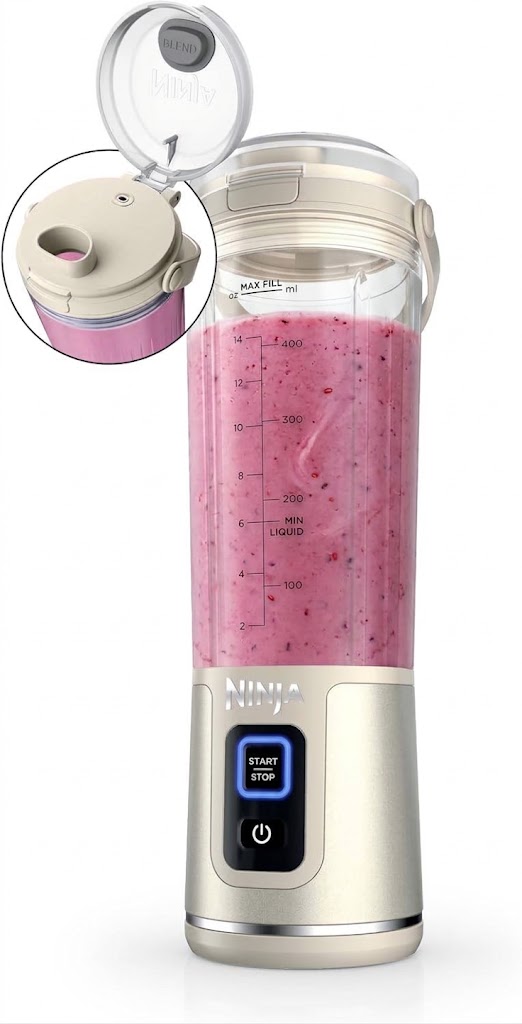
Ninja Blast Portable Blender, Cordless,18oz Vessel, Vanilla Bean
Check Price on AmazonHow to make sorbet with frozen fruit
Start with frozen fruit, a small amount of sweetener, and a splash of liquid. Blend until smooth, stopping to scrape down the sides as needed. The result can be served right away as a soft, spoonable dessert, or frozen briefly for a firmer texture.
For a dependable starting point, use about 4 cups of frozen fruit, 2 to 4 tablespoons of sugar or another sweetener, and 1 to 3 tablespoons of liquid. The exact amount depends on how sweet and juicy the fruit is, plus the strength of your blender. Add the liquid gradually; too much can turn the mixture into a drink rather than a scoopable sorbet.
Taste the mixture before serving. If it tastes dull or overly tart, add a little more sweetener. If it tastes too sweet, a small squeeze of lemon or lime can bring the fruit flavor into balance. Keep in mind that frozen desserts taste less sweet when very cold, so a mixture that seems just right at room temperature may taste less sweet after freezing.
Basic frozen-fruit sorbet formula
- Measure 4 cups of frozen fruit and let it sit for 5 to 10 minutes, just until the pieces begin to soften around the edges.
- Add 2 tablespoons of sugar, honey, or another sweetener and 1 tablespoon of lemon or lime juice, if it suits the fruit.
- Blend or process the mixture. Add liquid 1 tablespoon at a time only when the blades need help moving.
- Stop when the texture looks smooth and thick. Taste, then adjust the sweetness or acidity.
- Serve immediately for a soft texture, or transfer it to a shallow container and freeze until firmer.
These amounts are a starting point, not a strict formula. Very juicy berries may need little or no added liquid, while dense fruit such as mango can need an extra spoonful. Your machine and the size of the frozen pieces also affect how much help the mixture needs.
Choose fruit and adjust the ratio
Most frozen fruit works, but each kind brings a different balance of sweetness, water, and fiber. Berries often taste bright and can be tart. Mango and banana make a thick, creamy-feeling mixture, while pineapple can be juicy and sharp. Blending fruits together is an easy way to balance flavor and texture.
Use fruit frozen without added syrup when possible. Sweetened fruit can make it harder to control the final taste, and fruit packed in syrup may bring extra liquid. If your fruit is already sweetened, blend it first and taste before adding any additional sugar.
| Frozen fruit | What to expect | Useful adjustment | Best for |
|---|---|---|---|
| Strawberries | Bright flavor; can be tart or seedy | Add sweetener gradually; strain if you want fewer seeds | A classic, fresh-tasting sorbet |
| Mango | Thick, sweet, and naturally smooth | Use very little liquid at first | A rich texture without dairy |
| Peaches | Fragrant and moderately sweet | Add lemon juice if the flavor tastes flat | A gentle, mellow fruit dessert |
| Pineapple | Juicy, tangy, and sometimes fibrous | Blend thoroughly; strain if needed | A sharp, tropical flavor |
| Raspberries | Intensely flavored with many small seeds | Strain after blending for a smoother finish | A bold, tart sorbet |
| Banana | Soft, thick, and mild | Pair with berries or citrus for more brightness | A creamy-feeling blend |
| Mixed berries | Variable sweetness and tartness | Taste before adding sweetener | A convenient blended-fruit batch |
For a balanced blend, combine a sweet fruit with a tart one. Mango with lime, strawberry with banana, or peach with raspberry are useful combinations. Start with roughly equal amounts, then adjust after blending. A small quantity of a strongly flavored fruit can change the whole batch, so add it in stages if you are unsure.
Choose a blender or food processor
A high-powered blender can make a smooth sorbet quickly, but it may need liquid to keep the blades moving. A food processor often handles thick frozen pieces with less added liquid and gives you more control over the texture. Either can work; use the machine you have and avoid forcing it through a mixture that is too hard or packed tightly.
| Equipment | How it handles frozen fruit | Best for |
|---|---|---|
| Food processor | Breaks fruit down in short pulses and usually needs little liquid | Thick, spoonable sorbet |
| High-powered blender | Can make a very smooth mixture, but may need small liquid additions | Smooth sorbet and larger batches |
| Standard blender | May struggle with hard, dry fruit unless it is softened slightly | Small batches with careful pulsing |
Check your appliance’s instructions before blending hard frozen ingredients. If the motor sounds strained, stop and let the fruit soften for a few minutes. Scraping the sides and redistributing the fruit is safer and more effective than running the machine continuously while the blades are stuck.
How to blend frozen fruit into a smooth sorbet
Prepare the fruit by breaking apart any large frozen clumps. Pieces that are closer in size blend more evenly, and the machine is less likely to leave hard chunks behind. If the fruit is in a solid block, let it soften enough to separate before processing.
- Load the fruit first. Put the frozen fruit in the bowl or jar. Add sweetener and any citrus juice before blending so they can distribute through the mixture.
- Pulse to break it down. Use short pulses at first. This chops the fruit without immediately warming the mixture or overwhelming the motor.
- Scrape and redistribute. Turn off the machine and scrape the sides when fruit sticks above the blades. In a blender, use the tamper only if the appliance instructions allow it.
- Add liquid in small amounts. Add a tablespoon, blend again, and repeat only if needed. Water, fruit juice, or a little citrus juice can help; remember that juice also changes the flavor and sweetness.
- Blend just until smooth. Stop as soon as the mixture has an even texture. Extended blending warms the fruit and can make the sorbet loose.
- Taste and adjust. Add sweetener or citrus in small increments, blending briefly after each change.
If your machine cannot process the fruit, do not keep running it in the hope that it will catch. Let the pieces soften a little longer, divide the batch into smaller portions, or add a small amount of liquid. These simple adjustments reduce strain and help the fruit blend evenly.
Balance sweetness, tartness, and texture
Sweetener does more than make fruit taste sweeter. It also affects how hard the sorbet becomes in the freezer. A batch made with very little sugar can freeze into a firm, icy block, while too much sweetener can leave it soft and overly sweet. For a quick-serve batch, a modest amount is usually enough; for a batch intended for the freezer, taste and texture may need more careful adjustment.
Regular granulated sugar works well, but it can take time to dissolve in a cold mixture. Blend it thoroughly, or dissolve it in a small amount of warm water and cool the syrup completely before adding it. Do not pour warm syrup over frozen fruit if you want to preserve a thick, cold texture.
Honey, maple syrup, and agave can sweeten sorbet, but they each add their own flavor. They are liquids, so add them gradually and use less extra juice or water. A sugar substitute may change the texture as well as the taste, so the result may not freeze or scoop like a version made with sugar.
Citrus juice can sharpen fruit flavor, especially when a batch tastes sweet but flat. Add it a teaspoon at a time. Too much can make the sorbet sharply sour and loosen the mixture. A small pinch of salt can also make fruit flavors seem clearer without making the dessert taste salty.
Serve it soft or freeze it for scooping
Freshly blended sorbet is usually soft, similar to a thick smoothie or soft-serve dessert. Serve it immediately if you like that texture. For firmer scoops, spoon it into a shallow, freezer-safe container and smooth the top. A shallow layer chills more evenly than a deep container.
Cover the surface closely, then place the lid on the container. Limiting contact with air helps reduce drying and ice crystals. Freeze until the mixture is firm enough to scoop. The time varies with batch size, container shape, freezer temperature, and how cold the mixture was when it went in, so check the texture rather than relying on a fixed time.

Framendino, 16 Pack Artificial Chicken Nuggets Fake Fried Food Models Props for Kitchen Decor
Check Price on AmazonIf the sorbet becomes too hard, leave it at room temperature briefly before scooping. A few minutes can soften the outside and make serving easier. Avoid repeatedly leaving the full container out to soften and then refreezing it; repeated warming and refreezing can worsen the texture.
Fix common frozen-fruit sorbet problems
The mixture will not blend
The fruit may be too hard, the batch may be too large, or the blades may not be reaching the fruit. Stop the machine, unplug it if you need to move food near the blades, and break up large clumps. Let the fruit soften slightly, process a smaller amount, or add liquid one tablespoon at a time.
The sorbet is too runny
Too much liquid or prolonged blending can make the mixture thin. Add more frozen fruit and blend briefly, or chill the batch in a shallow container until it firms up. Next time, hold back most of the liquid until the fruit has been chopped and you can see whether the blades truly need help.
The flavor is too tart
Add sweetener in small amounts and blend briefly after each addition. If the flavor is still sharp, combine the batch with a sweeter fruit rather than adding a large amount of sugar all at once. The best adjustment depends on the fruit, so taste after every change.
The sorbet tastes bland
Cold temperatures can mute flavor. A little lemon or lime juice, a pinch of salt, or a more intensely flavored fruit can make the fruit taste brighter. Add one adjustment at a time so you can tell what helped.
The frozen batch is icy or difficult to scoop
A sorbet with little sugar or added liquid can freeze very firmly. Let it soften briefly before serving. For the next batch, use a touch more sweetener or blend in a naturally soft fruit such as banana or mango. These changes can improve texture, but they also alter the flavor, so keep additions modest.
Flavor combinations and optional additions
Frozen fruit sorbet is easy to customize, but additions can change how it blends and freezes. Start with a small quantity, then taste the mixture before adding more. A concentrated flavor can overwhelm a mild fruit quickly.
- Strawberry and lime: Use lime juice and a little zest to bring out the berry flavor.
- Mango and pineapple: Combine the fruits for a sweet-tart tropical blend; add liquid only if the mixture needs it.
- Peach and raspberry: Let peach soften the sharpness of raspberry, or strain the blend if the seeds bother you.
- Blueberry and lemon: Add lemon juice gradually to brighten the berries without making the sorbet sour.
- Banana and strawberry: Banana gives the blend a thicker, creamy-feeling texture without dairy.
Fresh herbs such as mint or basil can add a light aroma, while spices such as ginger can bring warmth. Blend in only a small amount at first. If you add chocolate pieces, nuts, or other solid mix-ins, stir them in after blending so they do not interfere with the blades.
Store homemade sorbet safely and keep its texture
Transfer leftover sorbet to a clean, freezer-safe container and cover it closely. Store it in the freezer rather than leaving it at room temperature. Homemade sorbet does not contain the stabilizers used in some commercial desserts, so its texture may become harder or icier during storage.
For the best texture, make a batch you expect to serve soon rather than keeping it for a long time. If ice crystals form, the sorbet can still be edible, but its texture may be less smooth. Let a portion soften enough to scoop; avoid leaving the whole container out for an extended period.
A useful tip is to label the container with the fruit and date it was made. This makes it easier to identify a mixed-fruit batch and use older desserts first. Also, freeze the sorbet in a shallow container if you expect to serve it within a few hours; it will firm more evenly and be easier to scoop than a thick, deep block.
What most recipes get wrong about frozen fruit
Frozen fruit is already very cold, but that does not mean it needs lots of liquid to blend. Adding a large splash at the start is a common reason homemade sorbet turns thin. Let the machine chop the fruit first, then add only enough liquid to help the blades move.
Another common mistake is judging sweetness before the mixture is cold. Frozen fruit can taste less sweet than thawed fruit, and the final dessert will be colder still. Make small adjustments, then taste again after the mixture has chilled if you are preparing it ahead.
Finally, a smooth texture is not only about the machine. Fruit size, how much you load, and how long you blend all matter. Smaller batches and brief pauses to scrape the sides often produce a better result than pushing a full, tightly packed container through one long blending cycle.
For how to make sorbet with frozen fruit, the main rule is simple: blend the fruit first, then add sweetener and liquid gradually. Taste as you go, since fruit varies in sweetness, tartness, and water content.
For your next batch, start with 4 cups of frozen fruit and just 1 tablespoon of liquid. Blend in small pulses, adjust the flavor, and serve it soft or freeze it in a shallow container for firmer scoops.