how much frozen fruit for a smoothie: Easy Ratios
For one smoothie, start with 1 to 1½ cups of frozen fruit. That usually makes a thick, fruit-forward drink for one person; add more liquid if it is too dense.
The right amount depends on your glass size, other ingredients, and preferred texture. Frozen fruit also chills and thickens a smoothie, so you may not need ice.
Use the ratios below as a starting point, then adjust by blending in small additions. You’ll find practical amounts for different serving sizes, fruit types, and add-ins, along with ways to fix a smoothie that comes out too thin or too thick.
how much frozen fruit for a smoothie: Start with this ratio
For a typical single serving, use 1 to 1½ cups of frozen fruit and about ½ to 1 cup of liquid. Begin with the smaller amount of liquid, blend, then add more a splash at a time until the texture is right. This makes a smoothie that is thick and cold without requiring ice.
A cup of fruit is a volume measure, not a fixed weight. Chunks of mango pack differently from whole berries, so cups are the easiest measure for a home recipe. If you prefer to weigh ingredients, follow the package’s serving information and use it as a rough guide; the fruit’s shape and cut affect how much fits in a cup.
For a smaller drink, use about ¾ to 1 cup of fruit. For a large or extra-thick smoothie, use 1½ to 2 cups. These are flexible starting points, not strict limits. Your blender, fruit mix, and other ingredients all affect the final amount.
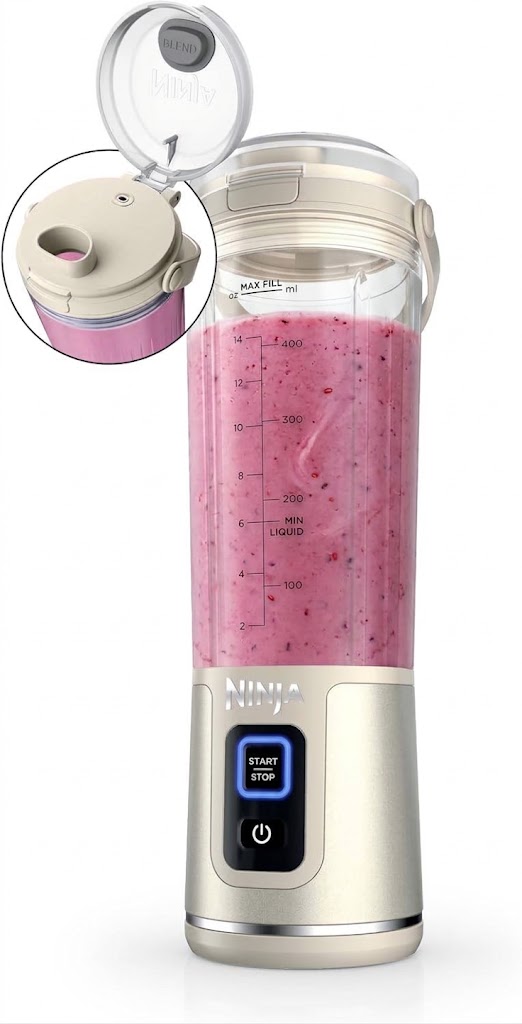
Ninja Blast Portable Blender, Cordless,18oz Vessel, Vanilla Bean
Check Price on AmazonChoose an amount for your serving size
Decide how much you want to drink before adding ingredients. A tall glass may hold more than a standard single-serving blender cup, and a smoothie with yogurt, oats, or nut butter can be filling even when the fruit portion is modest. Use this table as a practical starting point.
| Serving style | Frozen fruit | Starting liquid | Best for |
|---|---|---|---|
| Small, about 8–10 ounces | ¾–1 cup | ⅓–½ cup | A light snack or a smaller appetite |
| Standard, about 12–16 ounces | 1–1½ cups | ½–¾ cup | One everyday smoothie |
| Large, about 18–24 ounces | 1½–2 cups | ¾–1 cup | A generous drink or a thicker blend |
| Two standard servings | 2–3 cups | 1–1½ cups | Sharing or preparing two drinks |
Glass capacity is only a rough reference. Smoothie volume changes as ingredients blend and incorporate air, and some mixtures pour more easily than others. If you are making two servings, blend them together only if the blender has enough room for the ingredients to move safely.
Adjust the liquid for thickness
The fruit-to-liquid balance determines whether a smoothie pours, sips through a straw, or needs a spoon. Start with less liquid than you think you need. You can always thin the mixture, but adding more fruit to correct a watery smoothie can make the batch too large.
For a spoonable smoothie bowl, use around 1½ to 2 cups of frozen fruit per serving and begin with just a few tablespoons of liquid. Blend, stop to scrape down the sides if your appliance instructions allow it, and add liquid in small amounts only when the blades cannot move the ingredients. A bowl-style smoothie should be thick enough to hold toppings.
For a drinkable smoothie, use about ½ to ¾ cup of liquid with 1 to 1½ cups of fruit as a starting point. Add more liquid if you use dense ingredients such as yogurt, avocado, nut butter, or oats. If the fruit is juicy, start lower and assess the blend before adding more.
Which liquids work well?
Water gives fruit the clearest flavor and adds no sweetness of its own. Milk makes a creamier drink, while unsweetened plant-based drinks can provide a similar texture with a different flavor. Yogurt is thicker than most liquids, so count it as a substantial ingredient rather than a one-for-one replacement for water or milk.
Juice adds sweetness and fruit flavor, but can make a blend taste sugary when paired with ripe banana, mango, or sweet berries. Add it gradually. Coconut water also has its own taste, so use it when it suits the fruit combination rather than assuming it is flavor-neutral.
Account for the kind of frozen fruit
Different fruits behave differently in a blender. Some have a high water content and become loose as they thaw. Others make a dense, creamy mixture. Combining two or three kinds can balance flavor and texture, but you do not need a complicated mix to get a good result.
| Frozen fruit | How it affects texture | Useful adjustment |
|---|---|---|
| Strawberries and mixed berries | Can blend thick, with seeds or small pieces | Start with modest liquid and add more as needed |
| Blueberries | Blend smoothly but can create a dense, dark mixture | Pair with banana or yogurt for a rounder texture |
| Mango | Often blends creamy and thick | Add liquid gradually; it may need less than watery fruit |
| Pineapple | Juicy, bright, and sometimes fibrous | Use less liquid at first and blend thoroughly |
| Peaches | Soft and fragrant once blended | Combine with a thicker fruit or yogurt if the drink is thin |
| Banana | Adds body and a naturally sweet taste | Reduce added sweetener if using ripe banana |
These are tendencies, not guarantees. Fruit ripeness before freezing, the size of the pieces, and the other ingredients all matter. If you are using a premixed bag, treat the mix as one fruit portion and adjust the liquid after blending.
Use a simple blending method
Good order and a few small adjustments can prevent the blender from stalling or leaving hard fruit pieces. Follow the appliance maker’s directions, especially for frozen ingredients, and avoid filling the container past its recommended level.
- Add liquid first. Pour in the amount you plan to start with. Liquid near the blades helps the fruit circulate and can reduce the need to stop and stir.
- Add soft ingredients next. Add yogurt, fresh banana, nut butter, or other soft ingredients before the frozen fruit, unless your blender instructions recommend a different loading order.
- Add frozen fruit. Measure 1 to 1½ cups for a standard serving. Break apart large clumps if they are stuck together, so the blades can reach the pieces more evenly.
- Blend, then assess. Use the speed or setting recommended for your appliance. If the mixture stops moving, stop the blender before scraping or rearranging ingredients.
- Adjust in small steps. Add liquid a tablespoon or two at a time if it is too thick. Add a few more fruit pieces if it is too thin, then blend again.
Do not run a blender with a spoon or spatula inside. If you need to loosen ingredients, turn the appliance off and follow its instructions for safe scraping or stirring. This matters because blades can continue moving after a setting changes or the container is handled incorrectly.
Balance fruit with other ingredients
Frozen fruit is only one part of the recipe. Yogurt, oats, seeds, vegetables, protein powder, and nut butter each change the volume and thickness. Start with the fruit amount that fits your serving, then account for the rest of the ingredients rather than adding extra fruit automatically.
Yogurt and milk
Yogurt makes a smoothie thicker and adds a tangy flavor. If you use a generous scoop, begin with less frozen fruit or more liquid than you would for a fruit-and-water blend. Milk thins the mixture while adding creaminess. Add it gradually so the smoothie does not become runny.
Oats, seeds, and nut butter
Oats and chia seeds absorb liquid as they sit, so a smoothie can thicken after blending. Nut butter also adds body and can make fruit flavors less prominent. If these ingredients are part of the recipe, blend first and let the drink stand briefly before deciding whether to add more liquid.
Leafy greens and vegetables
Spinach and similar mild greens can be added without changing the fruit amount much, though they add bulk. Stronger-tasting greens may need a fruit with a bold flavor, such as pineapple or mango, to balance them. Frozen vegetables should be used only if they are suitable for blending and prepared according to their package directions.
Protein powders vary in flavor and how much liquid they absorb. Read the product directions and add liquid as needed rather than assuming every scoop behaves the same. A powder that thickens the drink may call for more liquid, but not necessarily more fruit.
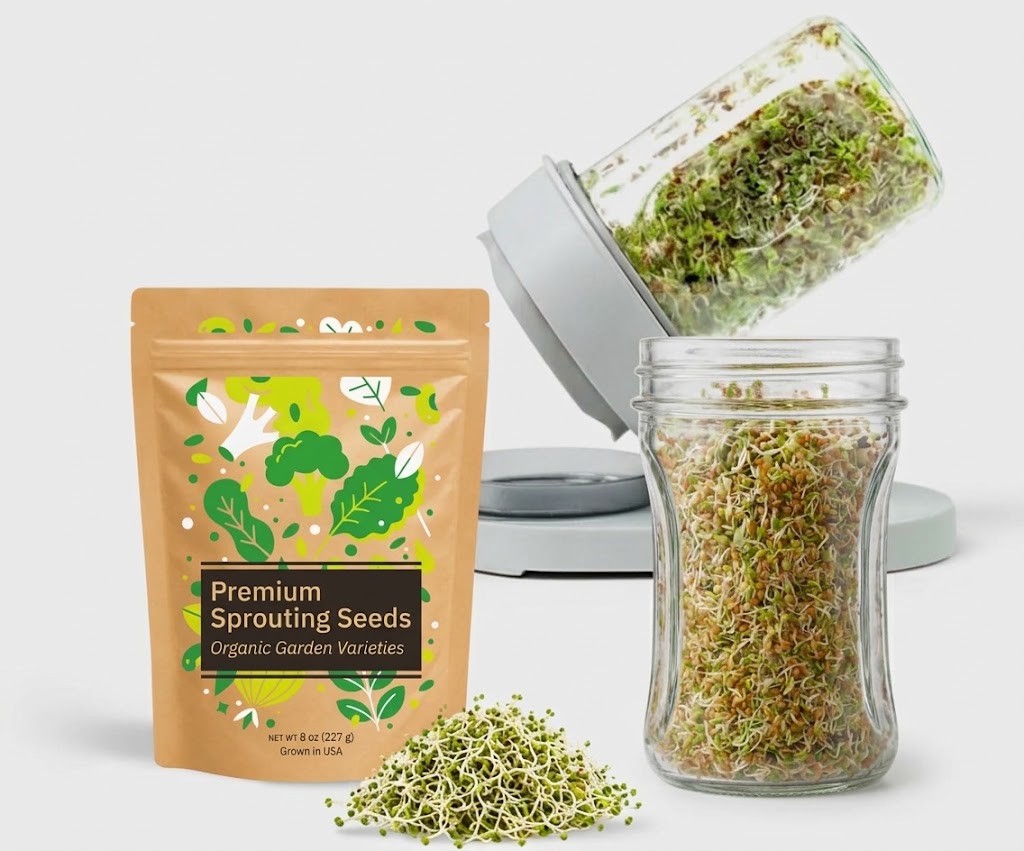
Jar Sprouting Kit with 8oz Broccoli Sprout Seeds
Check Price on AmazonFix a smoothie that is too thick or too thin
Texture problems are usually easy to correct. Make one change at a time, blend again, and taste before adding sweetener or more ingredients. Small adjustments help you avoid turning one serving into two.
- Too thick to blend: Stop the blender, then add a small splash of liquid and restart according to the appliance instructions. Repeat only as needed.
- Too thick to drink: Add liquid in small increments until it pours at the speed you like. Stir or blend after each addition so you do not overshoot.
- Too thin: Add a small handful of frozen fruit and blend. A few pieces of frozen banana or mango can thicken the drink, if their flavor suits the recipe.
- Too icy or harshly cold: Use less frozen fruit next time, or replace part of it with fresh fruit. Skip extra ice, which can dilute the flavor as it melts.
- Too sweet: Add plain yogurt, unsweetened milk, or a little water. More berries or a mild green can also balance sweetness, depending on the recipe.
- Too tart: Add a naturally sweet fruit such as banana or mango, or a small amount of sweetener if desired. Taste after blending before adding more.
A smoothie that separates after sitting is not necessarily spoiled. Fruit pulp and liquid can settle at different rates. Stir or shake it, and keep it refrigerated if you are not drinking it right away.
Common measuring mistakes to avoid
Adding ice by habit is a frequent source of weak flavor. Frozen fruit already chills the drink. Ice can help if you want a lighter, colder texture, but it also takes up room and may water down the smoothie as it melts. Start without it and add a small amount only if needed.
Pouring in all the liquid at once makes it harder to control consistency. A recipe’s suggested amount is a starting point, not a promise that every bag of fruit will blend identically. Hold some liquid back until you see how the mixture moves.
Filling the cup by weightless guesswork can also produce inconsistent results. A loose handful may be much smaller than a packed cup, while large pieces leave gaps. Use the same measuring cup and filling method when repeating a recipe. If you want reliable results, note your successful amounts in cups.
Assuming more fruit always means a better smoothie can lead to a thick, oversized blend with little liquid to help it move. Add fruit to reach the flavor and serving size you want, then balance it with enough liquid for your blender to work.
Another often-missed detail: ingredients continue to change the texture after blending. Oats and chia can thicken a drink as they absorb liquid, while a very juicy fruit mix may loosen as it warms. Give the smoothie a brief rest when it contains absorbent ingredients, then make the final adjustment.
Adjust the amount for taste and nutrition
There is no single fruit quantity that fits every dietary goal or recipe. Frozen fruit contributes carbohydrates, fiber, and natural sugars, but the exact nutrition varies by fruit and serving. Use package labels or a reliable nutrition database when precise amounts matter, especially if you are tracking a specific nutrient.
For a less sweet blend, choose unsweetened frozen fruit and pair sweeter fruit with tart berries or plain yogurt. Check the bag for added sugar or syrup, since frozen fruit products are not always just fruit. If sweetness is the goal, ripe banana or mango may provide enough without adding syrup or table sugar.
For a more filling drink, fruit can be combined with ingredients that supply protein, fat, or fiber, such as yogurt, milk, nut butter, or oats. Those additions change the smoothie’s nutrition and texture, so choose them to suit your needs and preferences. A larger quantity of fruit is not automatically the best way to make a smoothie more satisfying.
If you have a medical condition that requires a specific eating plan, use advice from your qualified health professional rather than relying on a general smoothie ratio. Ingredient portions can matter more than the overall cup measurement in those situations.
Store and portion frozen fruit for easier blending
Measure fruit into individual portions before freezing or before storing a newly opened bag. A reusable freezer-safe container or bag can make it simple to grab a serving without estimating each time. Keep fruit sealed and follow the package’s storage instructions to help protect its quality.
Spread fresh fruit pieces in a single layer on a tray before freezing if you want them to freeze separately. Once firm, transfer them to a sealed freezer-safe container. This can make measuring easier than dealing with one large frozen clump. Cut fruit into pieces that your appliance can handle, and do not freeze fruit in a container that is not designed for freezer use.
For convenience, portion a mix of fruit together, but leave liquid and other ingredients out until blending. This helps keep the fruit from forming a wet block and lets you choose the drink’s thickness later. Label containers with the fruit mix and date so you can use older portions first and identify what is inside.
Make a reliable smoothie without a fixed recipe
Once you know the basic ratio, you can build a smoothie from what you have. Use the fruit amount as your anchor, choose a liquid, then add one or two ingredients for creaminess or flavor. Too many additions can make it difficult to judge what changed the taste or texture.
- Choose 1 to 1½ cups of frozen fruit for a standard serving.
- Pour in about ½ cup of liquid, holding some back.
- Add one creamy ingredient, such as yogurt or banana, if you want a thicker blend.
- Blend according to your appliance instructions and check the movement and consistency.
- Adjust with small amounts of liquid or fruit, then taste before adding anything sweet.
For example, frozen berries with plain yogurt and milk make a tangy, creamy drink. Frozen mango with water or milk gives a smoother, sweeter blend. Pineapple with banana can be thick and bright, so begin with little liquid and thin it only if needed.
Keep a note of your favorite fruit amount, liquid amount, and add-ins. That simple record is more useful than trying to find one perfect ratio for every combination. When you change the fruit or add ingredients that absorb liquid, expect to make a small adjustment.
For most single servings, begin with 1 to 1½ cups of frozen fruit and about ½ to ¾ cup of liquid. Use less liquid for a thick smoothie and add it gradually until the blend pours the way you like.
The best answer to how much frozen fruit for a smoothie depends on your serving size and other ingredients, so treat the ratio as a starting point. Measure one batch, blend, and write down the amounts that give you the texture and flavor you want.
